ASL
“The History of Sign Languages in North America” and the “The Origins of ASL” StoryMaps
This summer the AGSL K-12 Fellowship went virtual! Our Public Services Librarian worked with four awesome teachers in the Milwaukee area as they developed curriculum for their upcoming school years. To see the projects and lesson plans, check out the AGSL’s Resources for Educators.
Hello! My name is Aspen Kuk. I am a Child of a Deaf Adult (CODA); my mother and aunt are both Deaf. Therefore, I grew up signing my whole life; in fact, Signing Exact English (SEE) was my first form of communication before I learned to speak English. SEE is a sign language dialect in America that many are not familiar with, or do not realize that it is different from the grammatical structure, as well as the sign structures of American Sign Language (ASL). I am also a High School World Language Teacher, and I am sure you’ve guessed already that I teach American Sign Language. I have always been fascinated by sign languages and had an urge to find the origins of where sign languages in North America and other parts of the World came from, hence where the creation of this StoryMap came from. This is my research connected to the search for “The History of Sign Languages in North America” and the “The Origins of ASL”.
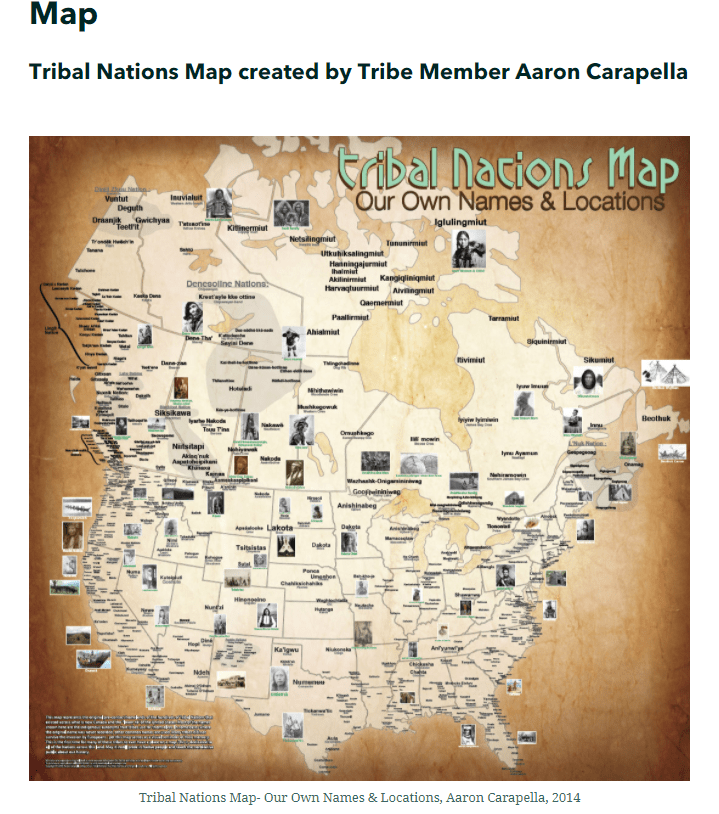
The AGSL materials that I ended up using range from Books, Historical Documents, Photography, Artwork, Maps to Articles discussing the historical facts that connect to the history of sign languages. Both of these StoryMaps will be incorporated into my lessons as I teach ASL 1 & 2. My final goal is for student to not only read the StoryMaps, but annotate as they read and answer text dependent questions connected to the material. I teach at an IB High School, and our focal point for teaching across all content areas is close reading, which ties in perfectly with my introductions of StoryMaps. I plan to demonstrate myself annotating the first portion of both StoryMaps, then have the students complete annotating and reading the rest of the StoryMaps on their own, and lastly answer the text dependent questions; all of these steps will be done online virtually so students can work at their own pace, while still meeting the deadline within a week. This fellowship, not only taught me how to create a StoryMap, but also how to use a StoryMap within the classroom setting, tie the information to my class content, and also challenge my students to use a different close reading structure.

