Teaching Virtually
Teaching European Colonialism
by Georgia Brown
This summer the AGSL K-12 Fellowship went virtual! Our Public Services Librarian worked with four awesome teachers in the Milwaukee area as they developed curriculum for their upcoming school years. To see the projects and lesson plans, check out the AGSL’s Resources for Educators.
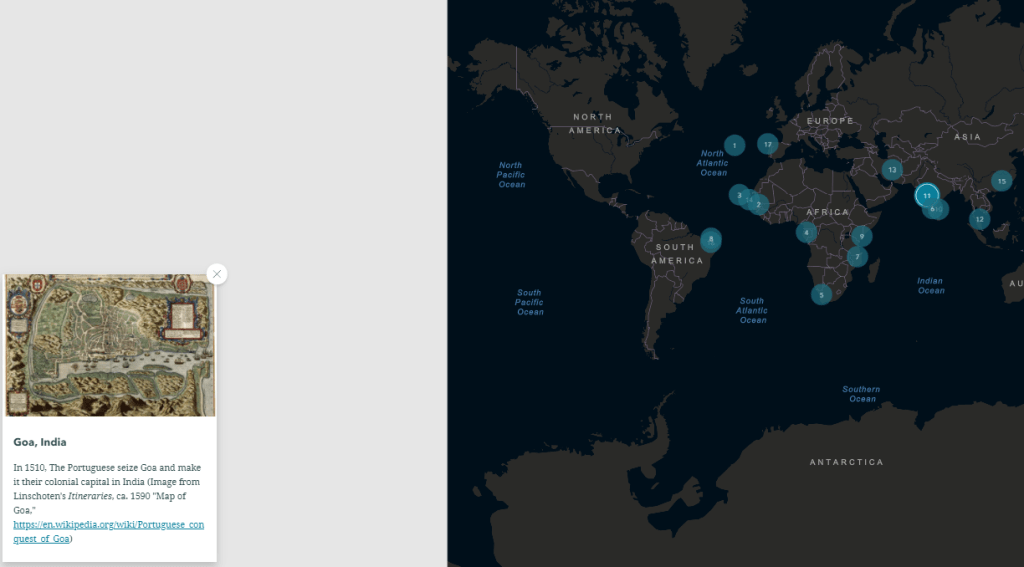
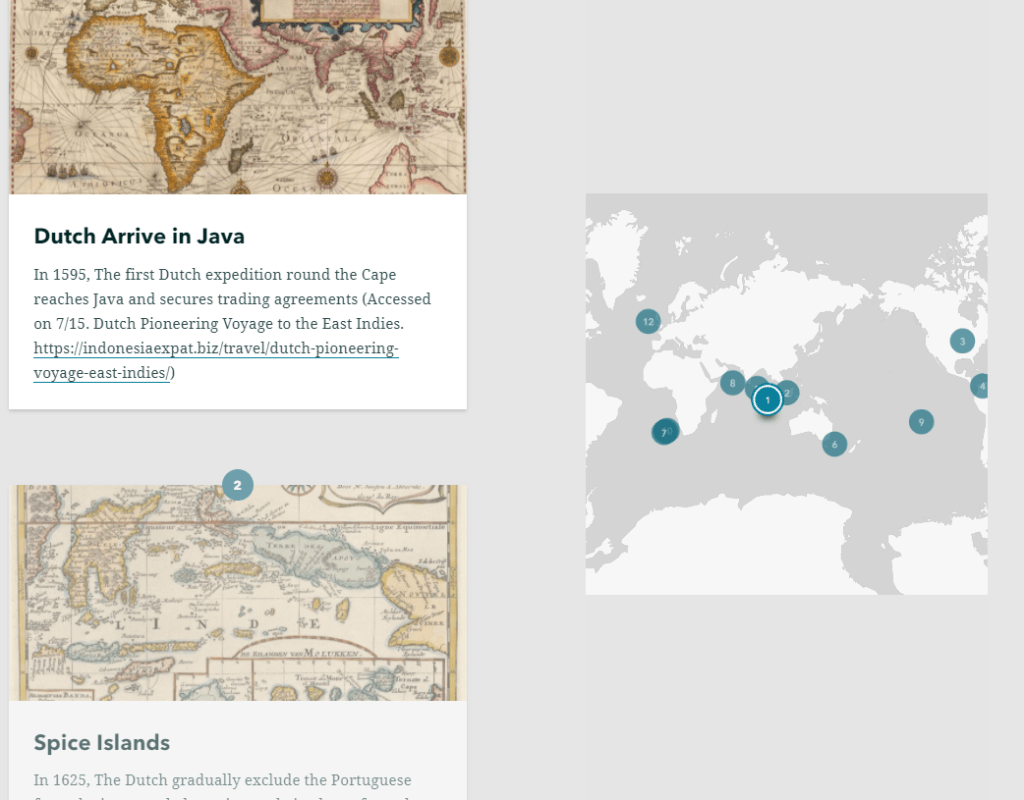
My name is Lukas Wierer, and I am a culturally responsive teacher leader in the Milwaukee Public Schools. I currently teach Ethnic Studies, Restorative Practices and Justice and You at Barack Obama School of Career and Technical Education. Obama is a K-12, but I teach in the high school, which is about 400 students, of which 98% are Black. The unit that I created will be used in my two sections of Ethnic Studies and was focused on European colonialism, specifically the impact that European colonization has had on formerly colonized nations. Throughout this unit, AGSL materials were used primarily as a way to show understanding. For example, I created an ArcGIS StoryMap (European Colonialism) that tracked colonial timelines for six European countries: Portugal, Spain, Great Britain, the Dutch (Netherlands), France, and Germany. Students were asked to examine the timelines, watch accompanying video clips, then, using the AGSL maps, they were asked to connect that content with the given map. I did identify a couple of images of statues/monuments that honor explorers whose “discoveries” were responsible for the resulting colonization of indigenous peoples. I also found a student article from the Black student newspaper, Invictus, entitled “Distortions of Colonization” which will be a good way to show a different perspective on colonialism, specifically the connection to exploitation that has emerged out of global capitalism.
In terms of how I view this unit helping my students, it is part of a sequence. We begin the year by learning about Africa before European arrival, specifically how advanced Africa was economically and politically. This unit will follow immediately and give students a better understanding of how Africa came to be exploited not only for its human resources (through the slave trade), but also for its land and the natural resources that would enrich the colonizers. With these two units as a foundation, we will be able to further examine the role that colonization and global capitalism played in the formation of racist ideas that stick with us today. Although the transition to a virtual classroom will present challenges, I have taught Telepresence for the last two years, so I am not totally unfamiliar with some strategies, but I imagine for this unit, we will spend a lot of our class time really diving deep into the AGSL maps. Because map skills are not typically real strong with my students, this is an area that I will want to explore as a group. The StoryMap and videos should be a little more straightforward for my students. I look forward to using this unit with my students and continuing to blog about how it went.
The Untaught History of Afro-Latinos
This summer the AGSL K-12 Fellowship went virtual! Our Public Services Librarian worked with four awesome teachers in the Milwaukee area as they developed curriculum for their upcoming school years. To see the projects and lesson plans, check out the AGSL’s Resources for Educators.
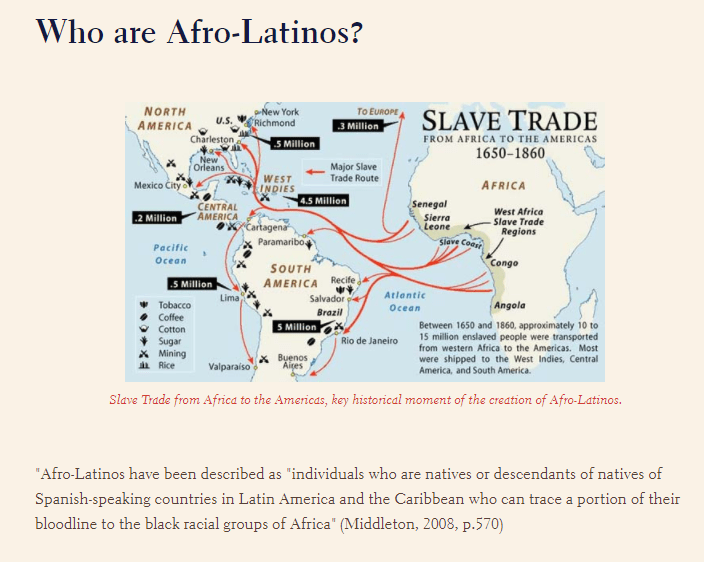
Hello! My name is Arleth Villagran and I am a Spanish teacher for MPS at Pulaski High School in the south side of Milwaukee, Wisconsin. I started my fellowship in June and have been working on my project ever since, my finished project for the AGSL Fellowship is a StoryMap on Afro-Latinos. I incorporated the resources that AGSL provided to me by researching the database on information about Afro-Latinos, I was able to find a wide variety of information in the database. Anything that I had trouble finding, I was able to contact Georgia Brown (AGSL Librarian) and she was able to provide me with resources that I couldn’t find. Afro-Latinos is a topic that rarely gets covered in Spanish classes in the United States and it is a topic of high importance if you are trying to understand the history of Latin America.
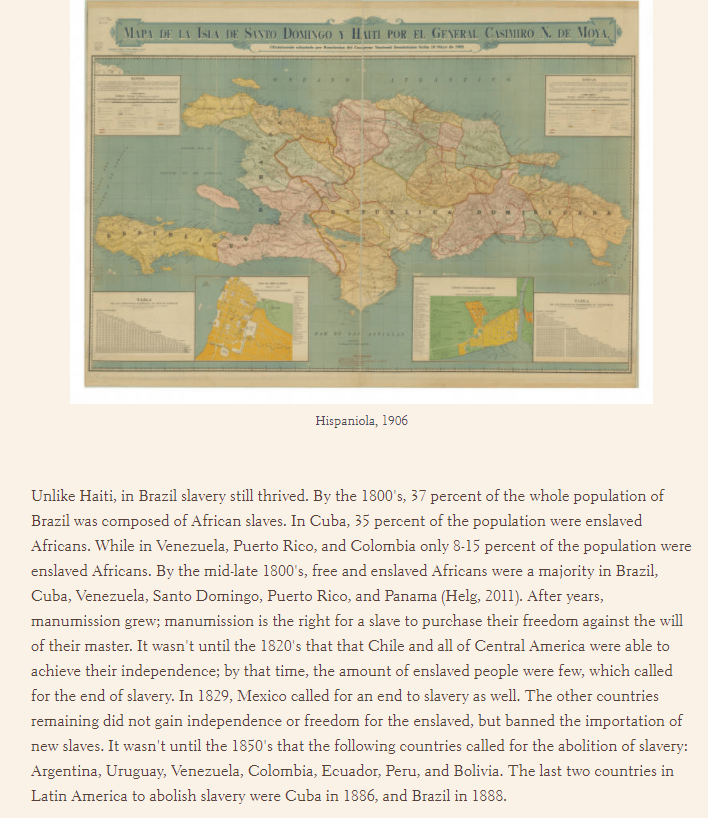
My finished project will help my students understand and be aware of the untold stories and history of Afro-Latinos. Often we think of enslaved Africans and we think of the United States, when in reality more enslaved people were taken to Latin America than the United States. I think it is important for my students to understand this and to be able to know history that often does not get taught in World History classes. Since we are virtual for at least the beginning of this school year, I think that a StoryMap would work well with us being online. StoryMaps allows you to easily navigate information so that it is easy for students to browse even if there isn’t a teacher physically there to help. I will also expect for students to practice their close reading skills and answer text-dependent questions as they read along. It would be really interesting to see students completing a StoryMap! With the Afro-Latino unit, I try to show at least glimpses of the documentary “Afro-Latinos the untaught story” since it is important for students to see that the stories can be directly connected to people. This fellowship was truly a challenge for me, I chose to use StoryMaps as my final project because I had never heard of it before and it truly taught me a lot. As educators, I think it is important for us to expand our knowledge and be able to use different resources available to us. By learning how to use StoryMaps, I can now teach my students how to use it too!
“The History of Sign Languages in North America” and the “The Origins of ASL” StoryMaps
This summer the AGSL K-12 Fellowship went virtual! Our Public Services Librarian worked with four awesome teachers in the Milwaukee area as they developed curriculum for their upcoming school years. To see the projects and lesson plans, check out the AGSL’s Resources for Educators.
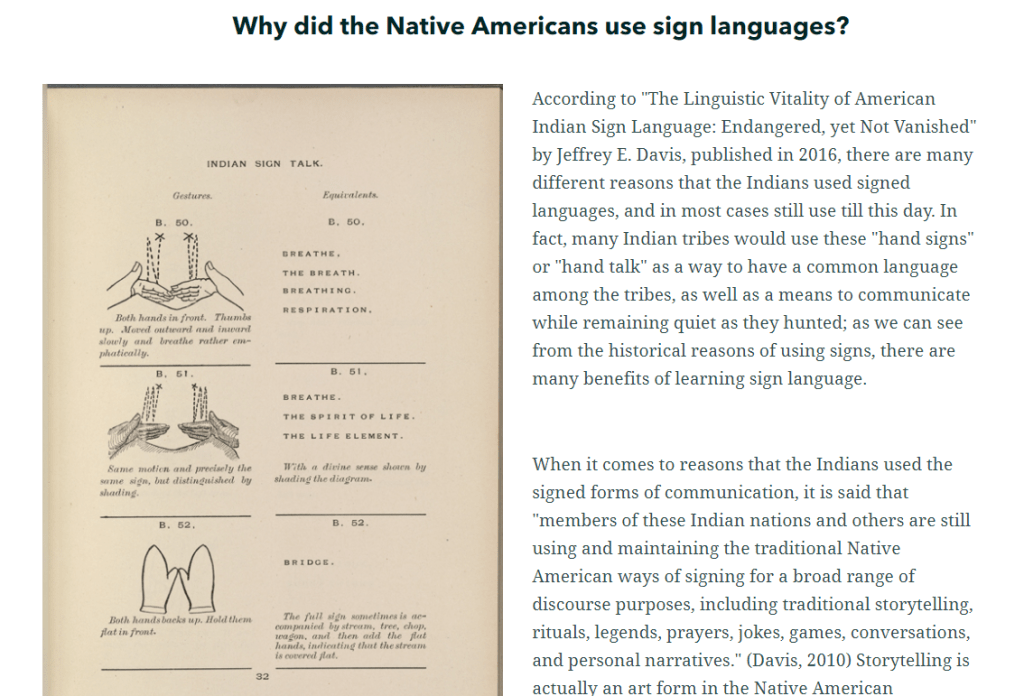
Hello! My name is Aspen Kuk. I am a Child of a Deaf Adult (CODA); my mother and aunt are both Deaf. Therefore, I grew up signing my whole life; in fact, Signing Exact English (SEE) was my first form of communication before I learned to speak English. SEE is a sign language dialect in America that many are not familiar with, or do not realize that it is different from the grammatical structure, as well as the sign structures of American Sign Language (ASL). I am also a High School World Language Teacher, and I am sure you’ve guessed already that I teach American Sign Language. I have always been fascinated by sign languages and had an urge to find the origins of where sign languages in North America and other parts of the World came from, hence where the creation of this StoryMap came from. This is my research connected to the search for “The History of Sign Languages in North America” and the “The Origins of ASL”.
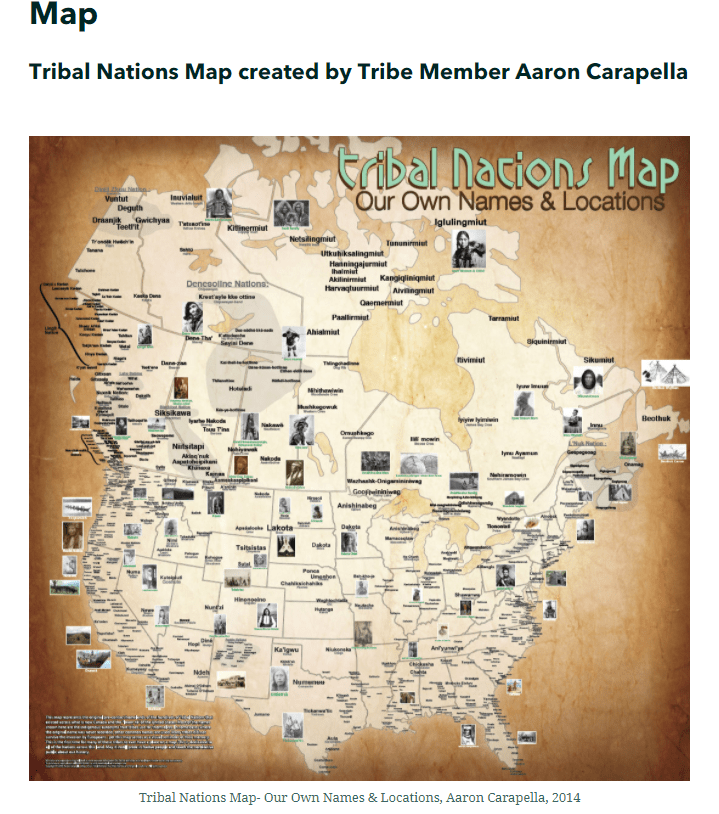
The AGSL materials that I ended up using range from Books, Historical Documents, Photography, Artwork, Maps to Articles discussing the historical facts that connect to the history of sign languages. Both of these StoryMaps will be incorporated into my lessons as I teach ASL 1 & 2. My final goal is for student to not only read the StoryMaps, but annotate as they read and answer text dependent questions connected to the material. I teach at an IB High School, and our focal point for teaching across all content areas is close reading, which ties in perfectly with my introductions of StoryMaps. I plan to demonstrate myself annotating the first portion of both StoryMaps, then have the students complete annotating and reading the rest of the StoryMaps on their own, and lastly answer the text dependent questions; all of these steps will be done online virtually so students can work at their own pace, while still meeting the deadline within a week. This fellowship, not only taught me how to create a StoryMap, but also how to use a StoryMap within the classroom setting, tie the information to my class content, and also challenge my students to use a different close reading structure.
Who I Am, Where I’m From
This summer the AGSL K-12 Fellowship went virtual! Our Public Services Librarian worked with four awesome teachers in the Milwaukee area as they developed curriculum for their upcoming school years. To see the projects and lesson plans, check out the AGSL’s Resources for Educators.
My name is Erin Sivek, and I am an English Language Arts (ELA), Social Studies, and English as a Second Language (ESL) teacher at the International Newcomer Center (INC) in Milwaukee Public Schools. The INC is a specialized program for middle school newcomer refugee English Learners; currently, I serve students from Central and Eastern Africa, Southeast Asia, and the Middle East. Depending on how many refugees are resettled in the US (and specifically Milwaukee) each year, my student population changes in both number and in cultural background.
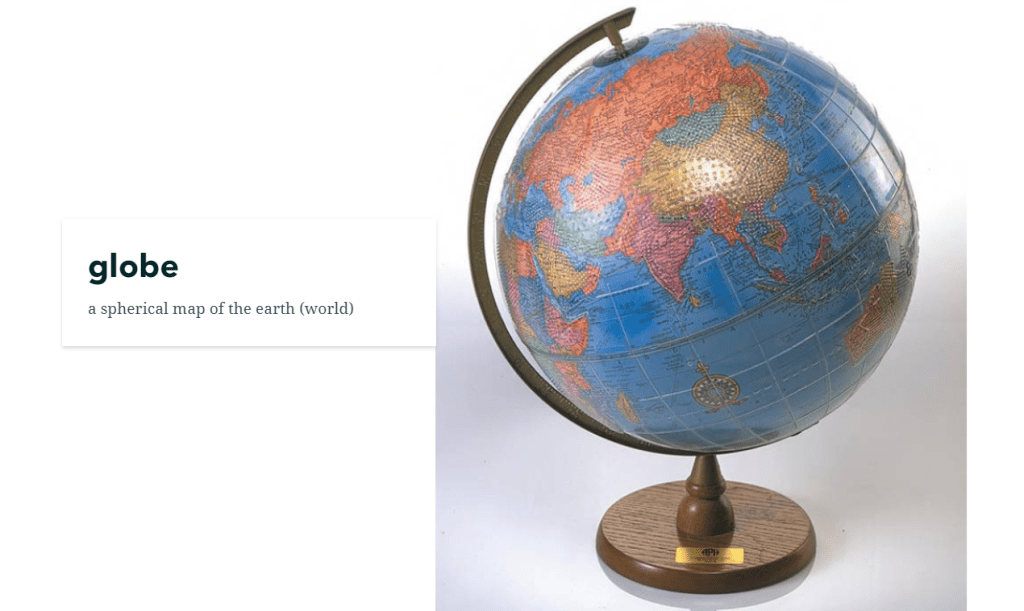
The curriculum I created through the AGSL grant is titled “Who I Am, Where I’m From,” and focuses on students’ home countries, and how these places have changed over time. Because the majority of my students have spent their childhood in refugee camps or resettled in countries of asylum, they often desire learning about where they’re originally from.
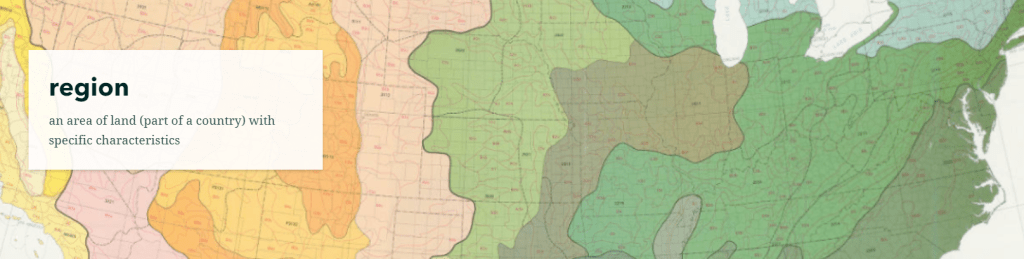
In this unit, students will analyze maps of their homelands from the AGSL Digital Collections dated as recently as 2018 to as far back as 1721. Specifically, students will use three pre-selected maps that include their home countries’ region. After identifying and writing about their homeland, they will study how its name and borders have changed through the time period of these maps. Students will then perform research using online databases to learn how and why these changes occurred. During this unit, students will also acquire new academic vocabulary while gaining insight into how people in power have changed our world.
My students have been learning in a virtual setting since April, and are becoming more skilled in using the tools of this environment. I will teach this curriculum through whole and small group video classes, while also supporting students through live documents, discussion boards, and interactive videos. In culmination, students will create a final assessment piece to demonstrate understanding of their new knowledge using a digital platform. Students will meet various standards in ELA and Social Studies surrounding History, Geography, Inquiry, and Research; such as evaluating people’s relationship to places, connecting past and present, and using geographic tools to analyze the world.

