harrison forman
AROUND THE WORLD IN 34 YEARS – IMAGES FROM THE HARRISON FORMAN COLLECTION NOW ONLINE
Thirty-four years after the American Geographical Society Library received the Harrison Forman Collection, work to make the images in the collection accessible online was completed in May 2021. Donated by his wife Sandra Carlyle Forman in 1987, the photographic collection consists of print photographs, nitrate and safety negatives, 35 mm color slides, Ektachrome color slides, and motion picture films.
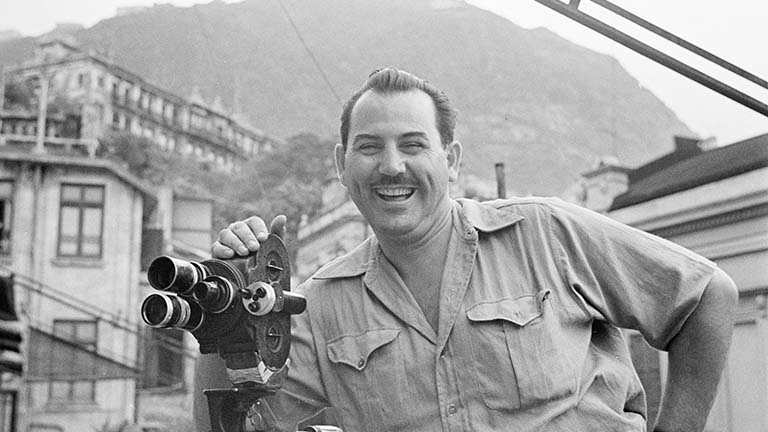
Harrison Forman (1904-1978) was a prominent photojournalist, explorer, author, and fellow of the American Geographical Society. As a foreign correspondent, Form n’s images and articles appeared in the New York Times, Times of London, Life, Look, Collier’s, Harpers, and Reader’s Digest. He was a native of Wisconsin and UW alumnus with a degree in Oriental Philosophy. Forman’s collection was a tremendous gift to the AGSL and subsequently became one of the most popular and most utilized of AGSL’s photography collections among researchers around the world.
This historically and geographically significant collection covers Forman’s travels from the late 1920s to the mid-1970s. Forman travelled the world with the eye of an anthropologist. He was fascinated by the lives, culture, economies, governments and infrastructure of each place he visited. Known in his heyday as the “Modern Day Marco Polo,” Forman was often the first Westerner to have access to the people and places he visited and seemed to always be in the right place at the right time, witnessing significant moments in history and documenting them with his photography. The content of the Forman Collection is a gold mine of historical information and beautiful photography. Forman’s images can be accessed online in the following collections on the UWM Digital Collections website:
Afghanistan: Images from the Harrison Forman Collection documents the life and culture of Afghanistan in the 1950s and 1960s.
Transportation Around the World focuses on the ways people all over the world get from point A to point B.
Cities Around the World highlights the architecture, city life, people, transportation, neighborhoods, commercial streets, and business districts of metropolitan areas.
Tibet from the AGSL Collection includes Forman’s images he took while visiting Tibet in the 1930s – one of the few Westerners to visit the region at the time.
Nazi Invasion of Poland documents the beginning of WWII through images Forman took during the Blitzkrieg in Poland.
Travel Diaries and Scrapbooks of Harrison Forman 1932 – 1973 presents 62 of Forman’s diaries he kept while in the field, spanning his professional career.
Forman’s images can also be found in the UWM Digital Collections geographically organized collections: Asia and Middle East, Africa, Europe, North and Central America, South America and Oceania.
For further information about the collection, please contact Susan Peschel, Visual Resources Librarian, American Geographical Society Library.
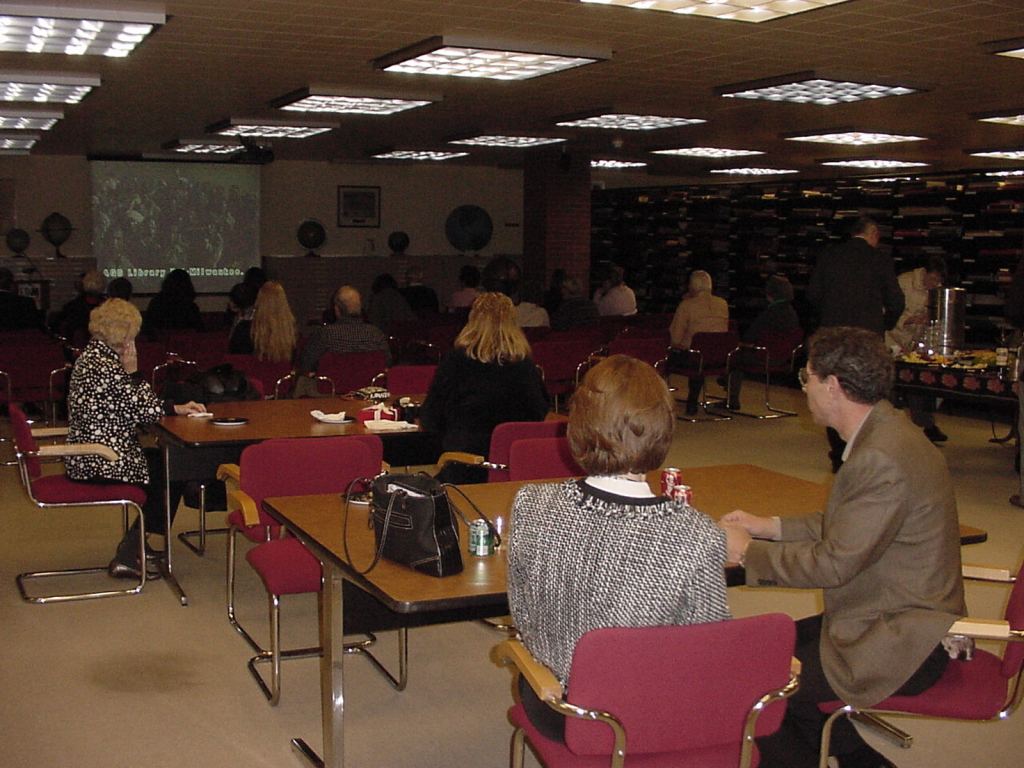
Looking back: Graduate Student Thesis Exhibition held in the AGS Library 2004
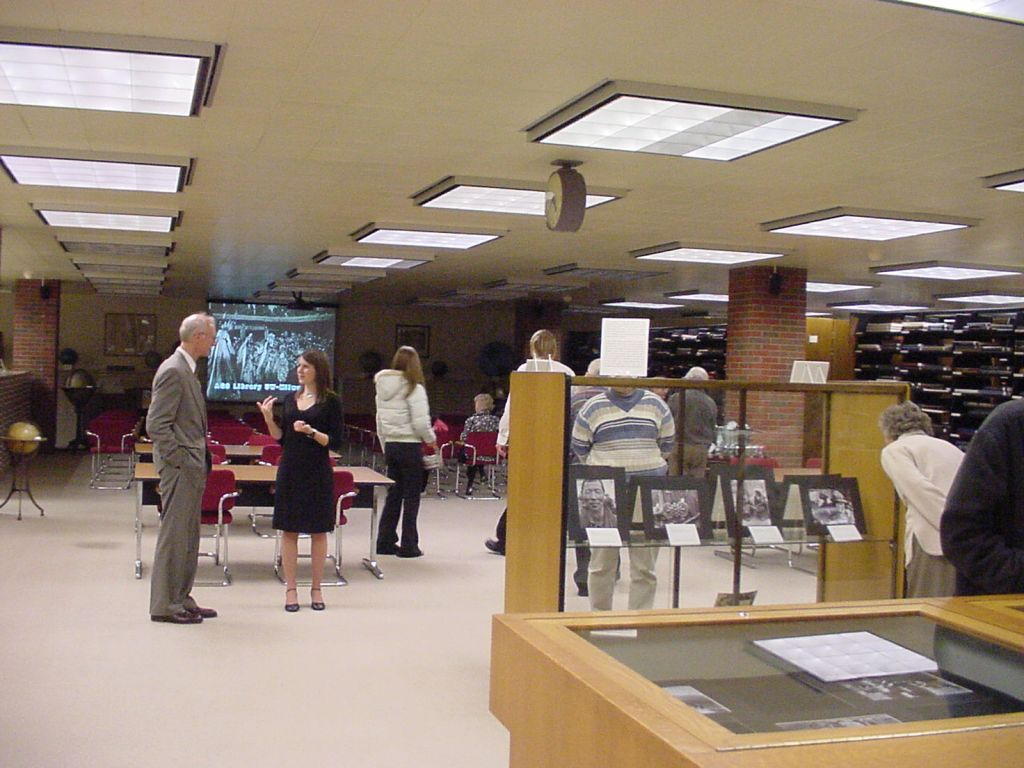
The AGS Library had the honor of providing space for a graduate student to host her senior art exhibit on the 3rd floor of the east wing of the Gold Meir Library.
In December of 2004, UWM graduate student Beth Carlson hosted an exhibit of photographs at the AGS Library. Her exhibit, titled: “Travel Photography and the Western Image of Tibet: The Work of Harrison Forman” featured prints and negatives preserved at the AGS Library by Harrison Forman, often described by his peers as the Modern Day Marco Polo.
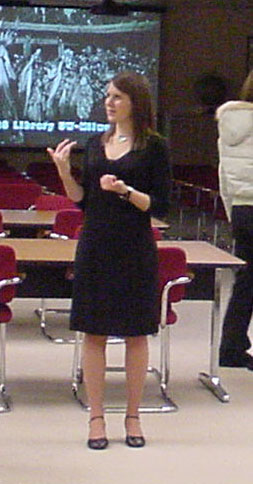
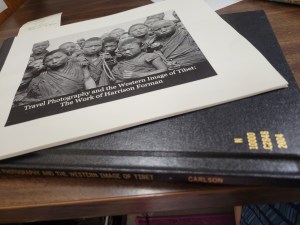
The exhibit was part of Carlson’s Masters of Arts in Art History degree at the University of Wisconsin Milwaukee. Her exhibit catalog, and thesis analyzed 40 of Forman’s 1930s travel photographs of Tibet and compared them to other images of the Far East by Western photographers. The AGS Library proved to be a lovely space to host Carlson’s exhibit that included a reception, a slide show and a brief lecture.
The exhibit included photographs, books, maps, scrapbooks, and graphic novels featuring Harrison Forman.
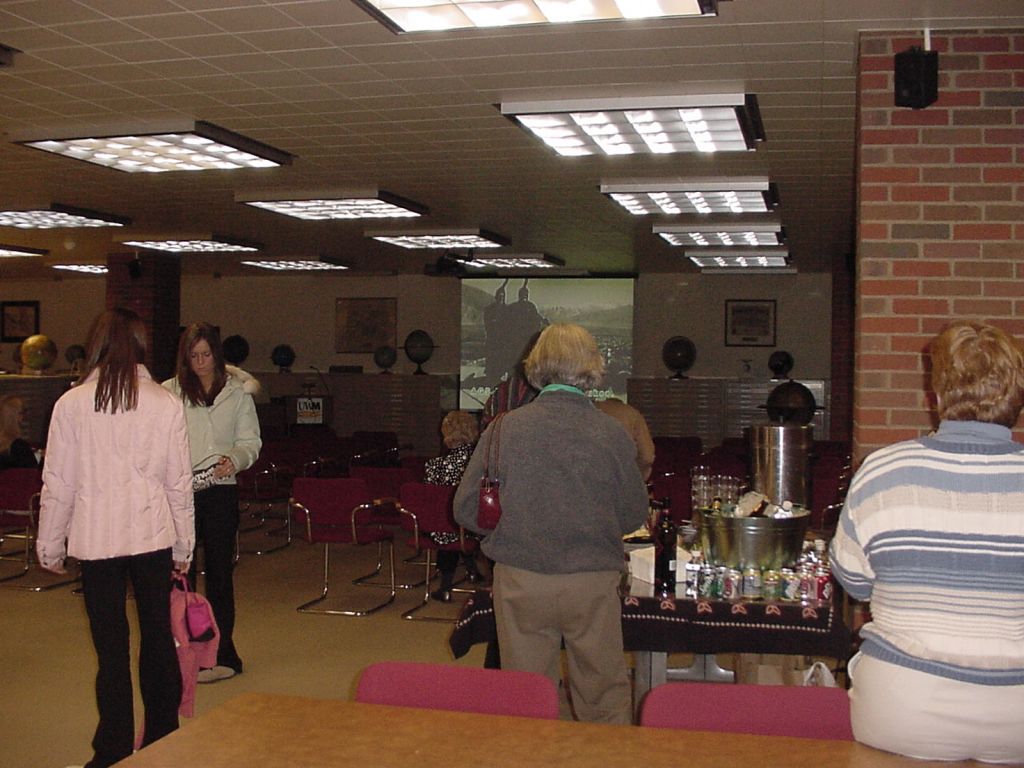
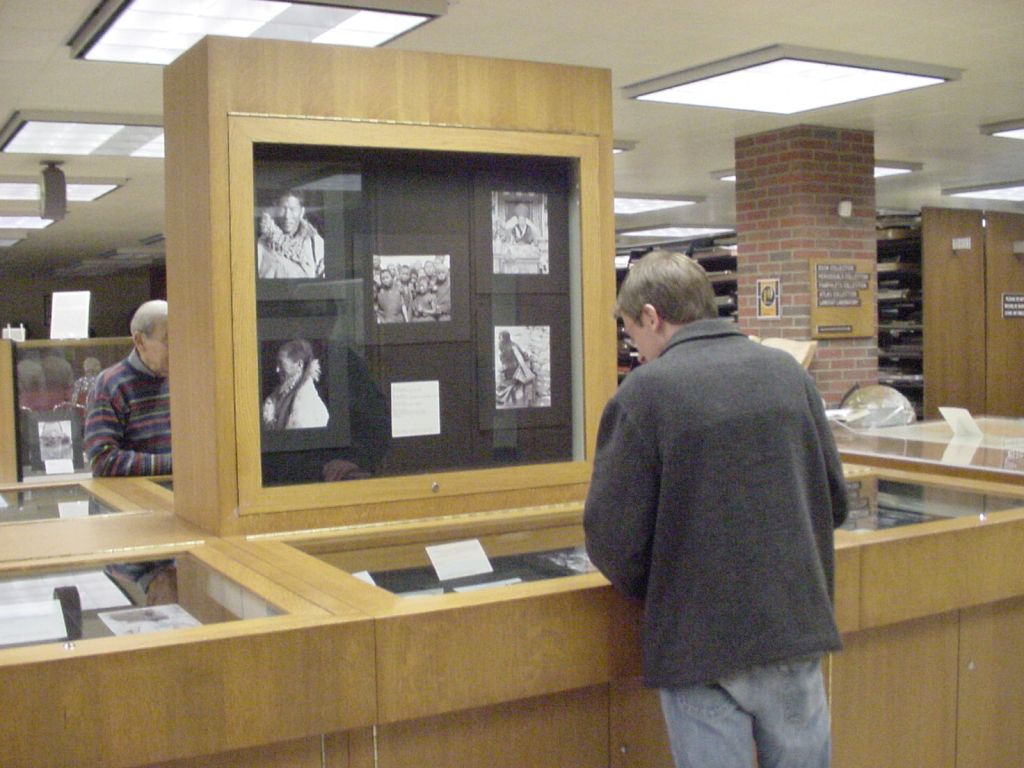
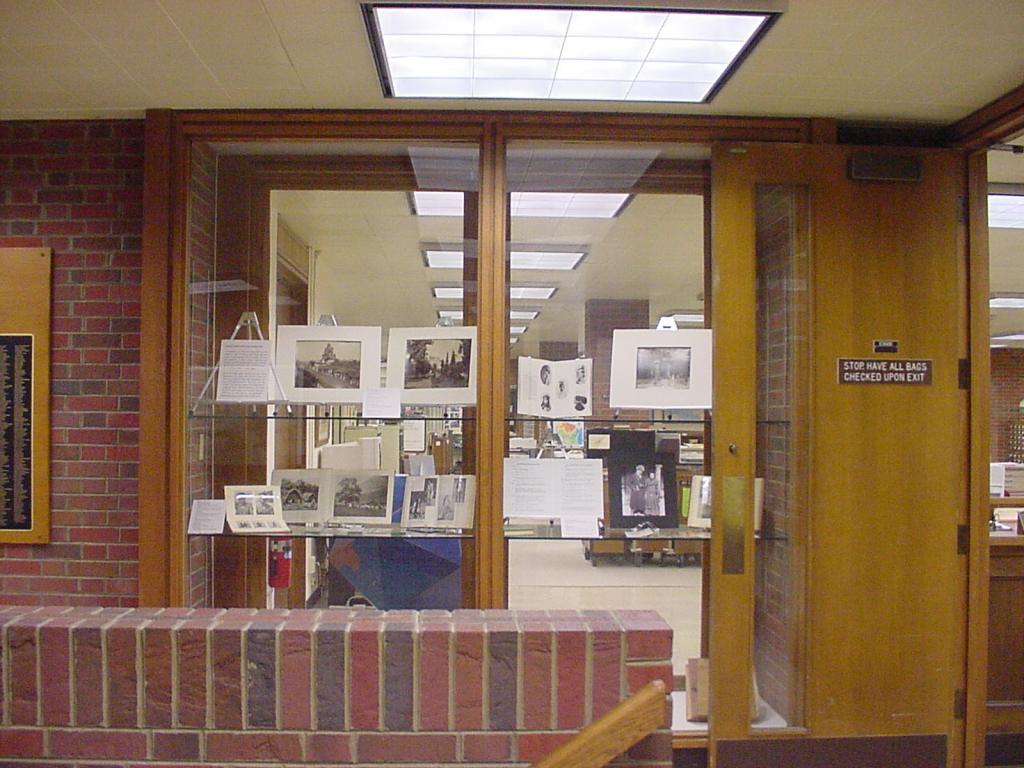
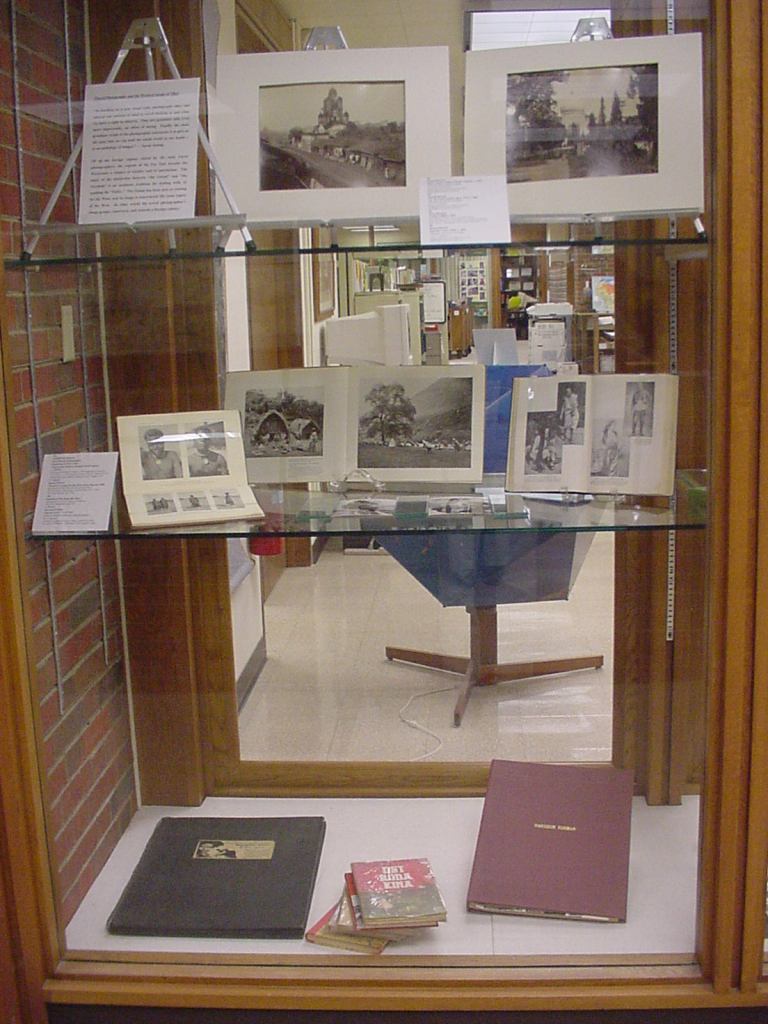
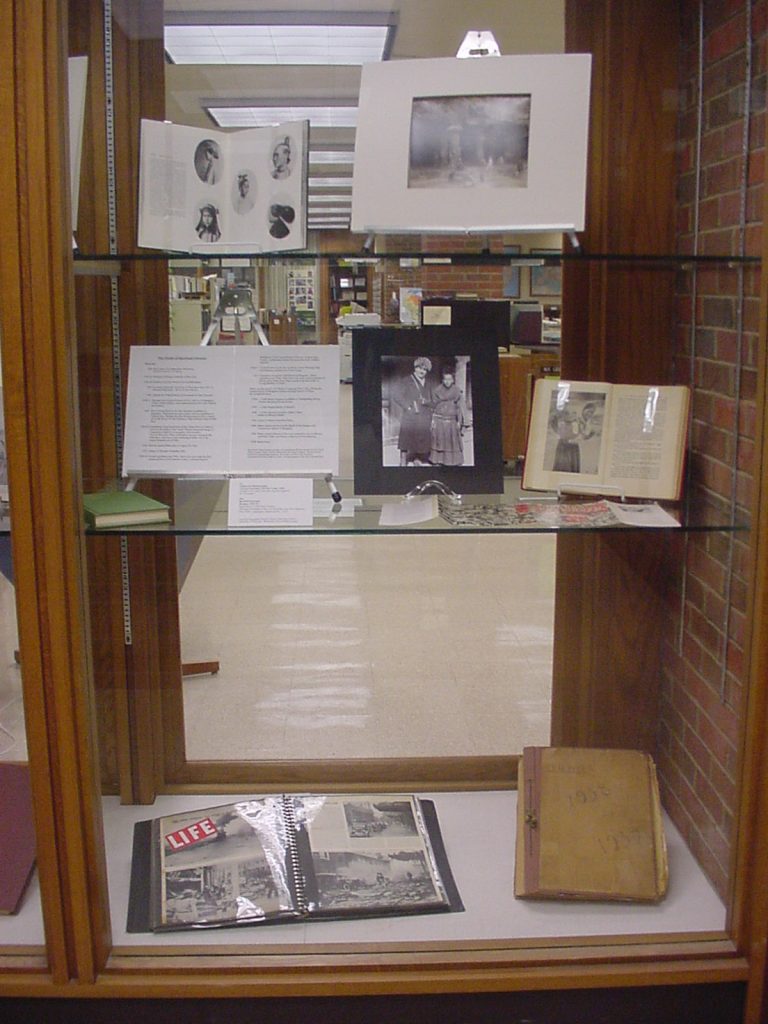
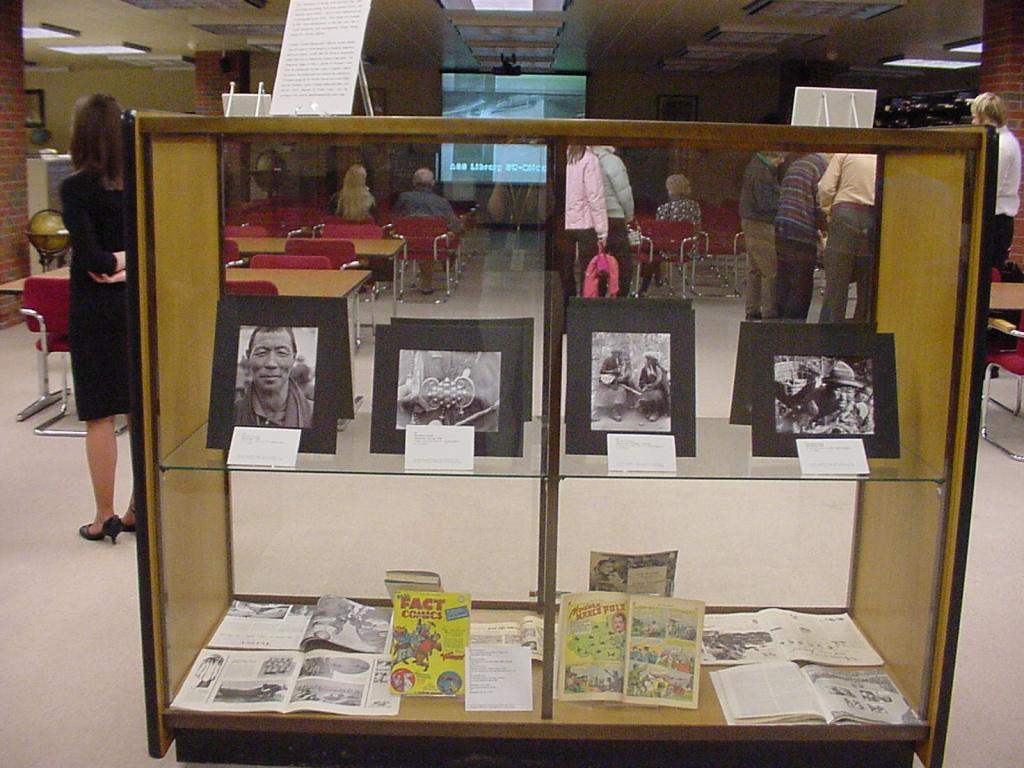
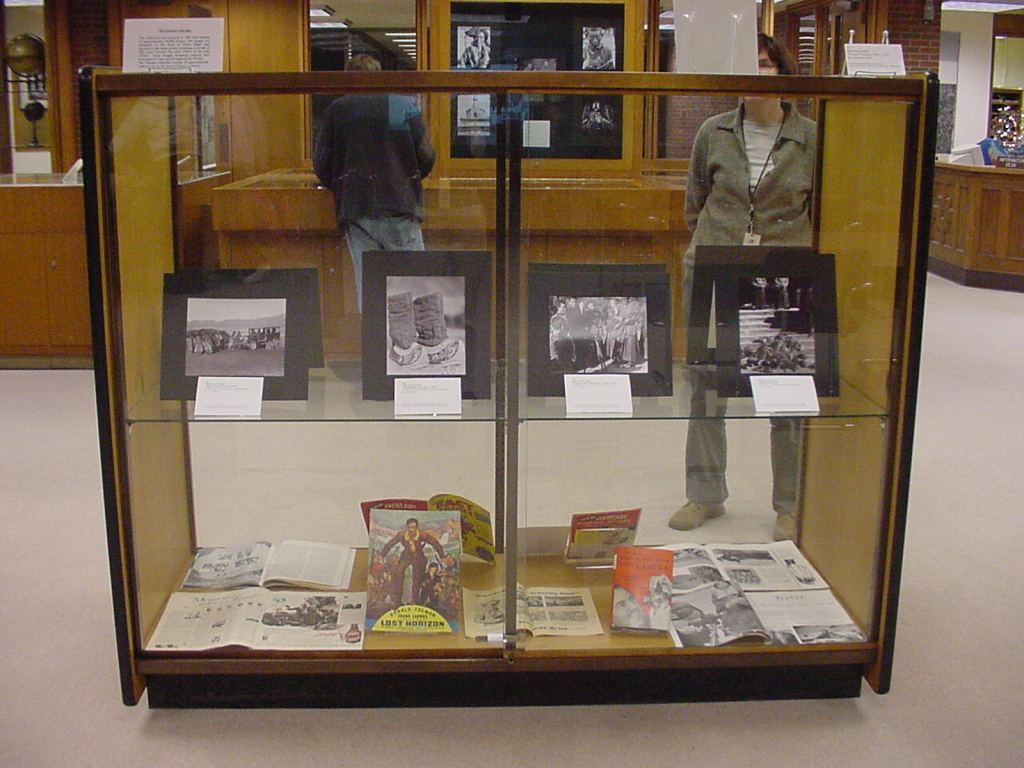
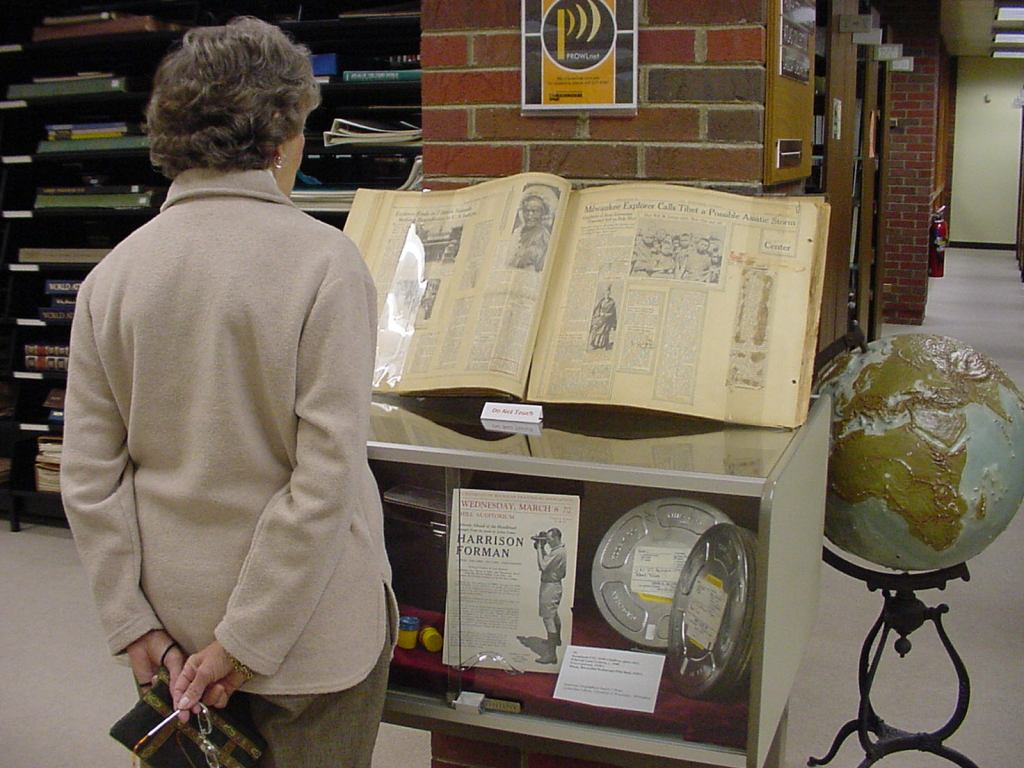
Harrison Forman was a Milwaukee native who graduated from the University of Wisconsin in 1929. He later worked as a foreign correspondent in the Far East for the New York Times, London Times and the National Broadcasting Company. Forman was an avid lecturer on international relations and became a Fellow of the American Geographical Society, Explorers Club, Circumnavigators Club and the Overseas Press. Forman died in 1978 and his photos were donated to the AGS Library by his wife, Sandra Carlyle Forman in 1987.
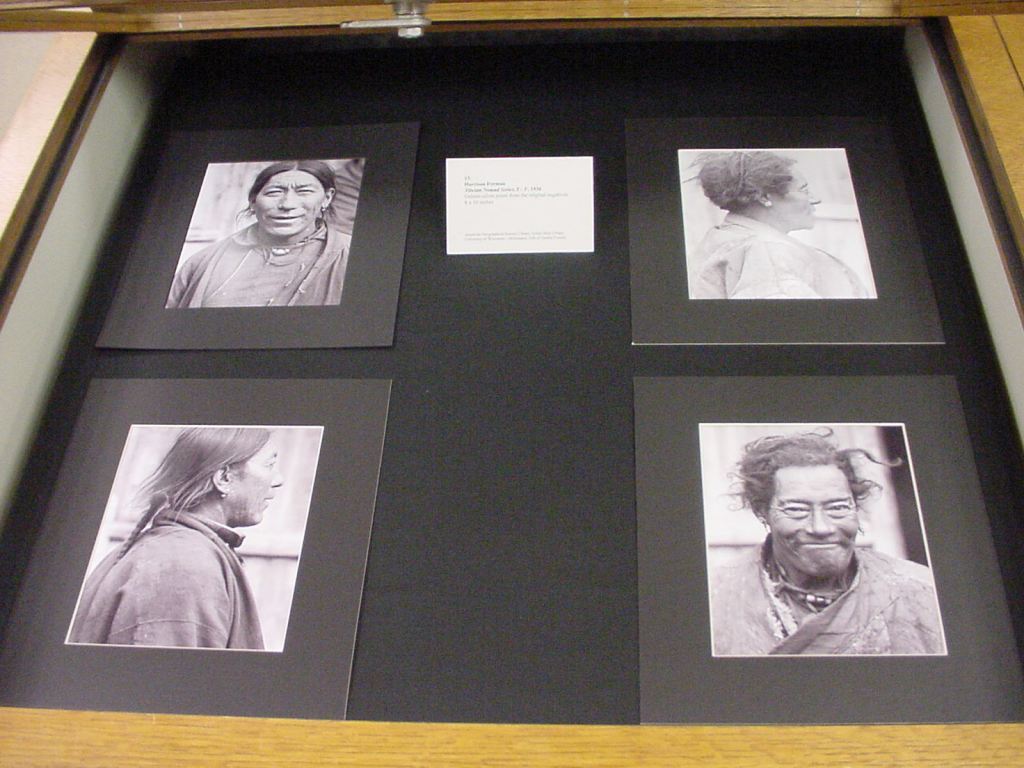
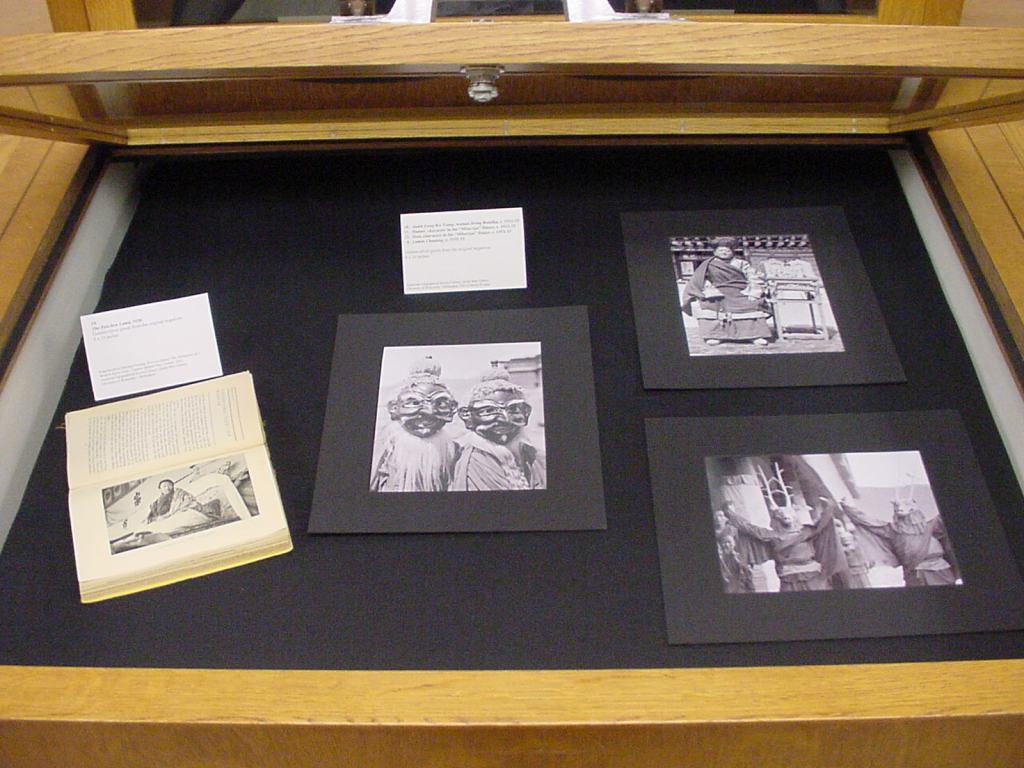
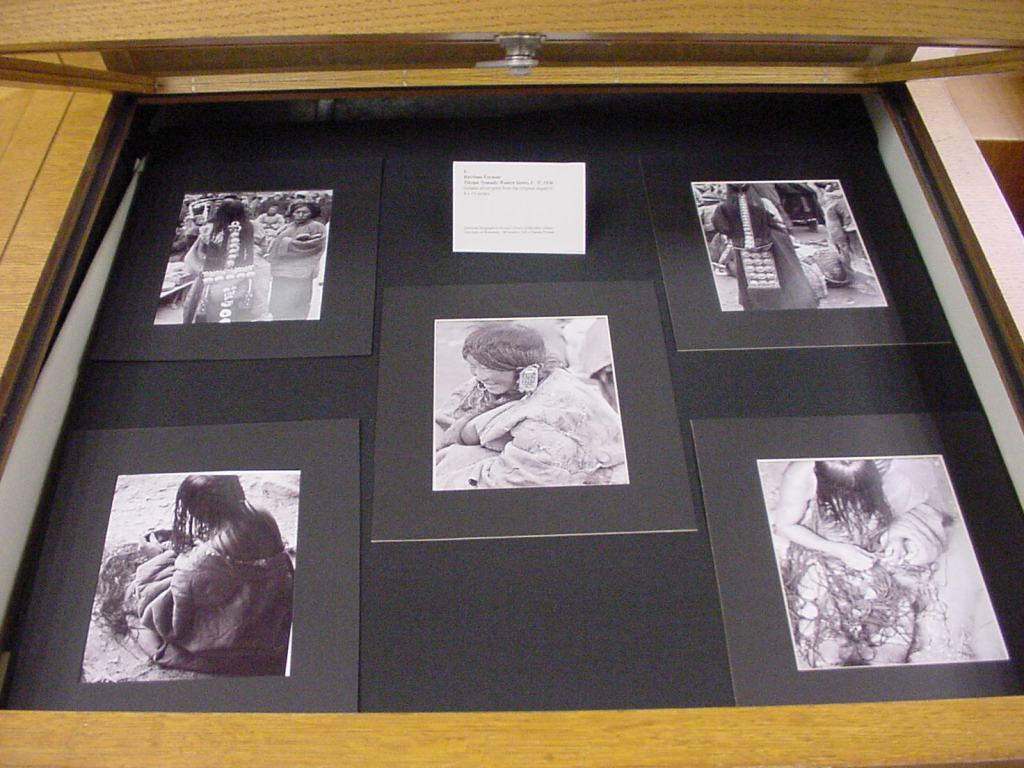
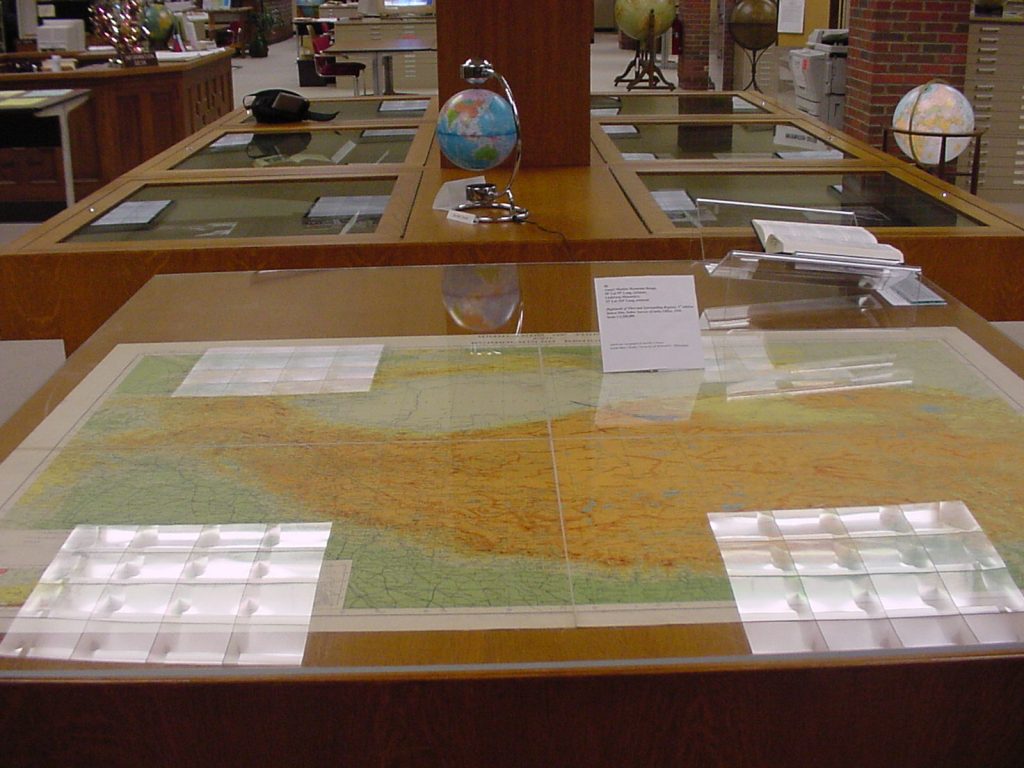
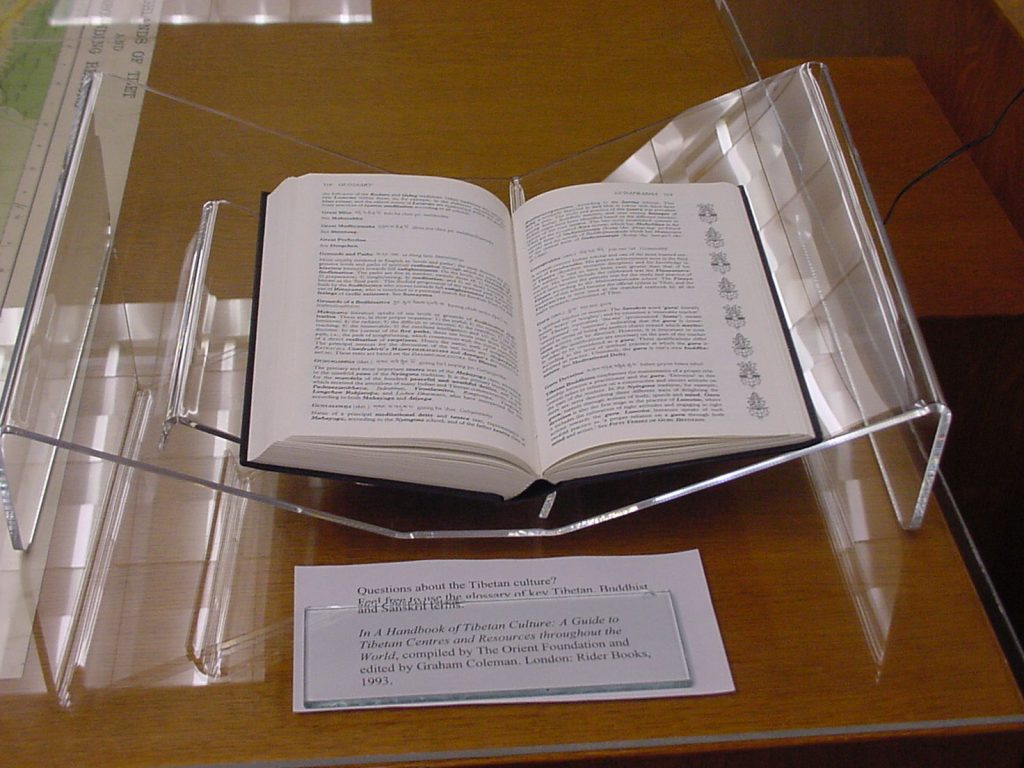
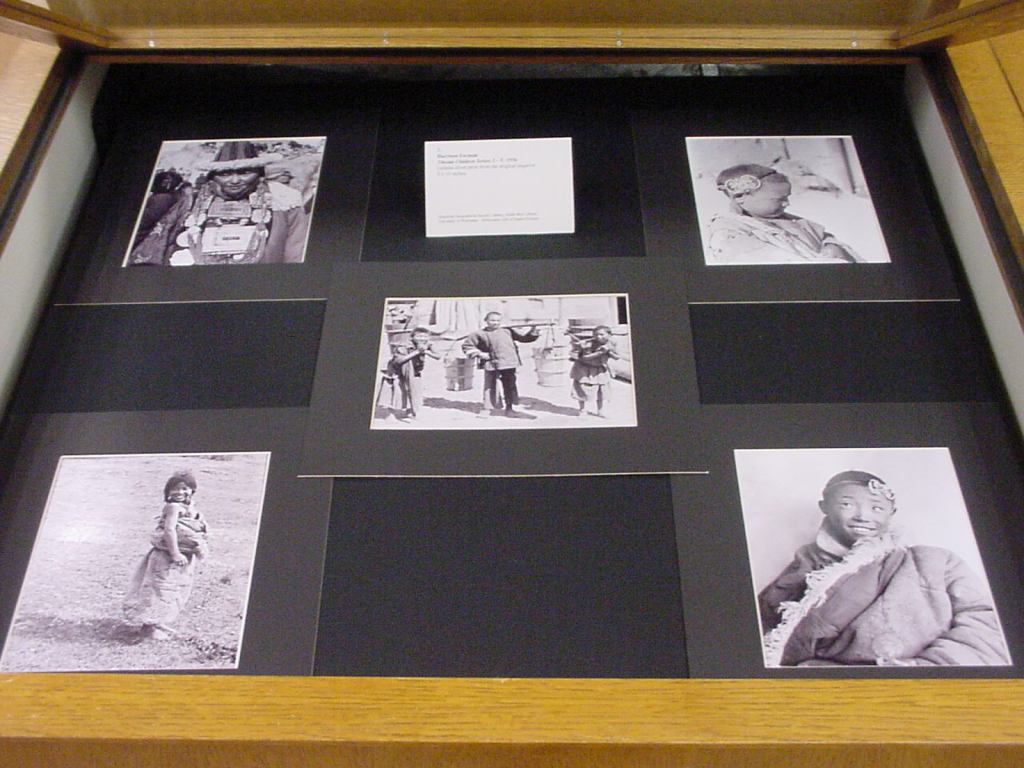
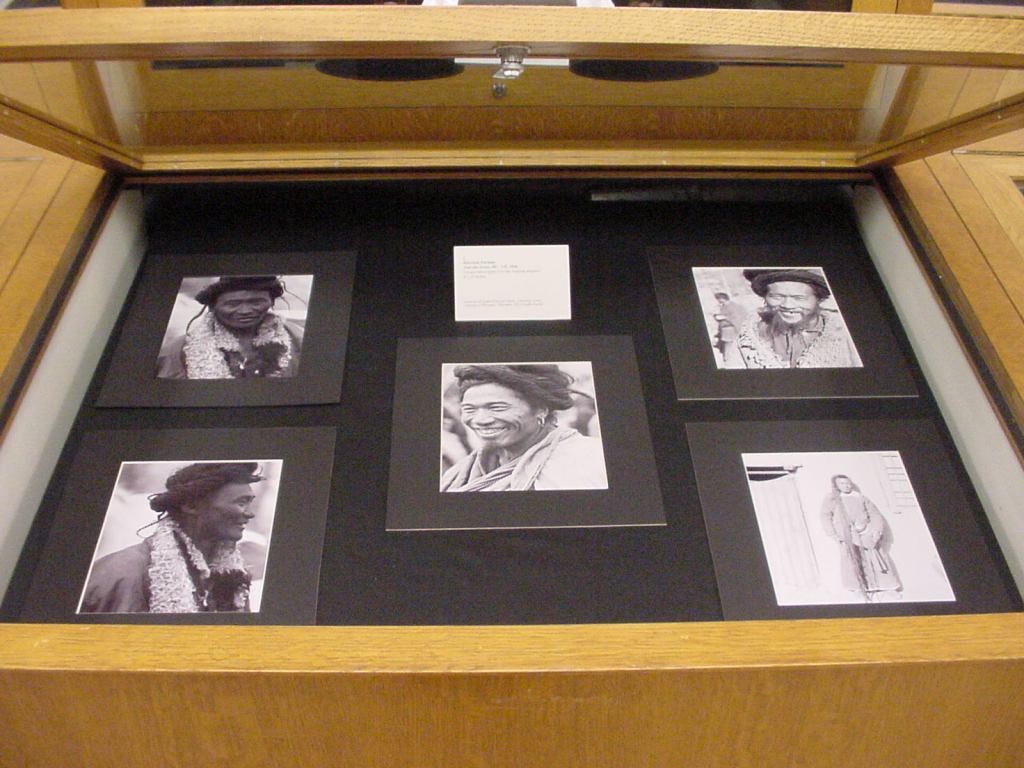
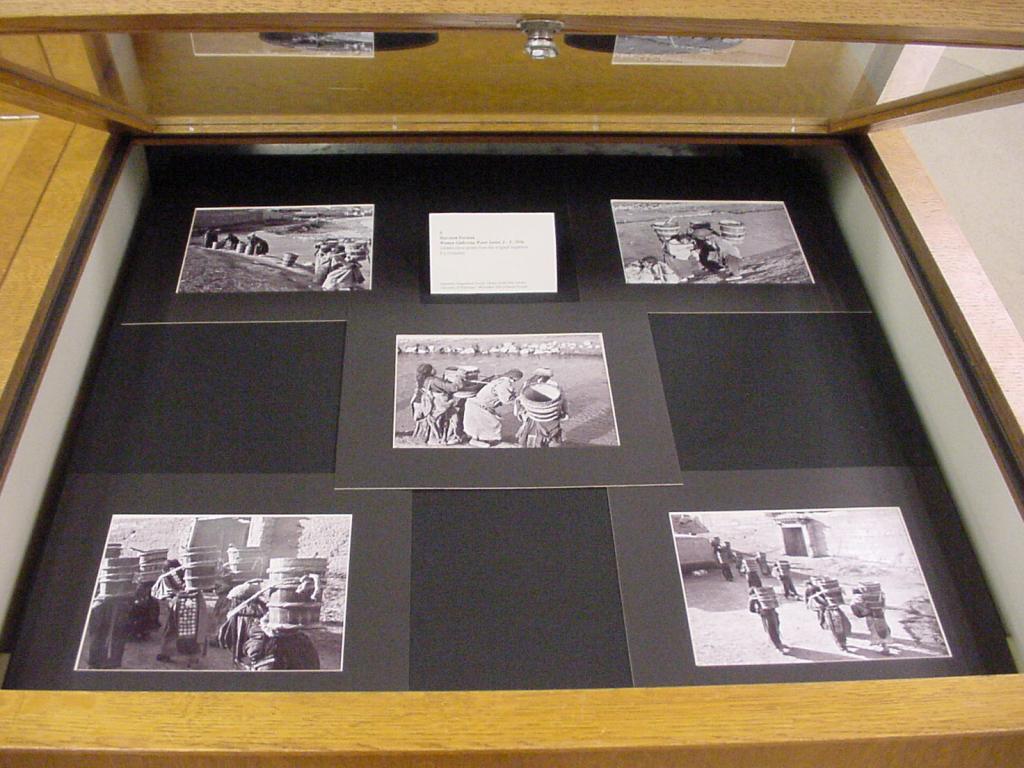

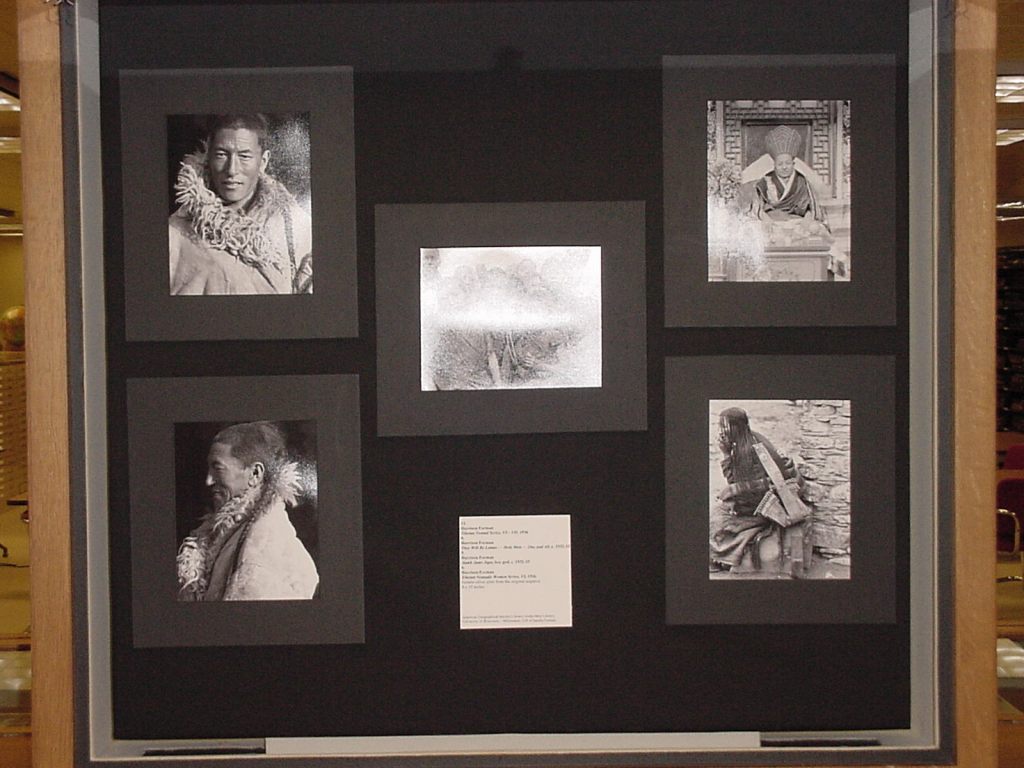
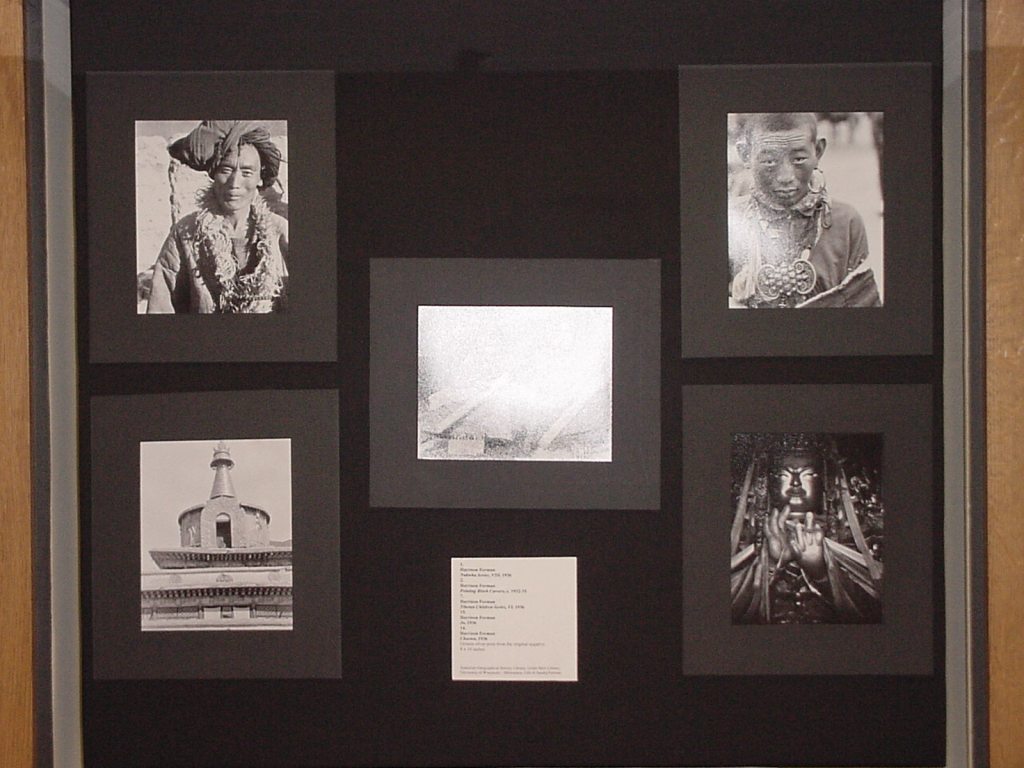
At the time of Beth Carlson’s senior exhibition, the AGS Library didn’t have a full time librarian dedicated the photograph collections. In 2006, Susan Peschel was promoted to the role of Visual Resources Librarian. The Forman collection has since been process and described and is available through the UWM Libraries digital collections.
Harrison Forman in the Asia Middle East Collection
While in the field, Forman maintained diaries containing information directly relevant to his photography. Those diaries are online here: Harrison Forman diaries
The inspiration for this post came up when Map Librarian, Angie Cope, met a library employee studying Art History at UWM. Angie wanted to show the student the beautiful exhibit that was held in the AGSL. However, the timing couldn’t be better to recognize this exhibit NOW because this year also represents the actual completion of organizing a collection. The entire Harrison Forman collection has been processed, scanned and put online in the UW Milwaukee digital collections! That’s amazing! You can read about it here: https://uwm.edu/lib-collections/harrison-forman/?fbclid=IwAR0-1ORMMHoowf276YPLEm5lcYyCclxFyEgLwc98wpWsrk_O6pSbz_g67DI
Tragedy On Deck of the USS Augusta: First American Military Casualty of World War II
By Susan Dykes
On August 20, 1937, the crew of the USS Augusta which was docked in Shanghai, China were gathering for a morale-boosting movie on deck. Their night of entertainment, however, turned into a devastating incident which would become a significant moment in World War II history.
In the midst of one of the fiercest battles between Japanese and Chinese forces, the USS Augusta reached Shanghai just days before the incident on ‘Bloody Saturday,’ August 14, 1937. Though the United States had not officially entered the war at the time, the ship and crew were tasked to protect and help evacuate American and European citizens from the escalating danger in the international settlements of the Bund – the central business district of Shanghai. Marines from the USS Augusta were joined by those from the USS Sacramento to also protect Shanghai’s power plant, an operation that put the sailors directly in the line of fire.
The USS Augusta was thought to be secure on the night of the on-deck movie, despite the ship being surrounded by fighting and the presence of Japanese ships anchored in the nearby Huangpu River.
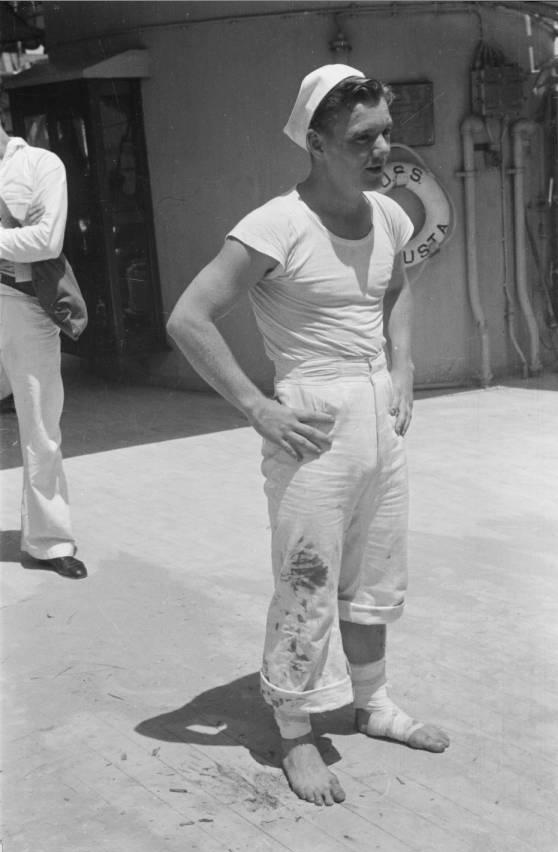
As the sailors were preparing to watch the movie with screen and benches brought from below, an anti-aircraft shell landed on deck sending shrapnel into the crowd taking the life of 1st Class Seaman Freddie John Falgout and injuring eighteen other sailors. Falgout, a native of Raceland, Louisiana, was about to celebrate his 21st birthday the next day. News of the incident quickly reached the United States, appearing in major newspapers and on the cover of the New York Times.
American Geographical Society Library staff discovered rare images of the aftermath of the incident in the AGSL Photographic Collections. The images, showing injured sailors and the deck where the shell hit, were taken by Harrison Forman and are available online in the UWM Digital Collections.
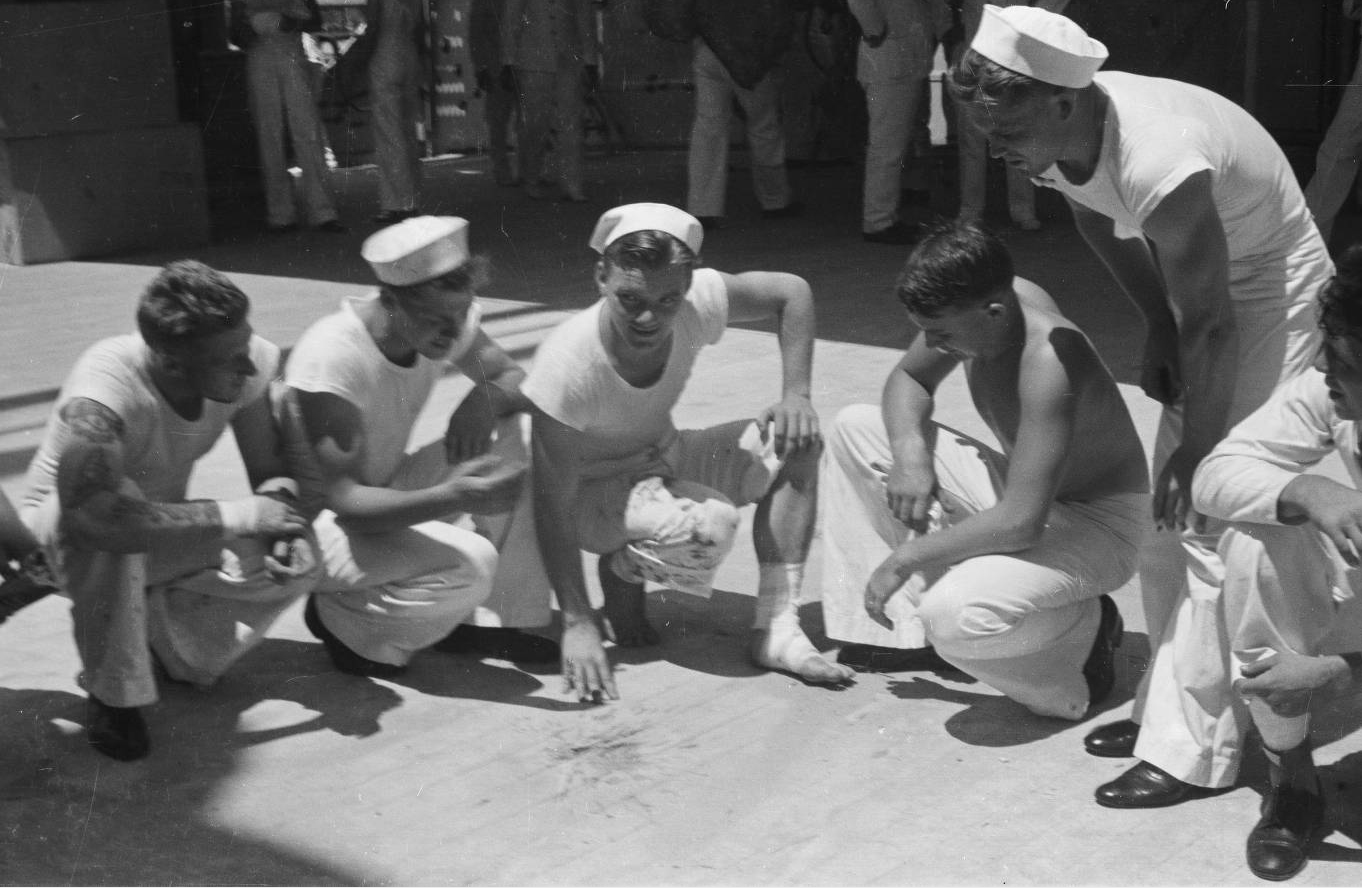
Link: http://collections.lib.uwm.edu/cdm/ref/collection/agsphoto/id/12595
Link: http://collections.lib.uwm.edu/cdm/ref/collection/agsphoto/id/12599
The Battle of Shanghai lasted months, eventually resulting in the Japanese occupation of Shanghai. It was considered one of many military battles that led to World War II, thereby making Falgout the first American military casualty of the war. In 1987, Senator J. Bennett Johnston, Jr (D) from Louisiana, honored Falgout as such, submitting an article about the incident from the Sacramento Union, which was printed in the Congressional Record.
View all images of the USS Augusta http://collections.lib.uwm.edu/cdm/search/searchterm/forman%20augusta/field/all/mode/all/conn/and/order/title/ad/asc/cosuppress/0
The Harrison Forman Photo Collection
By Susan Dykes
I was recently asked what my favorite image is in the Harrison Forman Collection. Having become intimately familiar with tens of thousands of images Harrison Forman took, it was an overwhelming and almost impossible request to say the least. There are so many! Harrison Forman, photojournalist and adventurer, travelled the world from the 1930s through the 1970s. He was prolific, wielding his camera to capture major historical events, and the economies, infrastructures, politics, societies, educational systems, and cultures of the places he visited.
By far my favorite kinds of images Forman took are of the people living in many of these places, asking them to take a moment from their daily lives practicing their trades, spending time with their families, and simply enjoying life, to pose for a photo. Of the thousands of portraits and group photos he took, I found those of the Berber people living in the Atlas Mountains in Morocco among the most striking and beautiful in the collection.
My favorite image, taken in the 1960s, shows a Berber woman in the foreground, eyes closed, wearing a delicate lace veil and coin jewelry, two Berber men behind her in traditional clothing wearing turbans, and another man in the background, photo bombing the shot.
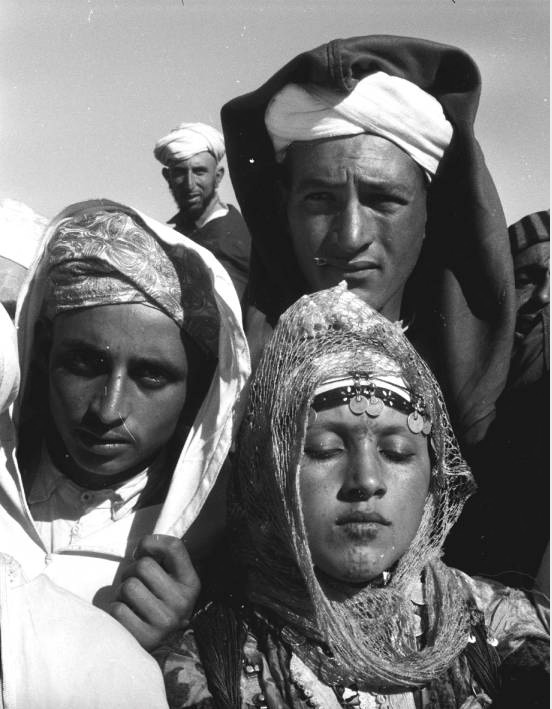
There’s something very serene about the woman. Perhaps she just blinked, but I choose to think she was soaking up the sun on her face and possibly the moment. The two men, eager to be a part of the photograph, looking directly at the camera and the man in the back with a look of wonder, curious about the activity.
Forman’s enthusiasm about documenting people and cultures outside of the Western world is evident in this photograph. He wanted to share the beauty of people in places unfamiliar to us at the time of his work, which in an historical context, makes a much richer scholarly endeavor today.
While this image is in black and white, as well as the other images of the Berbers in the UWM Libraries Digital Collections online, the Harrison Forman Collection includes over 50,000 color slides that have yet to be digitized, some of which Forman took of the Berber people. It is our hope that we will be able to obtain the funding to digitize the slides in the near future and make them accessible online, in all their full color glory!
In the meantime, check out the rest of Forman’s images of the Berber people in Morocco:
http://collections.lib.uwm.edu/cdm/search/searchterm/forman%20berber/mode/all/order/nosort/page/2
And, explore images of the other people around the world Forman photographed:
http://collections.lib.uwm.edu/cdm/search/searchterm/forman%20people/order/nosort
If you have questions about the Harrison Forman Collection, or would like to know more about the color slides, please contact Susan Peschel at the American Geographical Society Library.

