Franklin Expedition
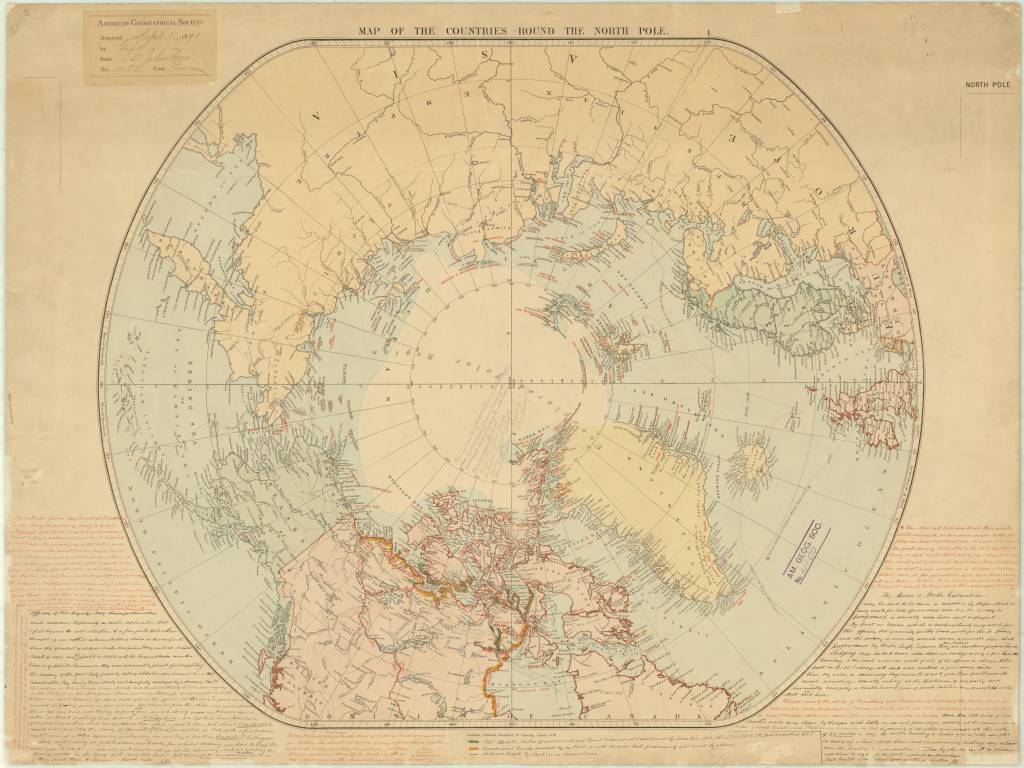
John Arrowsmith’s 1860 Arctic discoveries map
by Angie Cope
If you’re watching the AMC series “The Terror” you’ve experienced the dramatization of Sir John Franklin’s final voyage in 1845 in HMS Erebus and HMS Terror. The journey ended in tragedy for him and all his men, becoming the worst disaster in the history of British polar exploration.
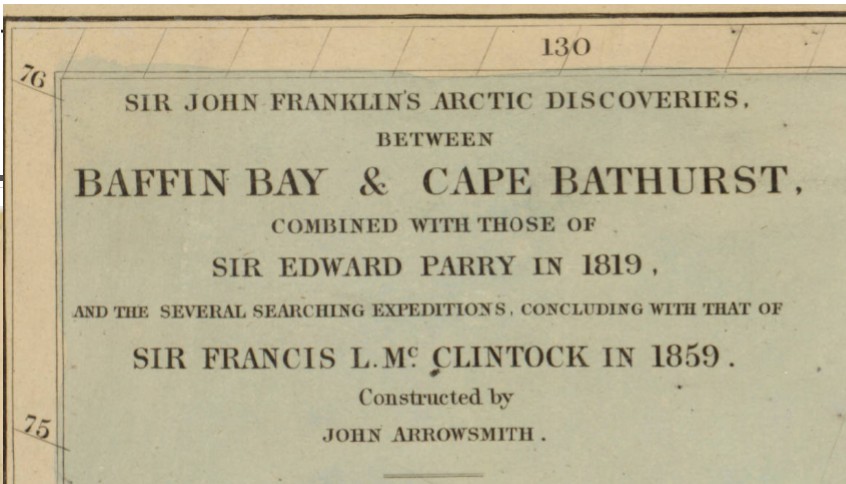
Sir John Franklin’s Arctic discoveries, between Baffin Bay & Cape Bathurst, combined with those of Sir Edward Parry in 1819, and the several searching expeditions, concluding with that of Sir Francis L. McClintock in 1859 / constructed by John Arrowsmith, 1860
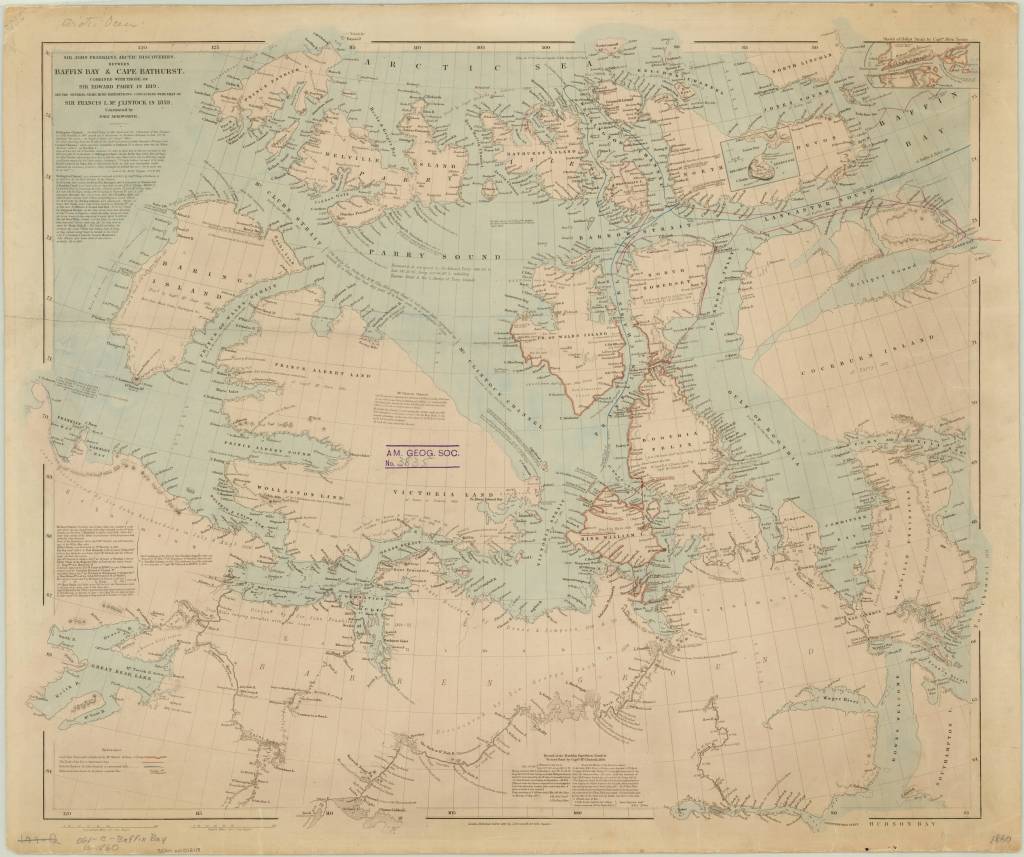
https://collections.lib.uwm.edu/…/colle…/agdm/id/21392/rec/4
From Royal Museums Greenwich:
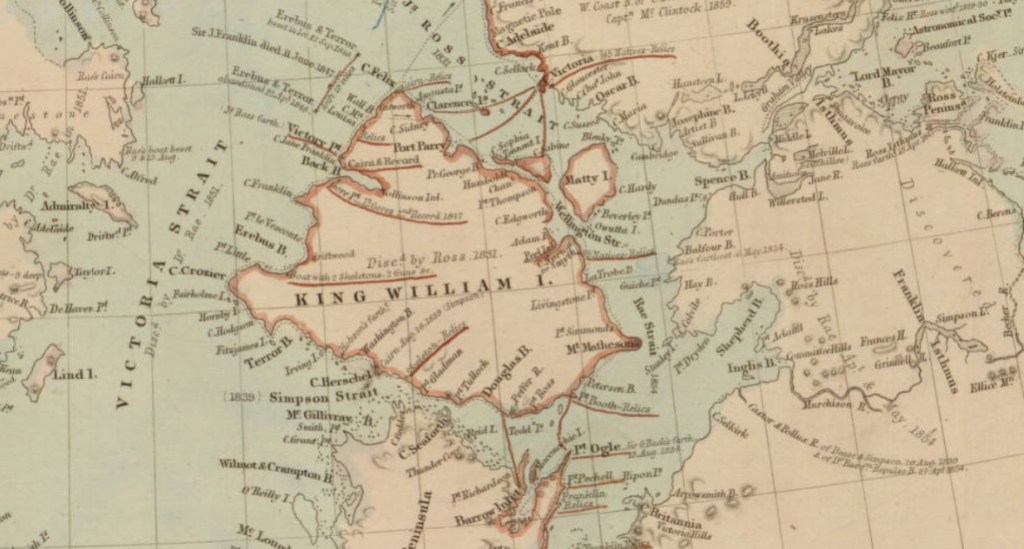
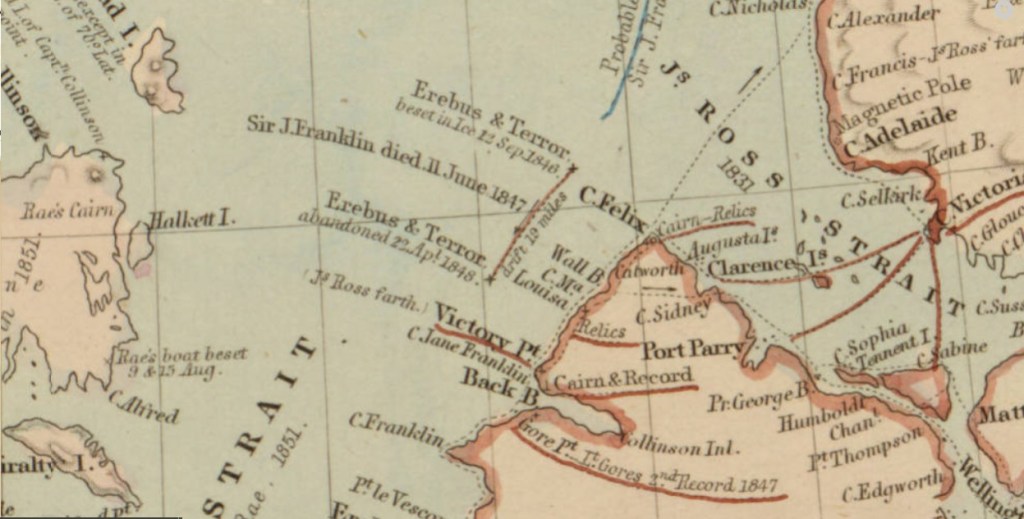
Franklin’s two naval vessels sailed up the Wellington Channel before turning south toward Beechey Island, where they would spend the winter. In the spring, they sailed south down Peel Sound but, off the northernmost point of King William Island, were trapped by the ice flow down the McClintock Channel.
In the spring of 1847, a party from the expedition travelled across the ice to Point Victory on shore and deposited a written record of their progress. It is thought they reached Cape Herschel on the south coast of the island, filling in the unexplored part of the North-West Passage. Sir John Franklin died in June that year.
Still trapped in the ice, Erebus and Terror drifted south until Captain Crozier ordered their abandonment in April 1848. Weakened by starvation and scurvy, the 105 surviving men headed south for the Great Fish River. Most died on the march along the west coast of King William Island.
To read the entire article. https://www.rmg.co.uk/…/john-franklin-final-north-west-pass….
Remembering Dr. John Rae
By Lauren Maddox
When I first began working for the AGSL and contributing to this blog, I spent a lot of time time with our polar explorers– I wrote about the Lost Franklin Expedition and the hunt to find the ship, and Dr. Elisha Kane’s affair with Margaret Fox, and about the history of the Northwest Passage. Now, as I am graduating from UWM, it seems only appropriate that I should go back to where I started: polar explorers. More specifically, I think its time to spotlight my favorite polar explorer, who has appeared in many of my posts: Dr. John Rae.
Dr. John Rae was the unsung hero in the search for the Lost Franklin Expedition– he was the first to discover what had happened in the tragic wreck that stranded Franklin and his men and report back to the British Admiralty. The discovery ruined his career; the mere suggestion that Franklin and his crew had been forced to turn to cannibalism was offensive to many, and they did not appreciate Rae’s report. It took him years to secure the reward for his crew, and they, unlike the many explorers who went searching for Franklin, were never knighted for their efforts to recover Franklin and his crew.
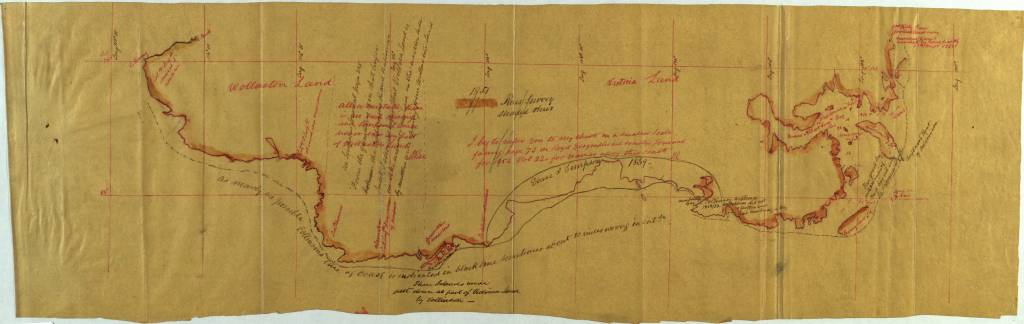
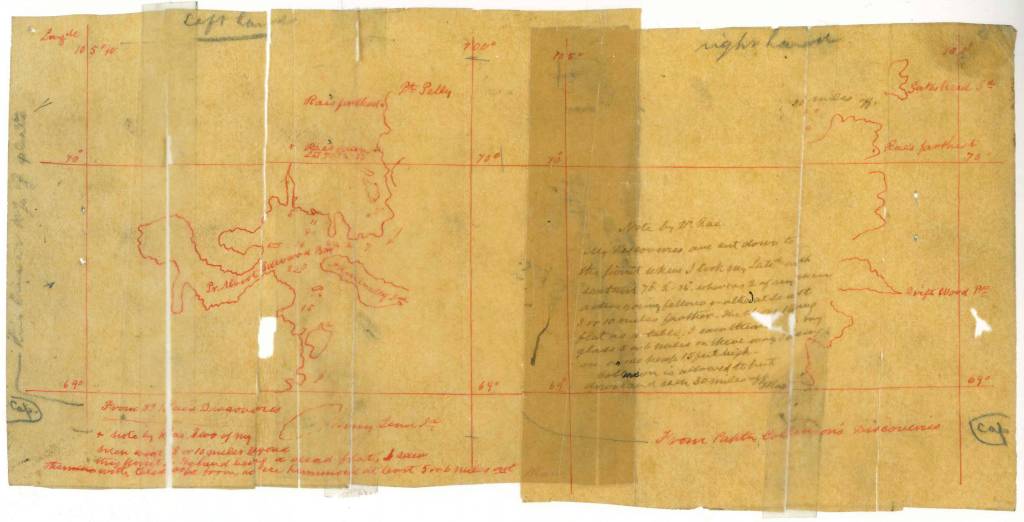
But Rae’s contributions to exploration and cartography went beyond his doomed discovery of the Franklin expedition; he was one of the greatest overland explorers of the 19th century, and has been credited with the true discovery of the Northwest Passage. More than all that, he was a great friend to the American Geographical Society.
Rae’s professional career began at the University of Edinburgh, where he studied medicine. Upon graduating, he was licensed to practice by the Royal College of Surgeons of Edinburgh, after which he signed on with the Hudson Bay Company. While posted in Moose Factory, Ontario, Rae developed many of the qualities that he would become known for as an explorer later in his career: he worked closely with his indigenous colleagues, during a time when many European explorers refused to do so, to learn survival skills and to craft his famous snow shoes. With the knowledge he gained at Moose Factory, he was able to go on long overland expeditions without being slowed down by extra supplies or crew members.
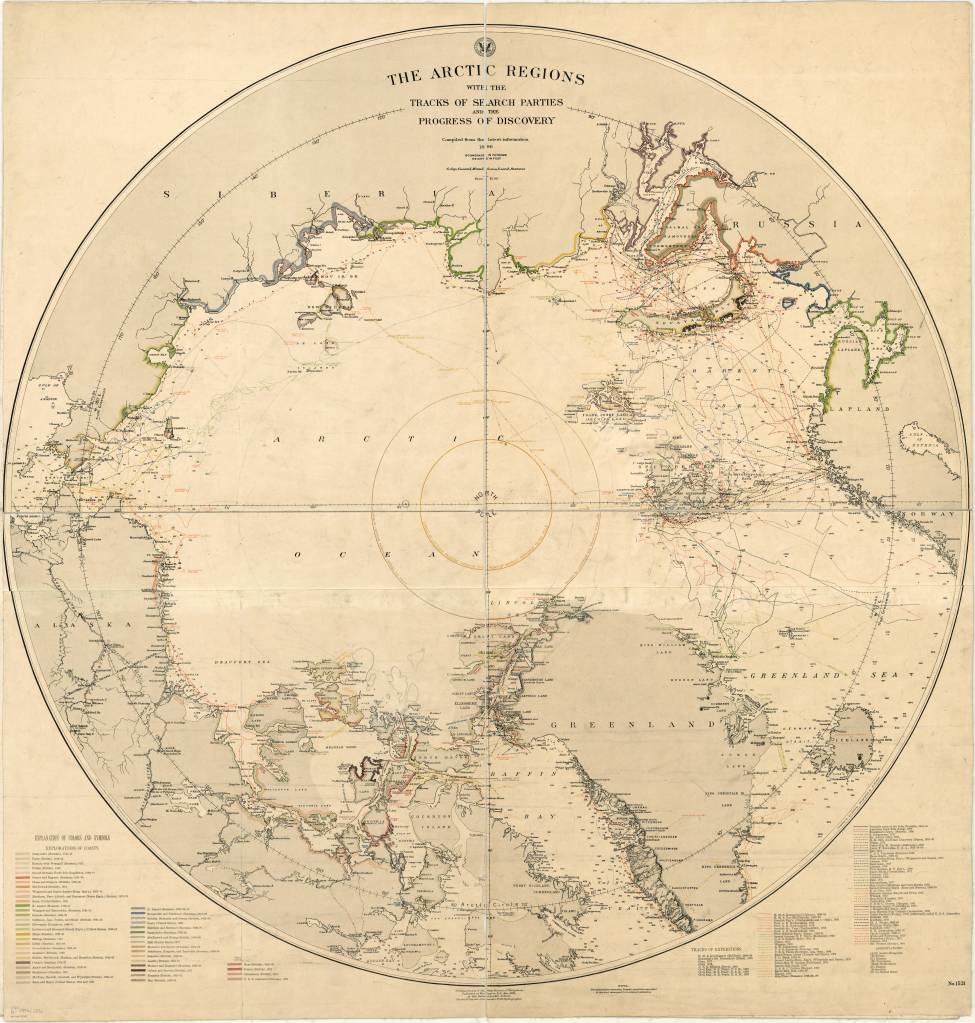
After the Moose Factory post, Rae went on a series of overland expeditions for the Hudson Bay Company. He charted miles of arctic coast, discovering unmapped terrain and recording it for map makers. Many locations were named after him, including the Rae River and the Rae Strait along the Arctic coast.
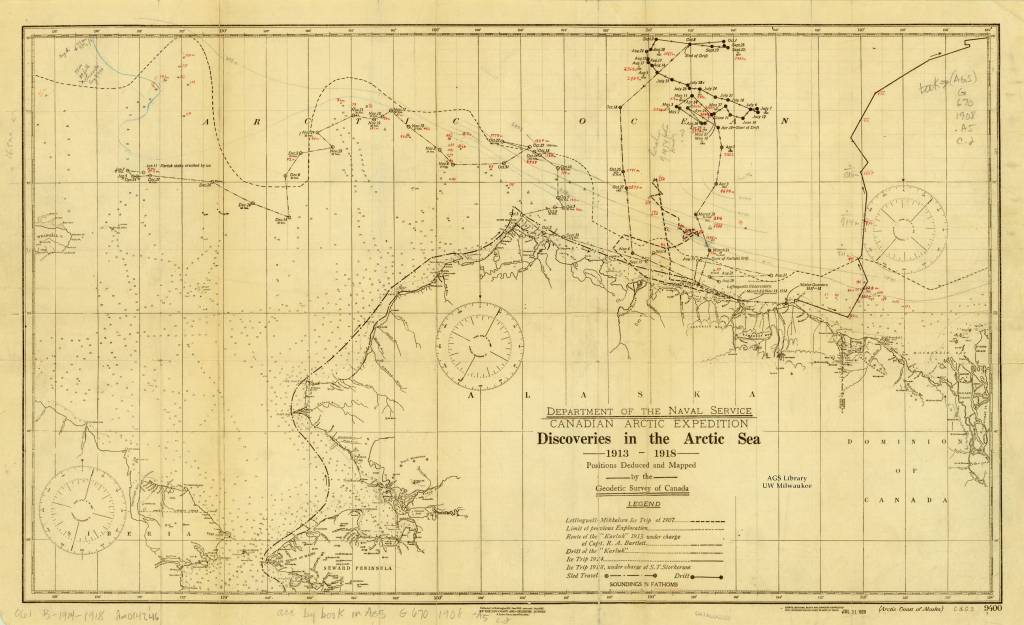
After discovering the fate of the Lost Franklin Expedition, Rae struggled for years to secure the reward money for himself and his crew. Once they had finally been paid, if not recognized or honored, for their discovery, Rae commissioned the construction of a polar exploration vessel; unfortunately, during its brief career as a cargo vessel on the Great Lakes, the Iceberg was lost on Lake Ontario and never found again– like so many other ships lost on the Great Lakes.
Rae continued to work for the Hudson Bay Company well into his 70s, exploring the Red River area to devise locations for a telegraph line from North America to Russia. At the age of 79, he passed away from an aneurysm and was buried at the St. Magnus Cathedral, where a memorial statue was erected in his honor.
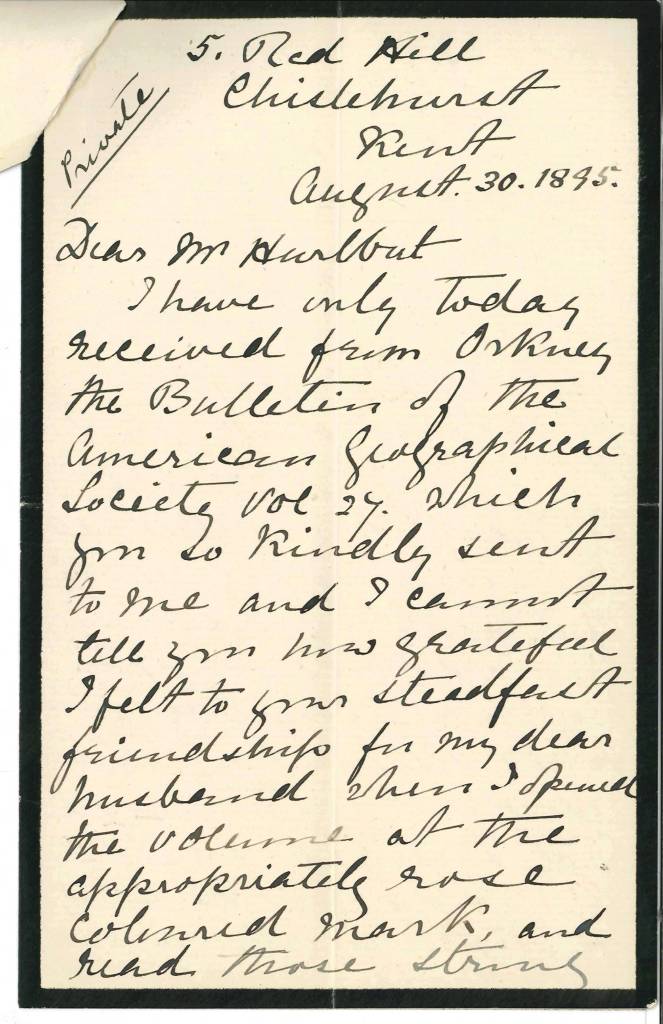
John Rae lived a full and fascinating life. Though he was never honored in his lifetime for his role in discovering the Lost Franklin Expedition, historians remember him for his many other achievements: his extensive exploration of the Arctic and the Northwest Passage; his respect for native communities and their knowledge; and his many, many contributions to the field of cartography. And personally, I will always hold an affection for John Rae, who has been my longest research-interest during my time with the AGSL.
Thank you all for reading!
The Lost Franklin Expedition and the Early Years of the AGS
By Lauren Maddox
On May 19th, 1845, John Franklin, Francis Crozier, and the crews of the HMS Terror and HMS Erebus set out from Greenhithe, England on an expedition intended to explore previously unexplored areas of the Canadian Arctic and to complete the Northwest Passage. Lady Jane Franklin, with no word from Franklin and concerned for the welfare of her husband, began petitioning the British Admiralty to begin searching for the lost expedition as soon as 1847.
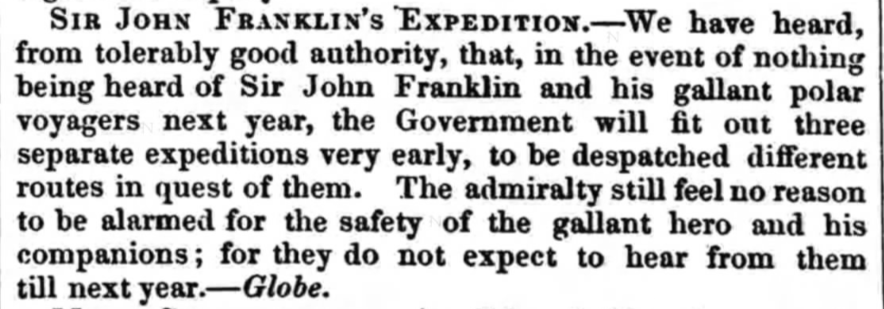
Click the link to see this excerpt From the November 13, 1847 Edition of Sheffield and Rotherham Independent
The Franklin expedition had been supplied with three years worth of canned goods to supplement the men’s hunting efforts; the British Admiralty assumed that the crew could comfortably survive another year before needing rescue. Unfortunately, the food provisioning contract had been awarded to Stephen Goldner just weeks before the Terror and Erebus set out. In his rush to fulfill the order of 8,000 cans of food, Goldner failed to check the quality of lead soldering on the tins. The food spoiled quickly, leaving the crew without proper provisions on their journey and unable to hunt once the ship was trapped in ice.
Official preparations for the rescue effort began in 1847– the Admiralty chose the three most likely routes that the Franklin expedition might have taken. The ships were likely icebound, so an overland rescue expedition would have to be arranged. Sir John Richardson, a seasoned arctic explorer who had traveled with Franklin on previous expeditions, chose a route along the Mackenzie River and the shores of Victoria Land and Wollaston Land, now Victoria Island and Wollaston Peninsula, which seemed most consistent with Franklin’s original travel plans. John Rae, another arctic explorer well-known for his prowess at safe and efficient overland travel, as well as his rapport with local indigenous peoples, was included in the rescue plans.
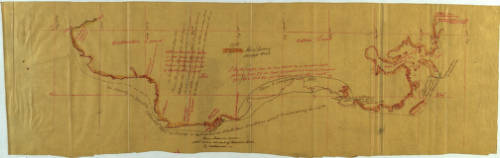
Click the link to see these Tracings of Dr. Rae’s Discoveries in the Arctic, 1851 from the AGS-NY Archives 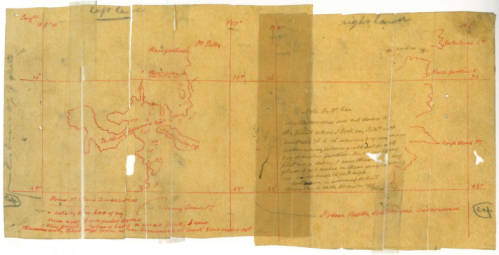
Flip Side
After travelling together overland and gathering information from locals, the men wintered in Fort Confidence; using the fort as a base of operations, Rae continued his search around the areas between the Mackenzie and Coppermine Rivers. In 1849, the two men decided that Rae would take the single boat and continue the journey on their intended route with a smaller crew of six men. Richardson returned to Liverpool on November 6, 1849. The above tracings of John Rae’s sketch maps outline his discoveries in 1851. Rae would continue charting the area and searching for signs Franklin’s lost expedition into 1854, but during this time, several other search expeditions were launched, including Henry Grinnell’s.
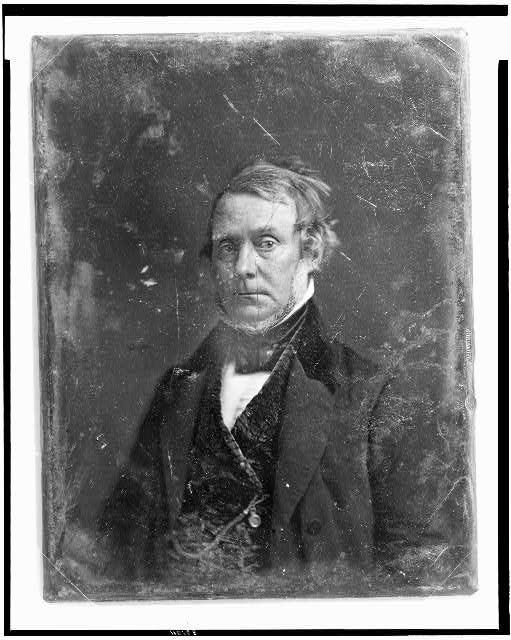
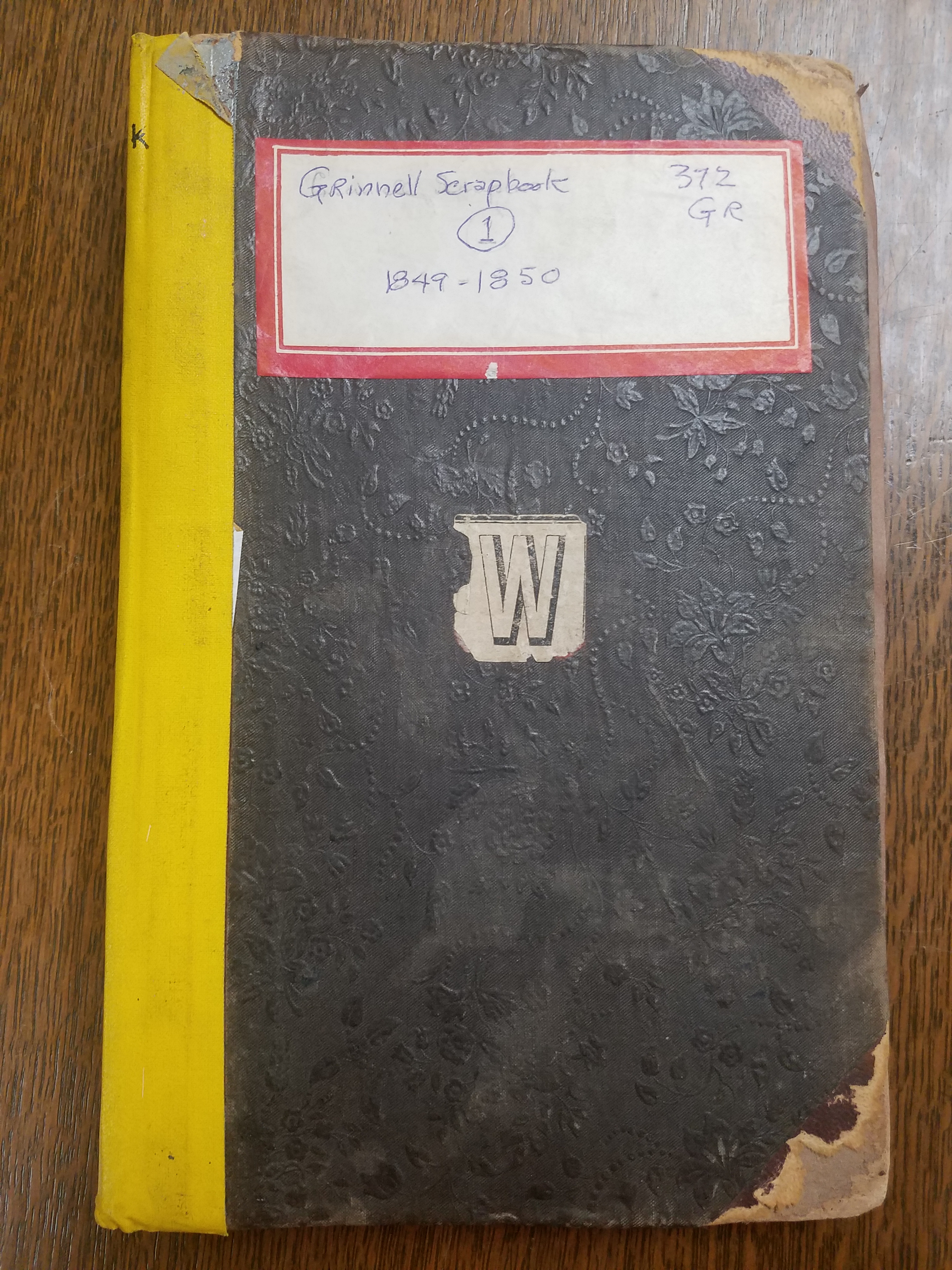
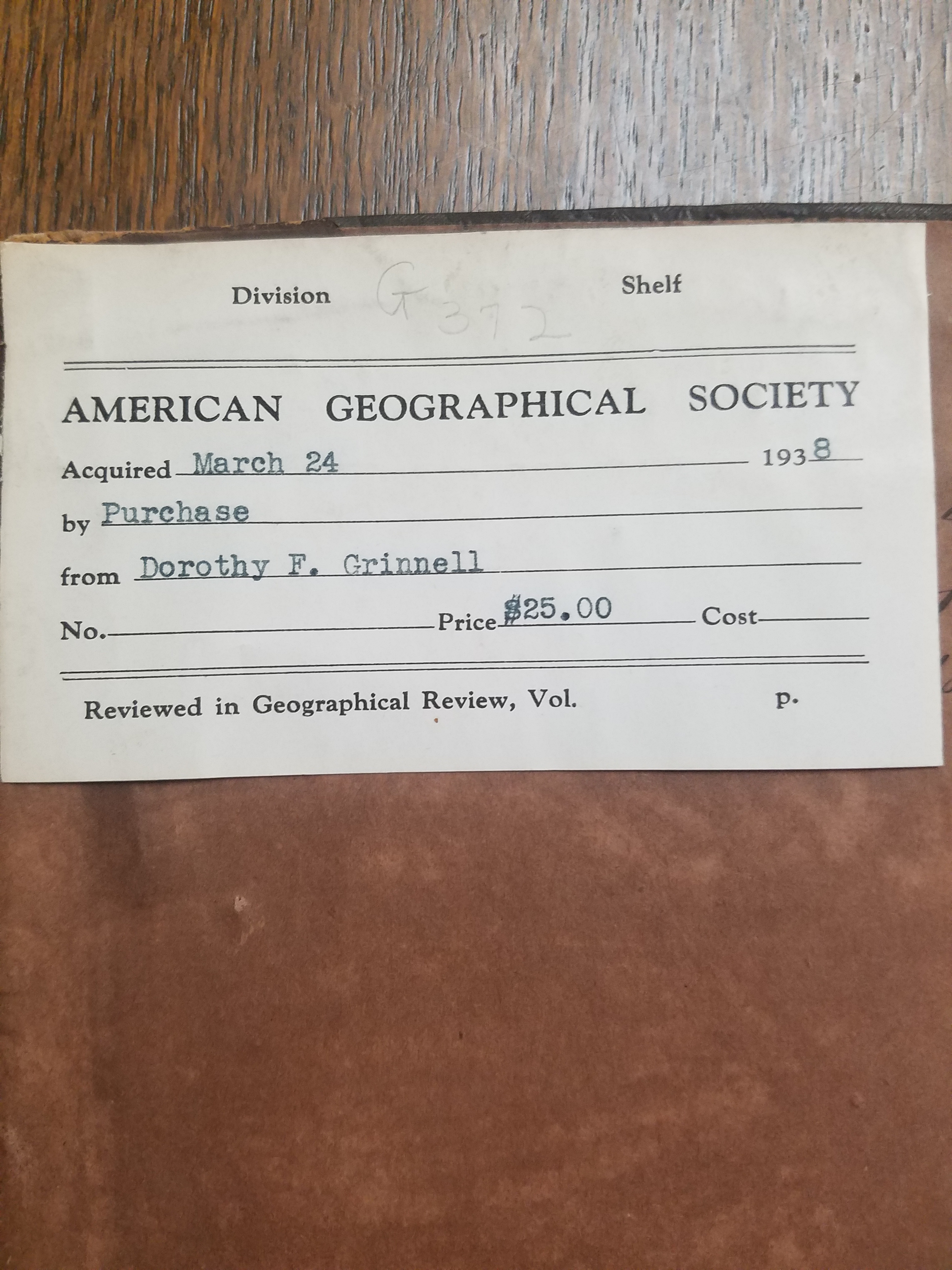
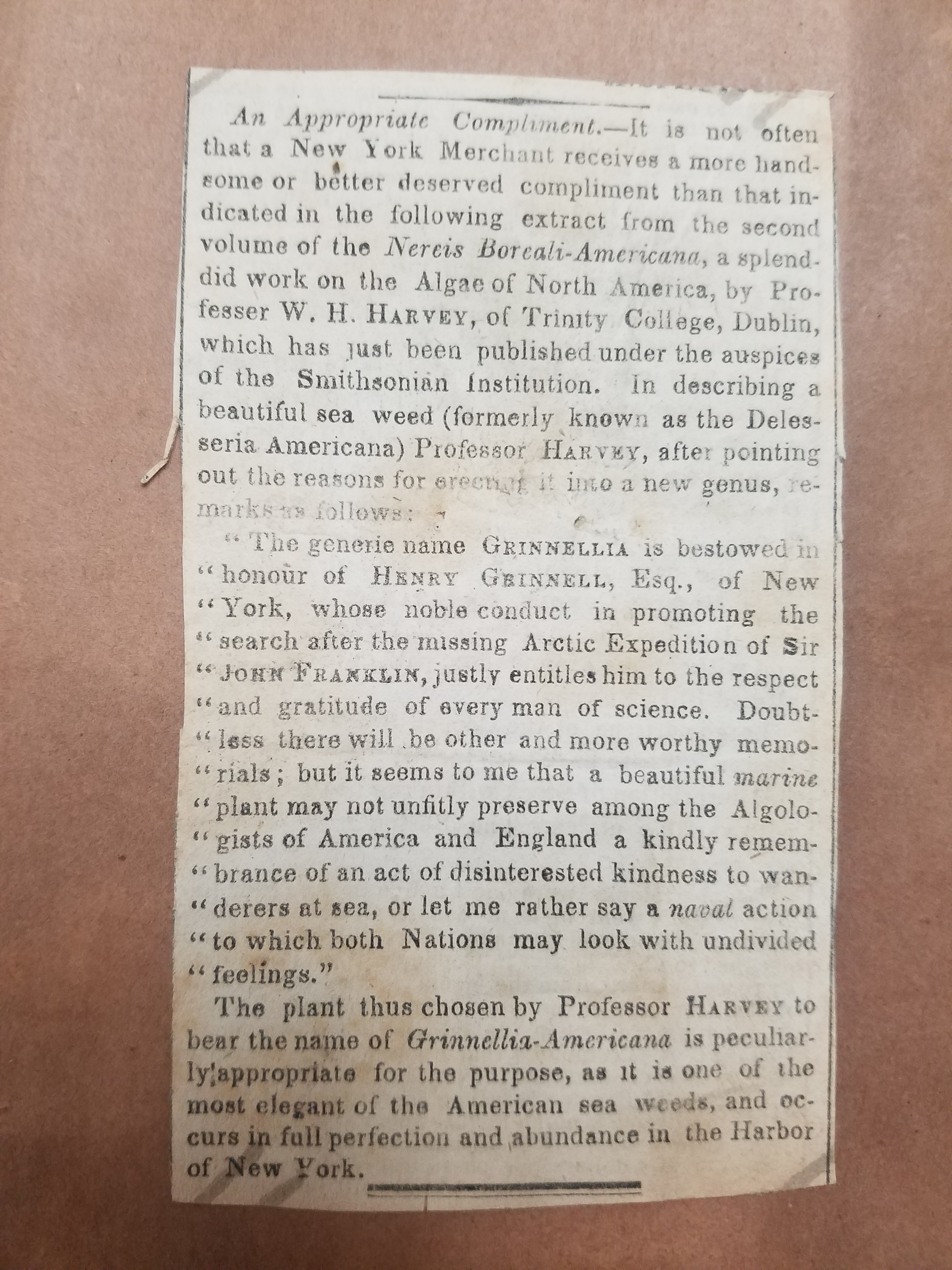
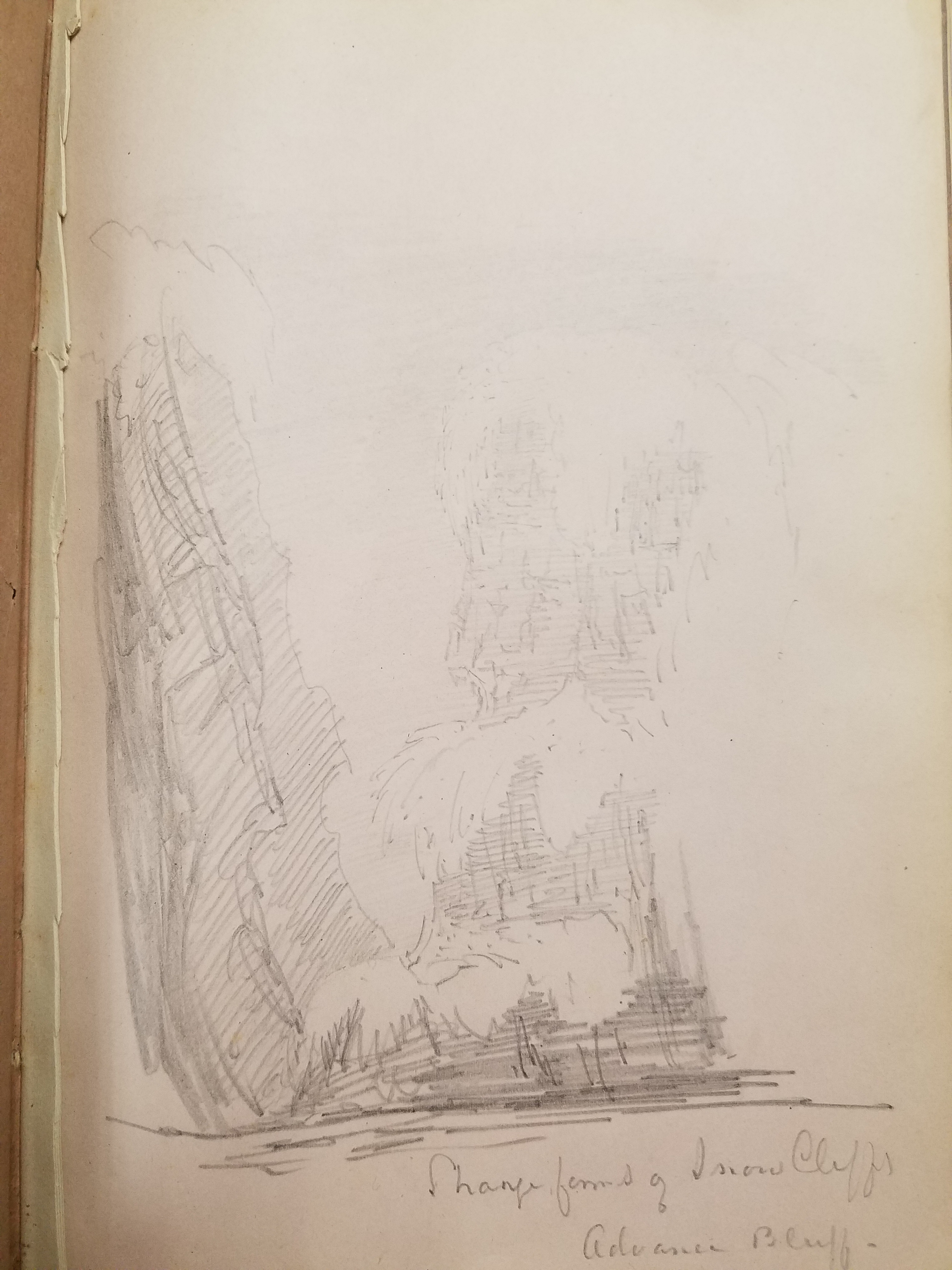
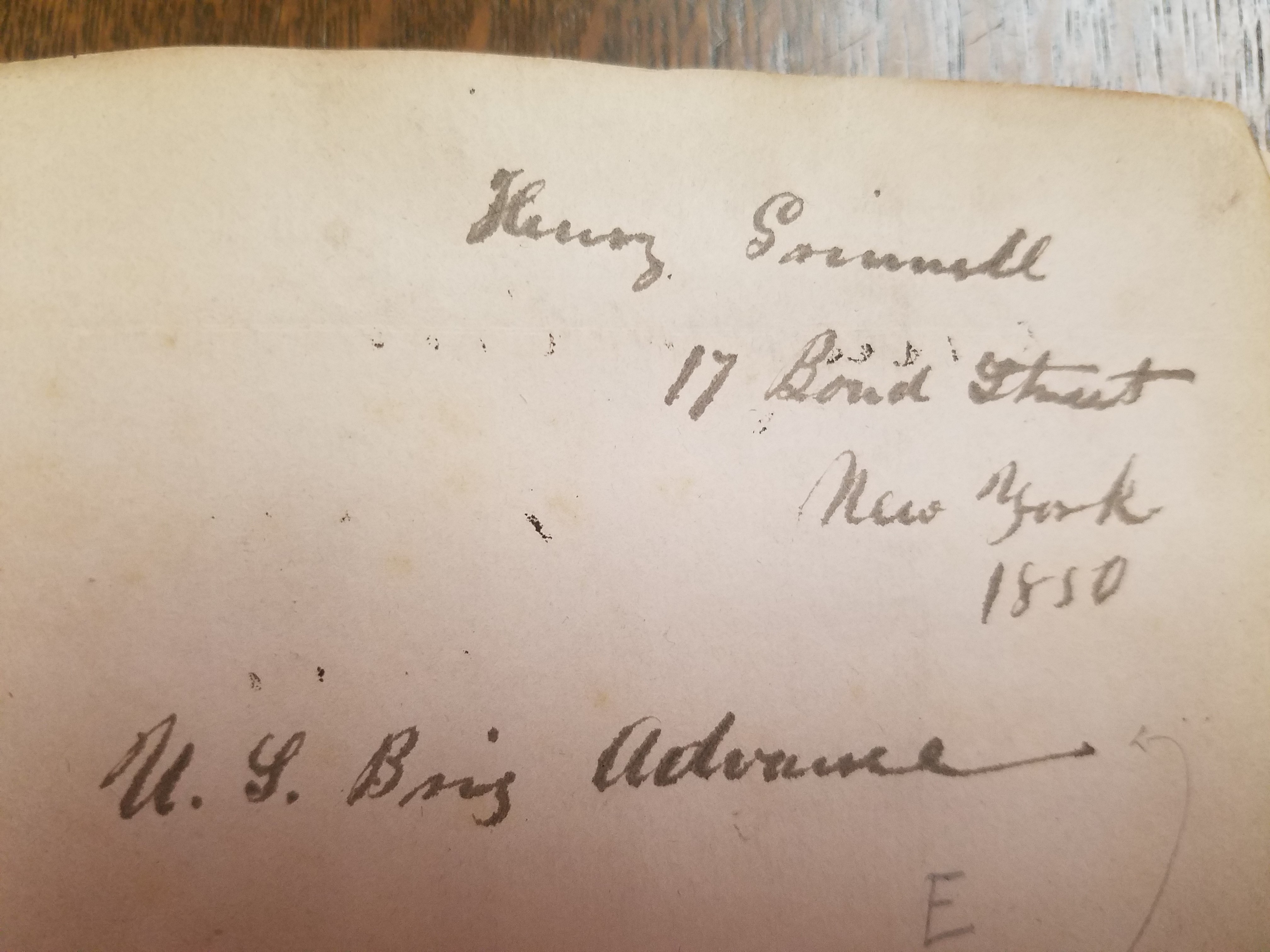
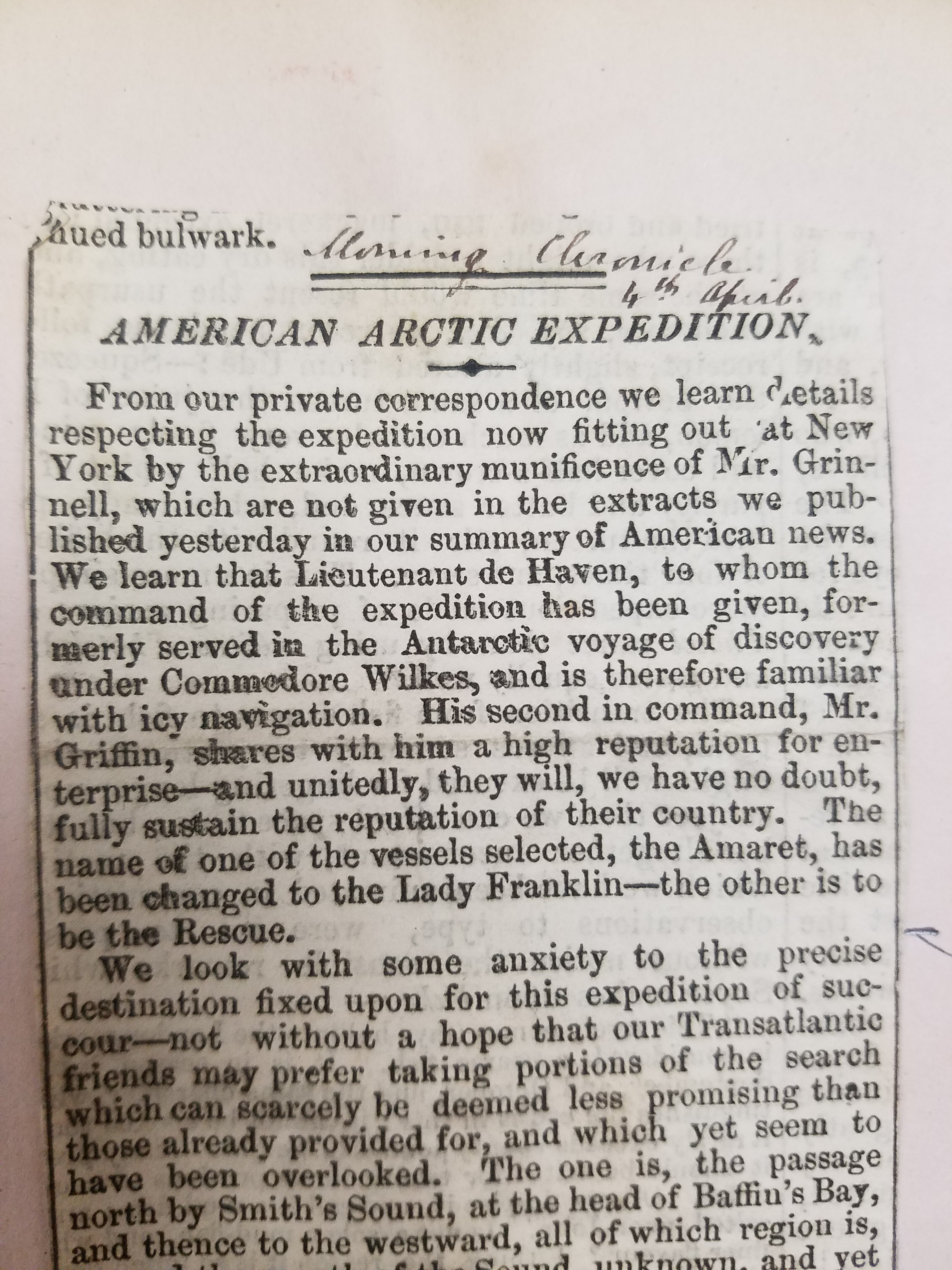
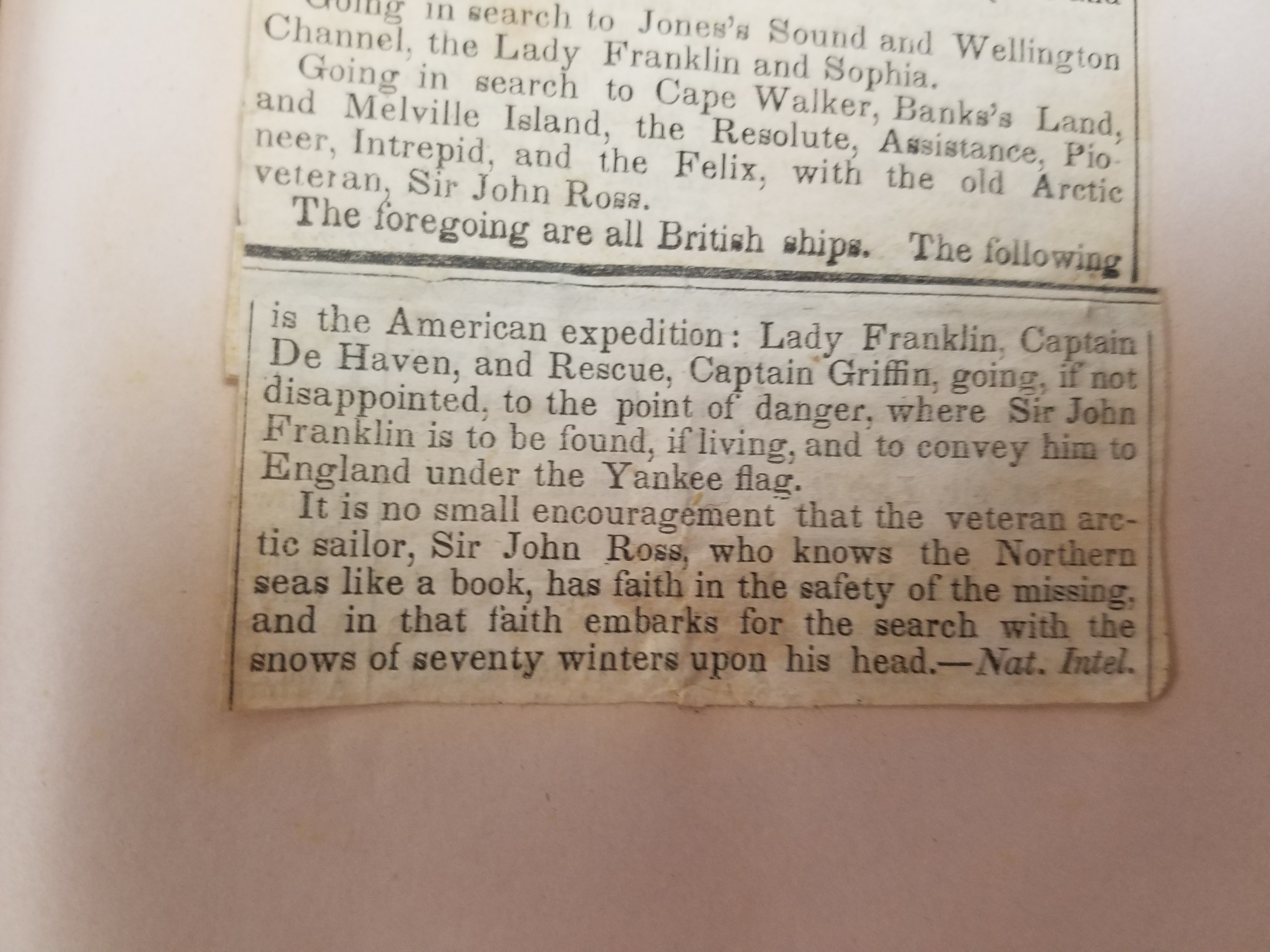
The Lost Franklin expedition would turn out to be instrumental in the foundation of the American Geographical Society. Henry Grinnell, wealthy merchant and the first elected president of the AGS, retired in 1850 to dedicate his life to philanthropy. Grinnell was a passionate follower of the search for John Franklin; in its collection, the AGSL has several scrapbooks of newspaper clippings following the story collected by Grinnell himself. The scrapbooks contain materials on previous expeditions as well as Grinnell’s own. He was particularly moved by Lady Jane Franklin’s continued appeals to American President Zachary Taylor for help finding her lost husband; when Congress hesitated to provide the aid required for a rescue expedition, Grinnell himself bought and refitted two brigs for arctic travel. He loaned these ships to the US Navy for use in an arctic exploration expedition in the hopes that John Franklin, or some trace of what happened to him, could be found.
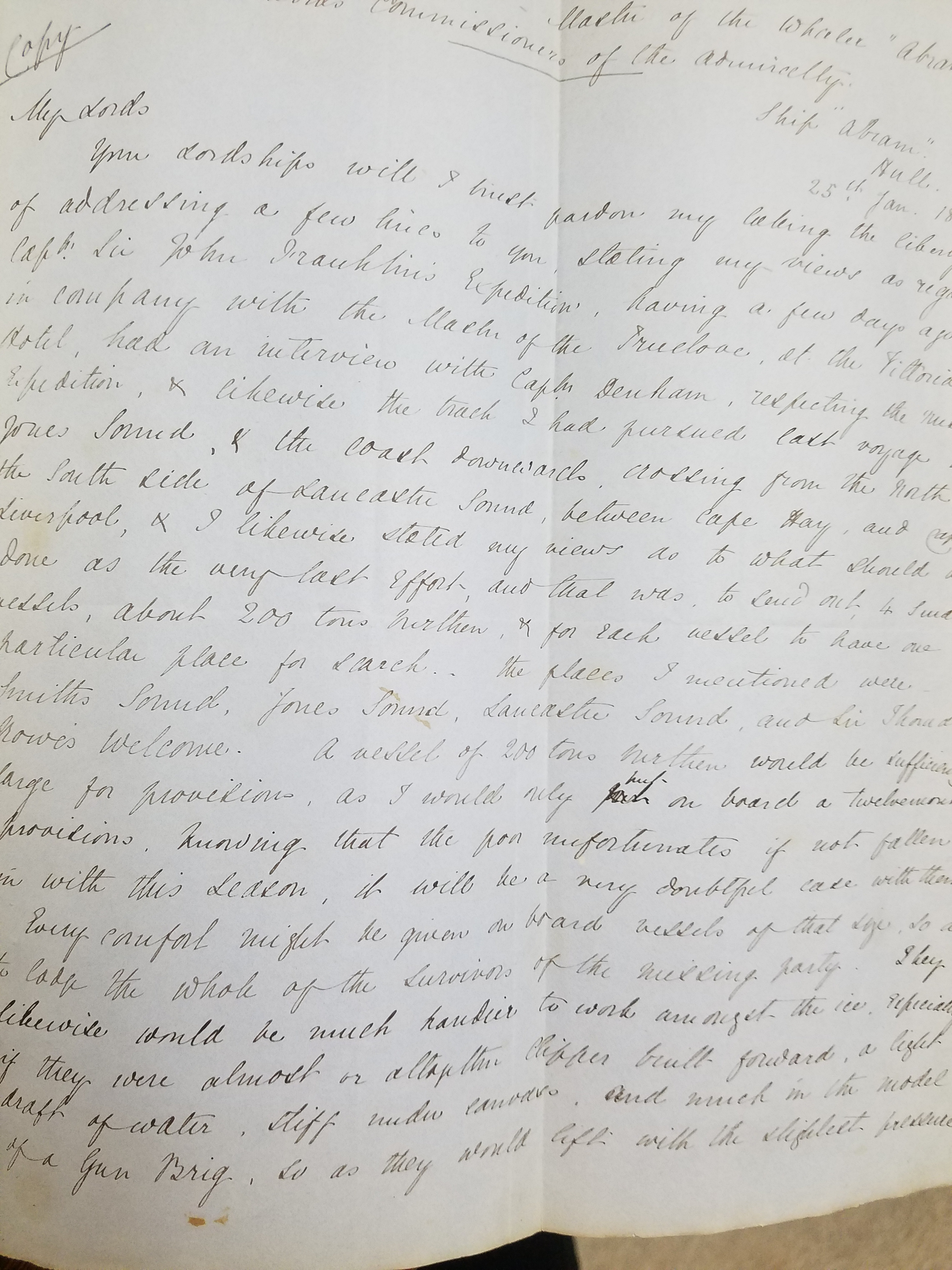
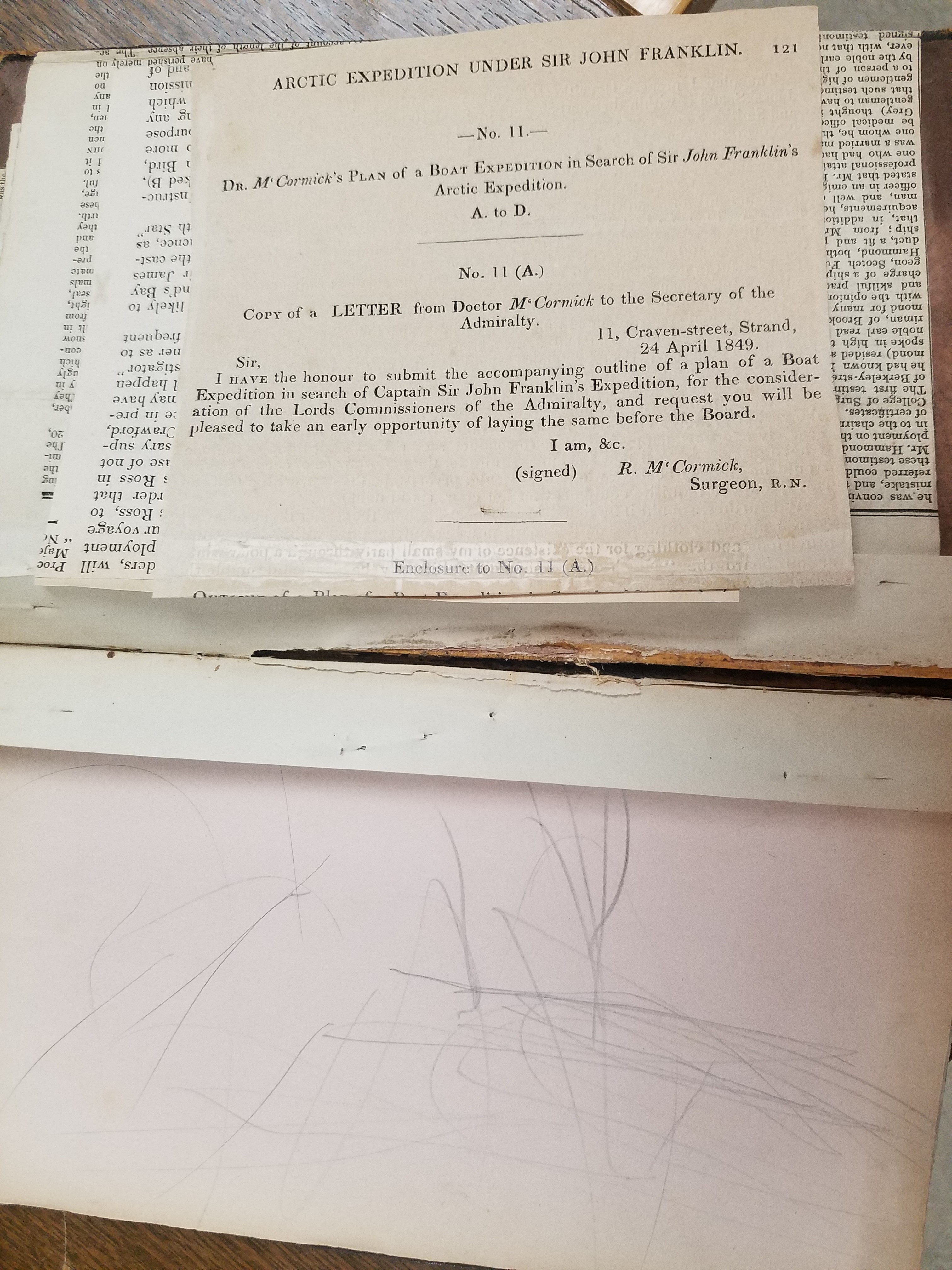
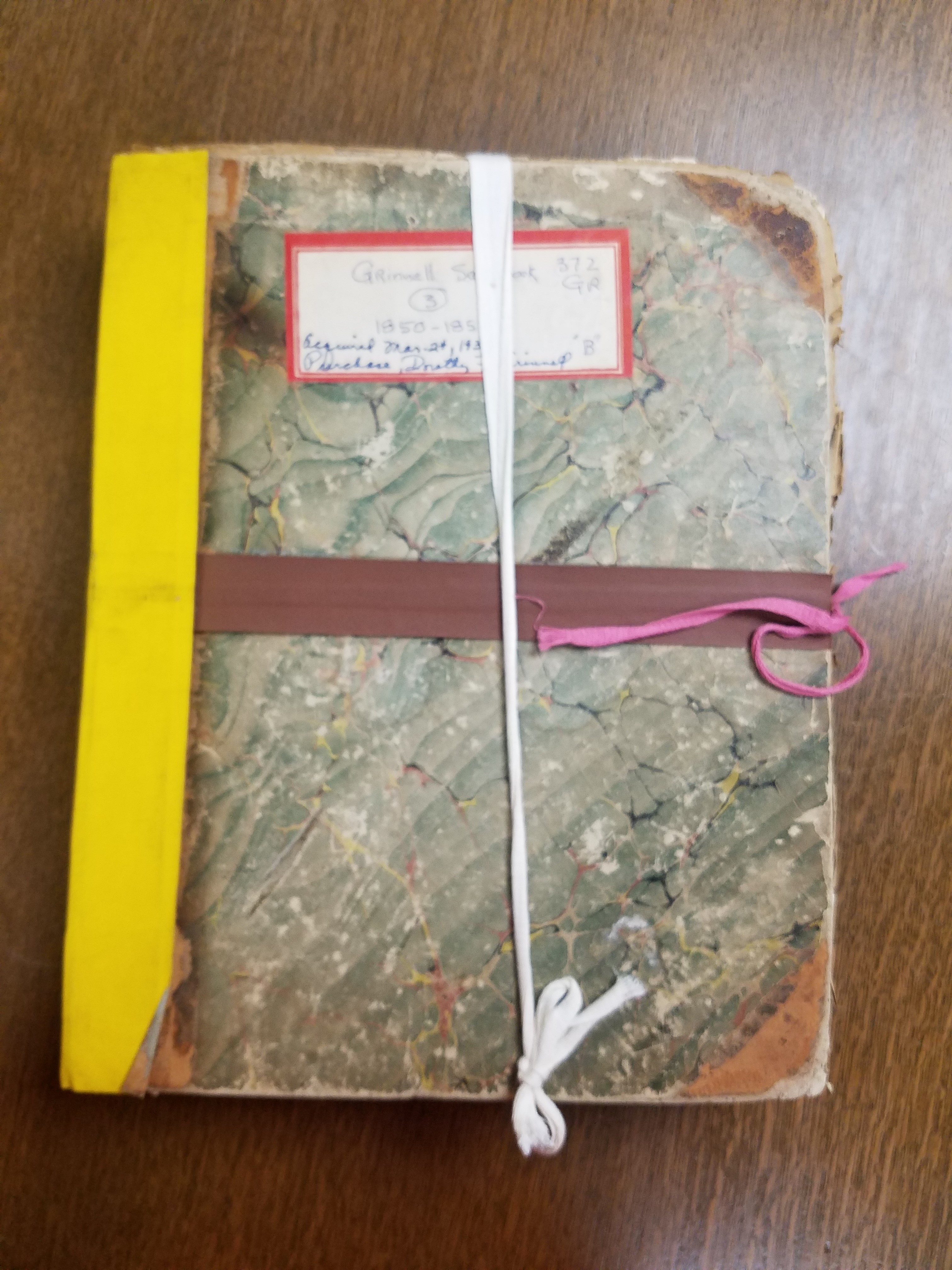
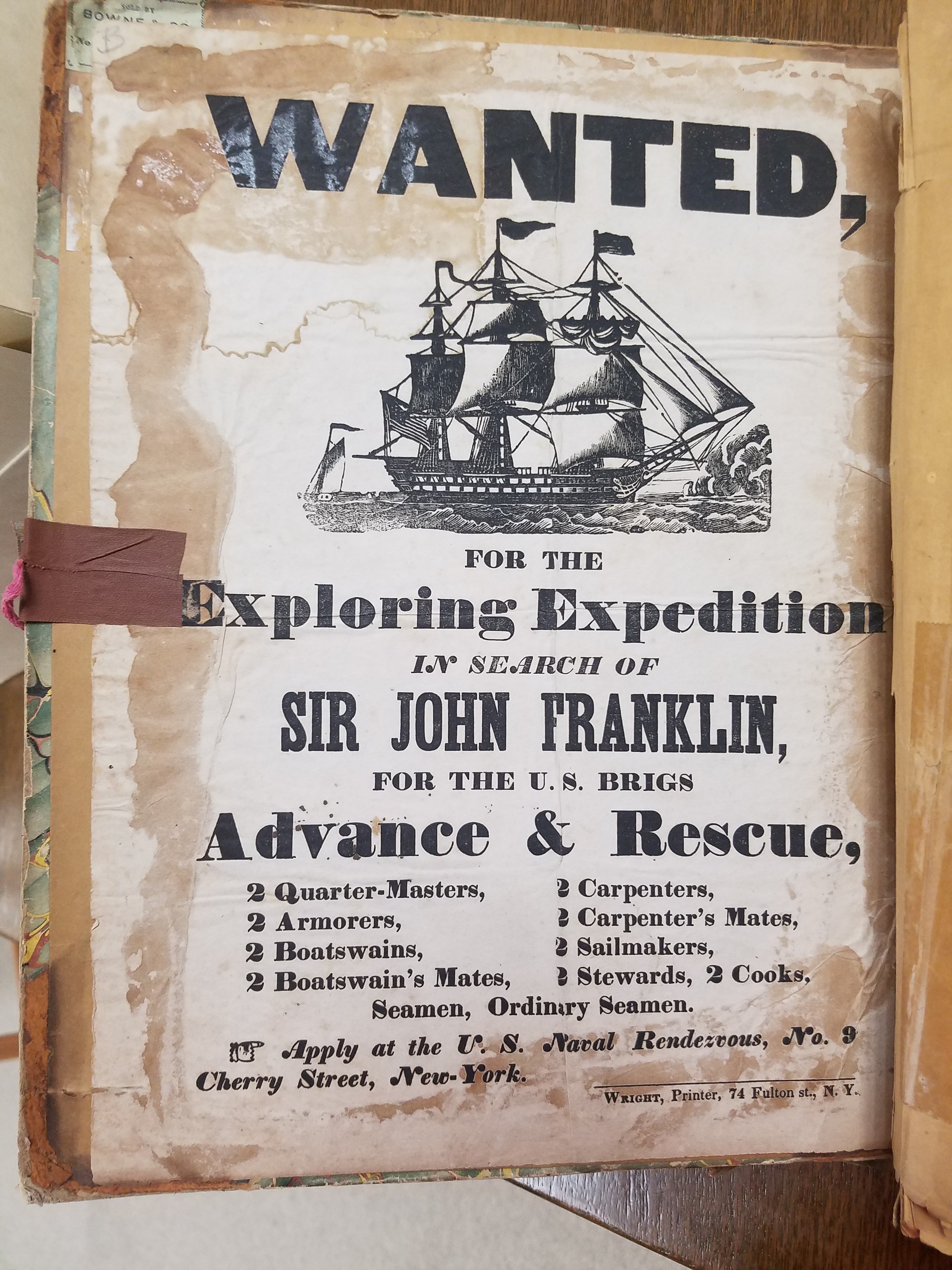
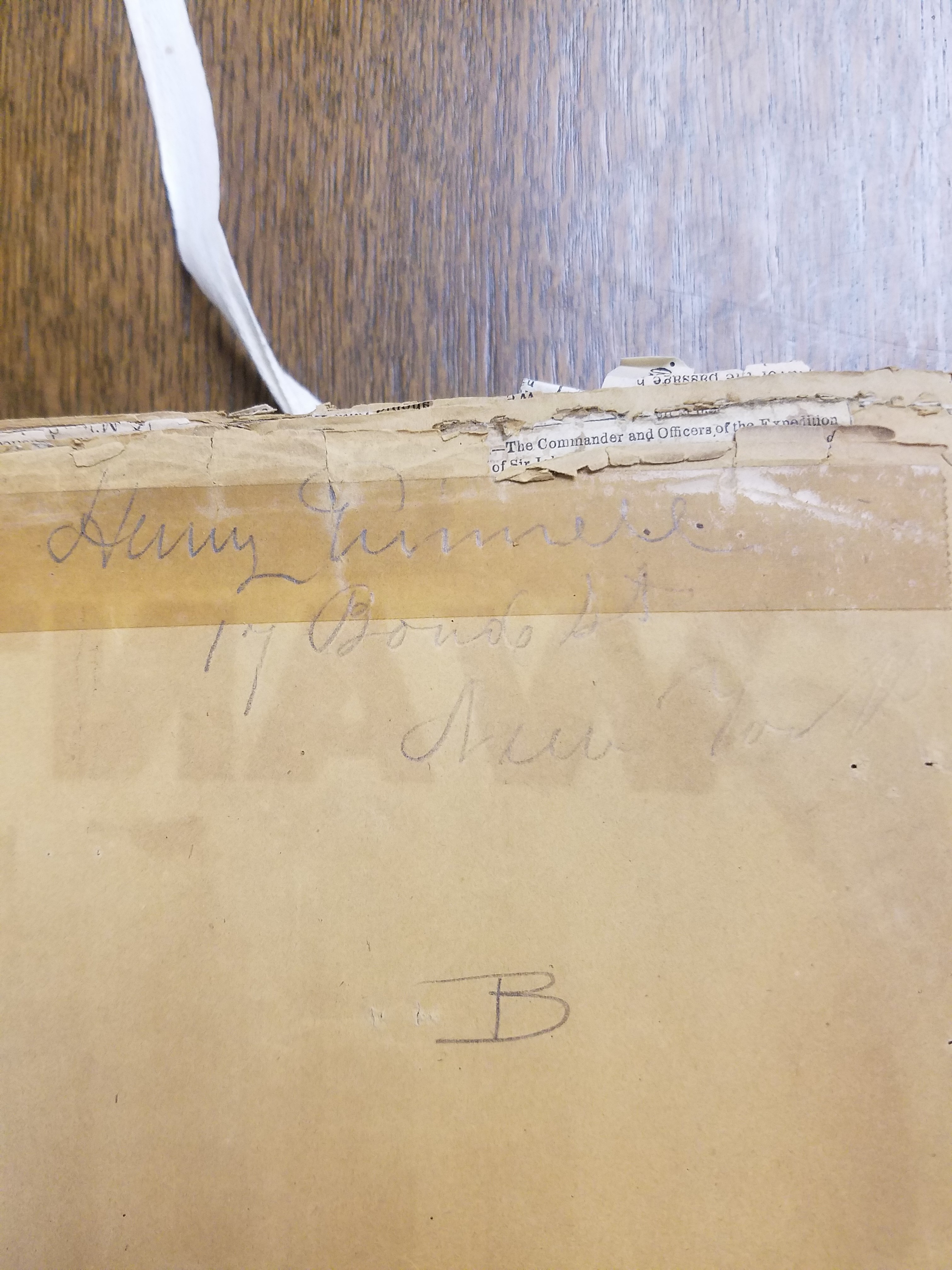
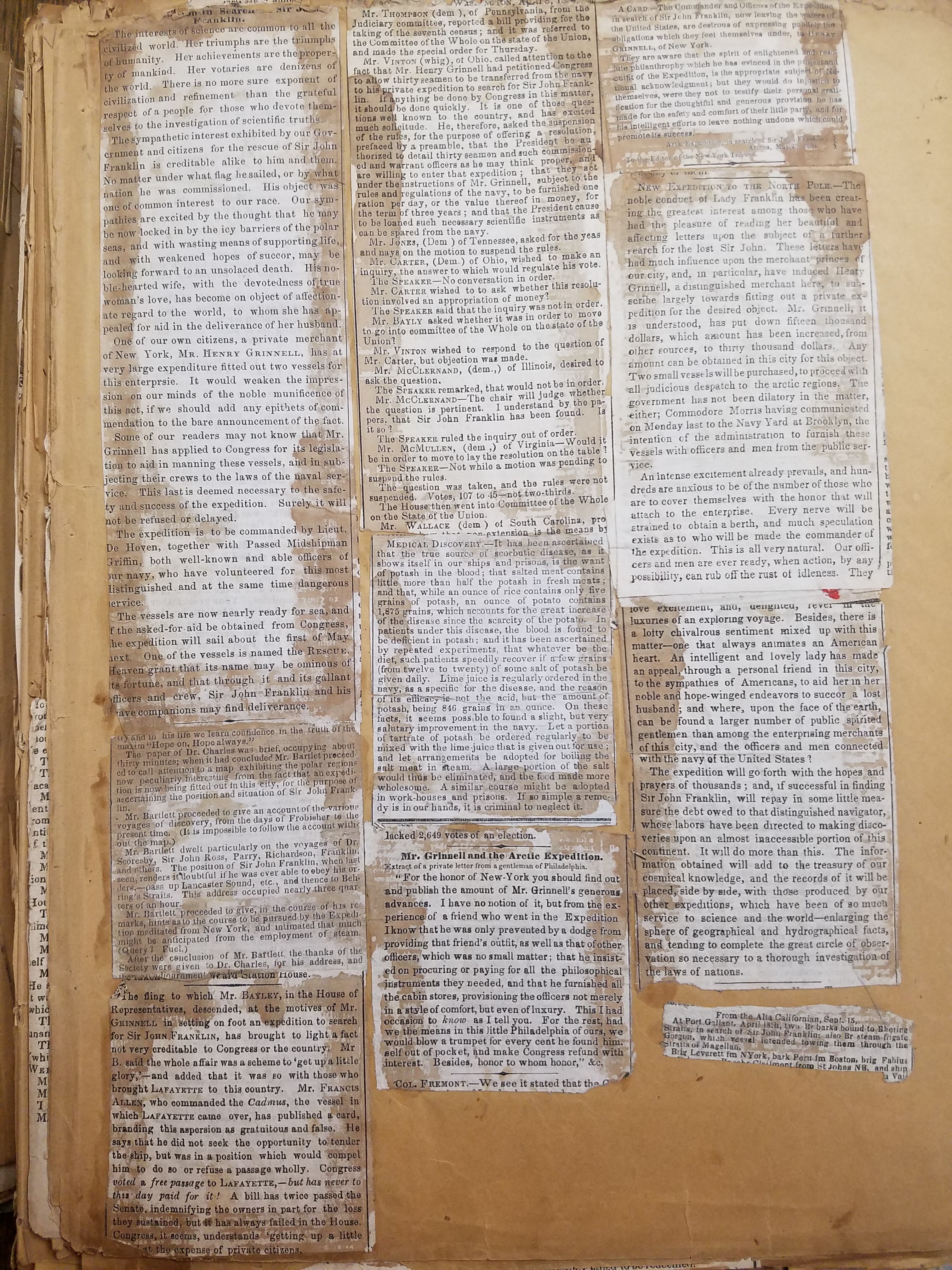
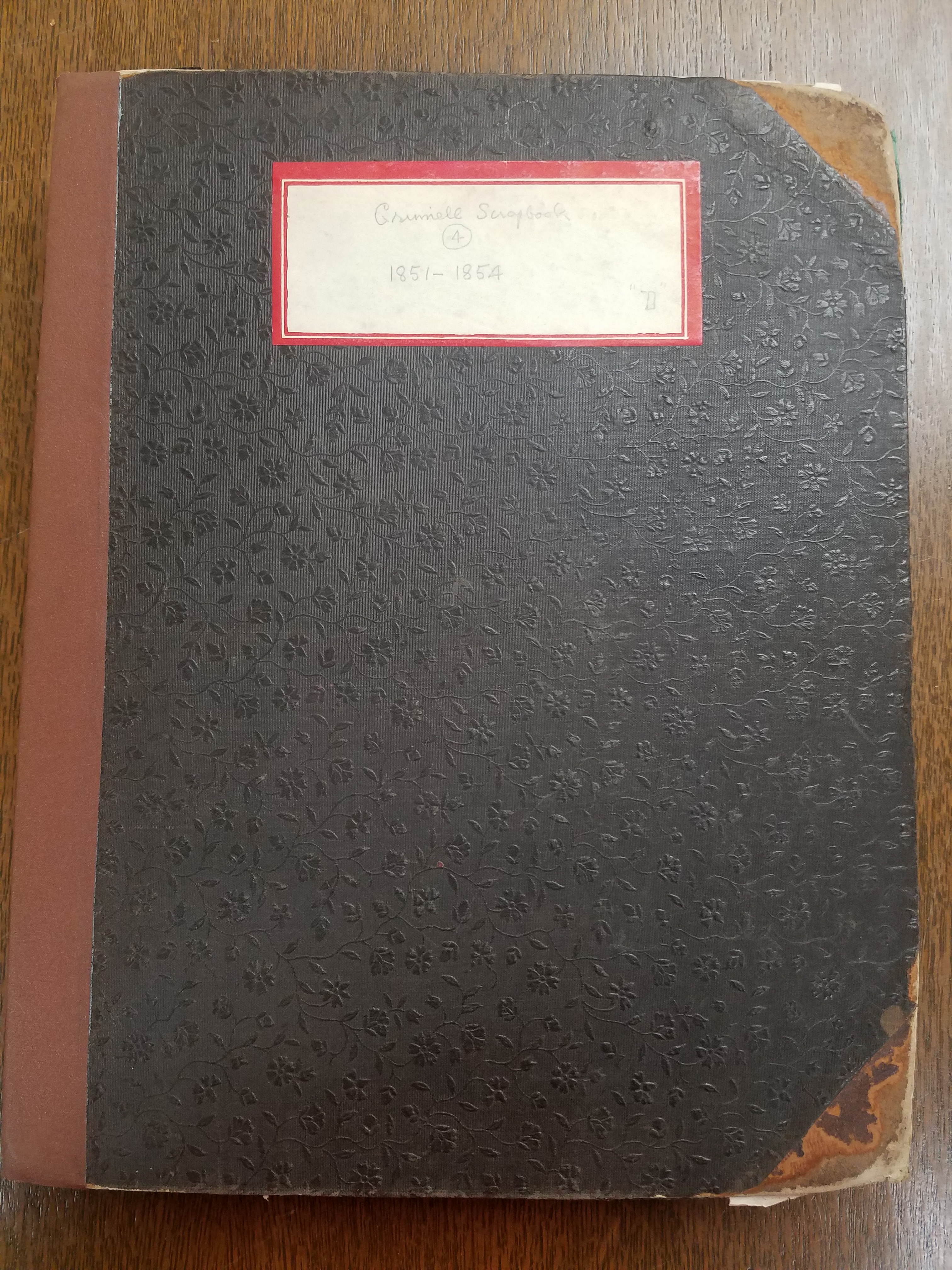
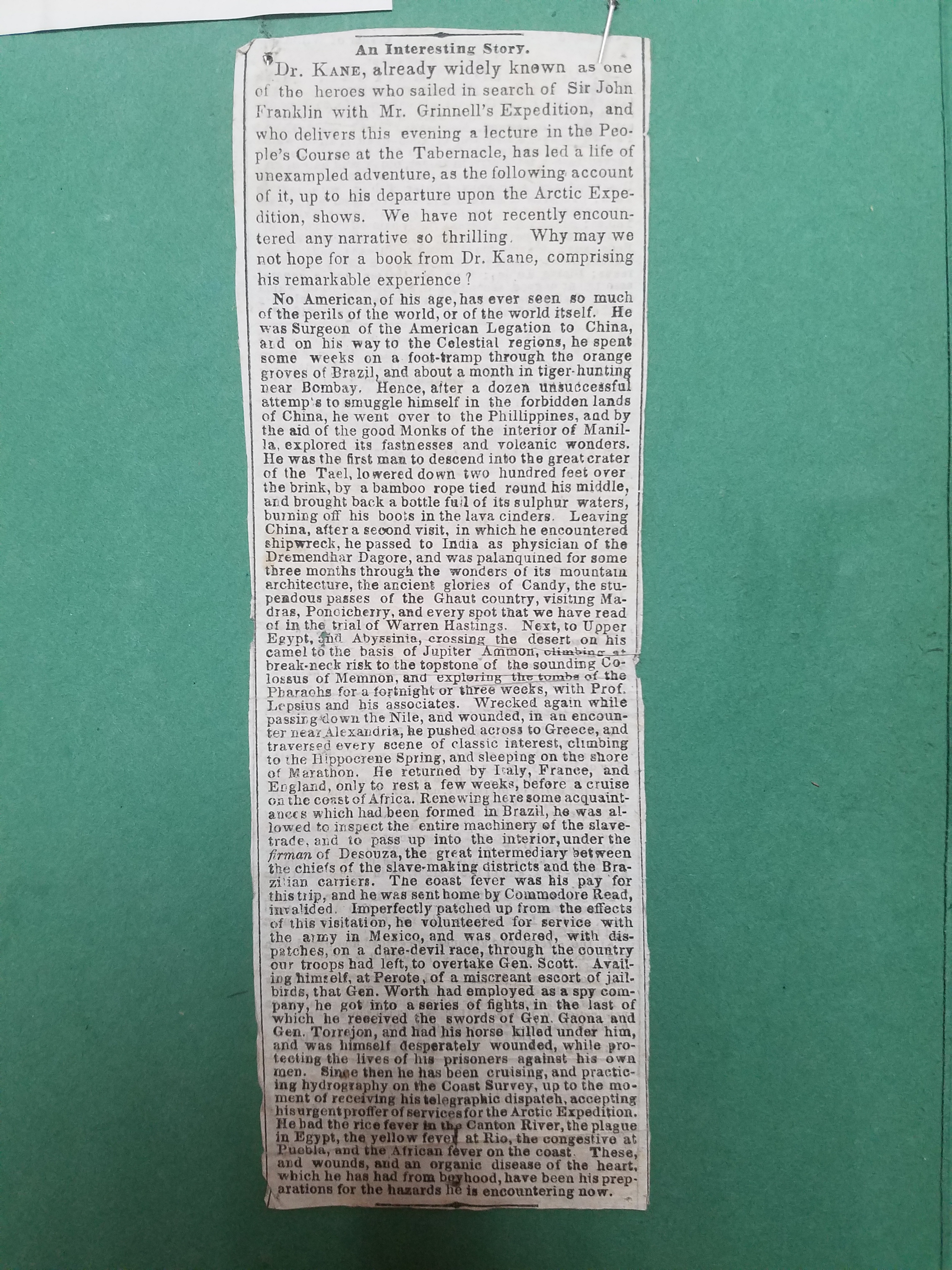
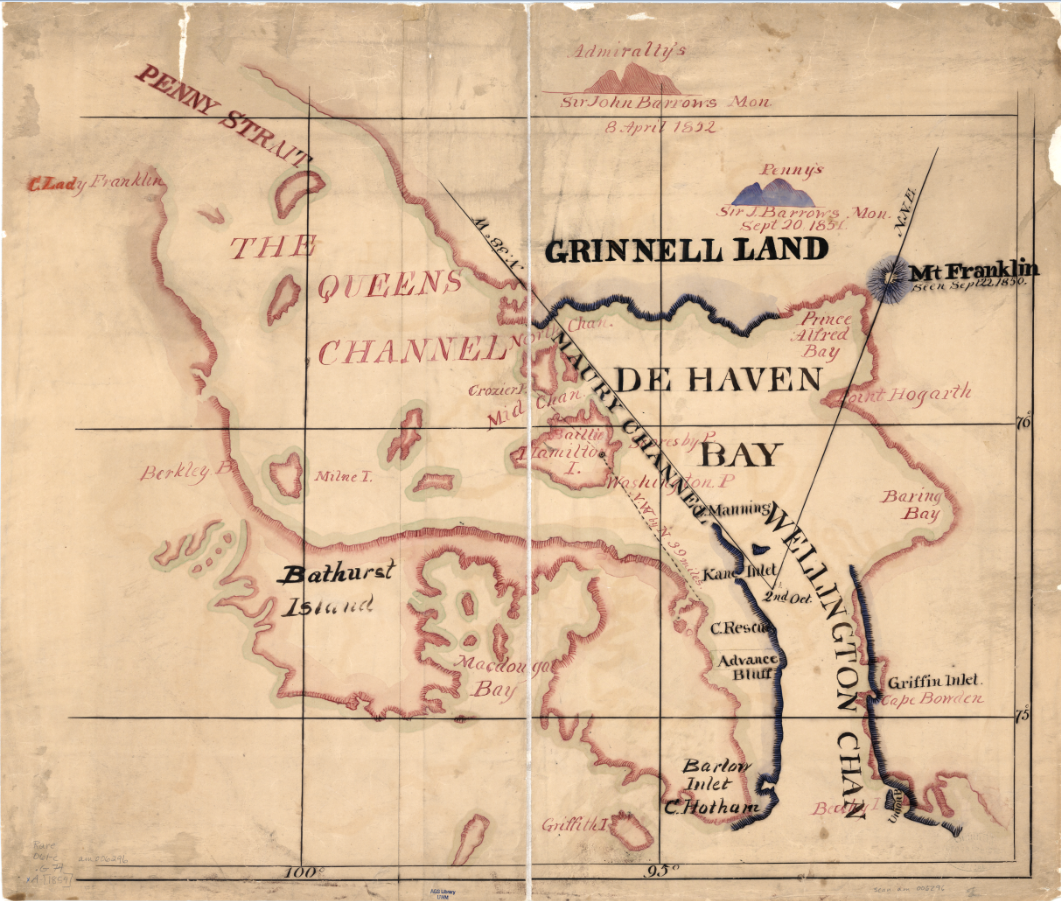
Click the link to see Chart Exhibiting Discoveries of the First Grinnell Expedition submitted by Kane in our Digital Archives
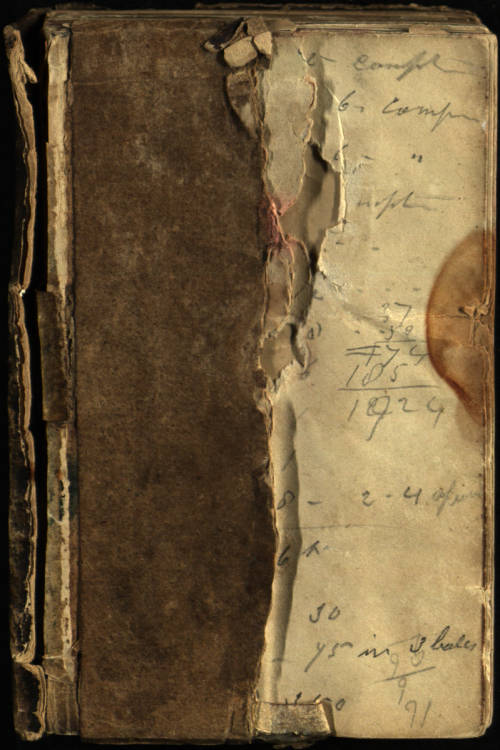
Click to see this Unidentified Notebook, 1854 found aboard the HMS Resolute after it was abandoned in the search for Franklin in our Digital Collections
The First Grinnell expedition set out in the summer of 1850– the same year preliminary talks about founding an American geographical society began. Geography in the Making: The American Geographical Society 1851-1951 intimates in a single sentence that, though there is no “positive evidence” that Grinnell’s polar interests influence the foundation of the Society, the timing of his arctic expeditions and his election as president seem to suggest it. The expedition, lead by Edwin de Haven and including Elisha Kent Kane, set out in May and would continue their search through ice and bad weather for a year. They met with British search parties, including the first expedition on the HMS Resolute lead by, and joined forces to comb the area thoroughly– during the winter, however, the Advance and the Rescue were separated and icebound. Elisha Kane submitted a chart with a revised survey of the coast of Greenland and the party’s escape route south. This chart also shows the newly christened Grinnell Land, which De Haven named in honor of the expedition’s patron. After being forced to winter over in the ice, it was decided that the two ships should return with what news they had, though it was not very much: all the expedition had discovered about the lost Franklin party was their first camp, abandoned, and three graves on Beechy Island.
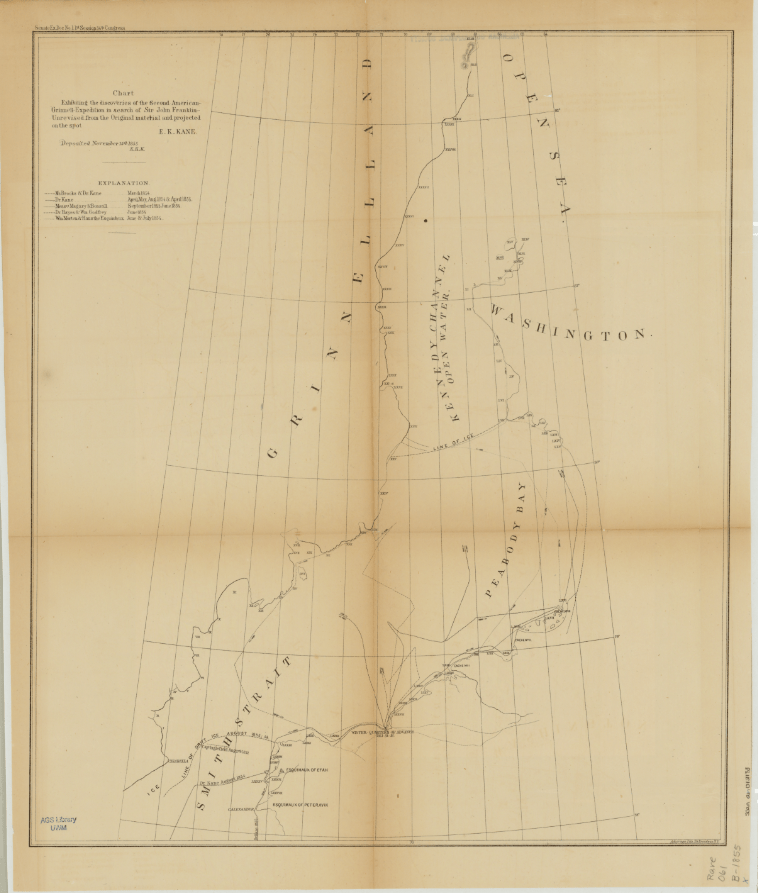
Click the link to see this Chart Exhibiting Discoveries of the Second Grinnell Expedition by Kane in our Digital Collections
Unsatisfied with the results of the first expedition, Grinnell began planning a second search for Franklin. Elisha Kane would lead the expedition north of Beechy Island where Franklin’s first camp was found and into the open summer polar sea. The search plan was approved by the American Geographical Society in New York and financially supported by Grinnell and other philanthropists. Isaac Israel Hayes, another well-known name in the AGSL archives, signed onto the expedition as surgeon. The small crew set out on the Advance on May 30th, 1853 with meager provisions and research instruments. This expedition would shed no new light of the disappearance of Franklin’s expedition, but it would go farther north than any expedition before it, setting a new record, and allow Kane to gather useful geographical, climate, and magnetic observations. The journey was harrowing and the men, trapped for two winters in the ice, running low on supplies, and afflicted with scurvy, would be forced to abandon the Advance in search of rescue. Three men were lost during the expedition and Kane’s health would continue to deteriorate. He died in 1857, just two years after the expedition returned– the same year as his account of the journey was published.
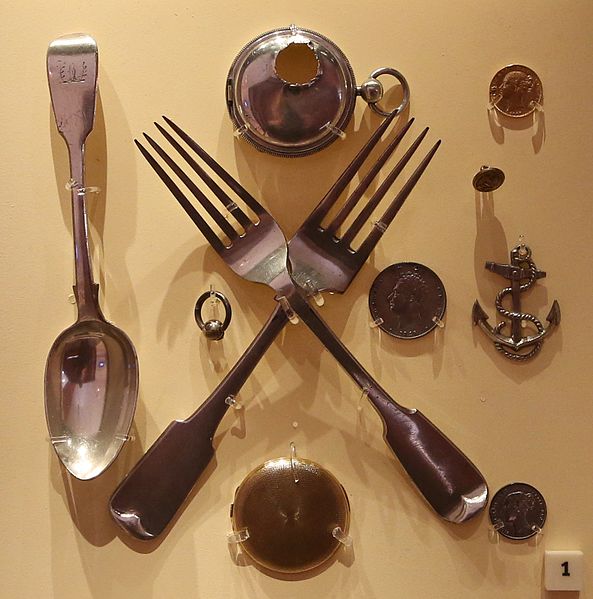
Click the link to see these Items Recovered by Rae, currently housed in the National Maritime Museum in Greenwich, London
The Grinnell Expeditions were unsuccessful in discovering the fate of the lost Franklin expedition. But during this time, John Rae’s own expedition was still on-going. In 1853, he encountered a group of Inuit who had several artifacts from Franklin’s crew in their possession. This included several pieces of monogrammed silverware, coins, and a pocket watch. Rae purchased these items from the Inuit and began interviewing locals. This was how he eventually discovered the sad fate of the Franklin expedition. While completing his survey of West Boothia, Rae heard about a group of white men who had starved four years earlier in a camp nearby. Rae continued his search until he discovered the final camp of the Franklin expedition. In his letter to the Admiralty, he described the state of the camp and the signs of cannibalism he found there. But, “any tidings, however meager and unexpectedly obtained” were better than none in Rae’s opinion.
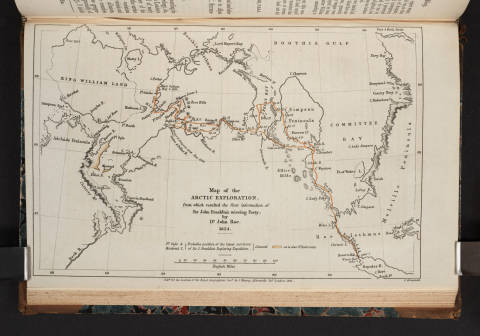
Click the link to see “Arctic Exploration, With Information Respecting Sir John Franklin’s Missing Party.” 1855
The British Admiralty published John Rae’s letter without his knowledge before his return to England in 1854. The public was outraged by his claims; Charles Dickens maligned him in the press and his findings were mostly ignored by Lady Jane Franklin who continued her search into the 1880s. However, later expeditions would only confirm what Rae had discovered, and the British Admiralty officially presumed the entire crew of the Franklin expedition dead. Rae’s crew collected the reward, but his reputation never recovered. Other explorers who had joined in the search for Franklin were knighted, but Rae, for implying that officers of the Royal Navy would stoop to cannibalism, was mostly kept out of the picture.
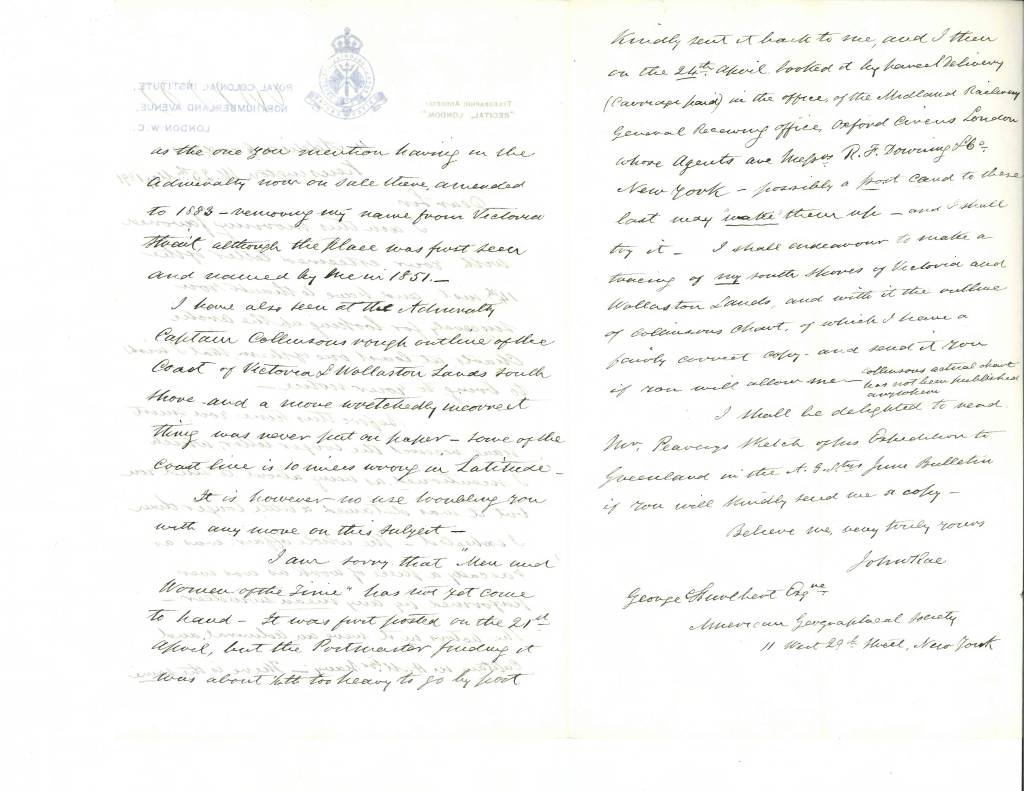
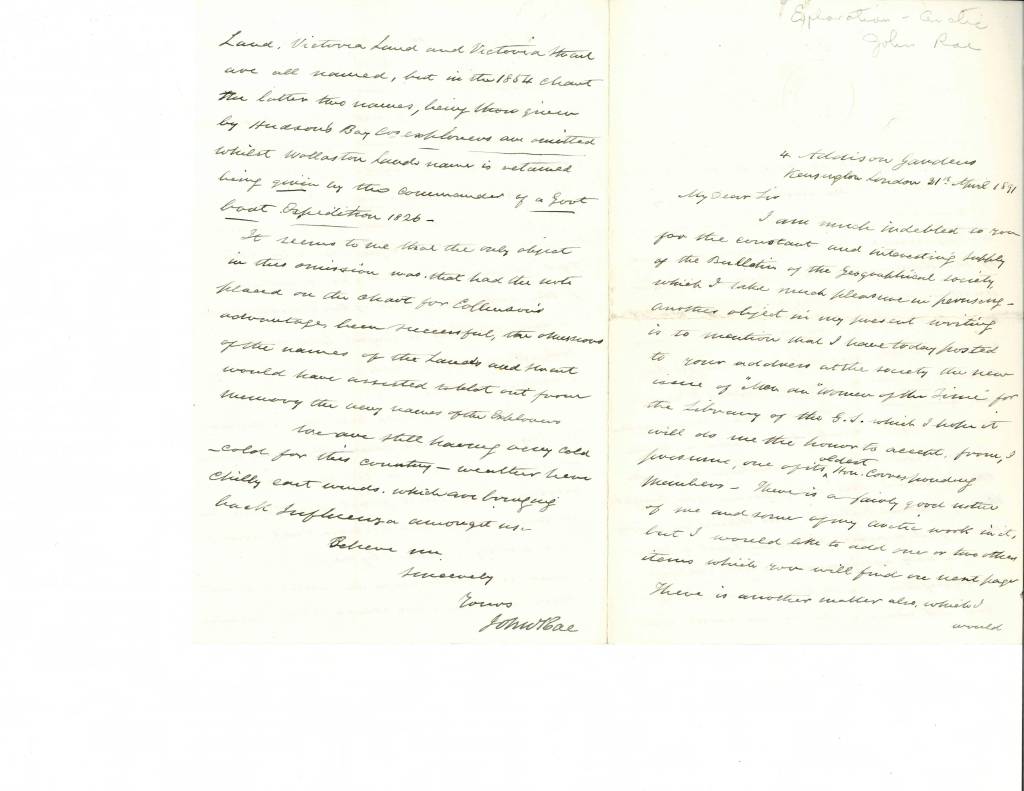
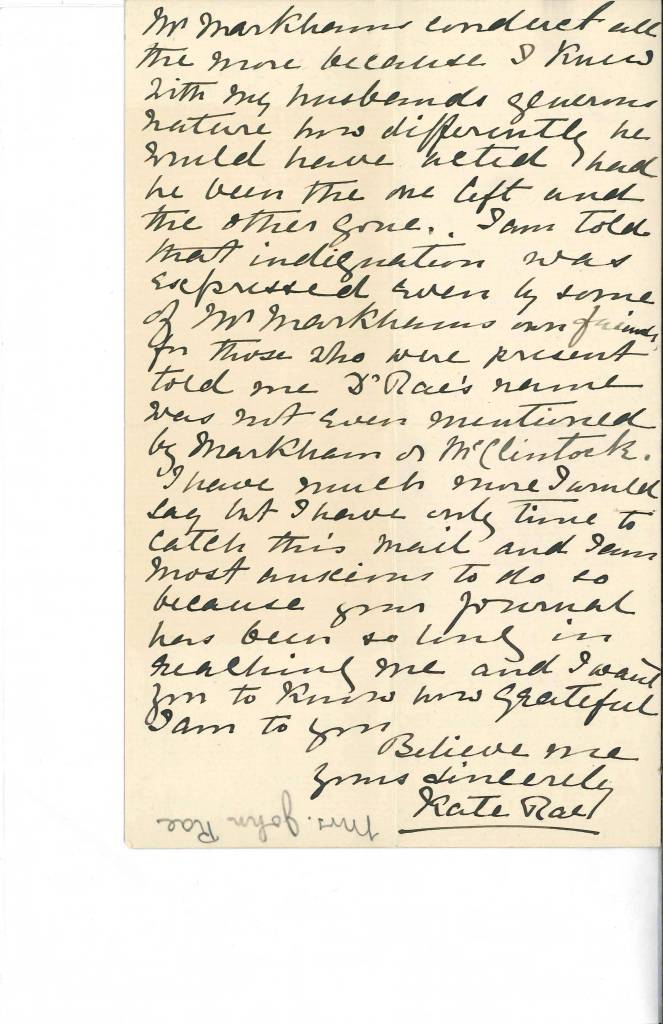
Rae published several articles in the Journal of the American Geographical Society of New York after his days of Arctic exploration were behind him. He shared his discoveries and practical advice with other explorers in the spirit of the AGS’s organizational purpose: “furthering the understanding of the role of geography in our lives.” After his death in 1893, the AGS published his obituary in their journal, honoring John Rae for his 35 years as a Corresponding Member of the AGS and his important contributions to geography. The Society had this to say about Dr. John Rae: “He wrote with simplicity and force, but he was more concerned to do things worthy of record than to record them. He had the gifts of the born explorer, the habit of exact observation, courage and fertility of resource, untiring energy, activity and strength; and with these a firmness and generosity of character that won the respect and the affection of men.”
And in the AGSL archives, relics of a longstanding friendship between the Society and Rae: a collection of years of correspondence from Rae and his wife Kate to the AGS.
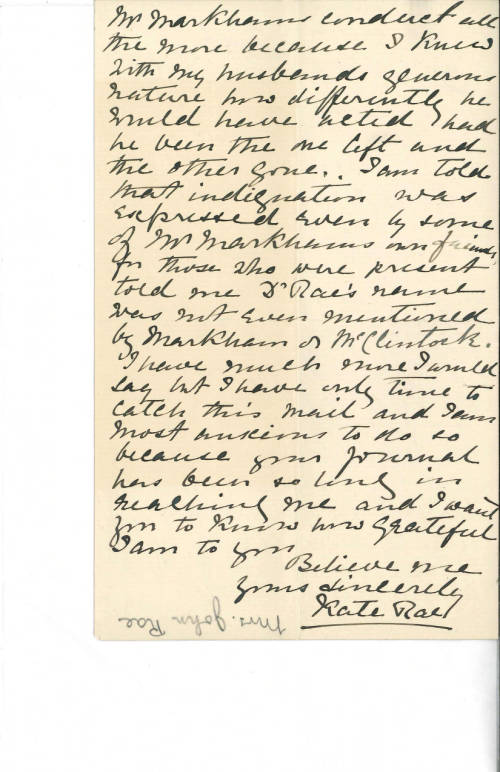
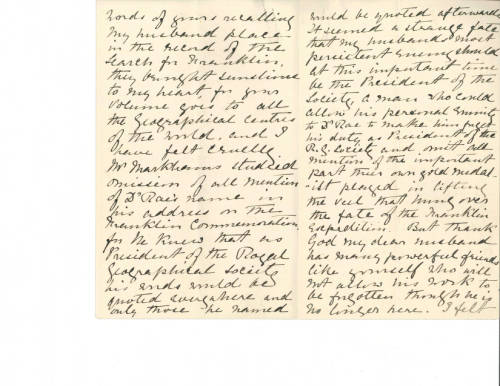
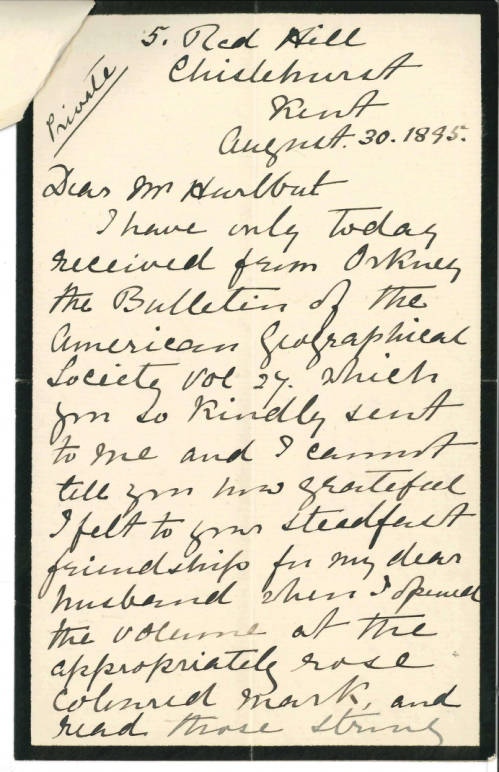
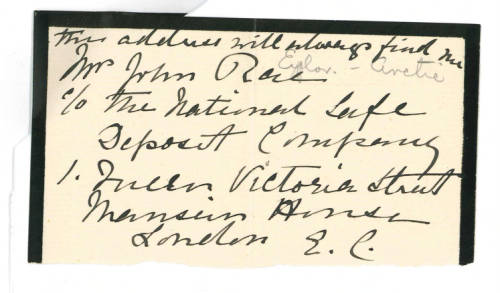
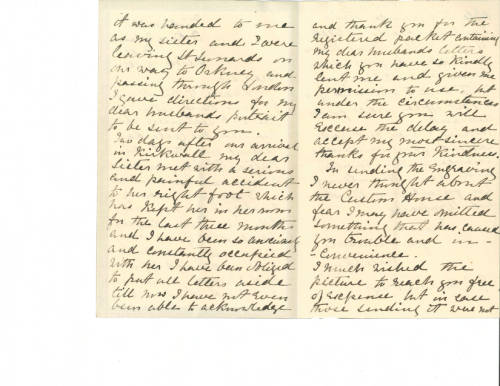
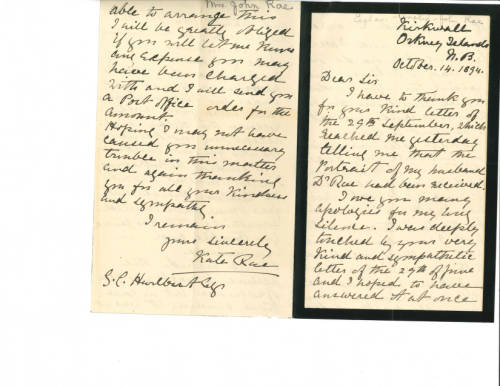
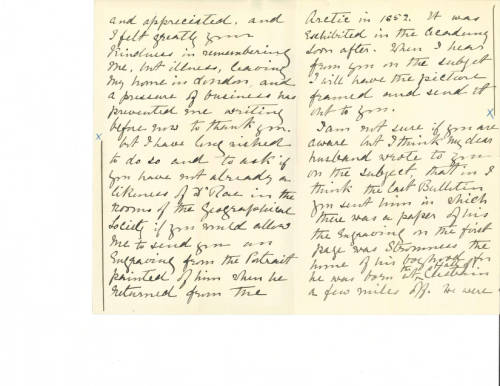
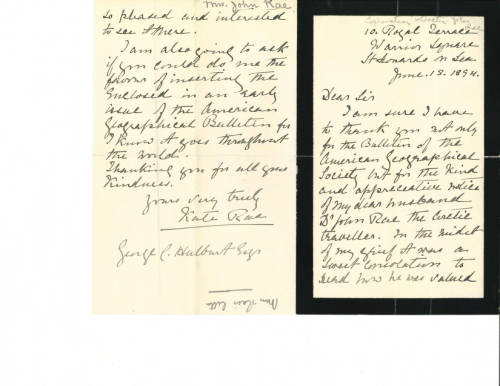
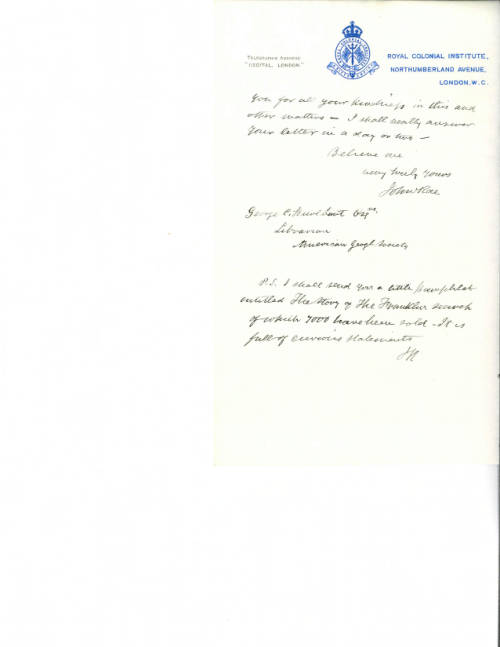
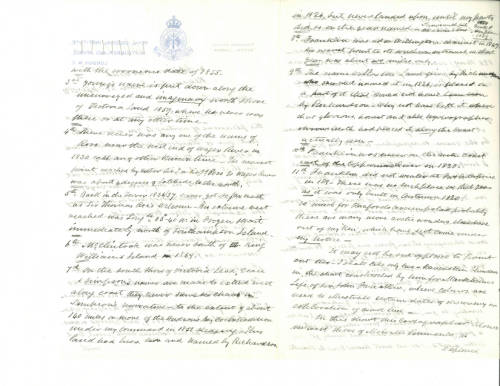
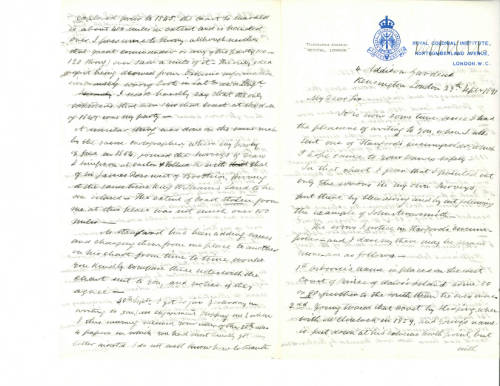
The young beginnings of the American Geographical Society were tied to those first Arctic expeditions to find Franklin, and this legacy of Arctic exploration continued into the 20th century. Luckily, records from these early years remain in the AGSL collection as a reminder of these tragic and exciting origins.

