Ephemera Collection
Remembering Dr. John Rae
By Lauren Maddox
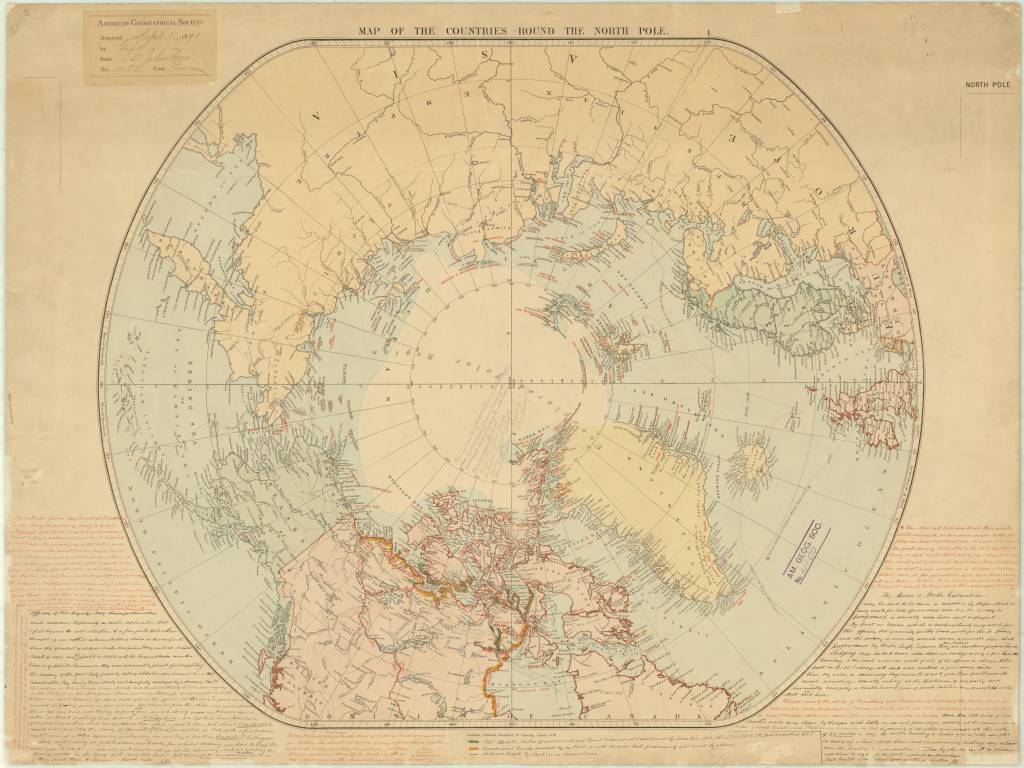
When I first began working for the AGSL and contributing to this blog, I spent a lot of time time with our polar explorers– I wrote about the Lost Franklin Expedition and the hunt to find the ship, and Dr. Elisha Kane’s affair with Margaret Fox, and about the history of the Northwest Passage. Now, as I am graduating from UWM, it seems only appropriate that I should go back to where I started: polar explorers. More specifically, I think its time to spotlight my favorite polar explorer, who has appeared in many of my posts: Dr. John Rae.
Dr. John Rae was the unsung hero in the search for the Lost Franklin Expedition– he was the first to discover what had happened in the tragic wreck that stranded Franklin and his men and report back to the British Admiralty. The discovery ruined his career; the mere suggestion that Franklin and his crew had been forced to turn to cannibalism was offensive to many, and they did not appreciate Rae’s report. It took him years to secure the reward for his crew, and they, unlike the many explorers who went searching for Franklin, were never knighted for their efforts to recover Franklin and his crew.
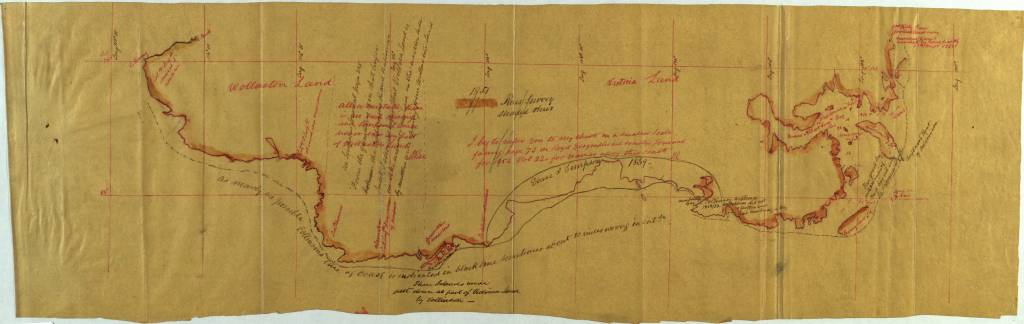
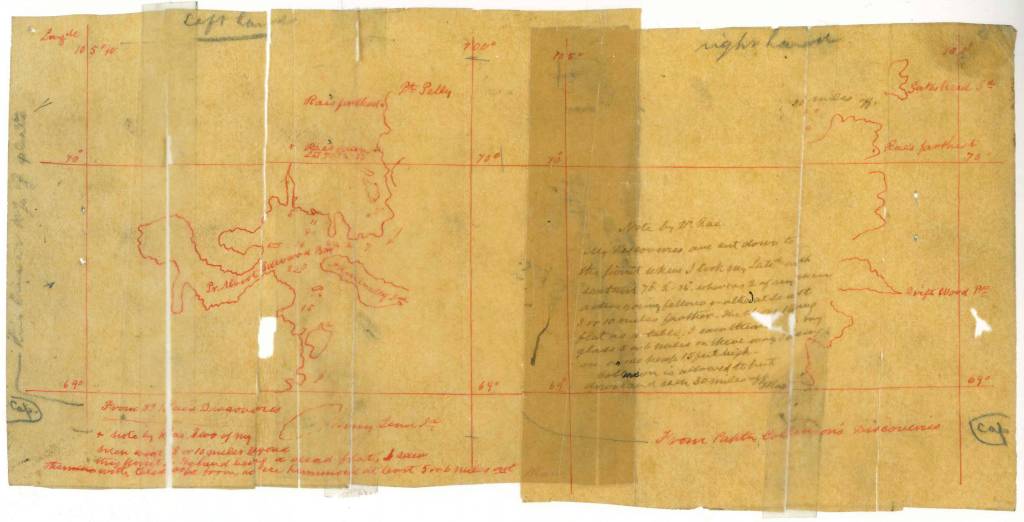
But Rae’s contributions to exploration and cartography went beyond his doomed discovery of the Franklin expedition; he was one of the greatest overland explorers of the 19th century, and has been credited with the true discovery of the Northwest Passage. More than all that, he was a great friend to the American Geographical Society.
Rae’s professional career began at the University of Edinburgh, where he studied medicine. Upon graduating, he was licensed to practice by the Royal College of Surgeons of Edinburgh, after which he signed on with the Hudson Bay Company. While posted in Moose Factory, Ontario, Rae developed many of the qualities that he would become known for as an explorer later in his career: he worked closely with his indigenous colleagues, during a time when many European explorers refused to do so, to learn survival skills and to craft his famous snow shoes. With the knowledge he gained at Moose Factory, he was able to go on long overland expeditions without being slowed down by extra supplies or crew members.
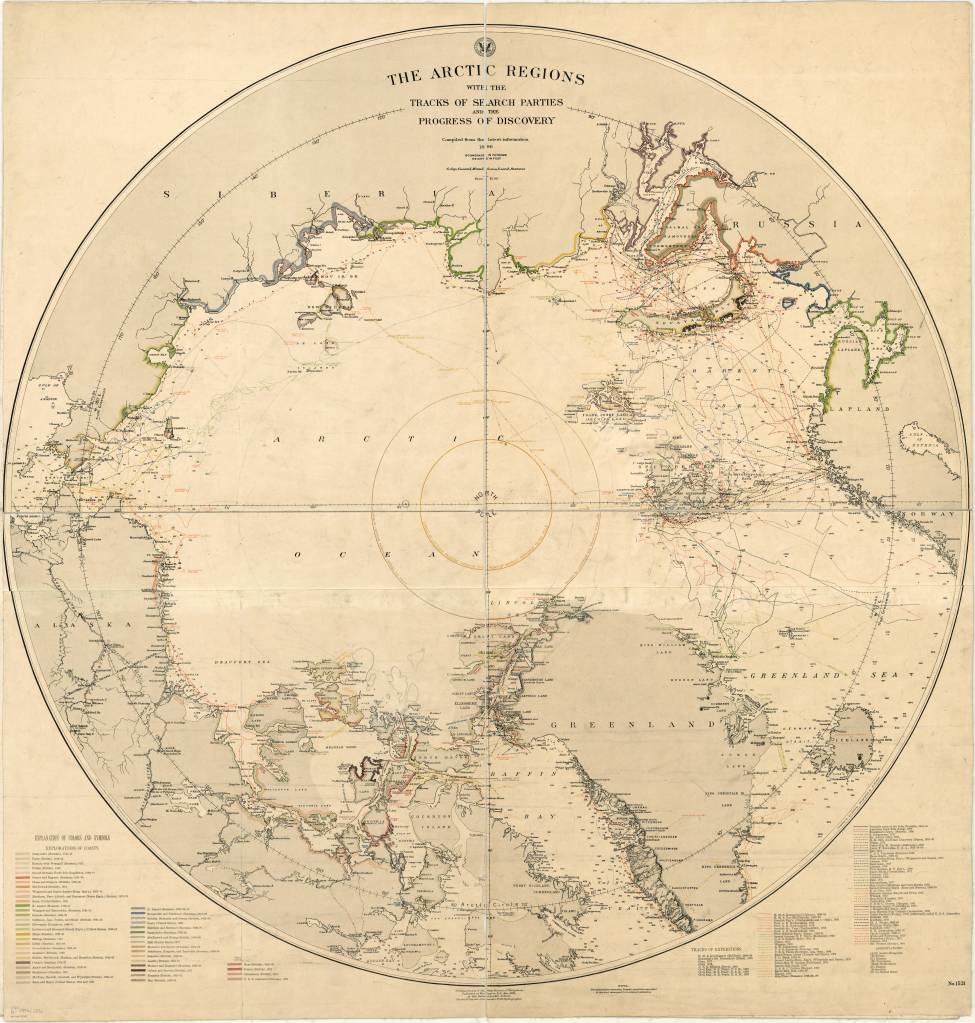
After the Moose Factory post, Rae went on a series of overland expeditions for the Hudson Bay Company. He charted miles of arctic coast, discovering unmapped terrain and recording it for map makers. Many locations were named after him, including the Rae River and the Rae Strait along the Arctic coast.
After discovering the fate of the Lost Franklin Expedition, Rae struggled for years to secure the reward money for himself and his crew. Once they had finally been paid, if not recognized or honored, for their discovery, Rae commissioned the construction of a polar exploration vessel; unfortunately, during its brief career as a cargo vessel on the Great Lakes, the Iceberg was lost on Lake Ontario and never found again– like so many other ships lost on the Great Lakes.
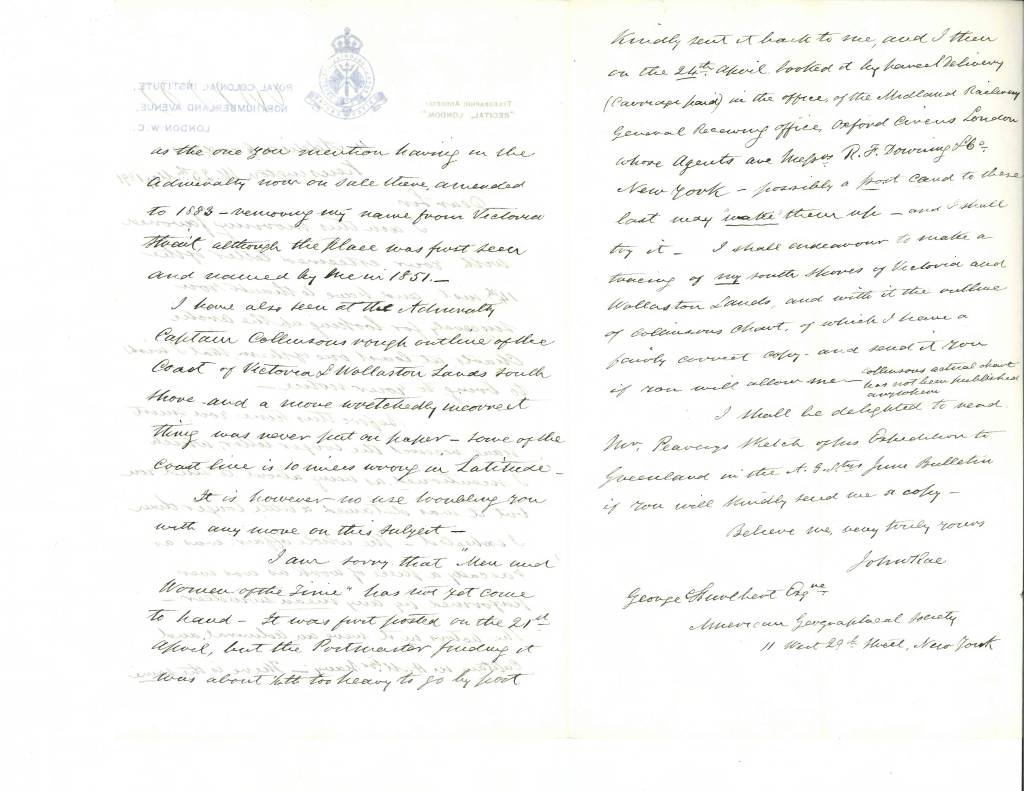
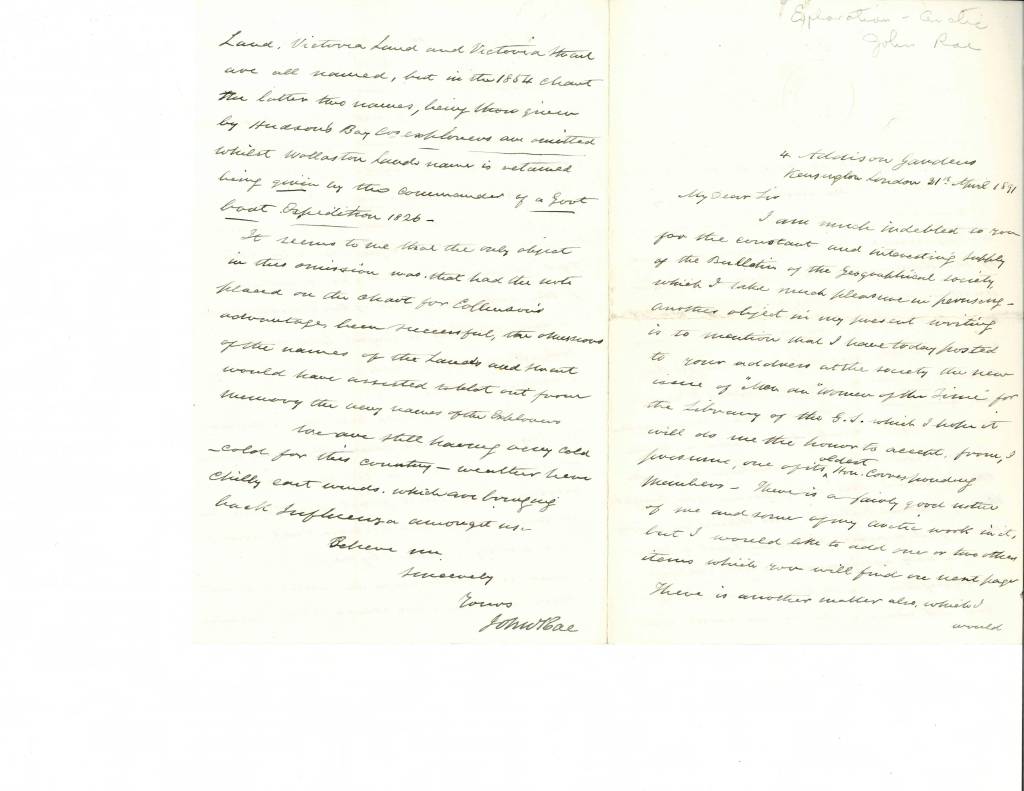
Rae continued to work for the Hudson Bay Company well into his 70s, exploring the Red River area to devise locations for a telegraph line from North America to Russia. At the age of 79, he passed away from an aneurysm and was buried at the St. Magnus Cathedral, where a memorial statue was erected in his honor.
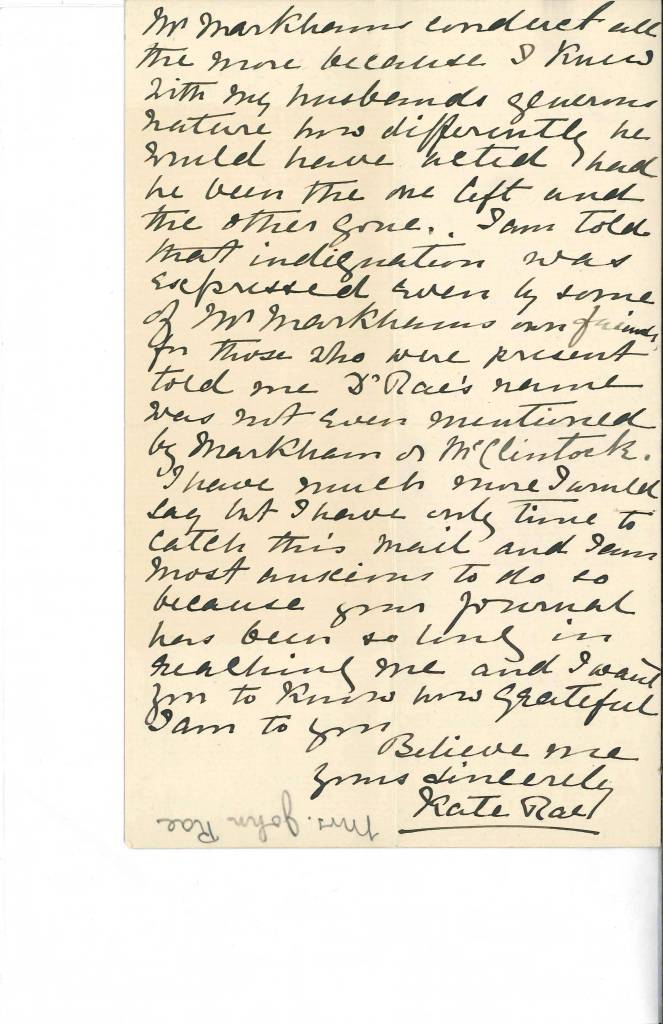
John Rae lived a full and fascinating life. Though he was never honored in his lifetime for his role in discovering the Lost Franklin Expedition, historians remember him for his many other achievements: his extensive exploration of the Arctic and the Northwest Passage; his respect for native communities and their knowledge; and his many, many contributions to the field of cartography. And personally, I will always hold an affection for John Rae, who has been my longest research-interest during my time with the AGSL.
Thank you all for reading!
The Mysterious Case of Ernest G. Lemcke
By Lauren Maddox
Sometimes I like to pull back the curtain a bit for you– show you some of the behind-the-scenes work that goes on unseen at the AGSL. I was given a special project a few months ago that I thought the readers of this blog would be interested in hearing about.
Some things about me you need to know: I love puzzles and I have never seen Mission Impossible. Most of the AGSL staff loves puzzles; we are currently working on a 4,000 piece puzzle (which you can see if you visit us!). Generally, my work at the AGSL has me at a desk writing– that’s my job. But sometimes someone gives me something different to work on.
Susan Peschel stopped by my desk with a nondescript beige box.
“Your mission, should you choose to accept it–” she stopped to ask me if I remembered Mission Impossible. I didn’t, but I had at least heard the quote before. Susan told me that she had a puzzle for me (and that it might explode once she walked away).
The problem with the box, which had traveled with the AGSL’s collection from New York to Milwaukee in the 70s, was that it had never been archived. The papers in the box were unsorted– no one even knew what they were. By all appearances, the collection of handwritten pages and letters seemed random. There were maps in the pile, but they were either hand-drawn or, stranger, road maps that had been drawn over. My mission (and I did accept it) was to figure out what we had and then to put it into some semblance of order.
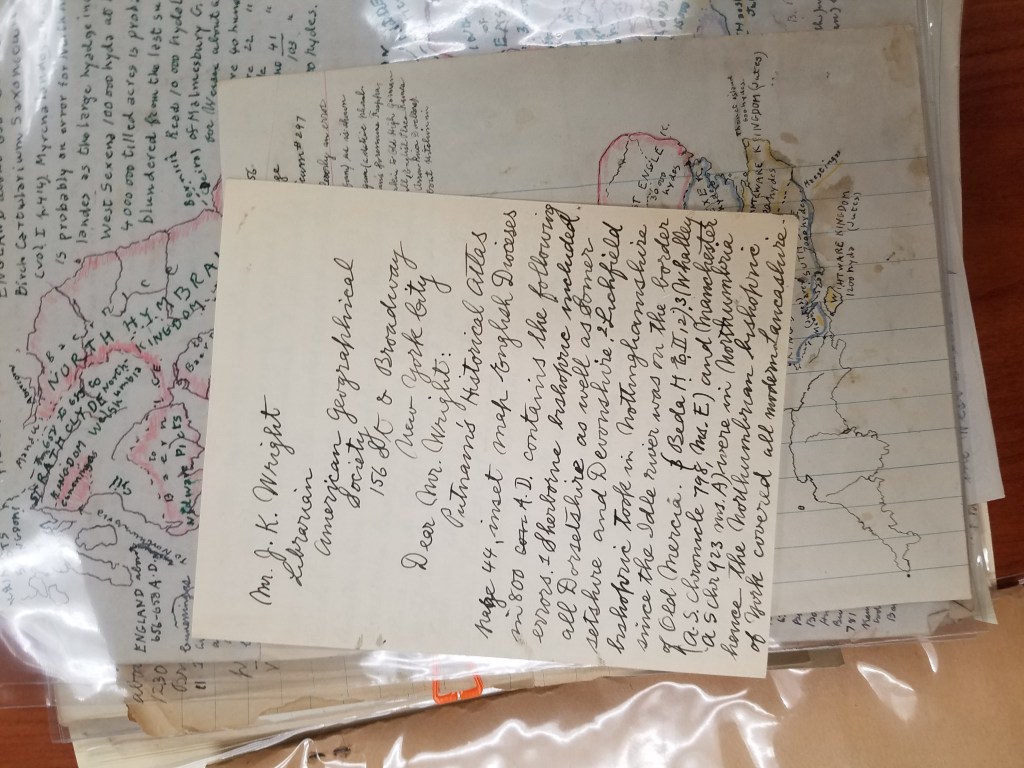
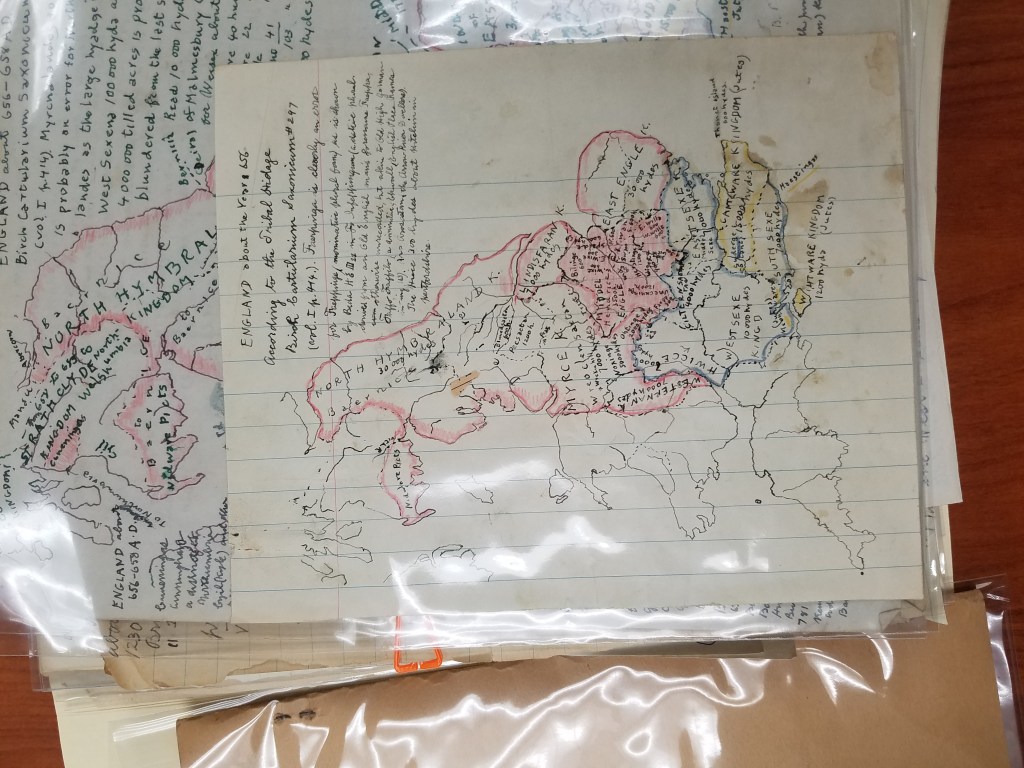
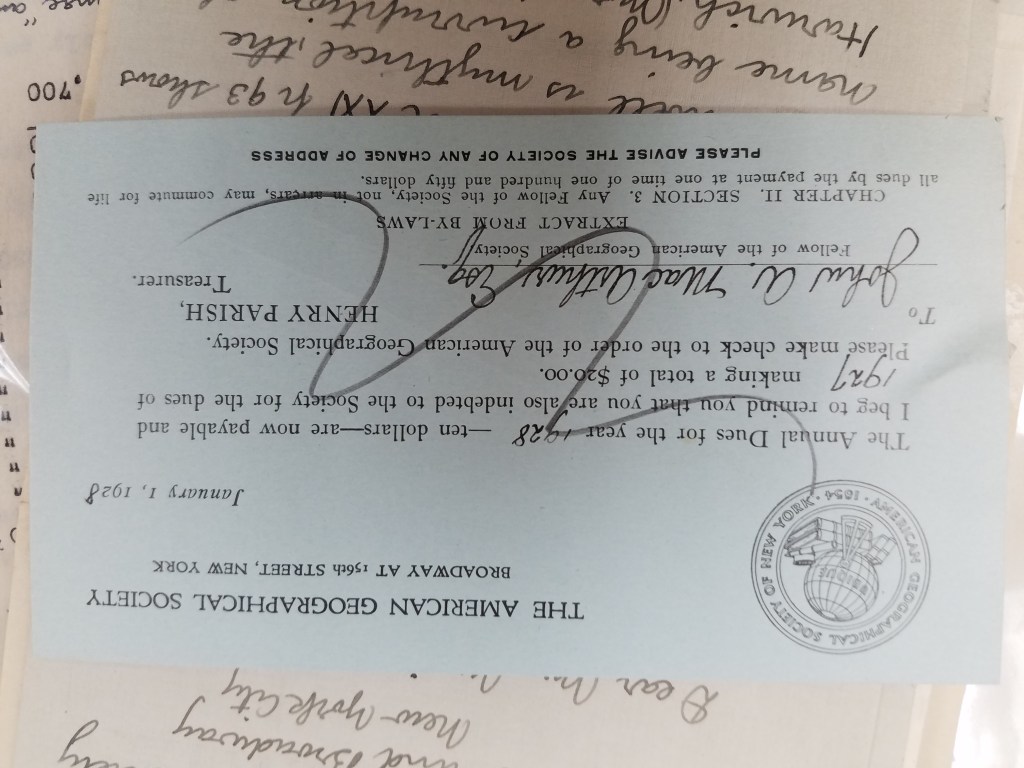
We didn’t know much, but we did know his name: Ernest G. Lemcke. We knew he was a card-carrying member of the American Geographical Society of New York because we have a record of his membership dues:
He wrote a trove of letters to Ena L. Yonge and John K. Wright. He bought a roadmap in 1926 and hand-drew a medieval military event in England from the 1300s. He was a book publisher in New York– which I discovered because some of his stationery had letterhead from Lemcke&Buechner, “Booksellers, publishers, importers.”
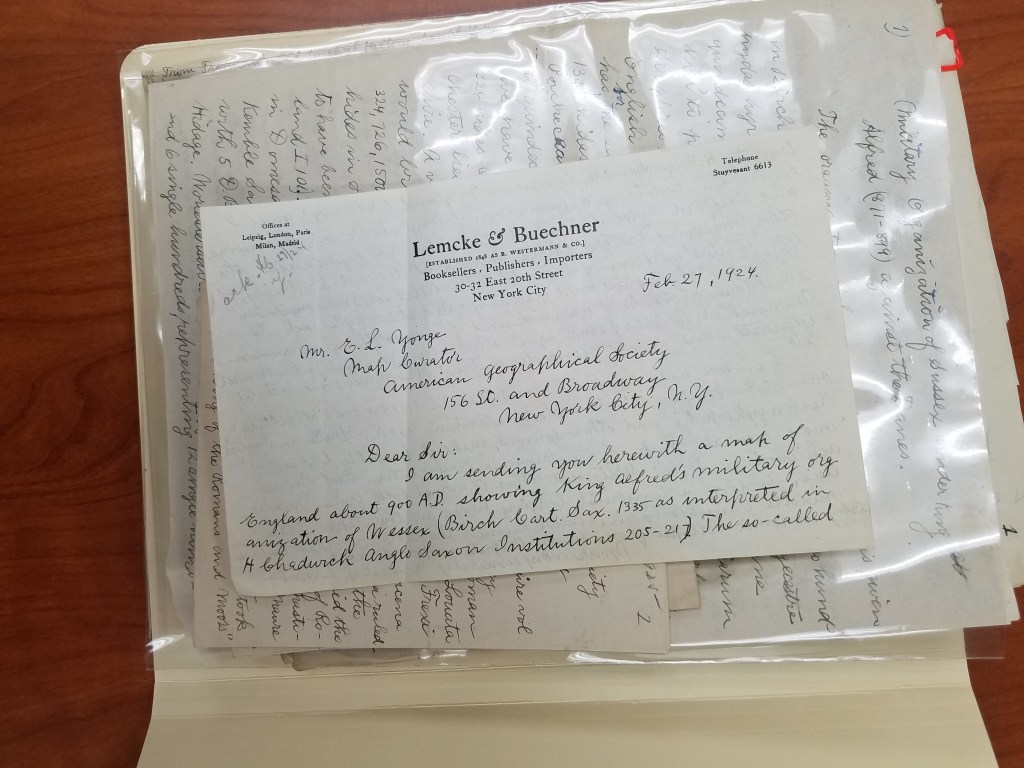
Part of the trouble with deciphering the box was figuring out what was meant for who. The maps were easy– Ena L. Yonge was map curator for the AGS of New York at the time, and his maps often came with a letter explaining what they were. But the partial manuscripts, many handwritten first drafts, and article corrections for the AGS’s periodical were mysterious and dense.
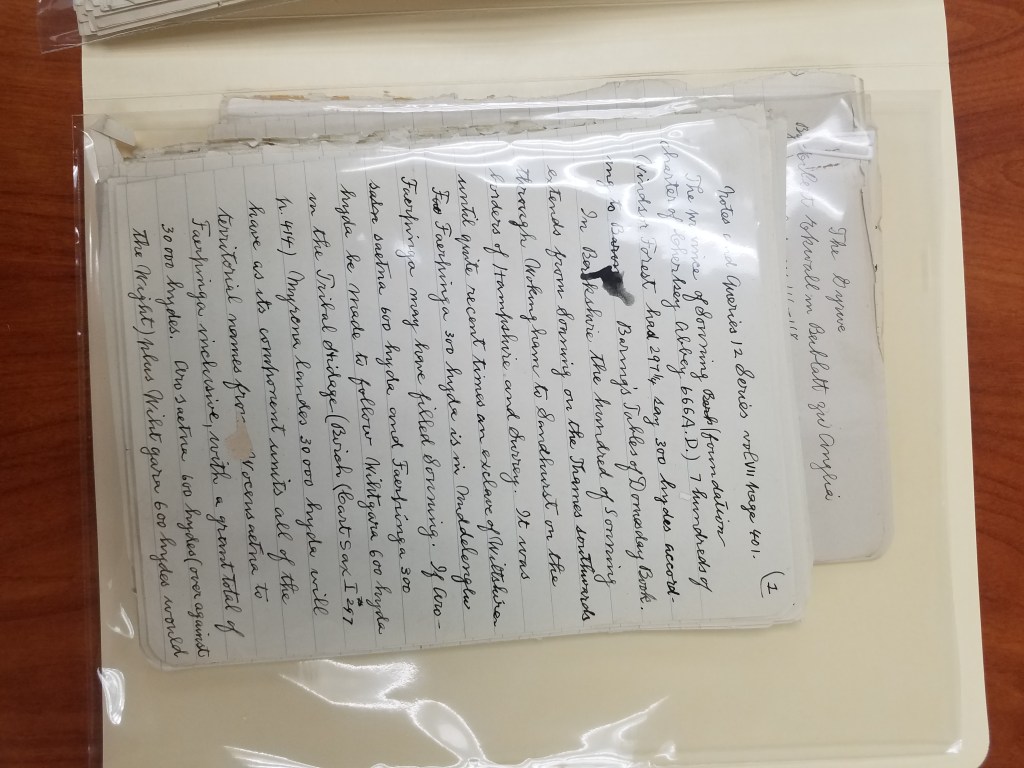
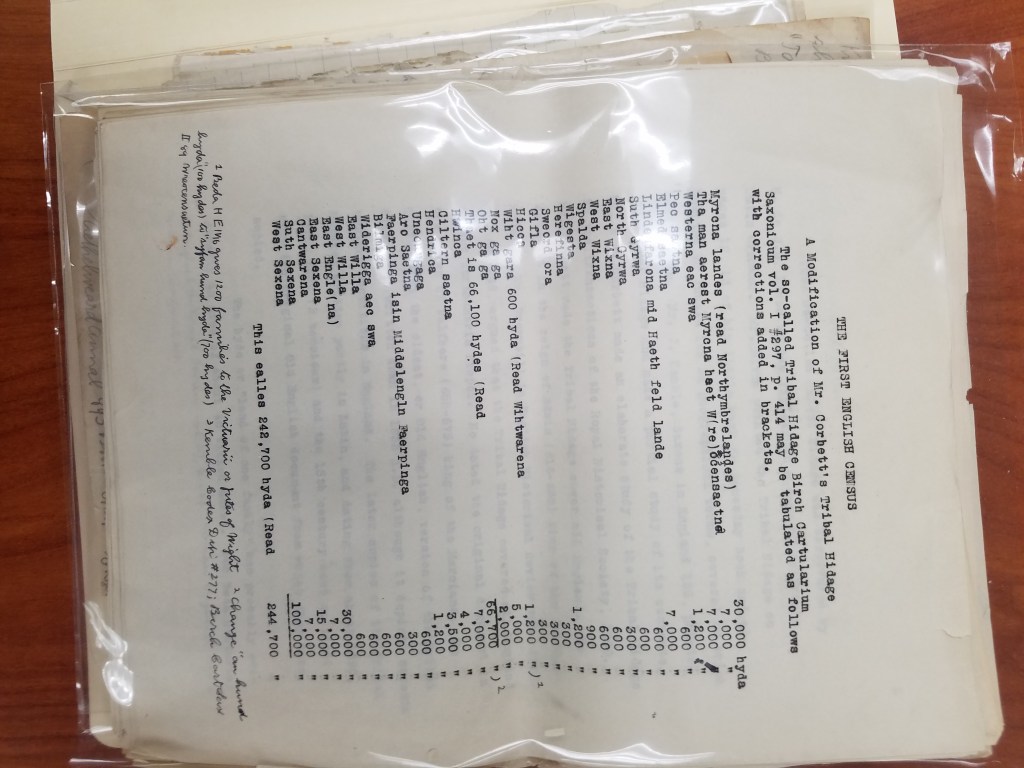
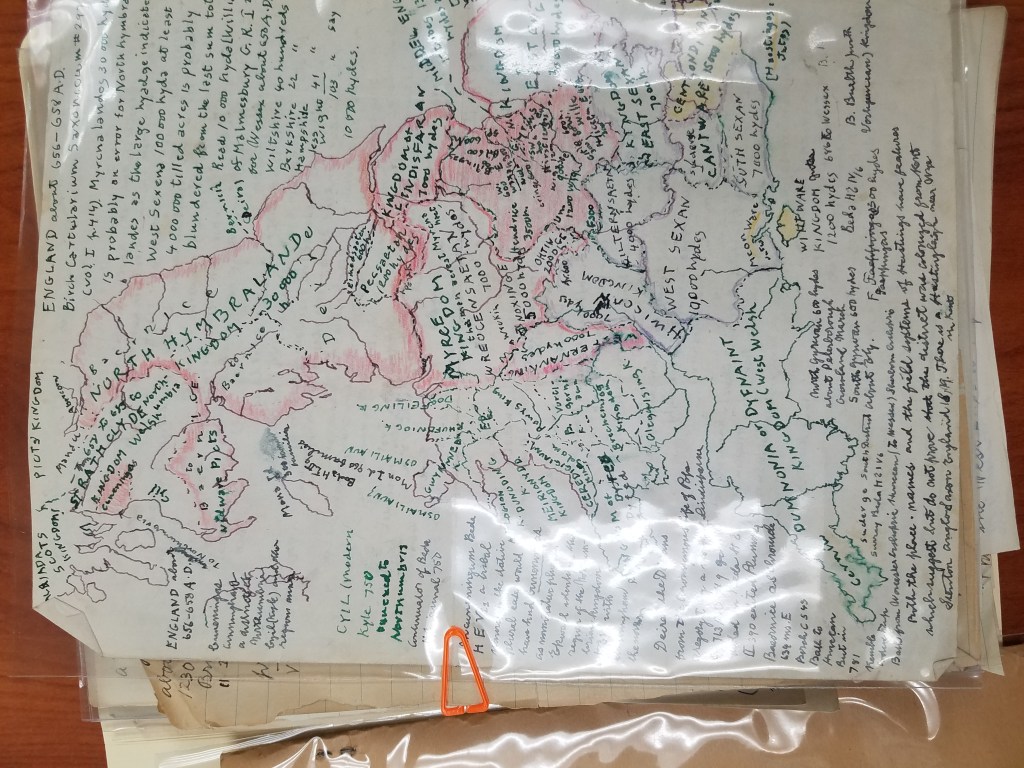
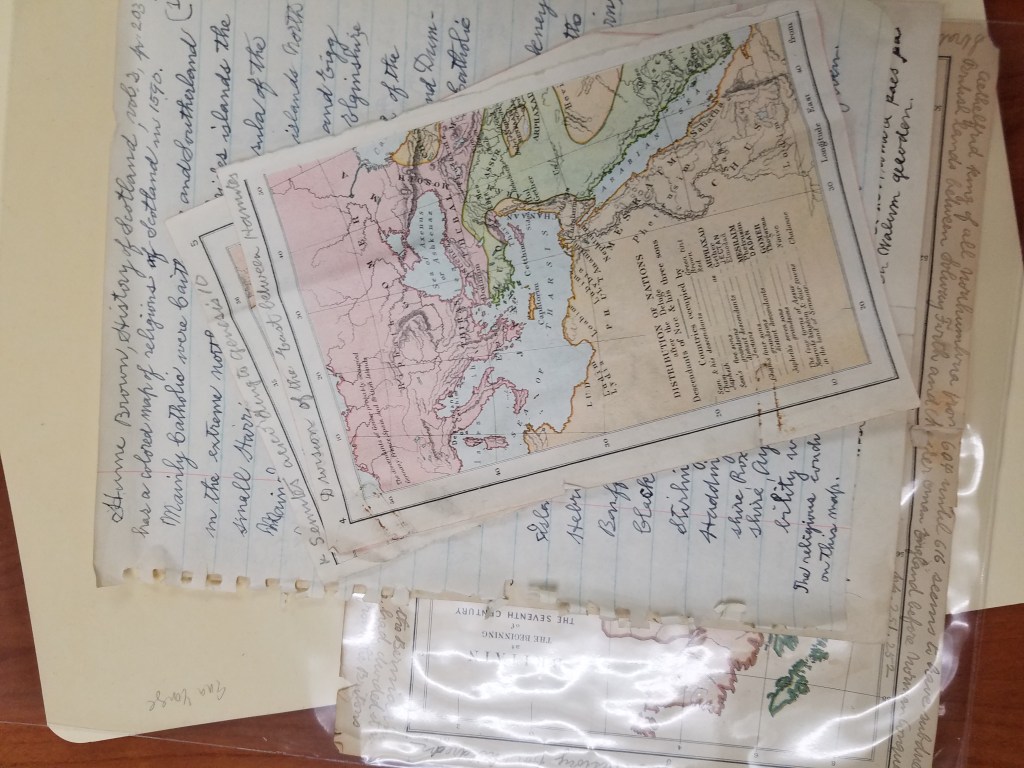
After many fruitless Google searches, I learned a few things about Lemcke: besides being a book publisher, he was also a historian with several books out, many specifically interested in the “Tribal Hidage” in Wessex. As it turns out, the University of New Hampshire also has a collection of Lemcke papers! Which was how I tracked down some of his publications and discovered that the many handwritten pages about a “tribal hidage” and the first English Census were partial drafts of his later, completed publications.
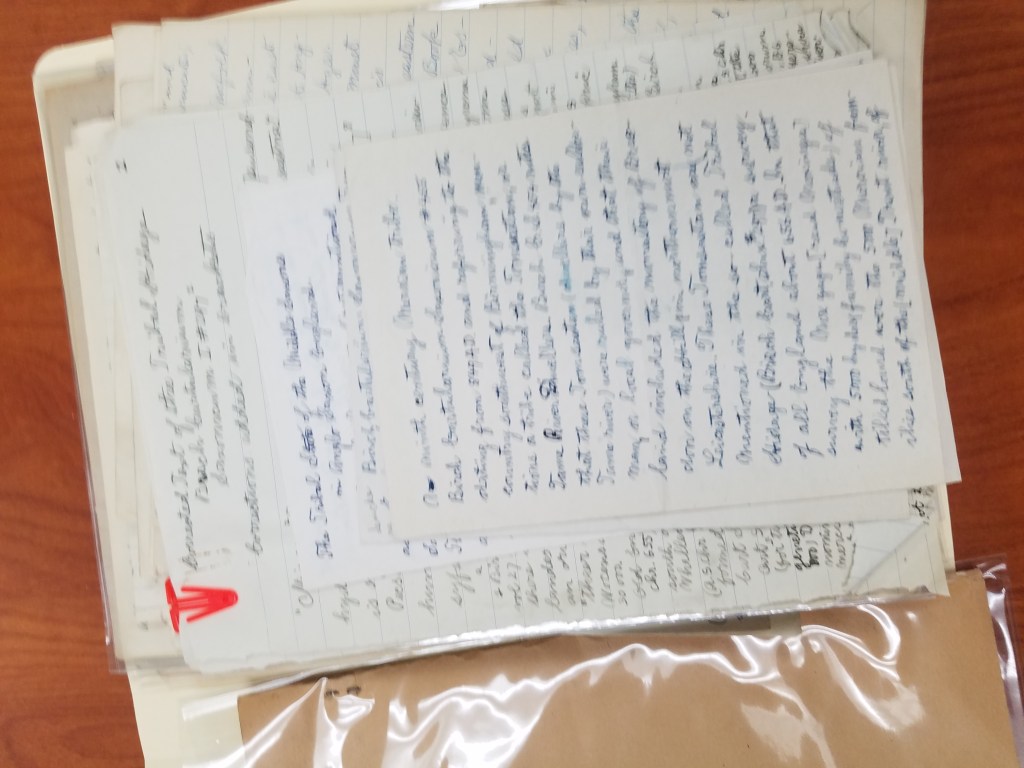
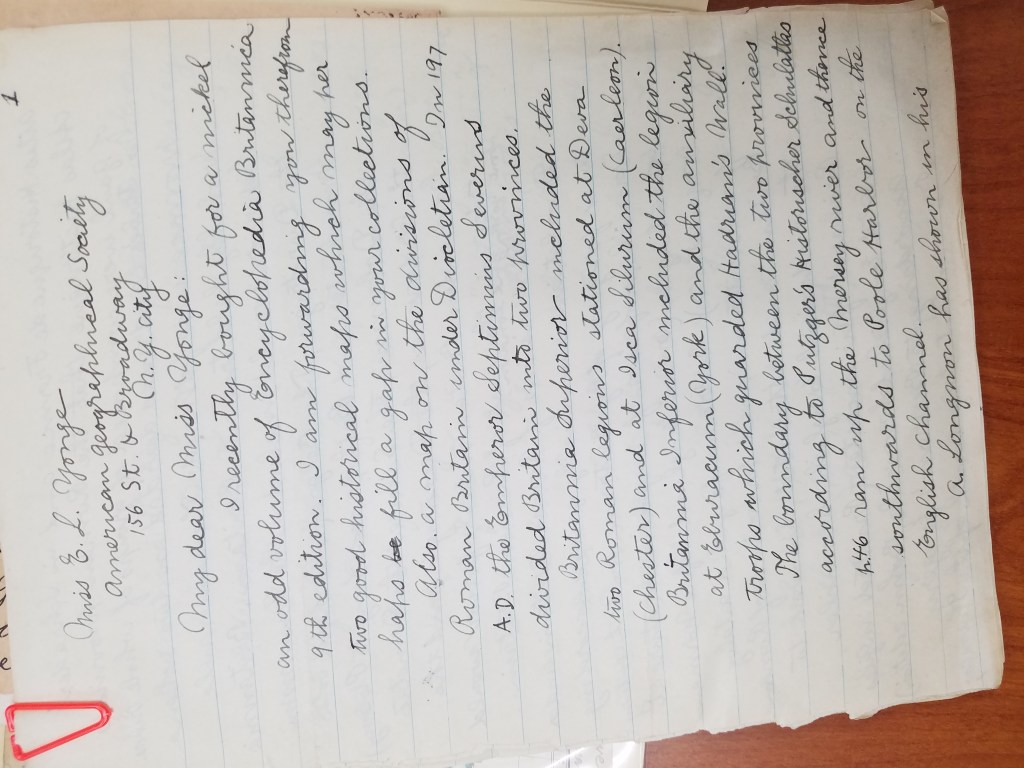
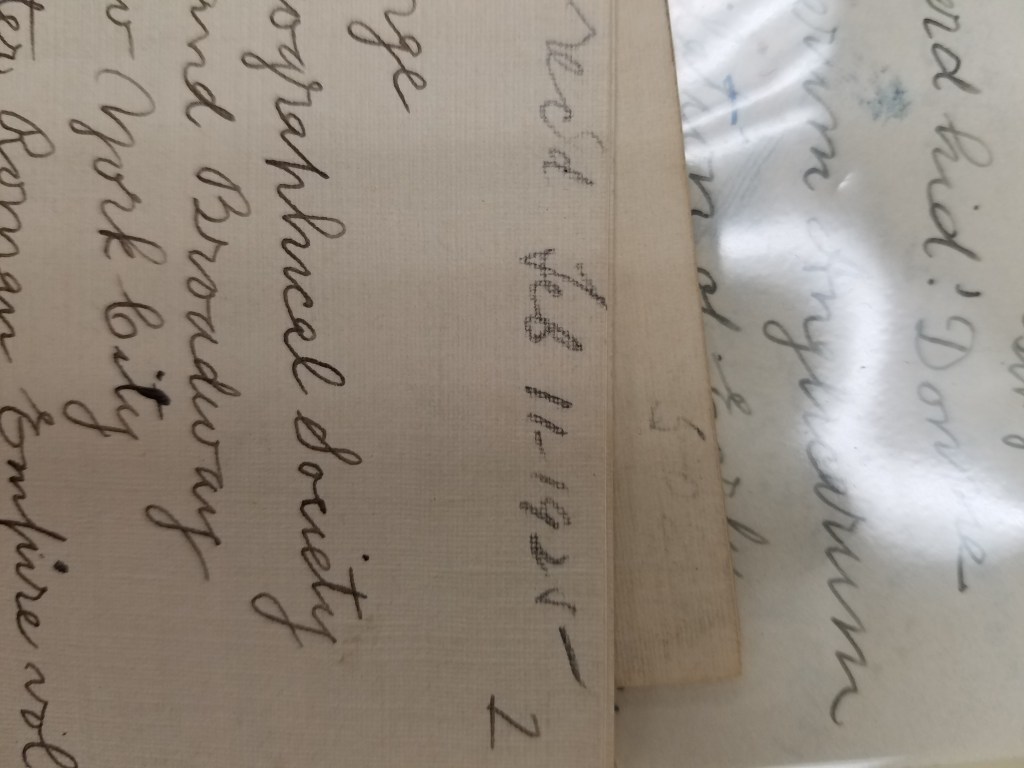
Now that I had a better idea of what we had, I came to the next part of the puzzle: putting it in order. I started with separating the things that were obviously addressed to Yonge or Wright. Maps were obviously meant for Yonge, and corresponded with letters that he had sent. John K. Wright was once director of the AGS of New York, but that didn’t help place many of Lemcke’s letters. But as it turned out, before he was director, Wright was the editor of the AGS’s regular publication from 1920-1956. This was exactly the period of time Lemcke was writing. The periodical corrections, then, seemed to be for the editor of the publication. And after reading Lemcke’s letters, I found him explaining corrections to his manuscript to Wright.
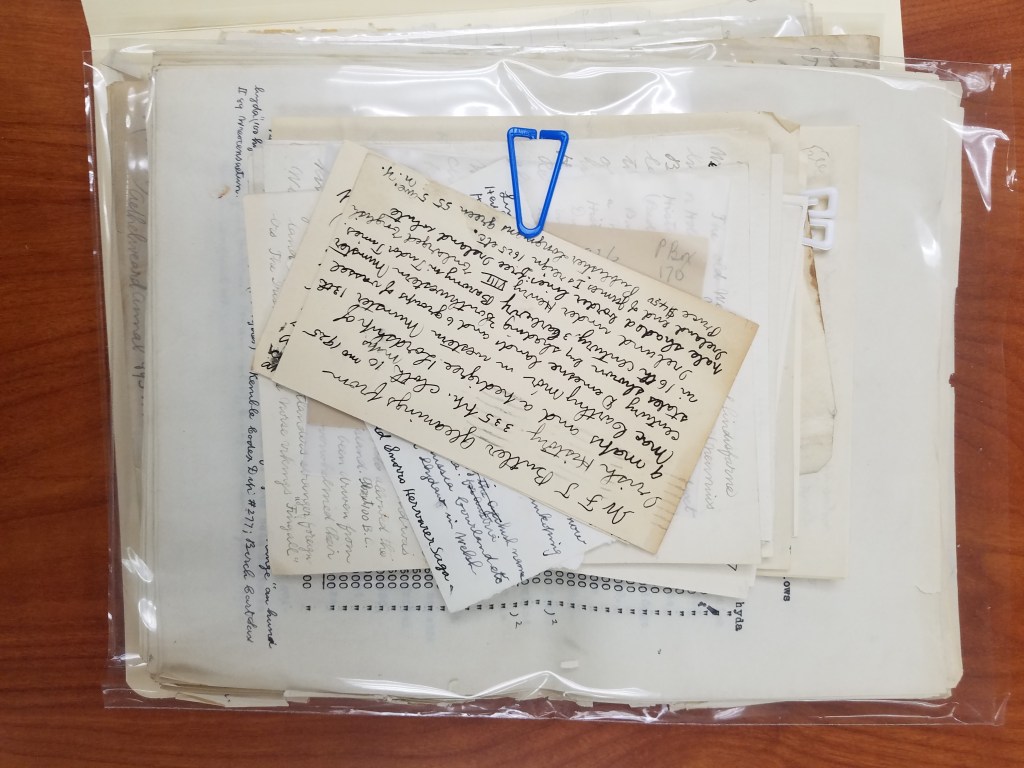
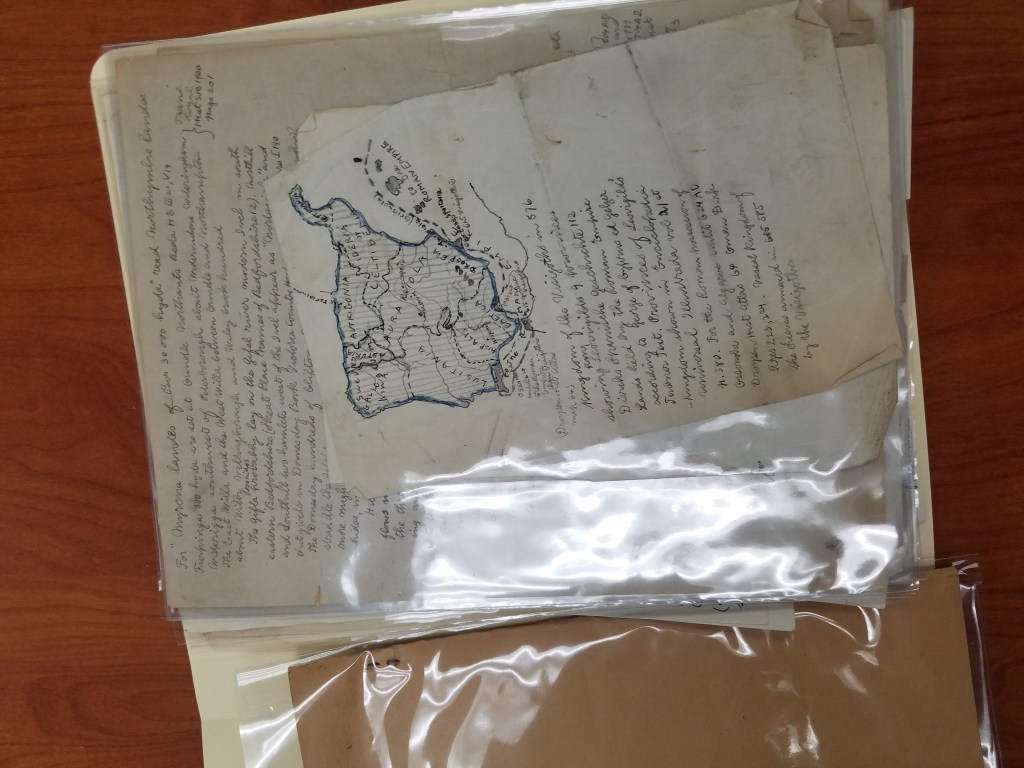
Once the letters were sorted by recipient, I started to put them in a chronological order. Some of the letters were dated– those were easy. But many of the letters weren’t dated. For several of them, I found a reference he made to an article he had just read, which helped me place it in the chronology. But many more had to be dated by their relationship to the other letters, which made for some puzzling work.
After finishing the work of putting the box in order, it was time to have it officially archived. This was definitely out of my expertise, so I reached out to fellow graduate intern Georgia Brown, who consulted our curator, Marcy Bidney, about what to do with the box.
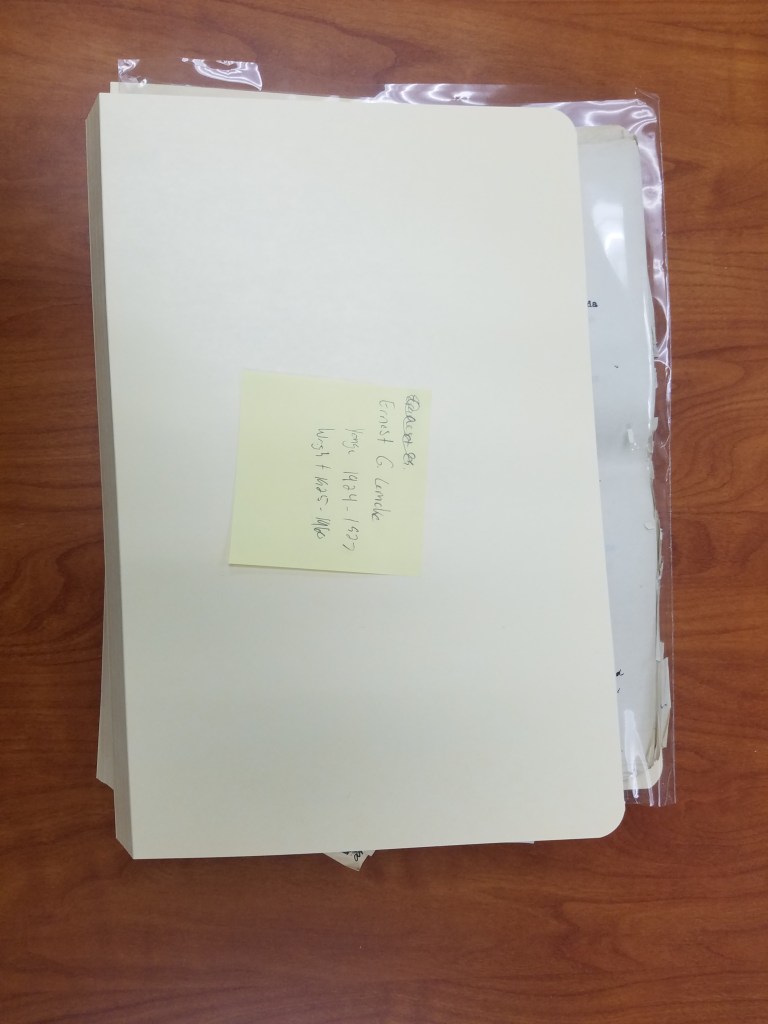
Soon, the Lemcke papers will be officially archived! Since all of his correspondence was addressed to Ena L. Yonge and John K. Wright, the letters will be incorporated into their existing correspondence collections, cataloged, and made available for viewing! And now, with a little puzzling, we have put a years-old AGSL mystery to rest.
Fair and Square: A Short History of World’s Fairs
By Lauren Maddox
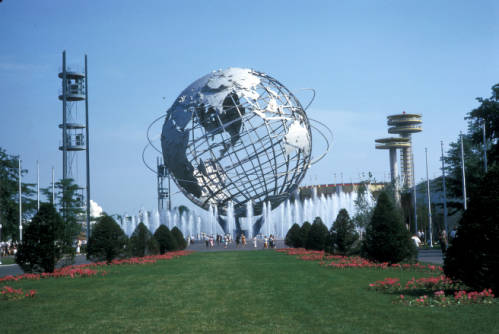
Unisphere Sculpture from 1964 New York World’s Fair, Taken by Harold Mayer. Click the link to see this photo in our Digital Collections!
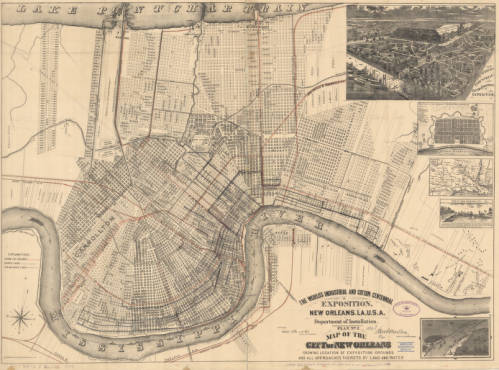
1884 Map of New Orleans’ Exposition Grounds. Click the link to see this map in our Digital Collections!
In 1984, Louisiana hosted a World’s Fair celebrating “The World of Rivers.” It was the last World’s Fair in the U.S. And it was the most financially disastrous fair in the history of World’s Fairs. To be fair, the point of hosting World’s Fairs and Expositions was never to make money– most host countries had to shell out exorbitant amounts of money to finance their fairs. But the point of the World’s Fair was never to make money; instead, these fairs were celebrations of progress and a chance to impress the international community. Host countries never expect to make a profit off of the Fair, but the 1984 Fair was particularly draining– it was the only Fair to ever go bankrupt.
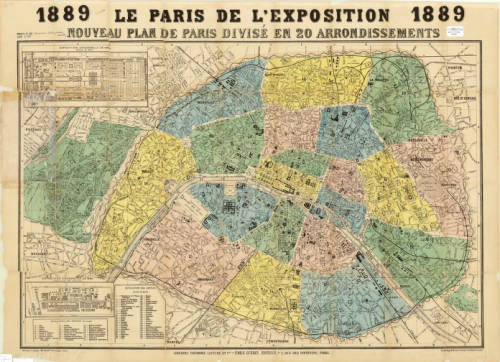
Map of Paris for the 1889 Exposition. Click the link to see this map in our Digital Collections!
But before the 1984 fair, the U.S. had a rich history as a member of the International Bureau of Exhibitions– they’ve hosted 30 World’s Fairs since their first in 1829. And before that?
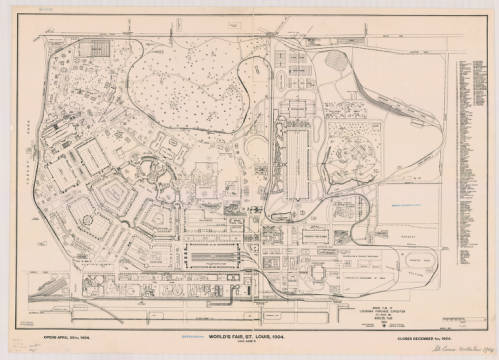
Ground Plan of Louisiana Purchase Exposition, 1904. Click the link to see this map in our Digital Collections!
The tradition of the World’s Fair is based heavily on French national expositions– but the first was actually hosted in Prague in 1791. This exposition was before World’s Fairs were standardized and regulated by the Bureau of International Expositions. These early expositions had their roots in Medieval festivals, and quickly became a way for post-revolution France to unite their new republic. The industry-focused expos continued under Napoleon but still focused on French products.
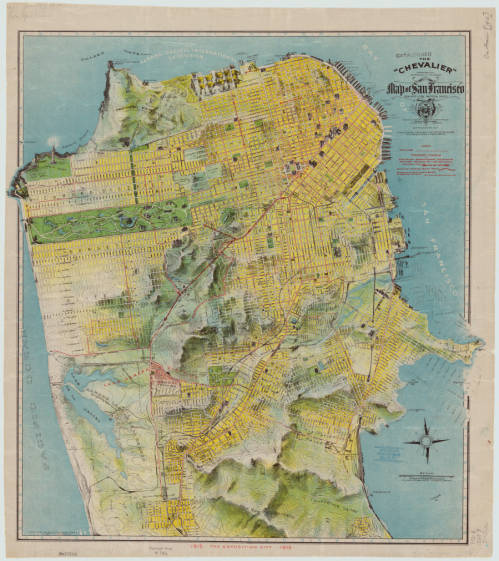
1912 Chevalier Map of San Francisco featuring the Panama-Pacific International Exposition grounds. Click the link to see this map in our Digital Collections!
The exposition most commonly cited as the first international affair is London’s Great Exposition in 1851. This World’s Fair was iconic– its great Crystal Palace became the symbol of World’s Fairs for years to come and continues to be one of the most quintessential Victorian structures.
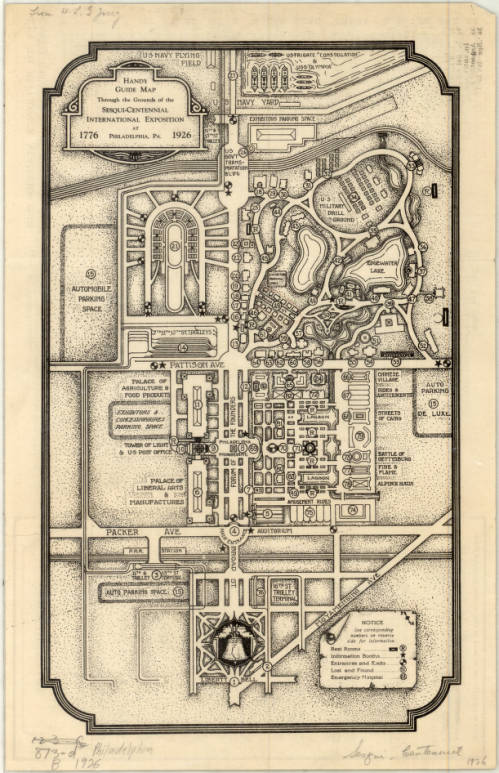
Complimentary Map of the Sesqui-Centennial International Exposition at Philadelphia, PA, 1926. Click the link to see this map in our Digital Collections! 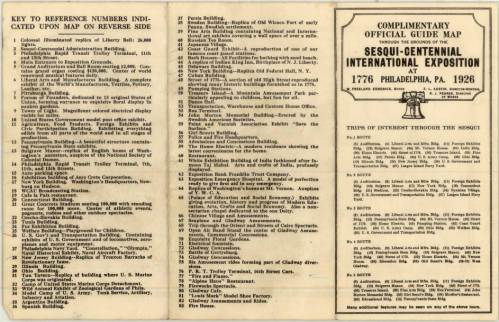
Points of Interest at the Sesqui-Centennial International Exposition at Philadelphia. Click the link to see this map in our Digital Collections!
In 1928, the Bureau of International Expositions (Bureau international des expositions) was established in order to oversee and approve of expo arrangements internationally and to set standards for expositions across nations. 170 countries are currently members of the BIE– including the United States. The BIE has remained in charge of international expositions ever since.
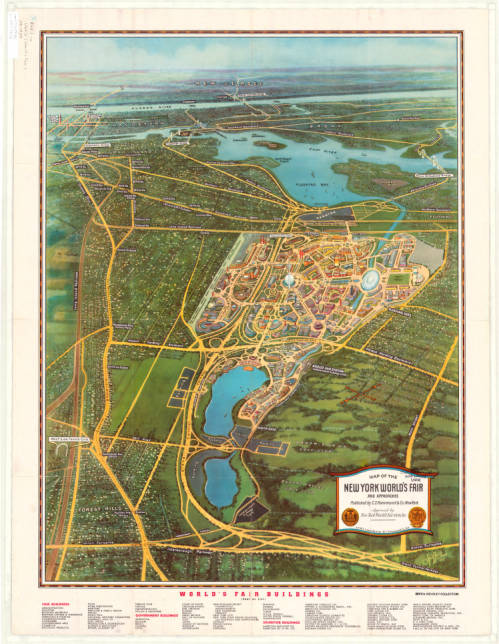
Map of the New York World’s Fair with Map of Greater New York’s Transit, 1939. Click the link to see this map in our Digital Collections! 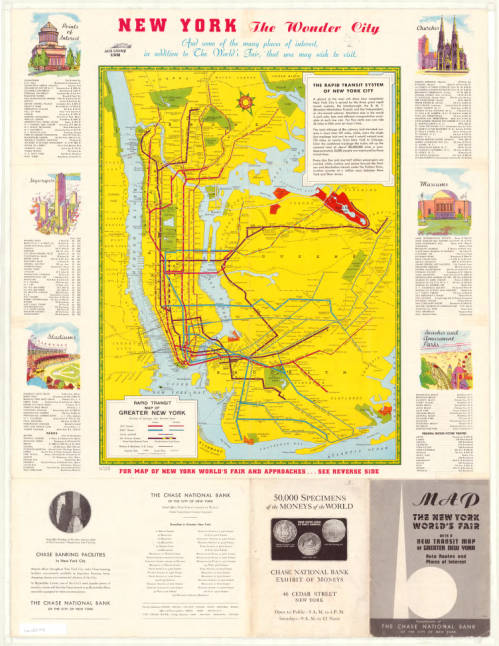
Map of New York Transit System with Points of Interest in the City, 1939. Click the link to see this map in our Digital Collections!
The nature of World’s Fairs have changed drastically since their Medieval beginnings– these fairs began as a way to unite communities, national and international, and then became an opportunity for countries to showcase their industrial prowess and establish themselves on the global stage.
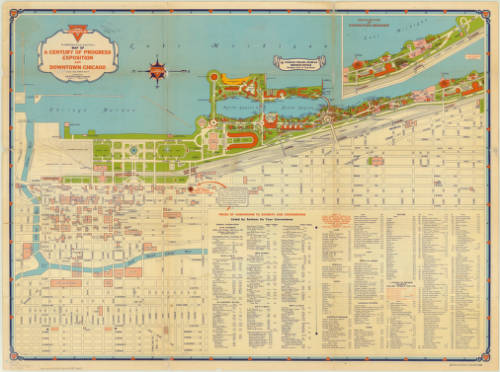
Map of Chicago’s 1933 World’s Fair. Click the link to see this map in our Digital Collections! 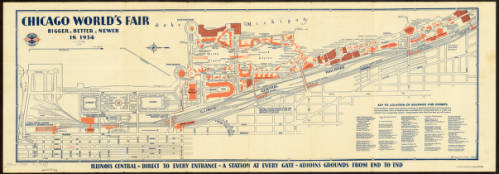
Map of Chicago’s 1934 World’s Fair. Click the link to see this map in our Digital Collections!
The 1984 exposition signaled the end of an era for World’s Fairs. It wasn’t just the last Fair to be hosted on American soil– it was also one of the first environmentally focused specialized expos. No longer are World’s Fairs an opportunity to flex wealth and status; instead, new expos are interested in environmentalism, building a sustainable future, and the building of a more united global community.
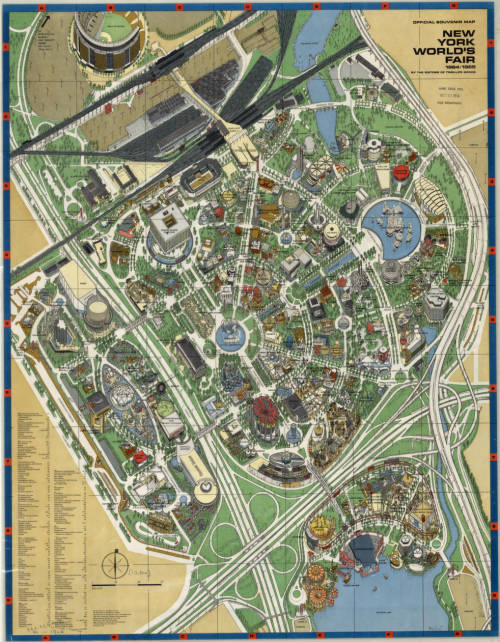
Map of New York’s 1964 World’s Fair. Click the link to see this map in our Digital Collections!
The United States withdrew membership from the BIE in 2002, but in 2017 rejoined. And maybe, in the near future, we can expect another Fair, as part of America’s long legacy of World’s Fairs, looking forward into a bright future.
Chinese Propaganda Posters
by Sean Yan
Chinese propaganda posters were a product of the Chinese Communist Party in the twentieth-century, created to glorify the efforts of the party. The posters were also intended to reinforce harmony between citizens and the government. They can usually be found in newspapers, calendars and textbooks. Artists today are inspired by these posters to capture this period in history and at the same time, to show criticism. There is a growing popularity of the propaganda poster style among designers of home decor and apparel, and this style is especially popular with the younger generations in China.
It has been more than a year since I first came to the U.S. from China. Although I was born and raised much later than when the propaganda posters were most popular, there were still many propaganda poster elements in Chinese society in the 1990s. One of the first projects I worked on after being hired at the AGS Library was the scanning of about 21 of these propaganda posters. I was surprised to see these posters, which haven’t been seen for years in China, here in Milwaukee. It feels different to see this collection in the U.S because most of what I had seen was in elementary school textbooks.
The AGS Library has 21 posters in total and here are a few examples:
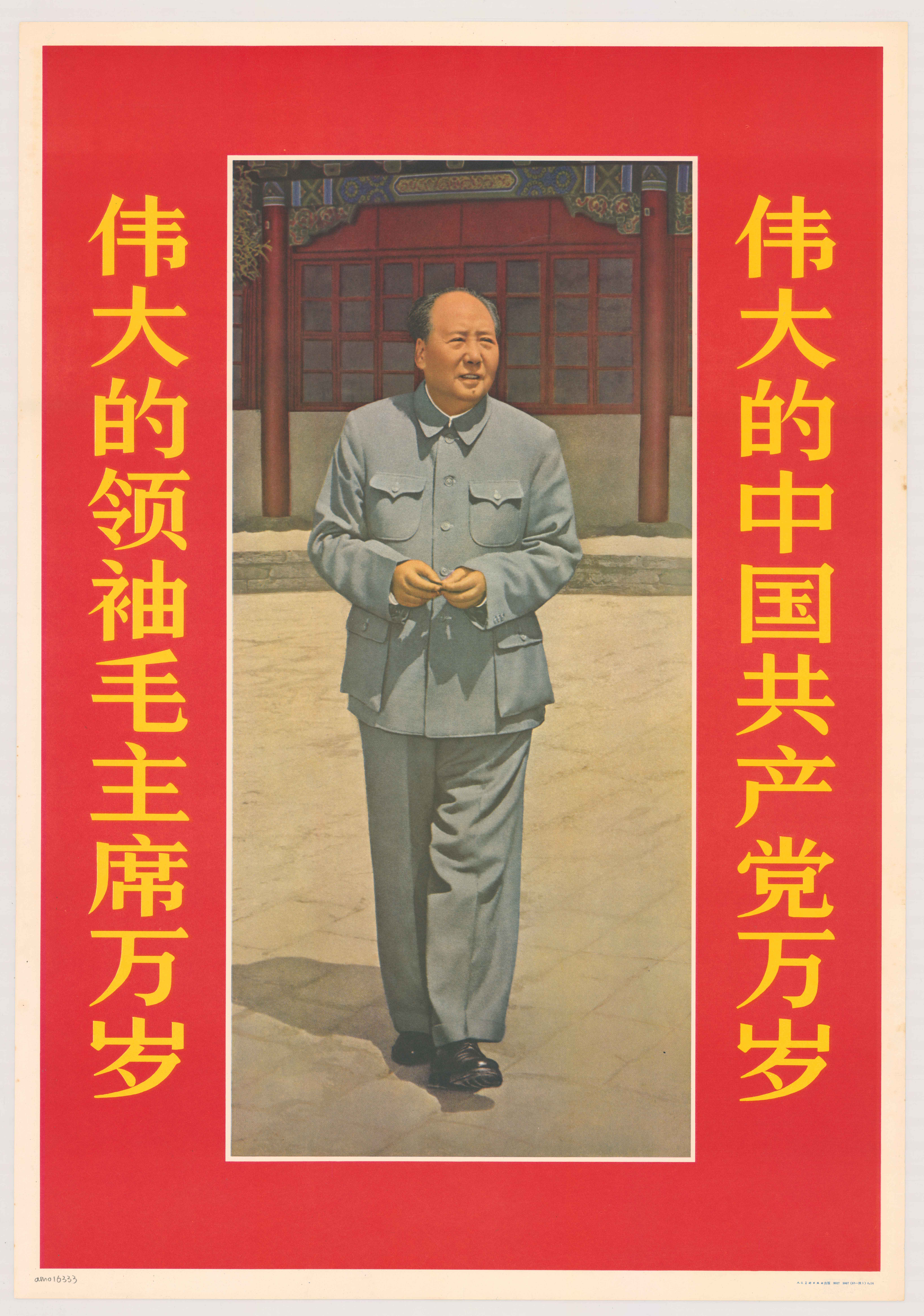
*Note: “Ten thousand years” is a phrase which expresses people’s worship of an emperor in ancient China, but it also can be used as a feeling of triumph. (There is a little bit of both in my personal view, the same for the other posters shown)
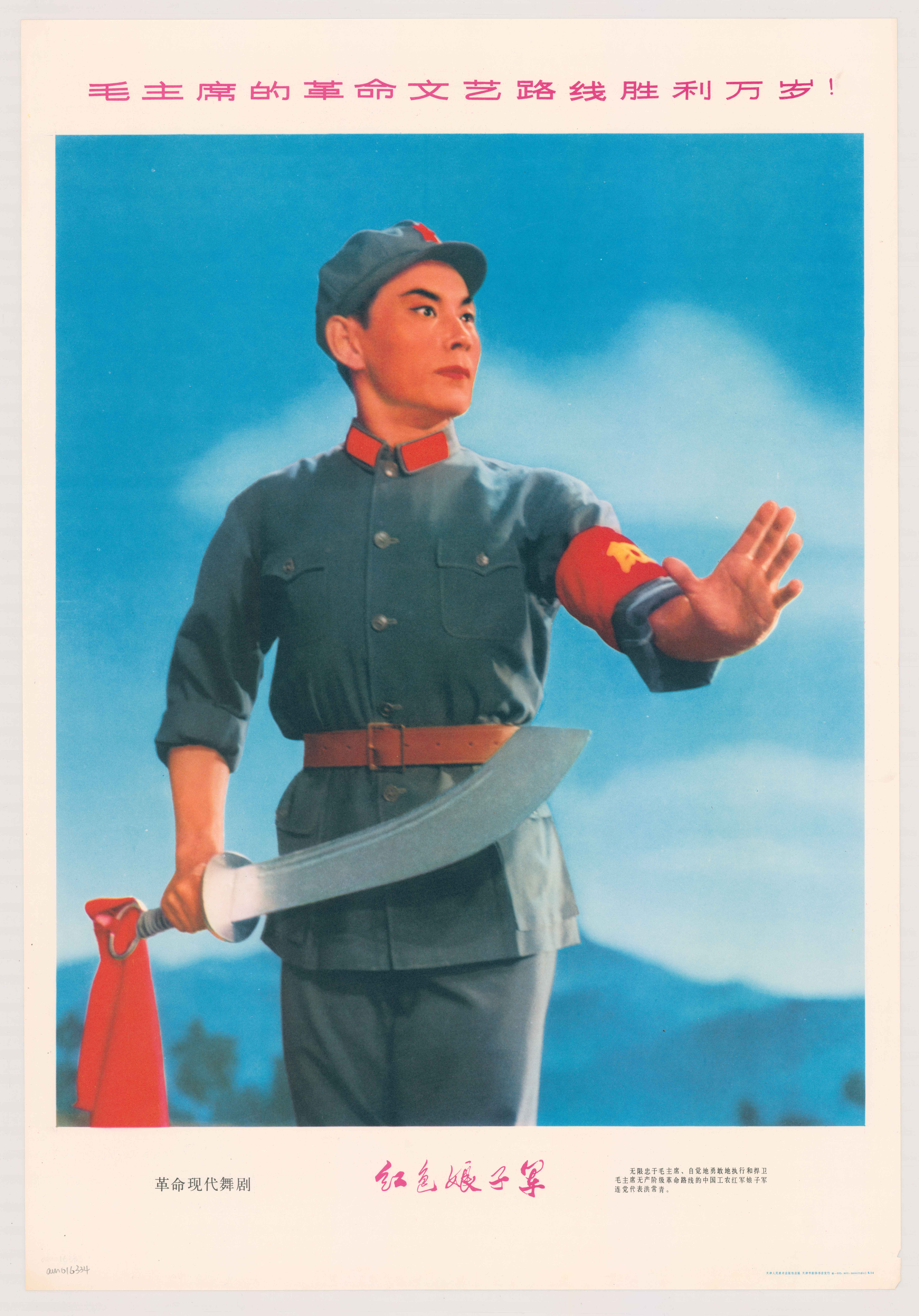
The poster above shows a character in contemporary ballet called “Red Detachment of Women (红色娘子军)” which is regarded as a masterpiece in modern China.
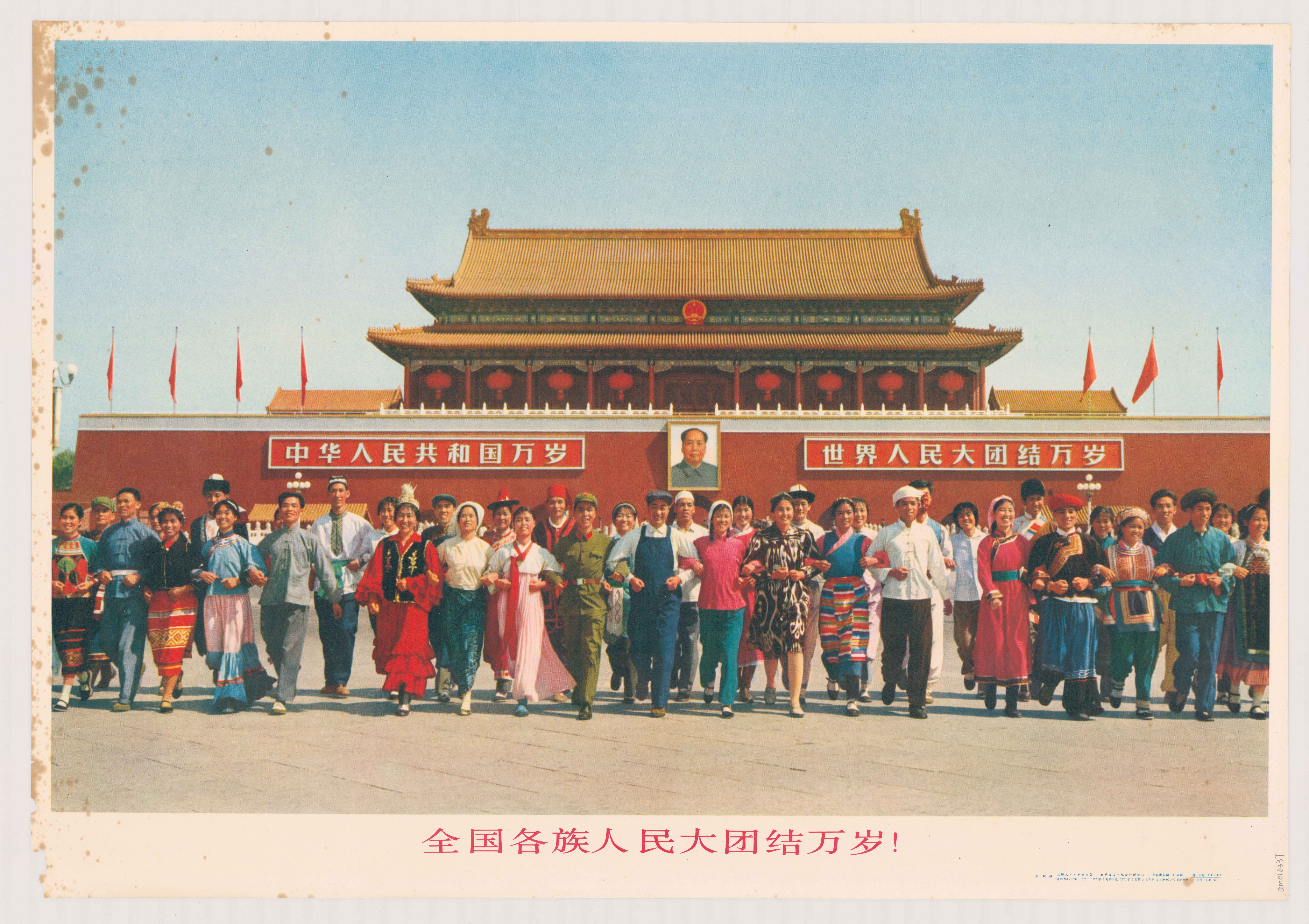
People in the poster above are standing in front of Tian’an Men, which is a national symbol of China. The poster stands for the unity of the 56 ethnicities of the entire nation. This is a very common image that you find in offices, homes and even some local government buildings.
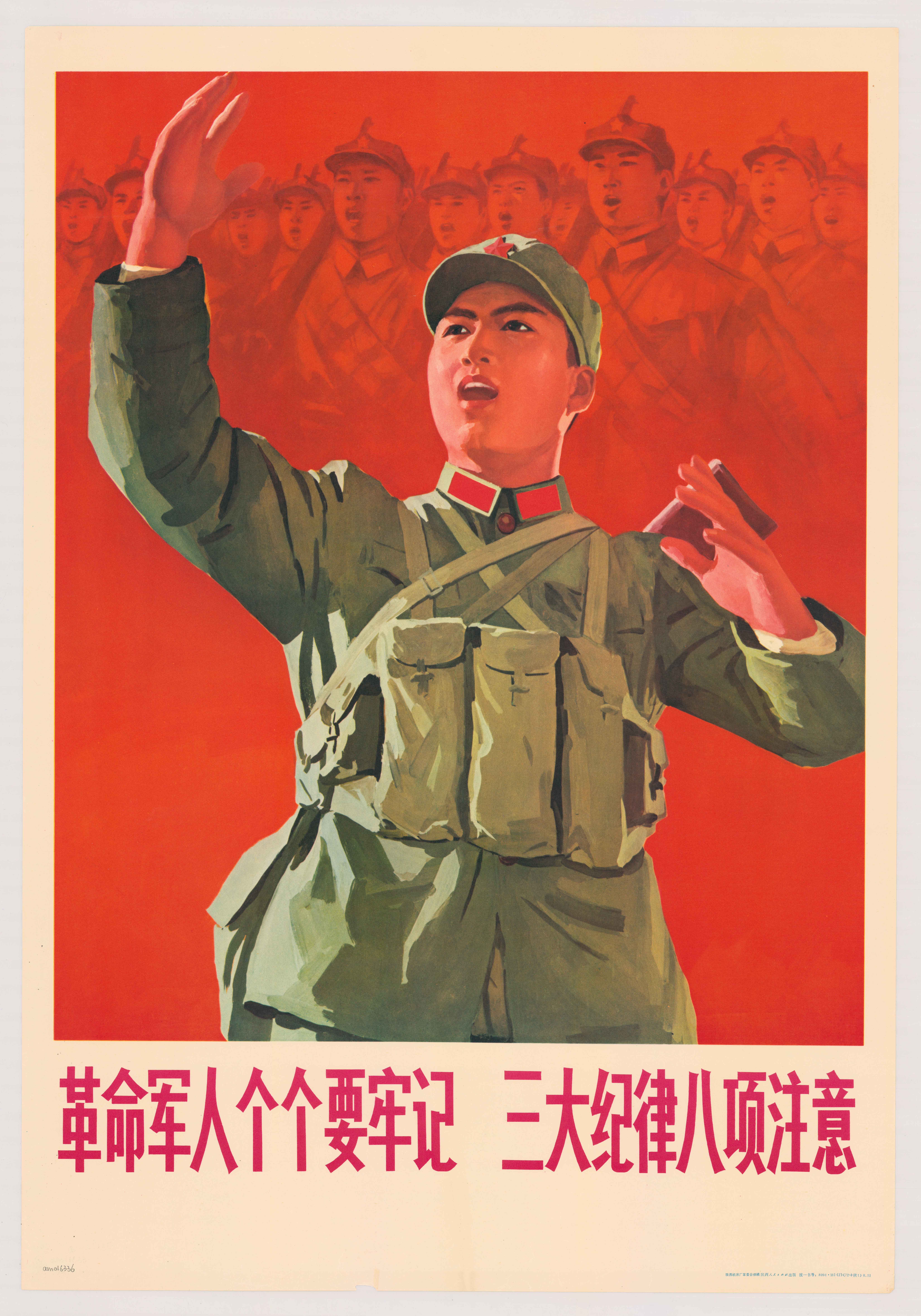
This poster reminds people of the “Military doctrine for the Chinese Red Army.”
The three rules are: 1. prompt obedience to orders; 2. no confiscation of people’s property; 3. turn in everything captured.
The eight points for attention are: 1. be polite when speaking; 2. be honest when buying and selling; 3. return all borrowed articles; 4. pay compensation for everything damaged; 5. do not hit or swear at others; 6. do not damage crops; 7. do not harass females; 8. do not mistreat prisoners.
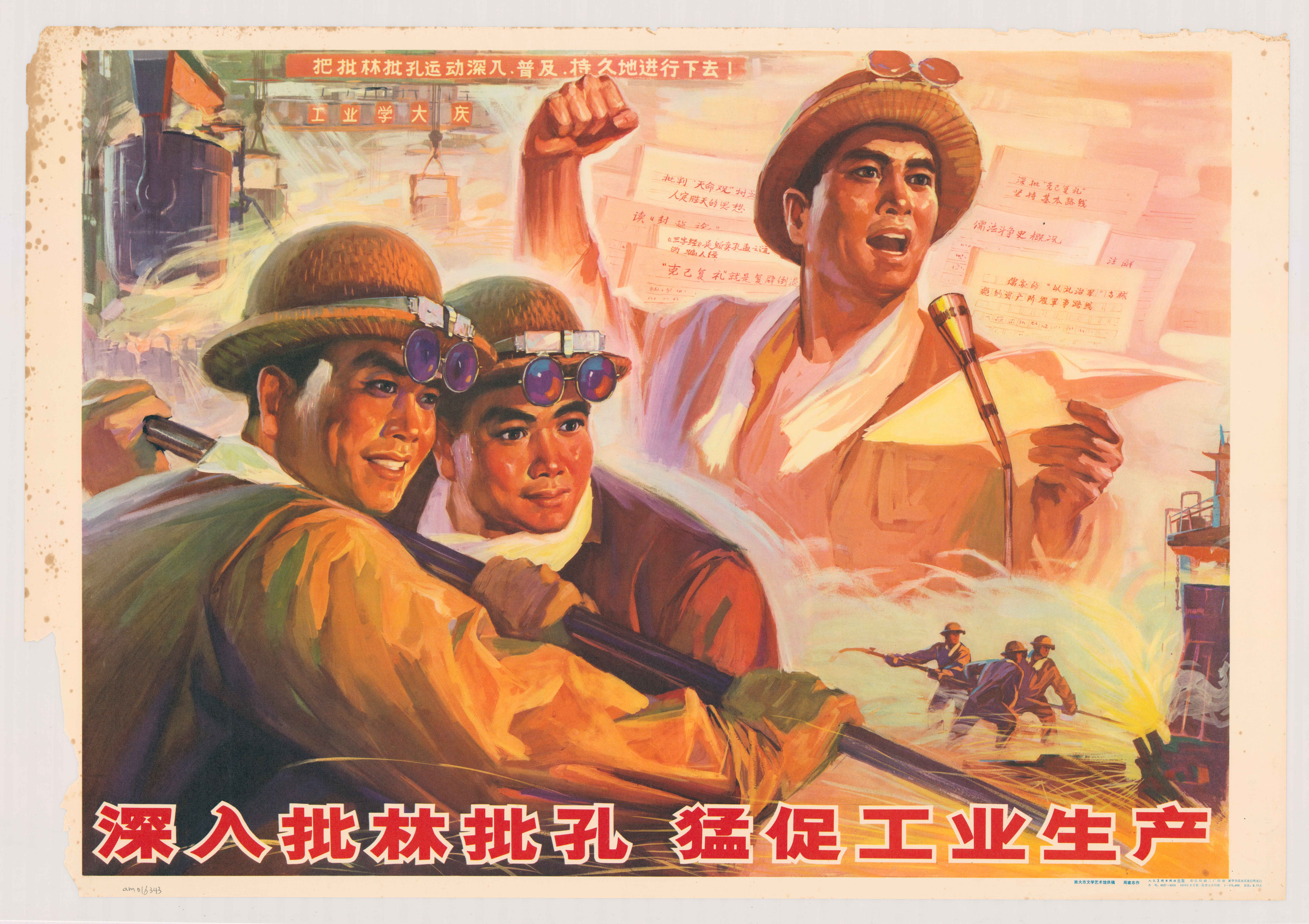
This poster is very representative of the great Cultural Revolution, started in 1966 and ended by 1976, which meant to reinforce Mao’s Communism by purging remnants of capitalist and traditional elements from Chinese society. “Lin” refers to Lin Biao who was the vice president of People’s Republic of China and “Kong (孔)” refers to Confucius. Due to Mao’s political theory, he encouraged the public to criticize Confucius, Confucianism and Lin who was officially condemned as a traitor by the Communist Party after a failed coup attempt against Mao.
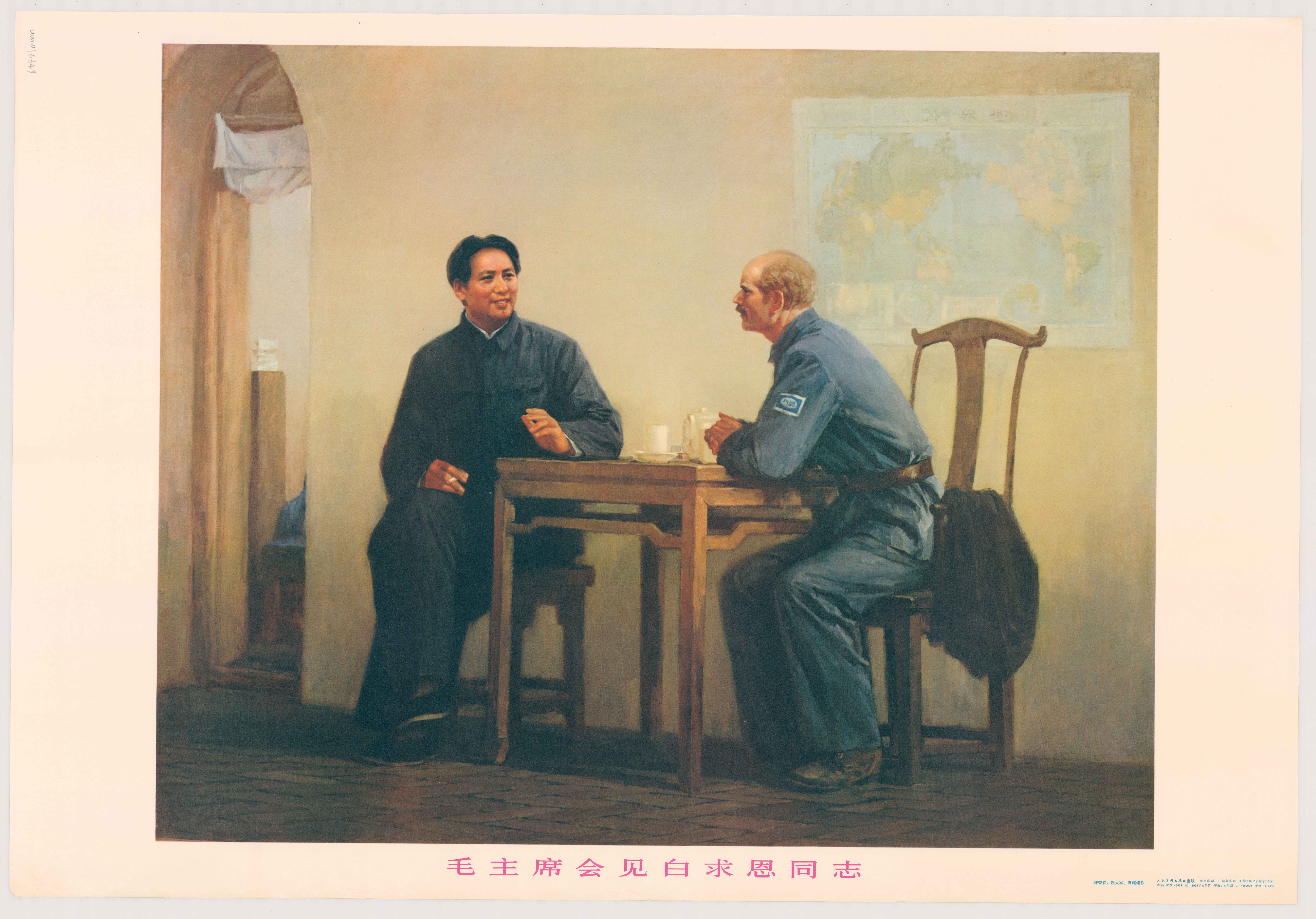
As a surgeon, Bethune greatly helped Eighth Route Army soldiers who had been wounded on the front line during the Second Sino-Japanese War that would earn him enduring acclaim. Dr. Bethune was greatly praised by Mao and has been included in school textbooks ever since.
You are more than welcome to leave any comments below in regards to Chinese propaganda posters or anything about China. Feel free to stop in and check out the rest of the posters and our collections at AGS Library 3rd floor, east wing of UWM Libraries.
A Fan with a View
by Bob Jaeger
Arctic Fan. Kinda sounds like an industrial strength air-conditioner, one that would keep your house extra cool in the summer. But these words describe a nineteenth-century hand-held fan with an Arctic view painted on it. This fan is held at the AGS Library, UW Milwaukee as part of the American Geographical Society of New York Archives.
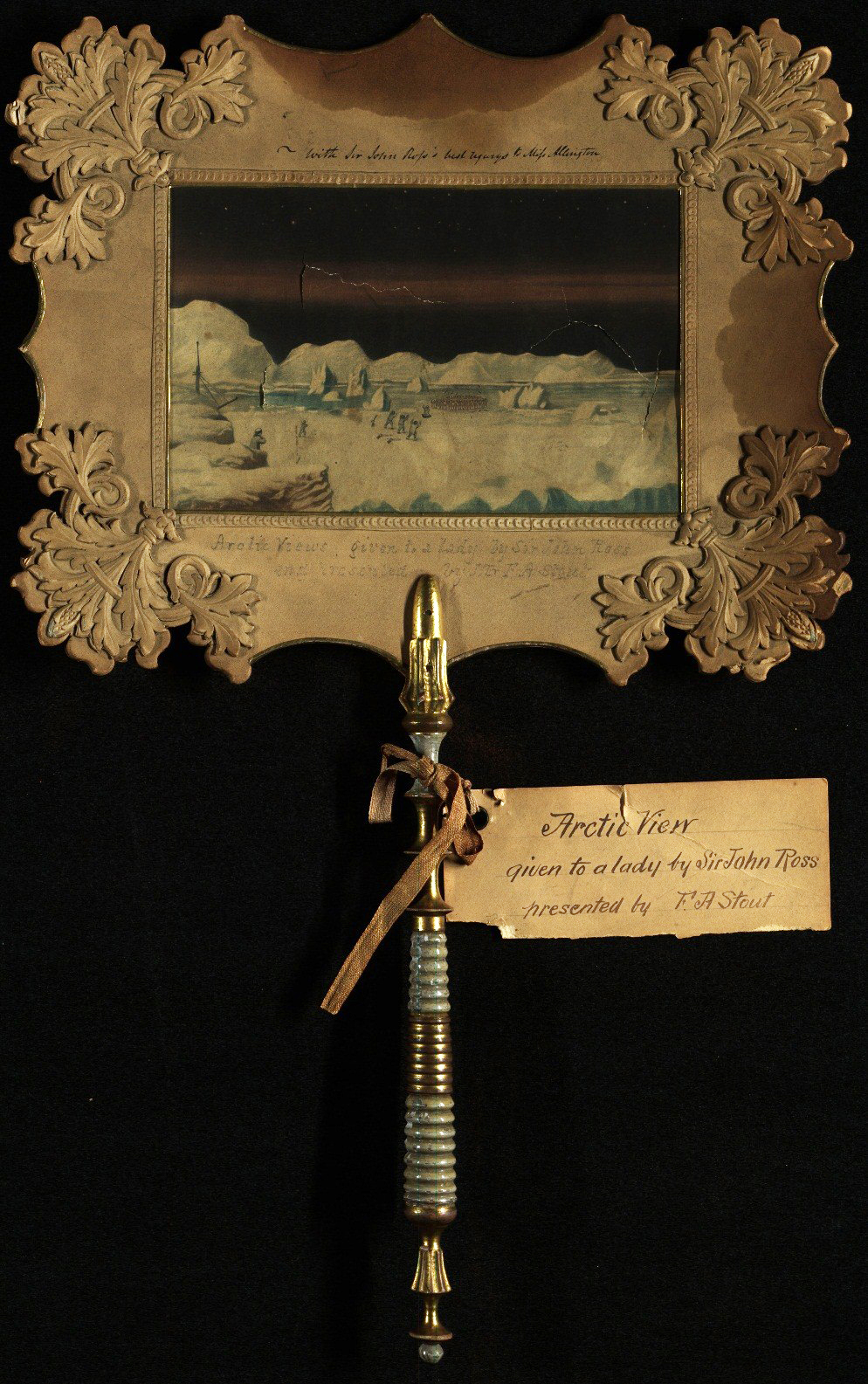
While it is unclear who painted the image, the fan was given to a Miss Allington by the Arctic explorer John Ross (1777-1856), who made three voyages to the Arctic. It was later presented to the AGS by one of its vice presidents, Francis A. Stout in 1871.
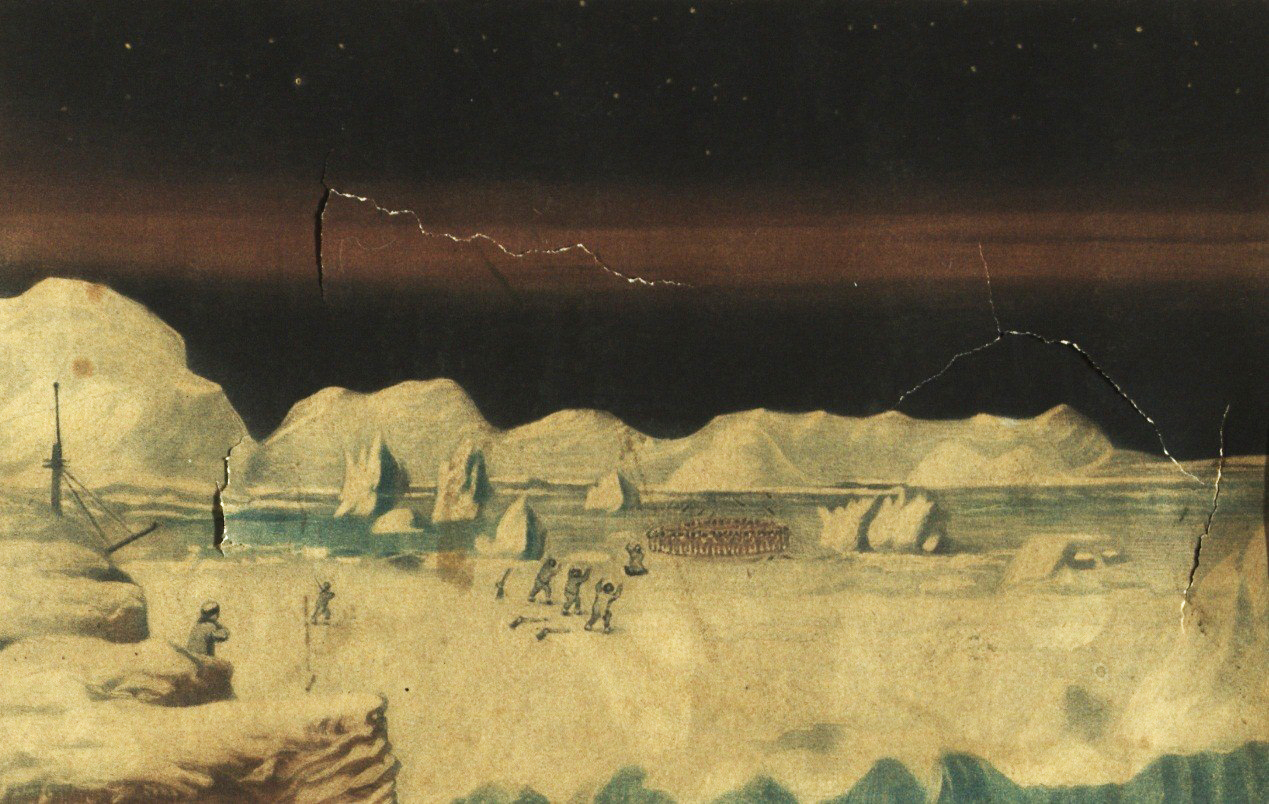
The fan is ornately designed, with a watercolor painting of an Arctic scene, an elaborate wooden handle, and a decorative trim and border. In an era without air conditioning, a snowy landscape like this might have helped keep the user a little bit cooler when looking upon this wintery scene.
We’d love to learn more about this fan and invite comments below.

