Bob Jaeger
Documents from Formosa
by Bob Jaeger
Taiwan, formerly known as Formosa, was under Dutch colonial rule from 1624-1662, primarily to trade with China and Japan. The Dutch missionaries also had other motives, such as attempting to convert the aborigines to Christianity. But at the same time, they also taught them reading and writing, using romanization schemes for the different Formosan languages.
After the Dutch were expelled by China, some of the aborigines retained this system of writing, which they continued to use for roughly the next hundred years.
The American Geographical Society of New York Archives contains three documents by the aborigines written during this period of post-colonization. They are all land contracts with China.
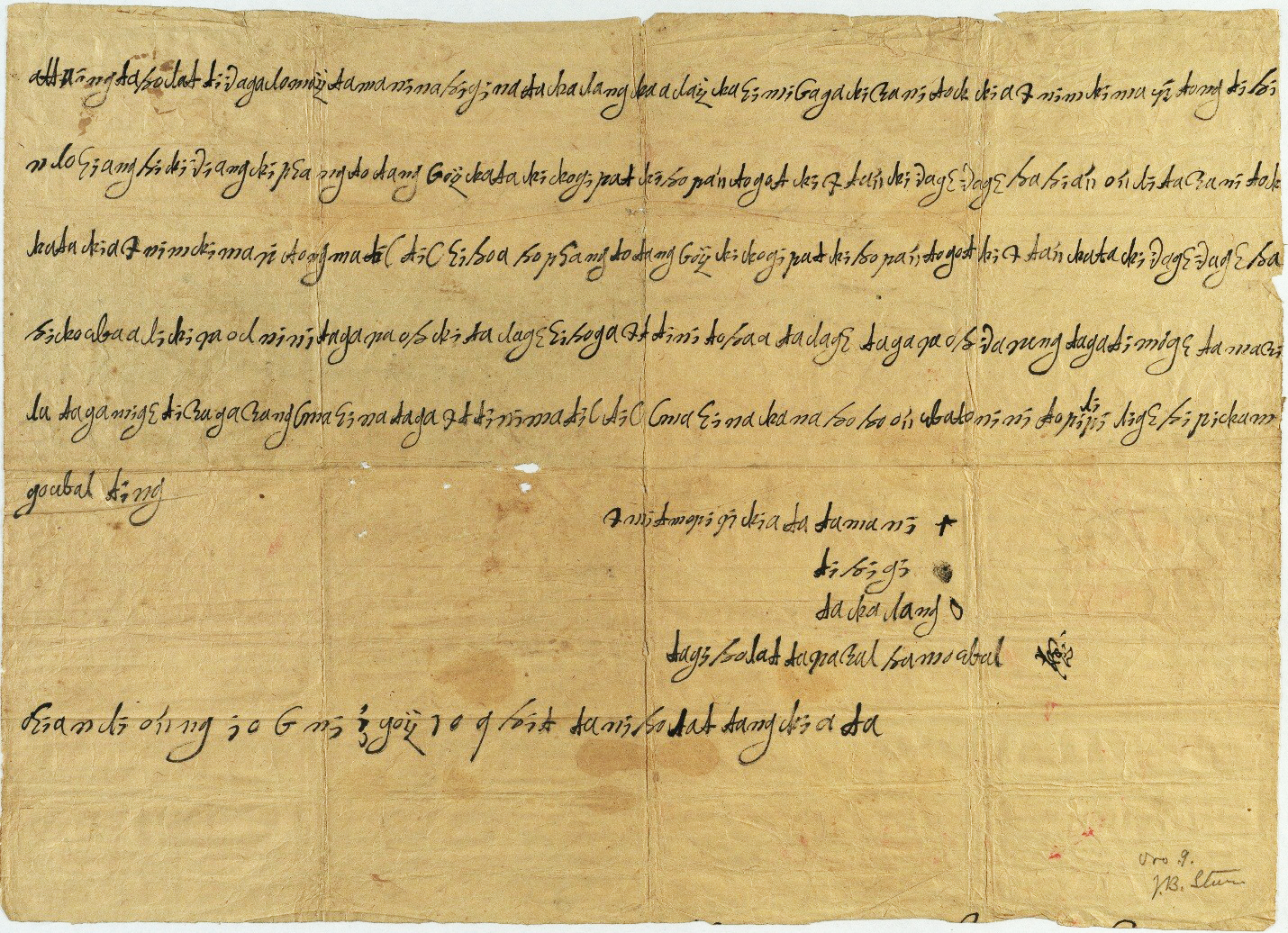
The AGS acquired these documents from Joseph B. Steere in 1874. A professor of zoology at the University of Michigan, Steere visited Formosa for six months from 1873-1874. He collected various types of biological and anthropological data from the island and its people. The documents date from 1723-1776 and vary in size and handwriting.
These particular documents are written in the Pepowhan (Siraya) language, which was spoken in the southwestern plain of Taiwan. The language became extinct in the first half of the 19th century, but can still be translated by scholars who specialize in the aboriginal people of Formosa. This artifact is held at the AGS Library, UW Milwaukee as part of the American Geographical Society of New York Archives.
A Fan with a View
by Bob Jaeger
Arctic Fan. Kinda sounds like an industrial strength air-conditioner, one that would keep your house extra cool in the summer. But these words describe a nineteenth-century hand-held fan with an Arctic view painted on it. This fan is held at the AGS Library, UW Milwaukee as part of the American Geographical Society of New York Archives.
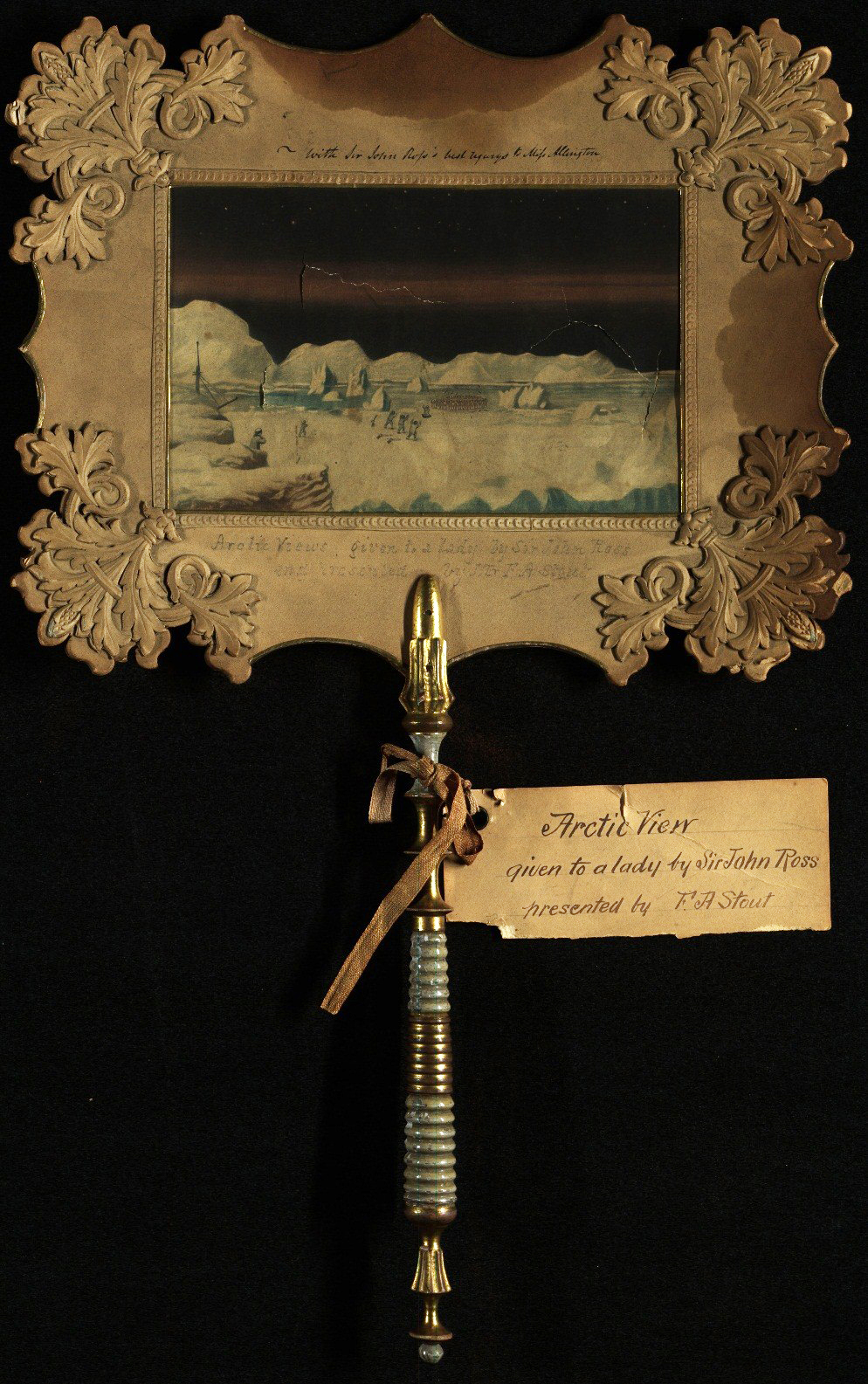
While it is unclear who painted the image, the fan was given to a Miss Allington by the Arctic explorer John Ross (1777-1856), who made three voyages to the Arctic. It was later presented to the AGS by one of its vice presidents, Francis A. Stout in 1871.
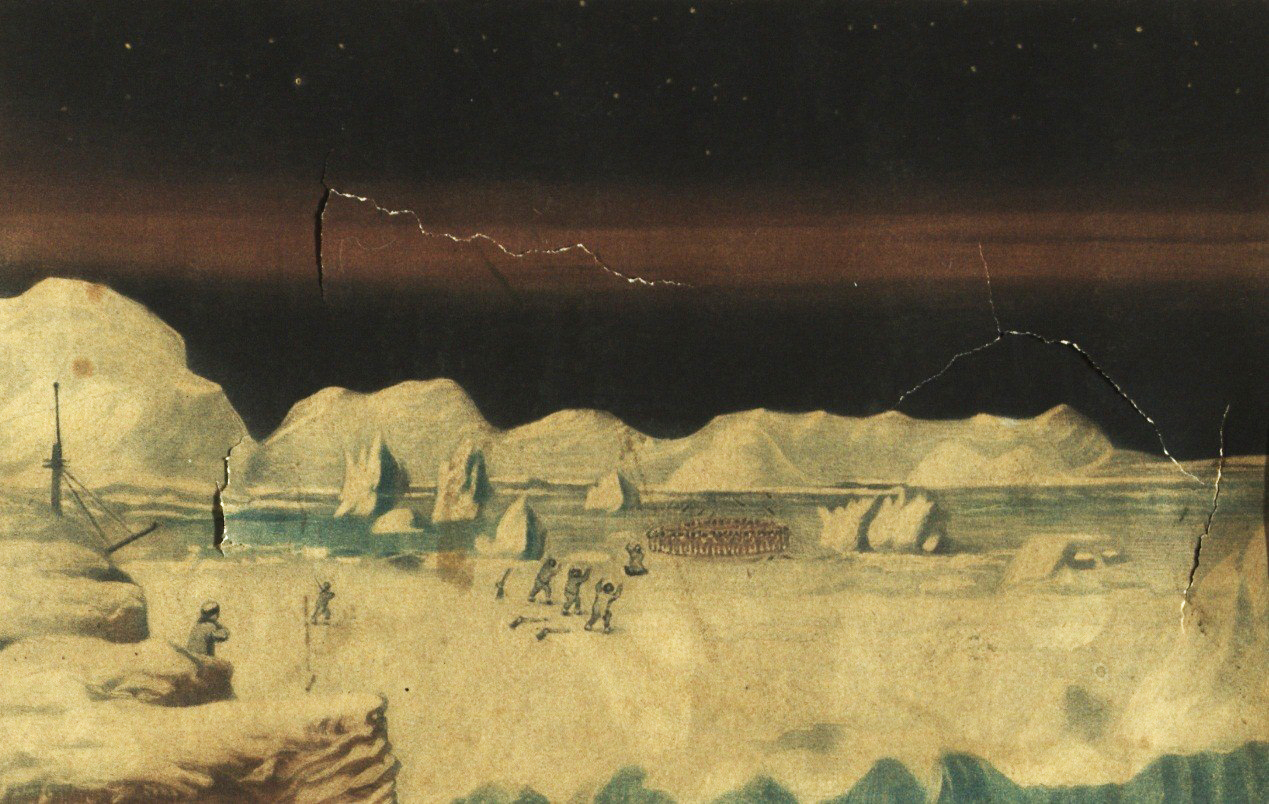
The fan is ornately designed, with a watercolor painting of an Arctic scene, an elaborate wooden handle, and a decorative trim and border. In an era without air conditioning, a snowy landscape like this might have helped keep the user a little bit cooler when looking upon this wintery scene.
We’d love to learn more about this fan and invite comments below.
Crocker Land: The Land of Mist
By Robert Jaeger
During Robert Peary’s attempt at reaching the North Pole in 1906, he claimed to have spotted a previously unidentified island off the northwest coast of Greenland. He named it Crocker Land, after one of his primary financial supporters, George Crocker.
While Peary may have fabricated the island’s existence in order to obtain further funding from Crocker for his next attempt at the Pole in 1909, Crocker Land nevertheless became a hot topic in 1909 after Frederick Cook and Peary both claimed to have reached the Pole.
During his expedition to the Pole, Cook stated that he traveled across the area Peary called Crocker Land and there was no land present. In an effort to prove the existence of Crocker Land and discredit Cook, George Borup and Donald MacMillan, both assistants of Peary on his trip to the Pole in 1909, were chosen to lead an expedition to Crocker land. However, Borup died unexpectedly, delaying the start of the expedition and leaving MacMillan to lead the expedition by himself.
MacMillan set out 1913, and the expedition was immediately beset with a series of misfortunes. Among them, a shipwreck on the way to Greenland, two failed rescue missions, the alleged murder of an Inuit guide, and the biggest of all: that Crocker Land turned out to be an illusion. At first MacMillan refused to believe it was a mirage caused by mist, but after several days of attempting to reach it, he was forced to accept the truth and turn back.
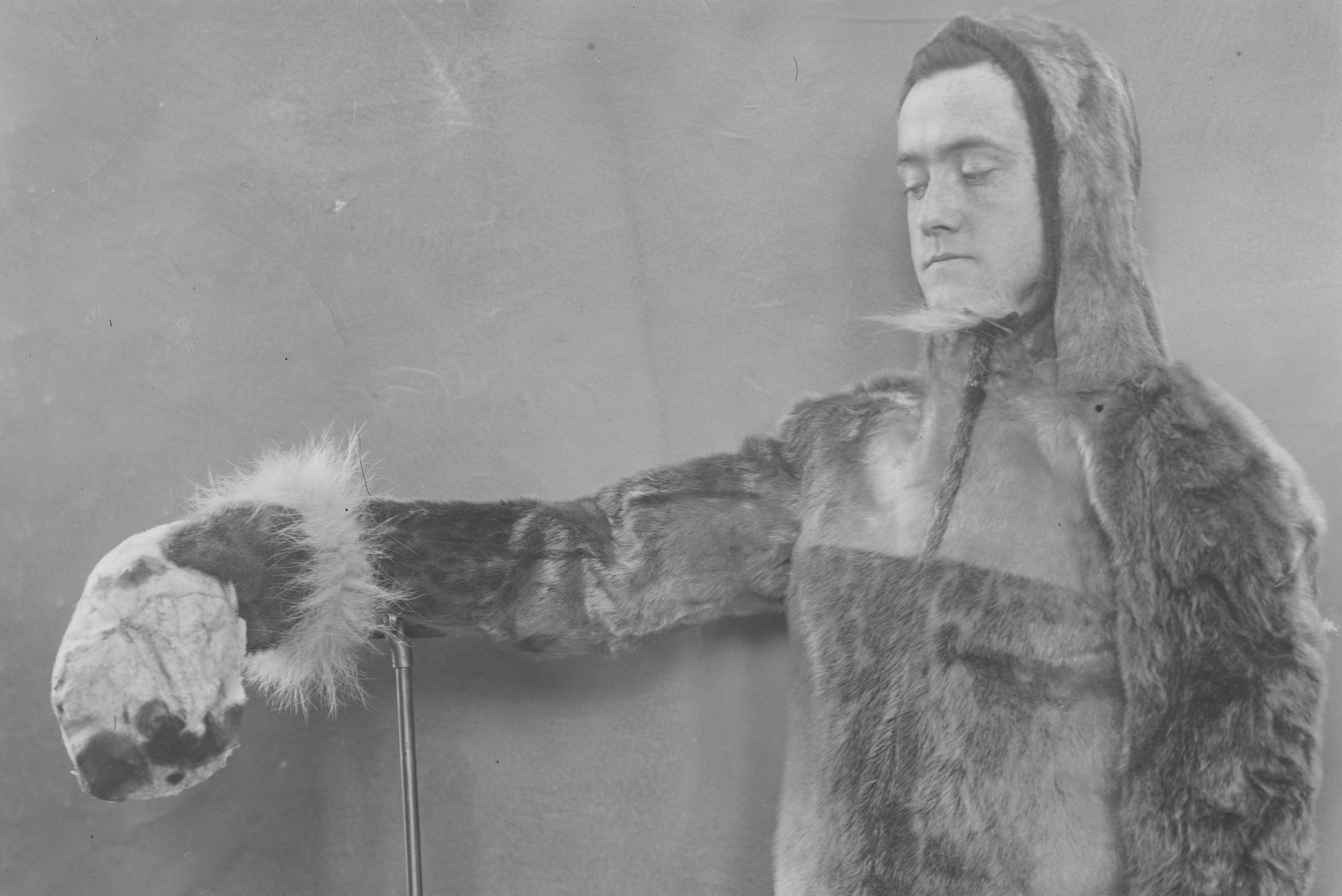
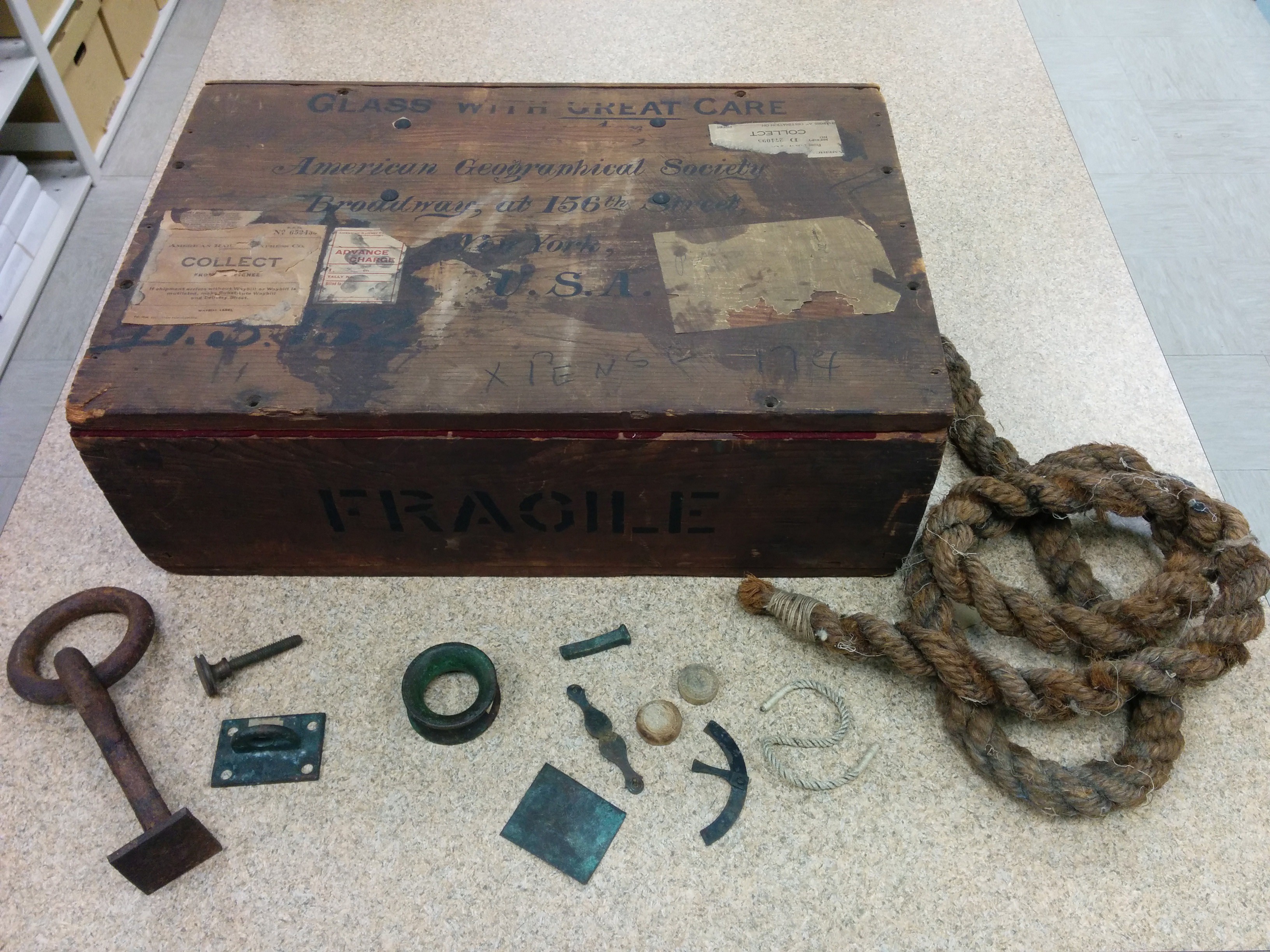
The expedition finally returned in 1917. As the AGS was one of the main sponsors of the expedition, the AGS-NY Archives at UW Milwaukee contains many of the records from it. These records provide much scientific data, helping to salvage something from the expedition. Included are geographical, mammalogical, and ornithological reports, along with meteorological and astronomical records. There is also a large wooden box, containing numerous artifacts from previous Arctic expeditions. Among these are items from Elisha Kent Kane and Robert Peary.
AGS of NY Archives Grant-Supported Processing Project Completed
by Bob Jaeger and Susan Peschel
A three-year project to organize and process the American Geographical Society of New York Archives, funded by a grant from the Andrew Mellon Foundation through the Council on Library and Information Resources (CLIR), has been completed.
The CLIR grant funded a full-time archivist and part-time student employees to work on the collection, which contains the records of the Society, the only organization focused on bringing together academics, business people, those who influence public policy (including leaders in local, state and federal government, state and federal government, not-for-profit organizations and the media), and the general public for the express purpose for furthering the understanding of the role of geography in our lives.
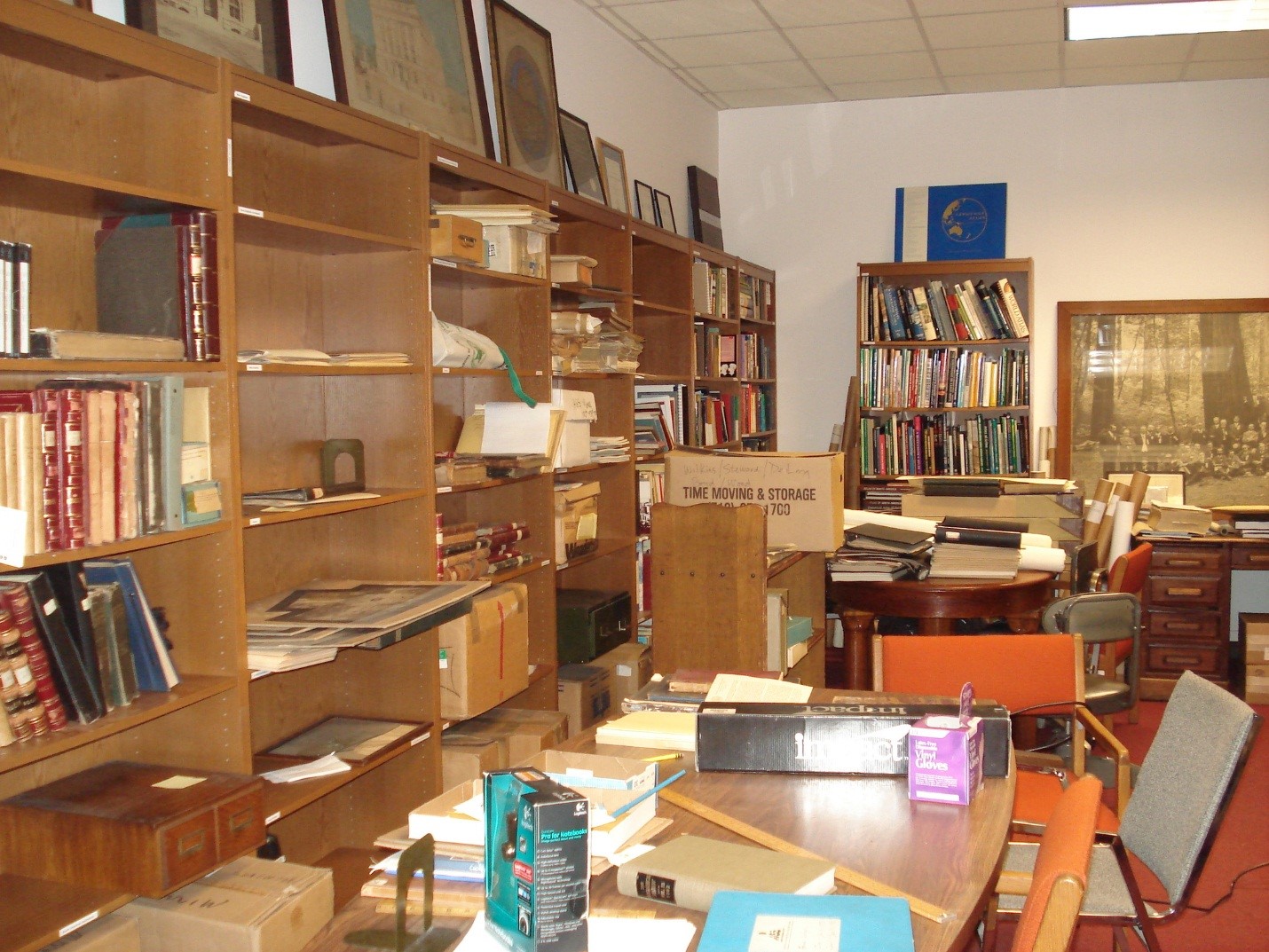
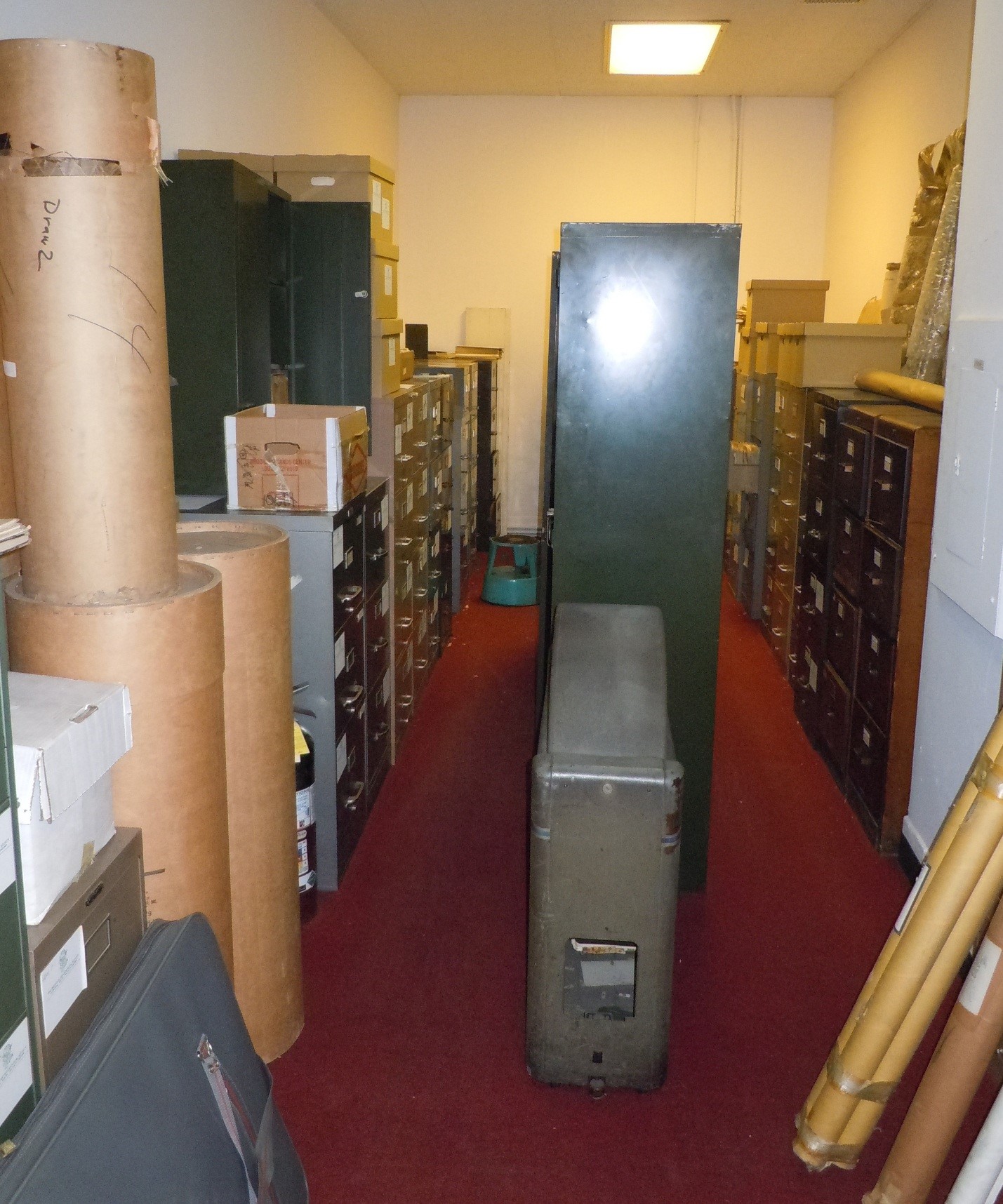
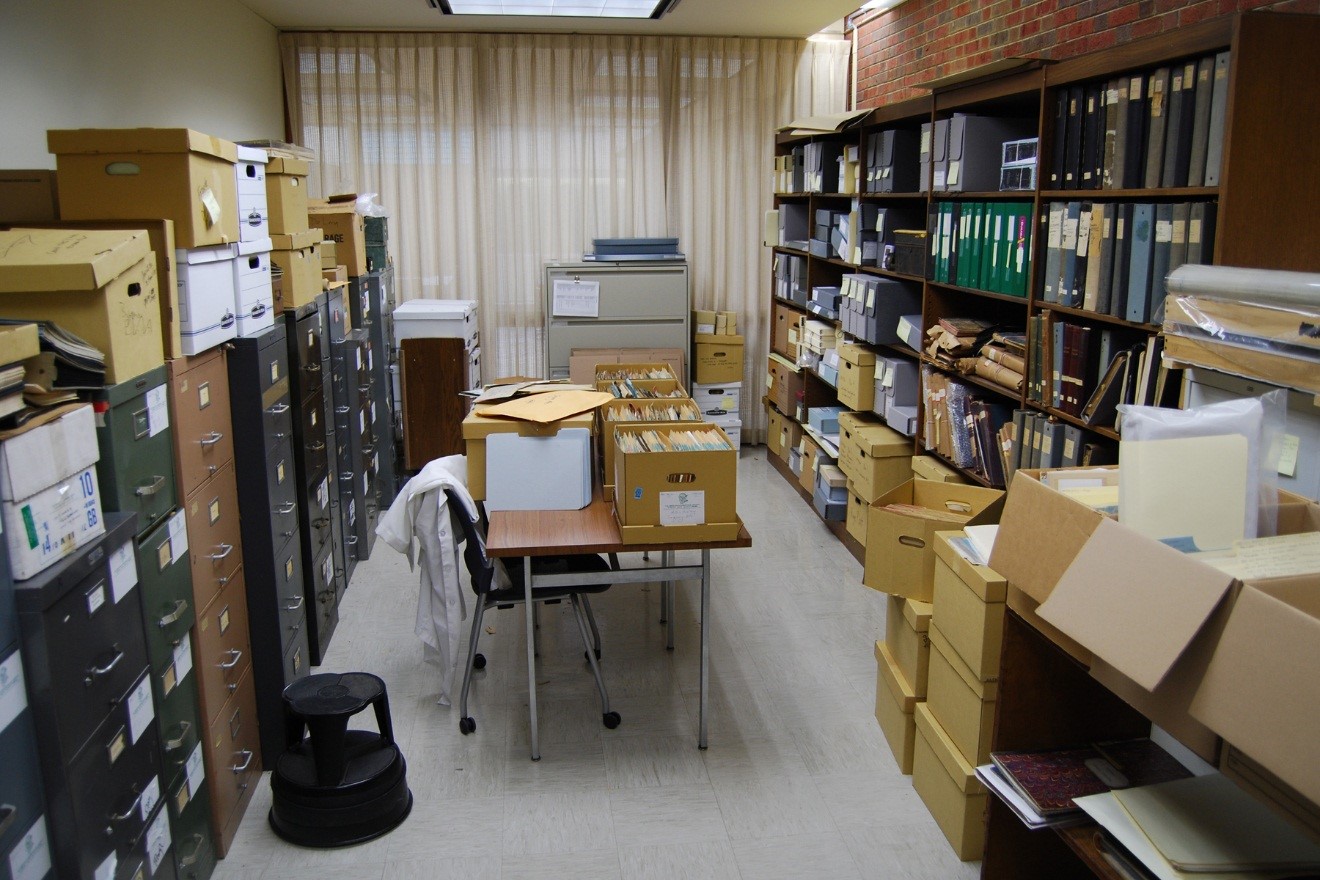
The materials date from the Society’s founding in 1851 and include approximately 350 cubic feet of material, with documents relating to well-known figures in American exploration and the larger field of geography from the mid–nineteenth century through most of the twentieth.
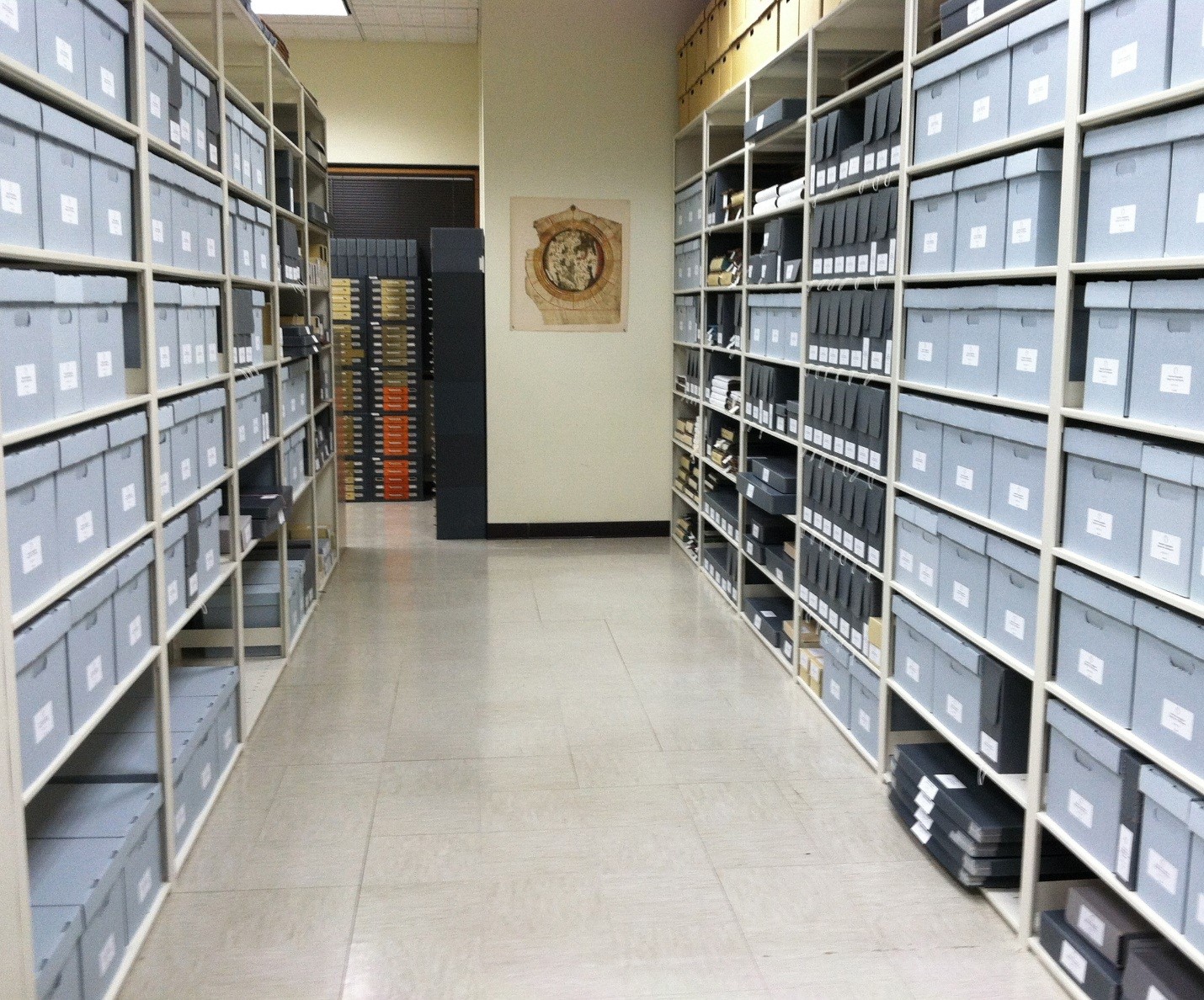
Highlights include log books, diaries, photographs, and artifacts of early Polar expeditions, such as the papers of Robert E. Peary (who served as President of the Society), the American flag carried by Capt. Charles Francis Hall on his second Polar Expedition, and correspondence with such individuals as David Livingstone, Franklin D. Roosevelt (an AGS councilor), Charles Lindbergh, and William H. Seward, to name only a few.
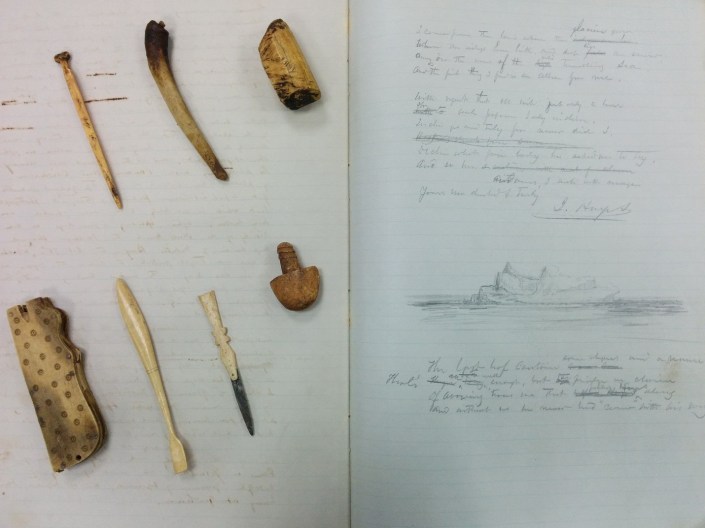
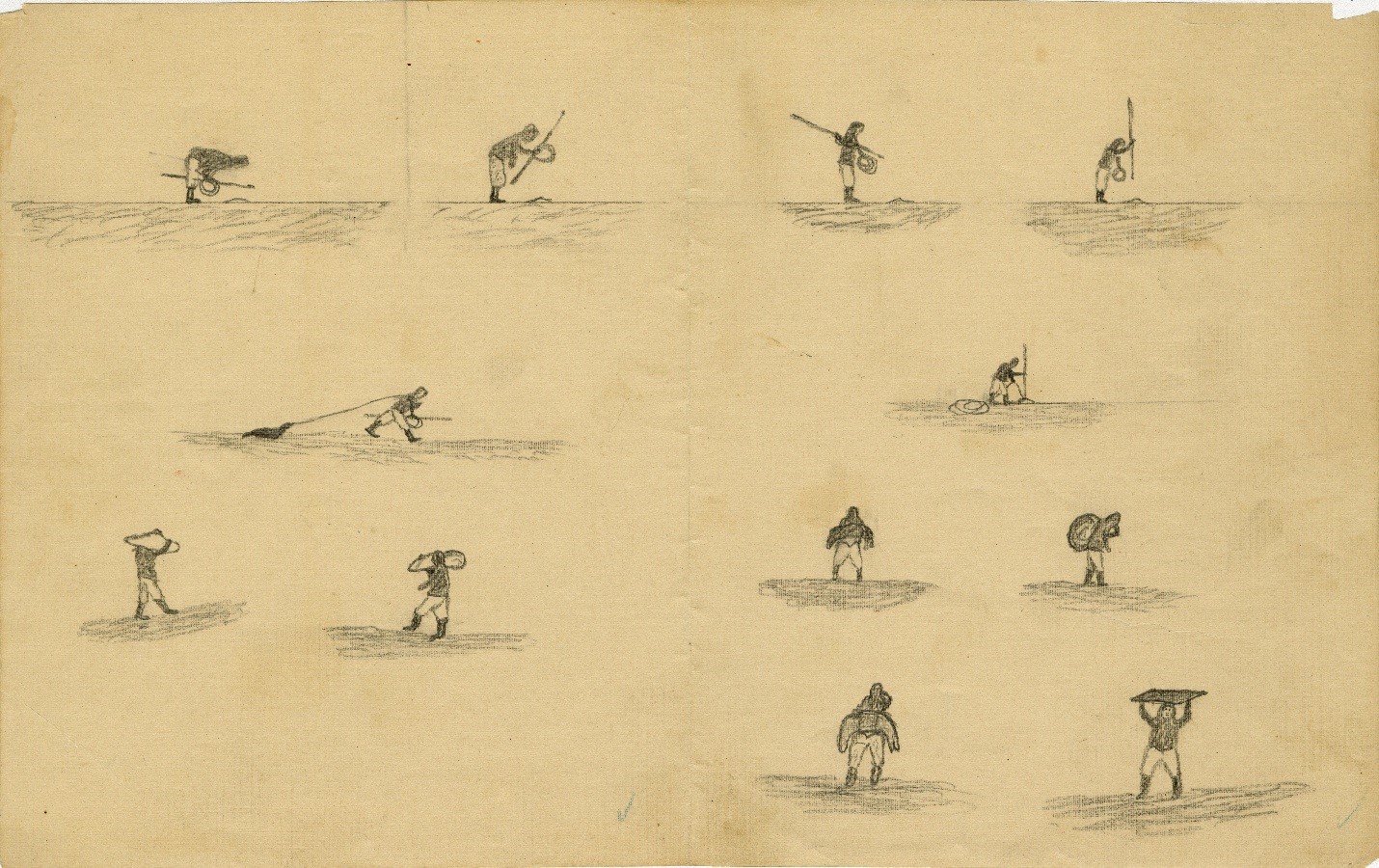
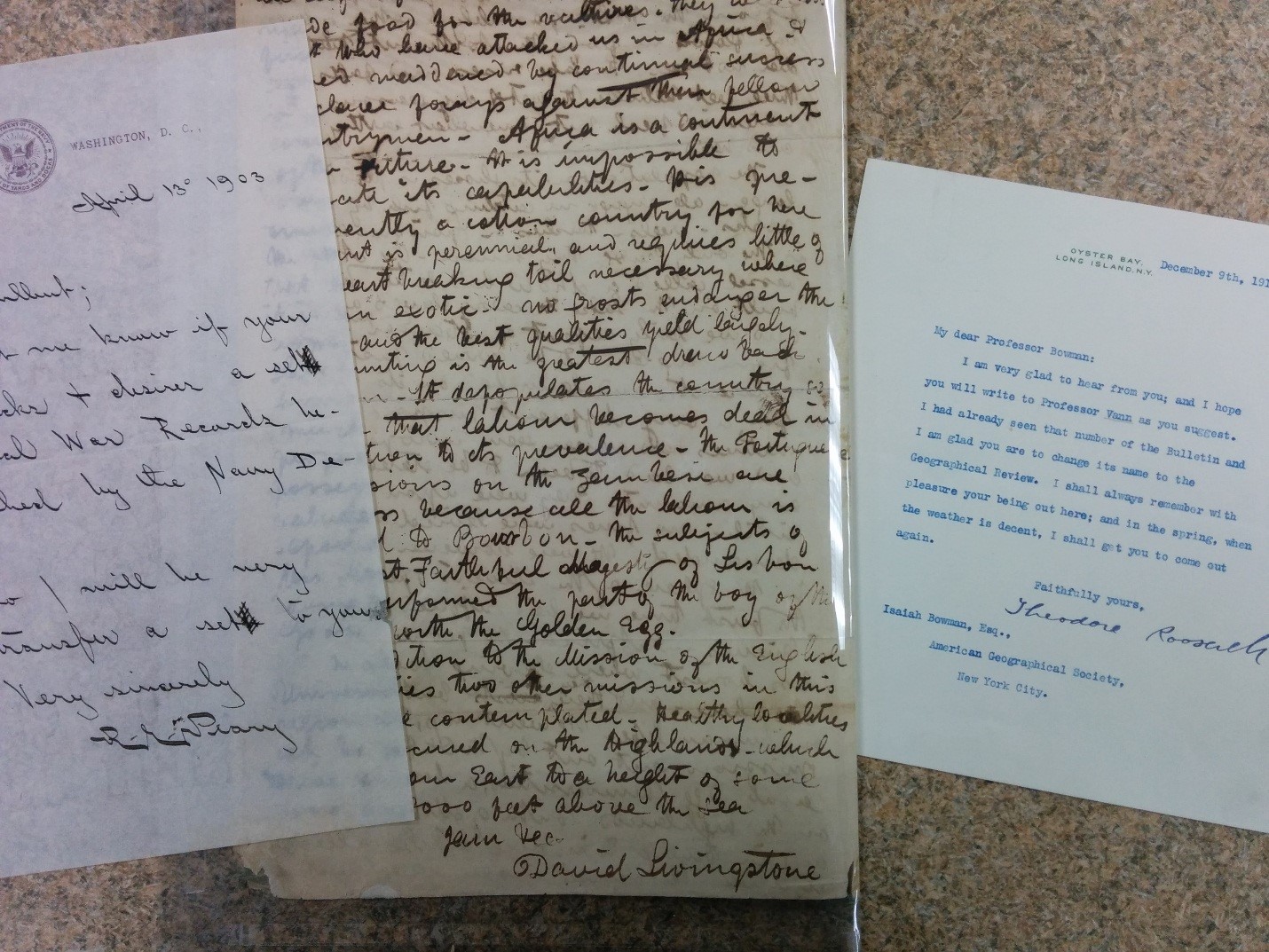
The collection contains correspondence, publications, reports, maps, meeting minutes, ledgers, and records on expeditions, explorers, and other geographic organizations and activities. For more information, please contact the American Geographical Society Library at 414-229-6282 or via email at agsl at uwm dot edu.
American Geographical Society Library Records, 1851-2013 (link to finding aid)
American Geographical Society New York Archives (link to digital collection)
The images selected for this digital collection focus on explorers and expeditions, particularly to the Polar Regions. Highlights include log books, diaries, photographs, and artifacts of early Polar expeditions, such as the papers of Robert E. Peary (who served as President of the Society) and Isaac Israel Hayes, sketches of Inuit life by Robert Flaherty, records from the Transcontinental Excursion of 1912, and correspondence with such individuals as David Livingstone, Franklin D. Roosevelt (a councilor), Charles Lindbergh, and Louise A. Boyd to name only a few. The collection also contains correspondence, publications, reports, maps, meeting minutes, ledgers, and records on expeditions, explorers, and other geographic organizations and activities. The digital collection is under development as more items continue to be scanned and added to the collection.

