Susan Peschel
AROUND THE WORLD IN 34 YEARS – IMAGES FROM THE HARRISON FORMAN COLLECTION NOW ONLINE
Thirty-four years after the American Geographical Society Library received the Harrison Forman Collection, work to make the images in the collection accessible online was completed in May 2021. Donated by his wife Sandra Carlyle Forman in 1987, the photographic collection consists of print photographs, nitrate and safety negatives, 35 mm color slides, Ektachrome color slides, and motion picture films.
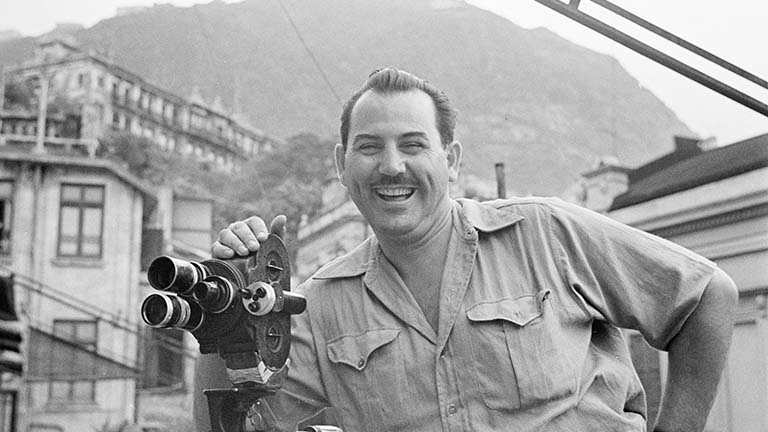
Harrison Forman (1904-1978) was a prominent photojournalist, explorer, author, and fellow of the American Geographical Society. As a foreign correspondent, Form n’s images and articles appeared in the New York Times, Times of London, Life, Look, Collier’s, Harpers, and Reader’s Digest. He was a native of Wisconsin and UW alumnus with a degree in Oriental Philosophy. Forman’s collection was a tremendous gift to the AGSL and subsequently became one of the most popular and most utilized of AGSL’s photography collections among researchers around the world.
This historically and geographically significant collection covers Forman’s travels from the late 1920s to the mid-1970s. Forman travelled the world with the eye of an anthropologist. He was fascinated by the lives, culture, economies, governments and infrastructure of each place he visited. Known in his heyday as the “Modern Day Marco Polo,” Forman was often the first Westerner to have access to the people and places he visited and seemed to always be in the right place at the right time, witnessing significant moments in history and documenting them with his photography. The content of the Forman Collection is a gold mine of historical information and beautiful photography. Forman’s images can be accessed online in the following collections on the UWM Digital Collections website:
Afghanistan: Images from the Harrison Forman Collection documents the life and culture of Afghanistan in the 1950s and 1960s.
Transportation Around the World focuses on the ways people all over the world get from point A to point B.
Cities Around the World highlights the architecture, city life, people, transportation, neighborhoods, commercial streets, and business districts of metropolitan areas.
Tibet from the AGSL Collection includes Forman’s images he took while visiting Tibet in the 1930s – one of the few Westerners to visit the region at the time.
Nazi Invasion of Poland documents the beginning of WWII through images Forman took during the Blitzkrieg in Poland.
Travel Diaries and Scrapbooks of Harrison Forman 1932 – 1973 presents 62 of Forman’s diaries he kept while in the field, spanning his professional career.
Forman’s images can also be found in the UWM Digital Collections geographically organized collections: Asia and Middle East, Africa, Europe, North and Central America, South America and Oceania.
For further information about the collection, please contact Susan Peschel, Visual Resources Librarian, American Geographical Society Library.
The Mysterious Case of Ernest G. Lemcke
By Lauren Maddox
Sometimes I like to pull back the curtain a bit for you– show you some of the behind-the-scenes work that goes on unseen at the AGSL. I was given a special project a few months ago that I thought the readers of this blog would be interested in hearing about.
Some things about me you need to know: I love puzzles and I have never seen Mission Impossible. Most of the AGSL staff loves puzzles; we are currently working on a 4,000 piece puzzle (which you can see if you visit us!). Generally, my work at the AGSL has me at a desk writing– that’s my job. But sometimes someone gives me something different to work on.
Susan Peschel stopped by my desk with a nondescript beige box.
“Your mission, should you choose to accept it–” she stopped to ask me if I remembered Mission Impossible. I didn’t, but I had at least heard the quote before. Susan told me that she had a puzzle for me (and that it might explode once she walked away).
The problem with the box, which had traveled with the AGSL’s collection from New York to Milwaukee in the 70s, was that it had never been archived. The papers in the box were unsorted– no one even knew what they were. By all appearances, the collection of handwritten pages and letters seemed random. There were maps in the pile, but they were either hand-drawn or, stranger, road maps that had been drawn over. My mission (and I did accept it) was to figure out what we had and then to put it into some semblance of order.
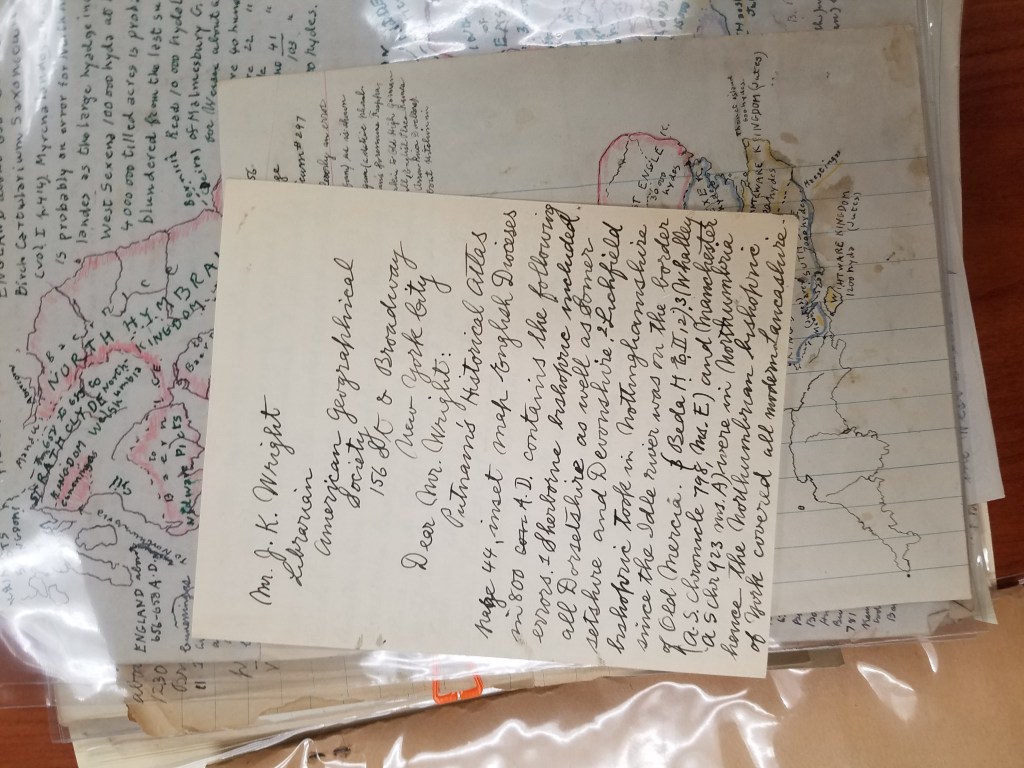
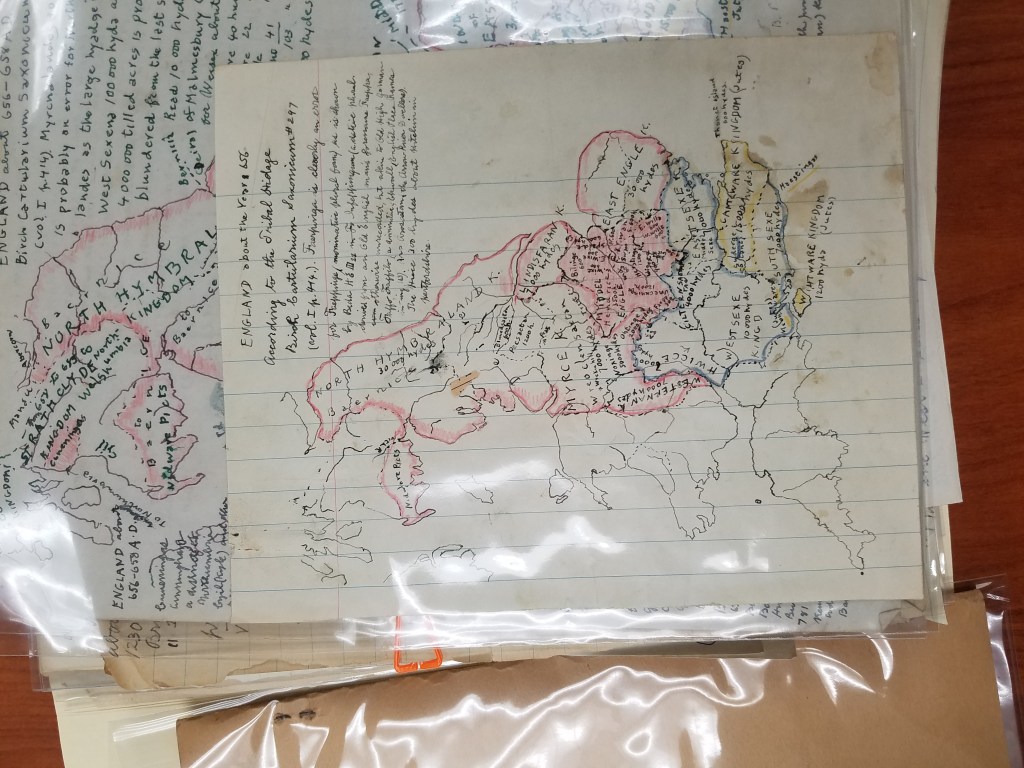
We didn’t know much, but we did know his name: Ernest G. Lemcke. We knew he was a card-carrying member of the American Geographical Society of New York because we have a record of his membership dues:
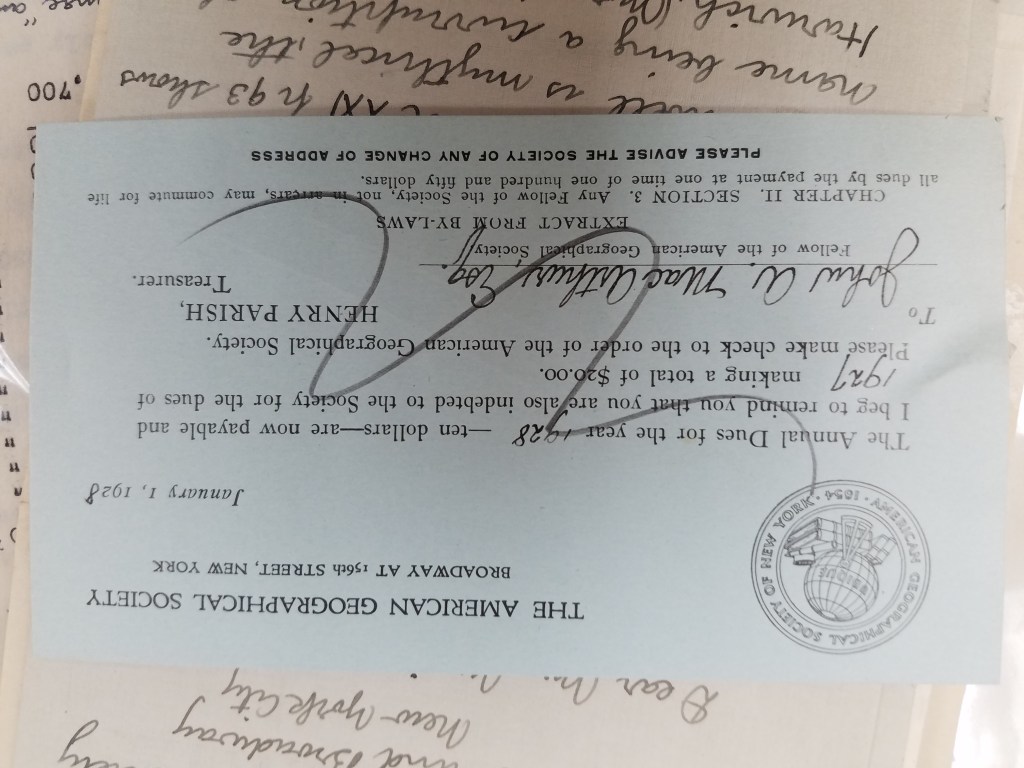
He wrote a trove of letters to Ena L. Yonge and John K. Wright. He bought a roadmap in 1926 and hand-drew a medieval military event in England from the 1300s. He was a book publisher in New York– which I discovered because some of his stationery had letterhead from Lemcke&Buechner, “Booksellers, publishers, importers.”
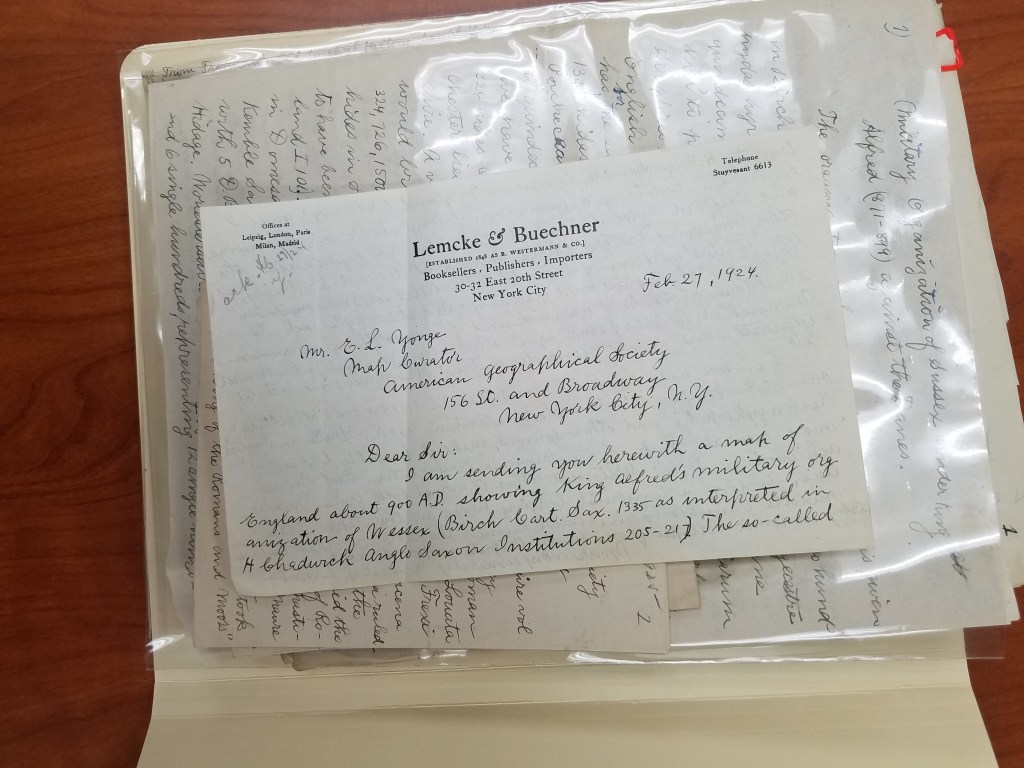
Part of the trouble with deciphering the box was figuring out what was meant for who. The maps were easy– Ena L. Yonge was map curator for the AGS of New York at the time, and his maps often came with a letter explaining what they were. But the partial manuscripts, many handwritten first drafts, and article corrections for the AGS’s periodical were mysterious and dense.
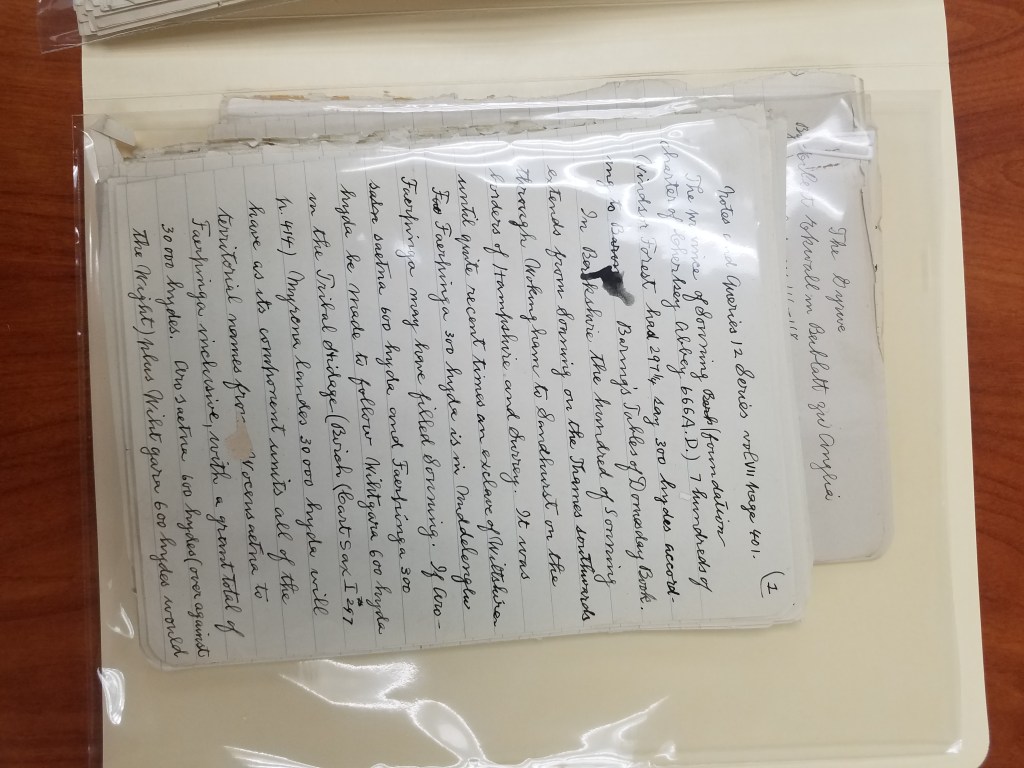
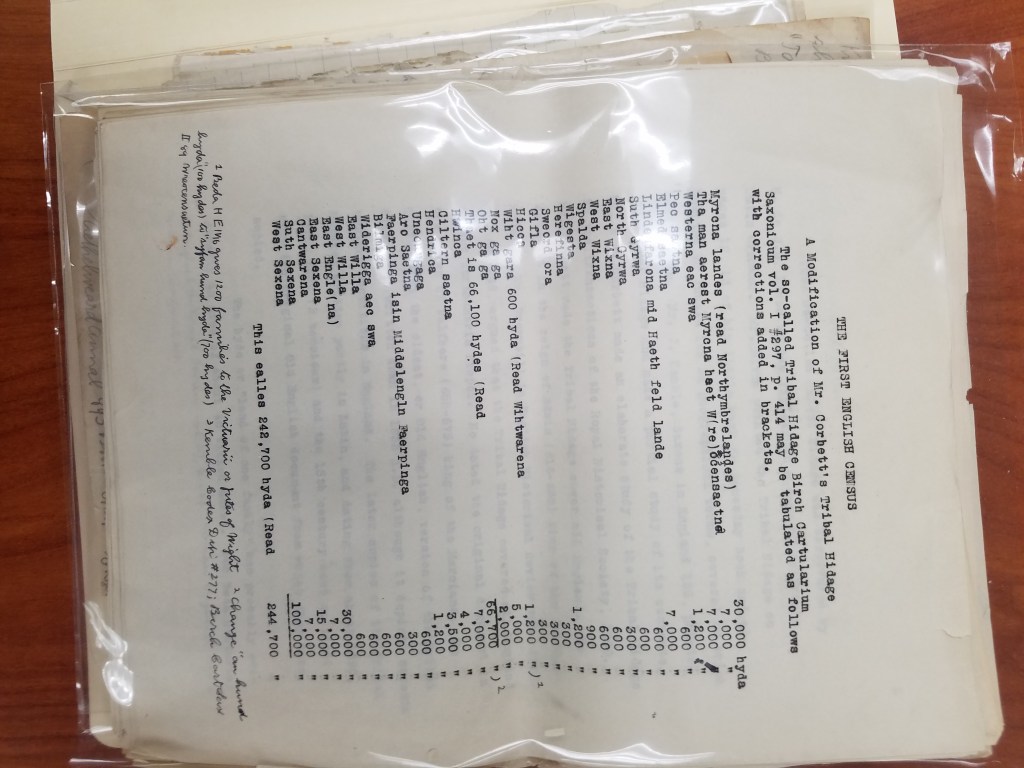
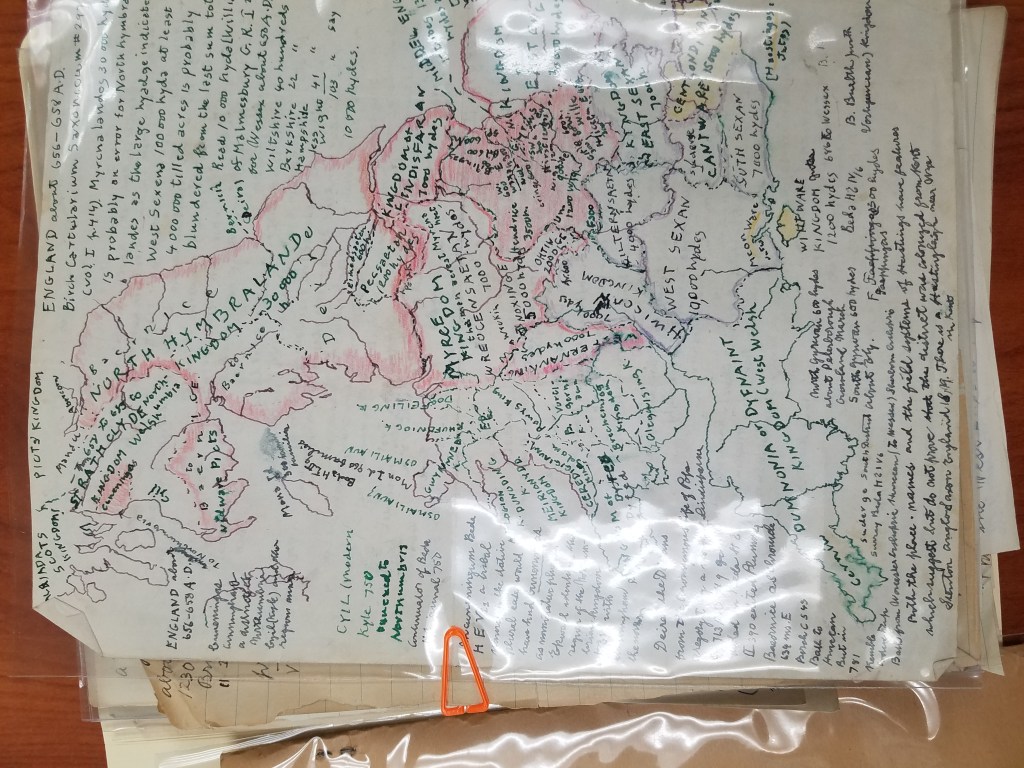
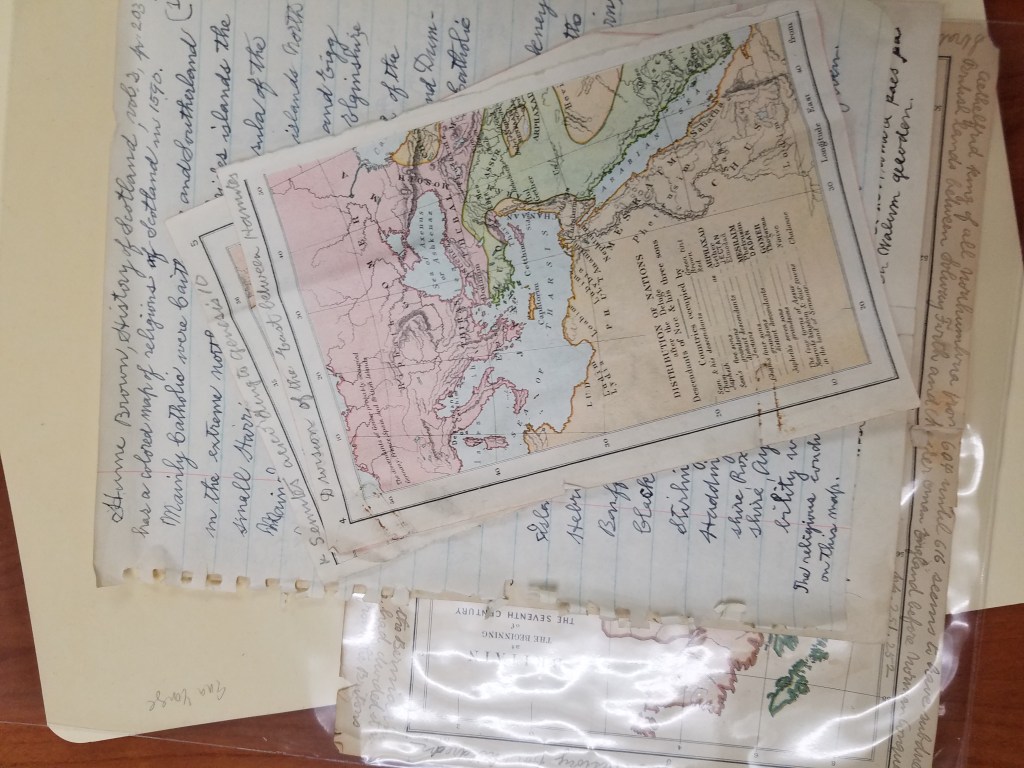
After many fruitless Google searches, I learned a few things about Lemcke: besides being a book publisher, he was also a historian with several books out, many specifically interested in the “Tribal Hidage” in Wessex. As it turns out, the University of New Hampshire also has a collection of Lemcke papers! Which was how I tracked down some of his publications and discovered that the many handwritten pages about a “tribal hidage” and the first English Census were partial drafts of his later, completed publications.
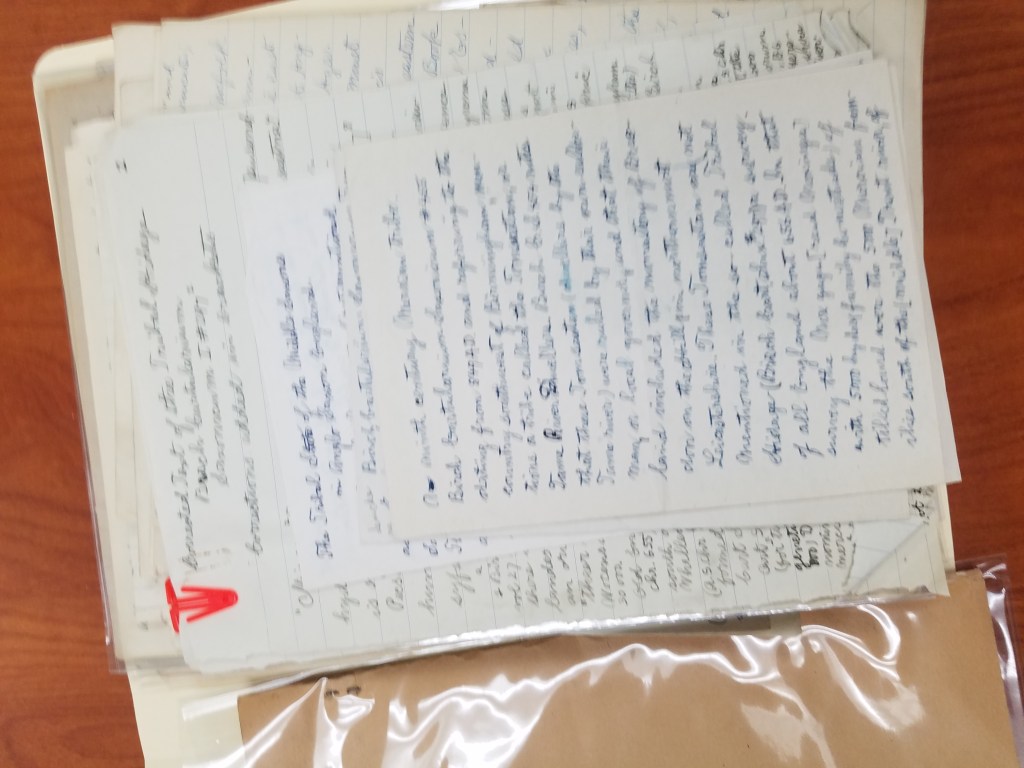
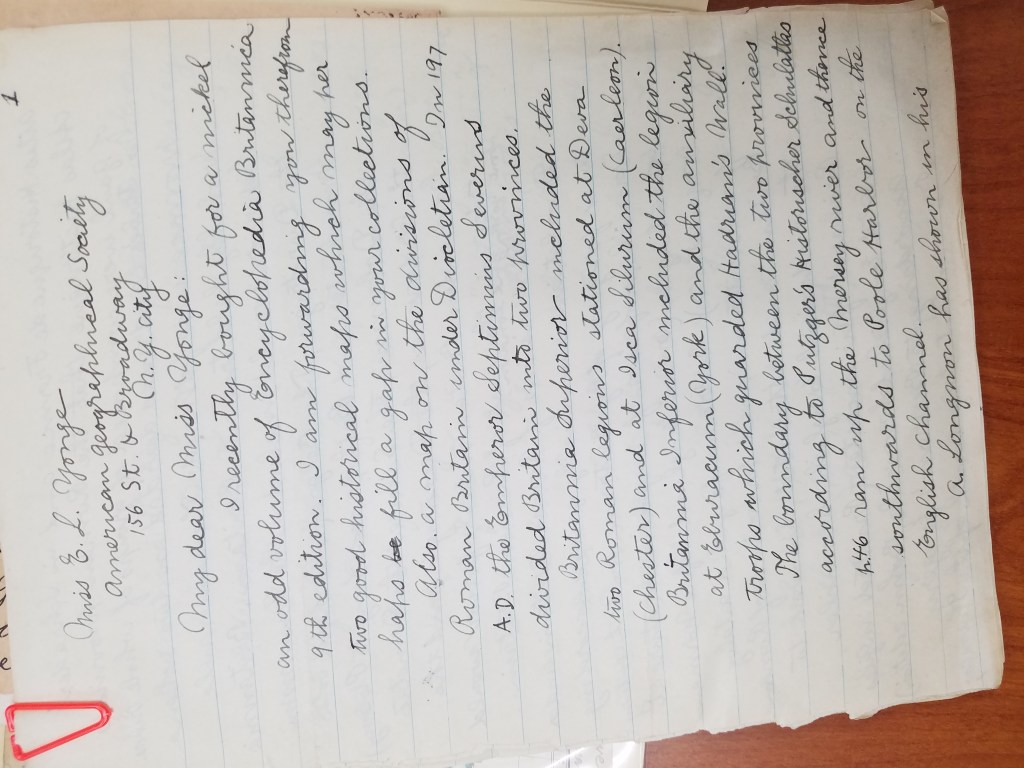
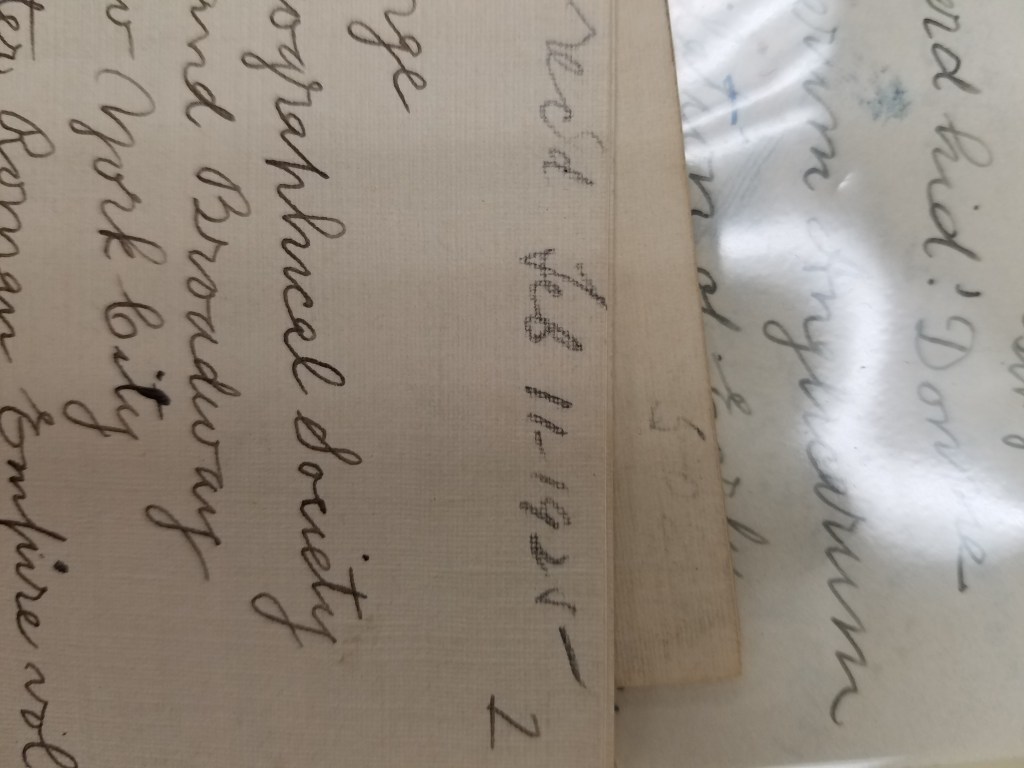
Now that I had a better idea of what we had, I came to the next part of the puzzle: putting it in order. I started with separating the things that were obviously addressed to Yonge or Wright. Maps were obviously meant for Yonge, and corresponded with letters that he had sent. John K. Wright was once director of the AGS of New York, but that didn’t help place many of Lemcke’s letters. But as it turned out, before he was director, Wright was the editor of the AGS’s regular publication from 1920-1956. This was exactly the period of time Lemcke was writing. The periodical corrections, then, seemed to be for the editor of the publication. And after reading Lemcke’s letters, I found him explaining corrections to his manuscript to Wright.
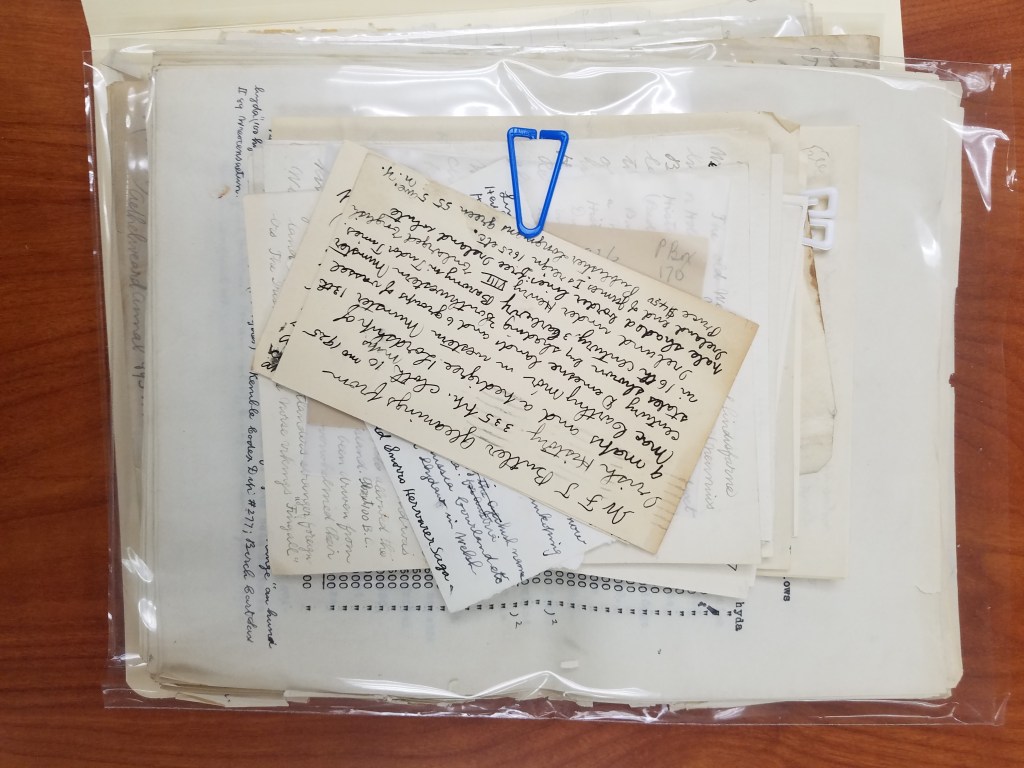
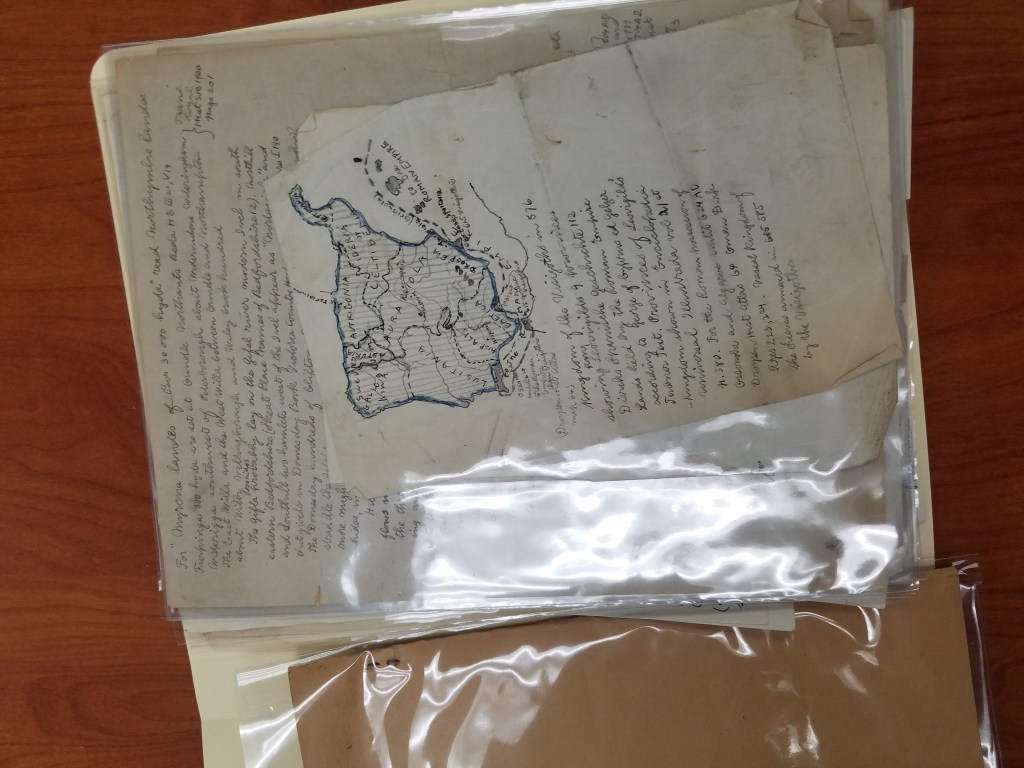
Once the letters were sorted by recipient, I started to put them in a chronological order. Some of the letters were dated– those were easy. But many of the letters weren’t dated. For several of them, I found a reference he made to an article he had just read, which helped me place it in the chronology. But many more had to be dated by their relationship to the other letters, which made for some puzzling work.
After finishing the work of putting the box in order, it was time to have it officially archived. This was definitely out of my expertise, so I reached out to fellow graduate intern Georgia Brown, who consulted our curator, Marcy Bidney, about what to do with the box.
Soon, the Lemcke papers will be officially archived! Since all of his correspondence was addressed to Ena L. Yonge and John K. Wright, the letters will be incorporated into their existing correspondence collections, cataloged, and made available for viewing! And now, with a little puzzling, we have put a years-old AGSL mystery to rest.
AGSL Acquired “Shoreline” by Leah Evans
by Susan Peschel
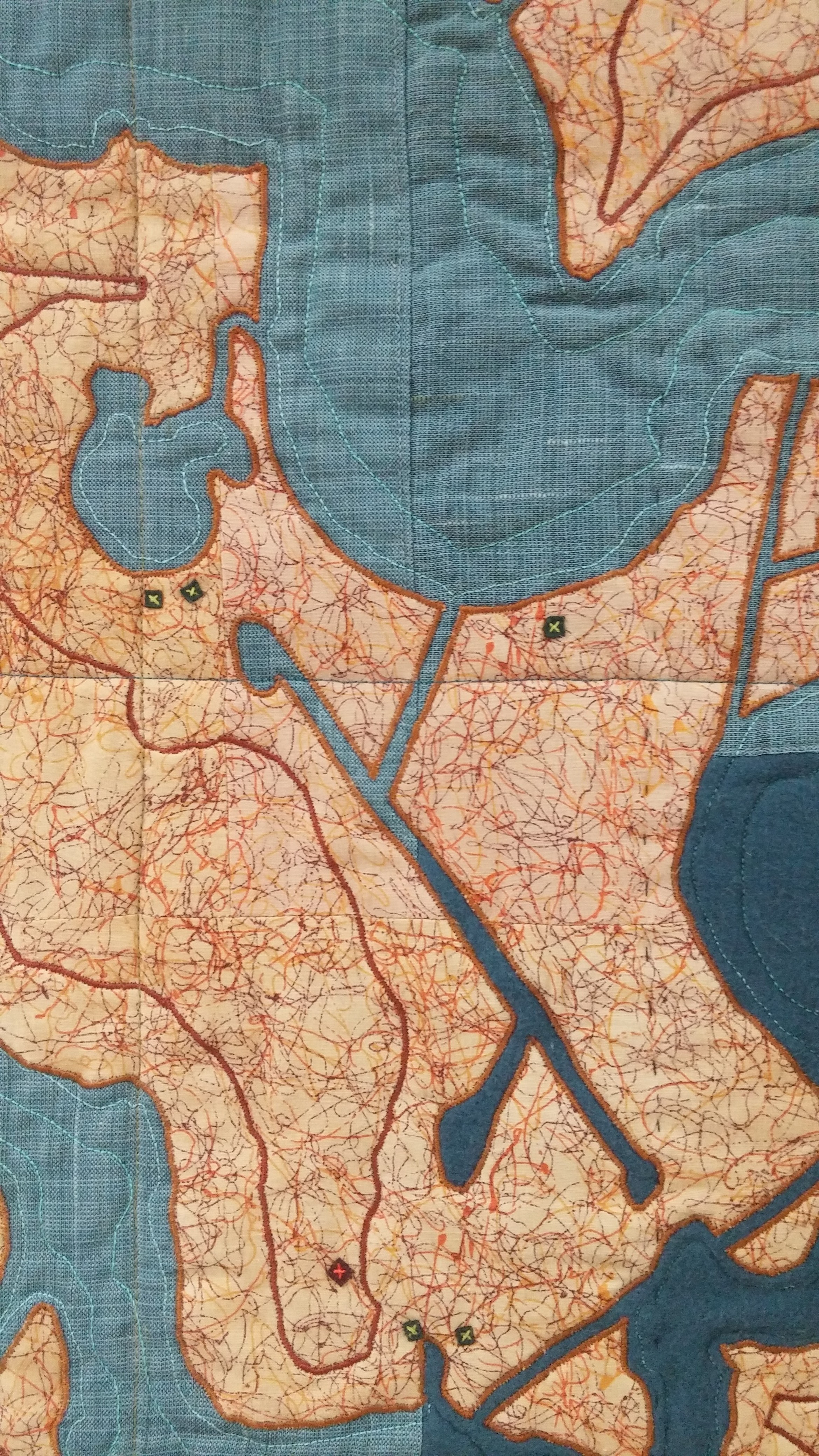
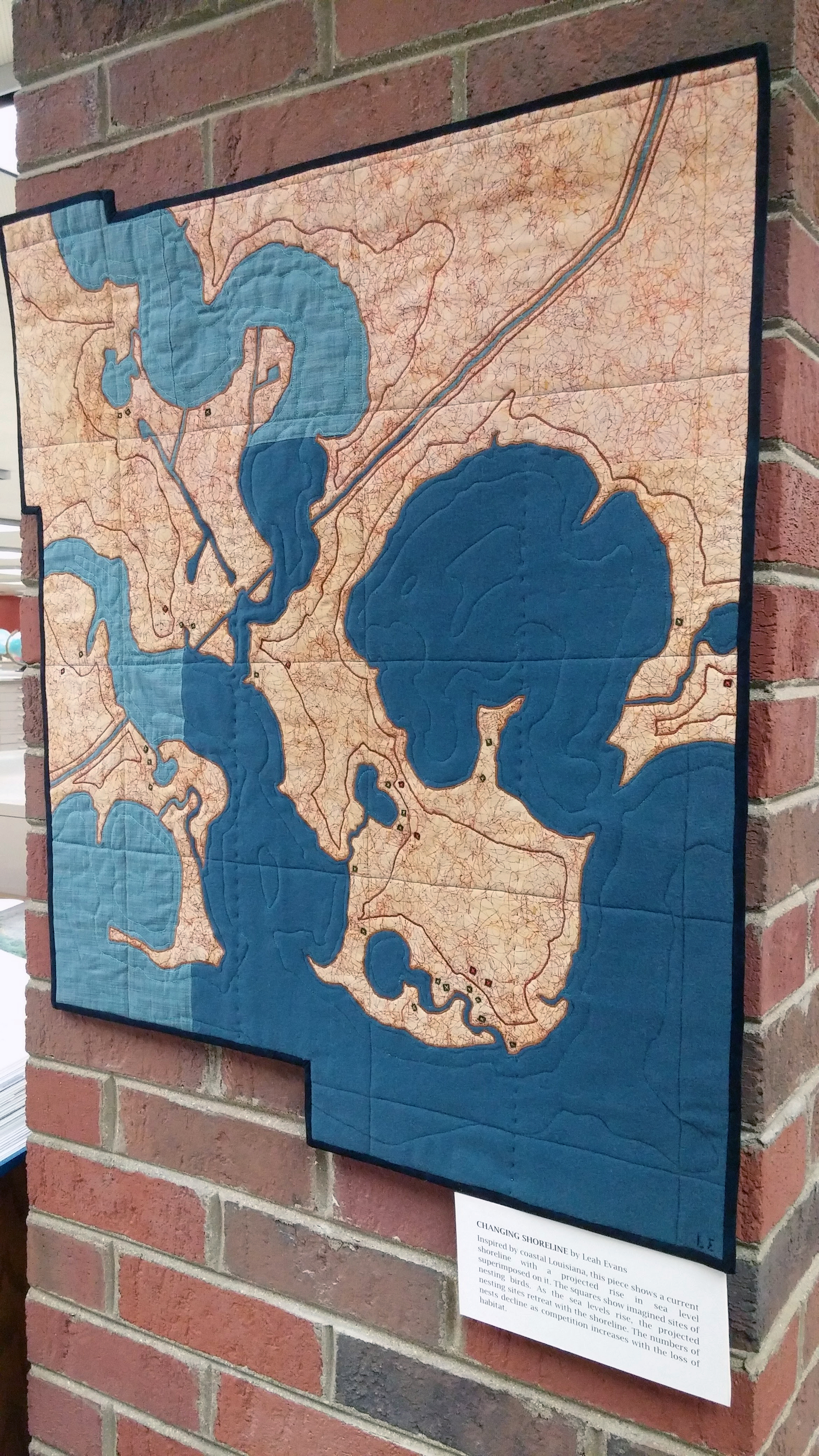
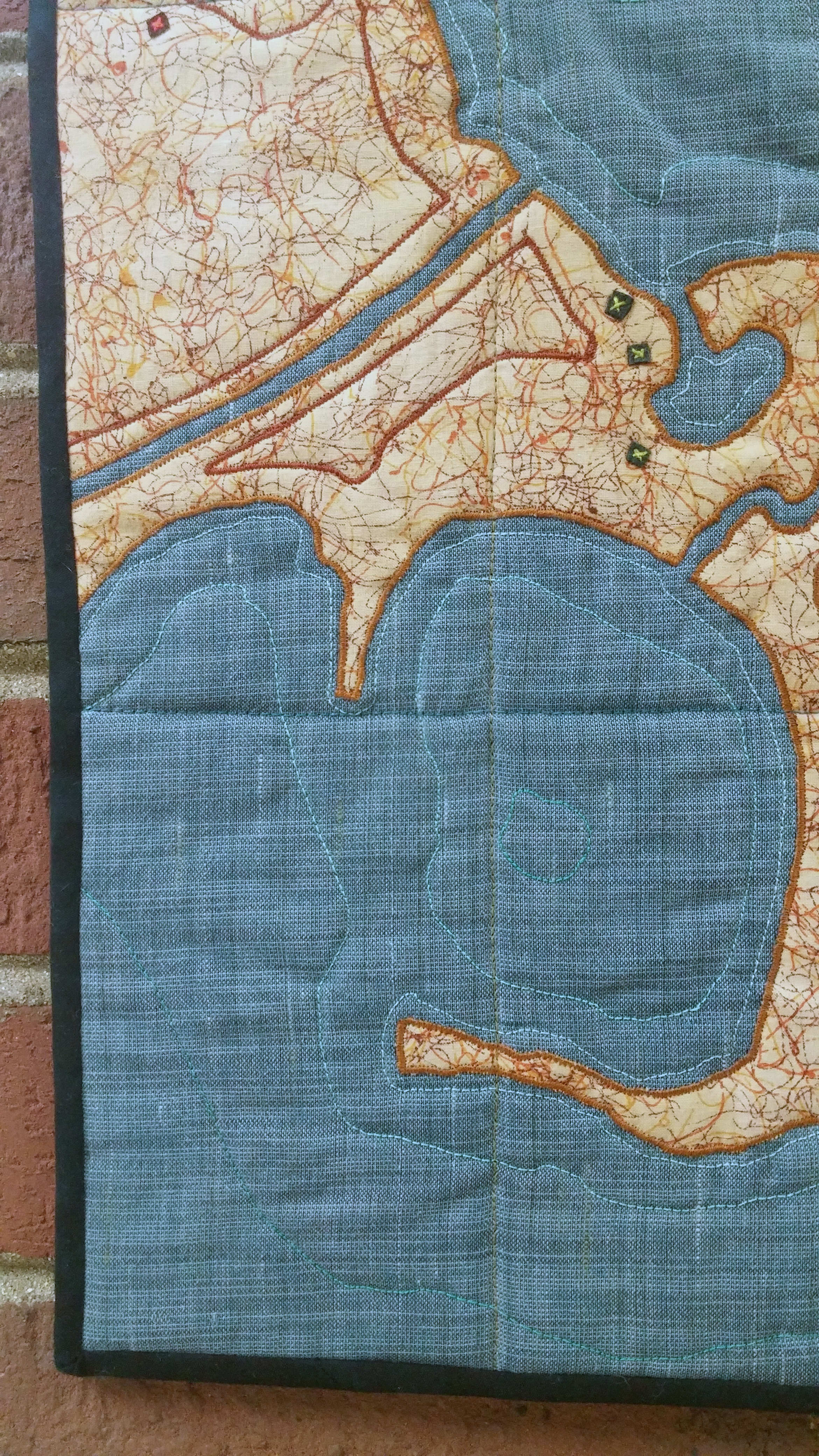
Recently the AGS Library acquired a “map” entitled, Shoreline, from Wisconsin fiber artist, Leah Evans.
Leah was one of 21 artists to participate in the prestigious 2015 Smithsonian Craft Show held in Washington, D.C. and was chosen to receive the first “Honoring the Future Sustainability Award” for this piece. The award “recognizes an artist whose work educates the public about climate change or inspires or models a sustainable response to climate change.” ( click here for more information )
Leah’s description of this piece provided for the show’s application sums up a recurring theme in her designs:
“An overarching theme in my work is human impact on the environment. Effects of climate change addressed in my current work include species loss and displacement, changes in shorelines and subsequent effects on human and wildlife communities, and water conservation. Through handwork and a majority of re-purposed materials, I create subtle reminders of how our actions can create both destruction and opportunity.”
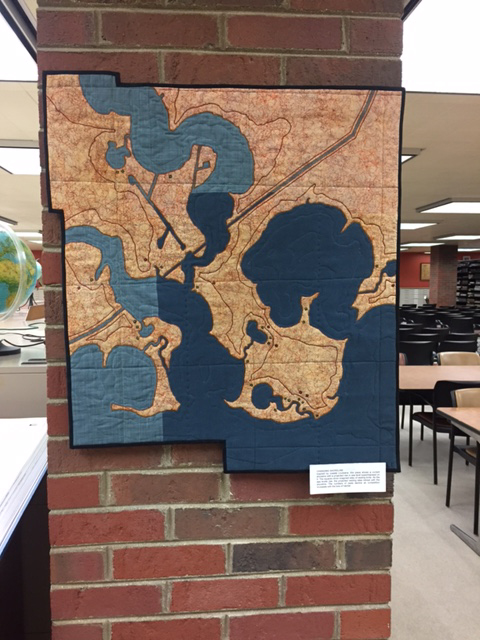
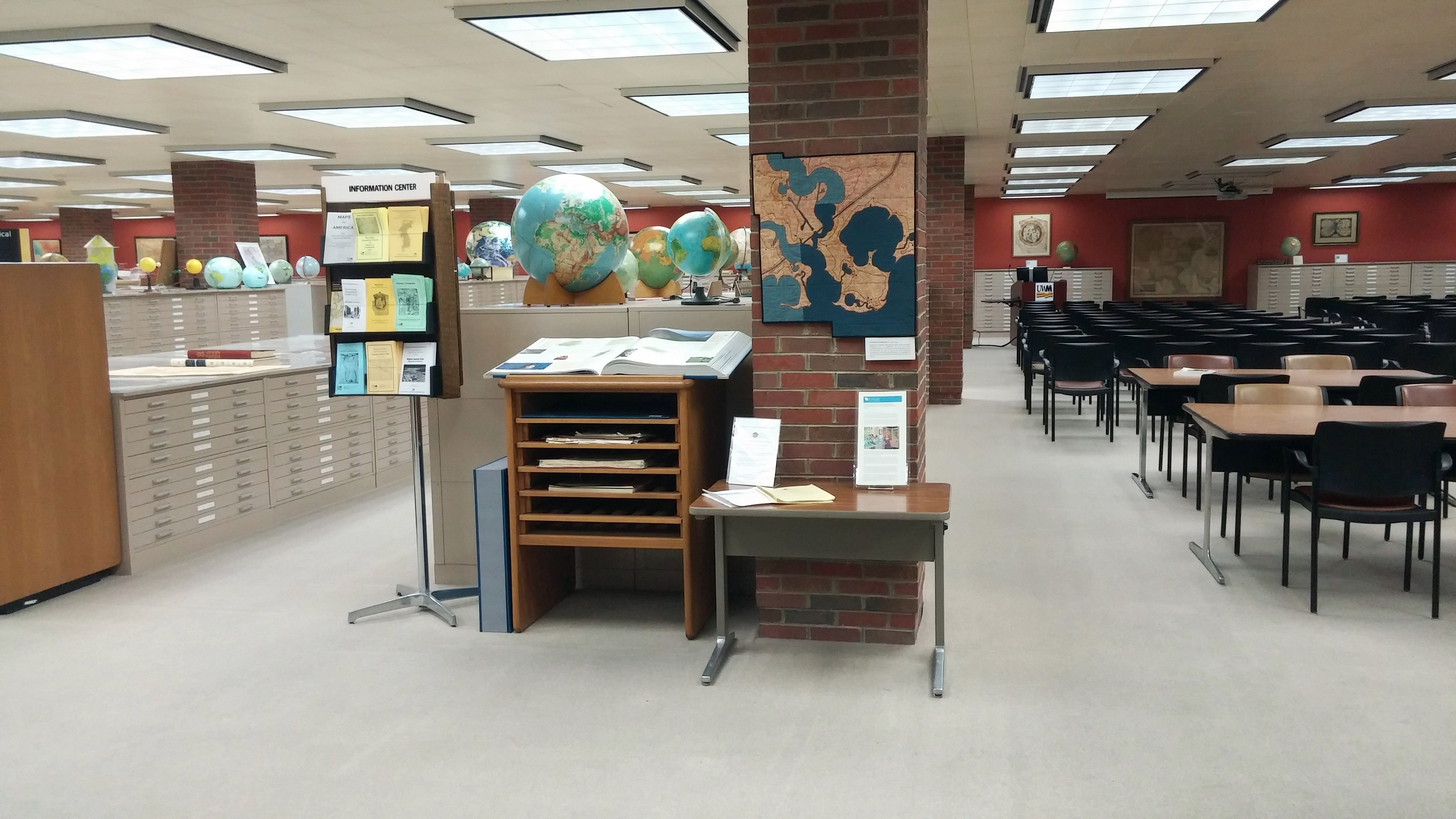
This beautiful work is on permanent display at the AGS Library in the UWM Golda Meir Library.
AGS of NY Archives Grant-Supported Processing Project Completed
by Bob Jaeger and Susan Peschel
A three-year project to organize and process the American Geographical Society of New York Archives, funded by a grant from the Andrew Mellon Foundation through the Council on Library and Information Resources (CLIR), has been completed.
The CLIR grant funded a full-time archivist and part-time student employees to work on the collection, which contains the records of the Society, the only organization focused on bringing together academics, business people, those who influence public policy (including leaders in local, state and federal government, state and federal government, not-for-profit organizations and the media), and the general public for the express purpose for furthering the understanding of the role of geography in our lives.
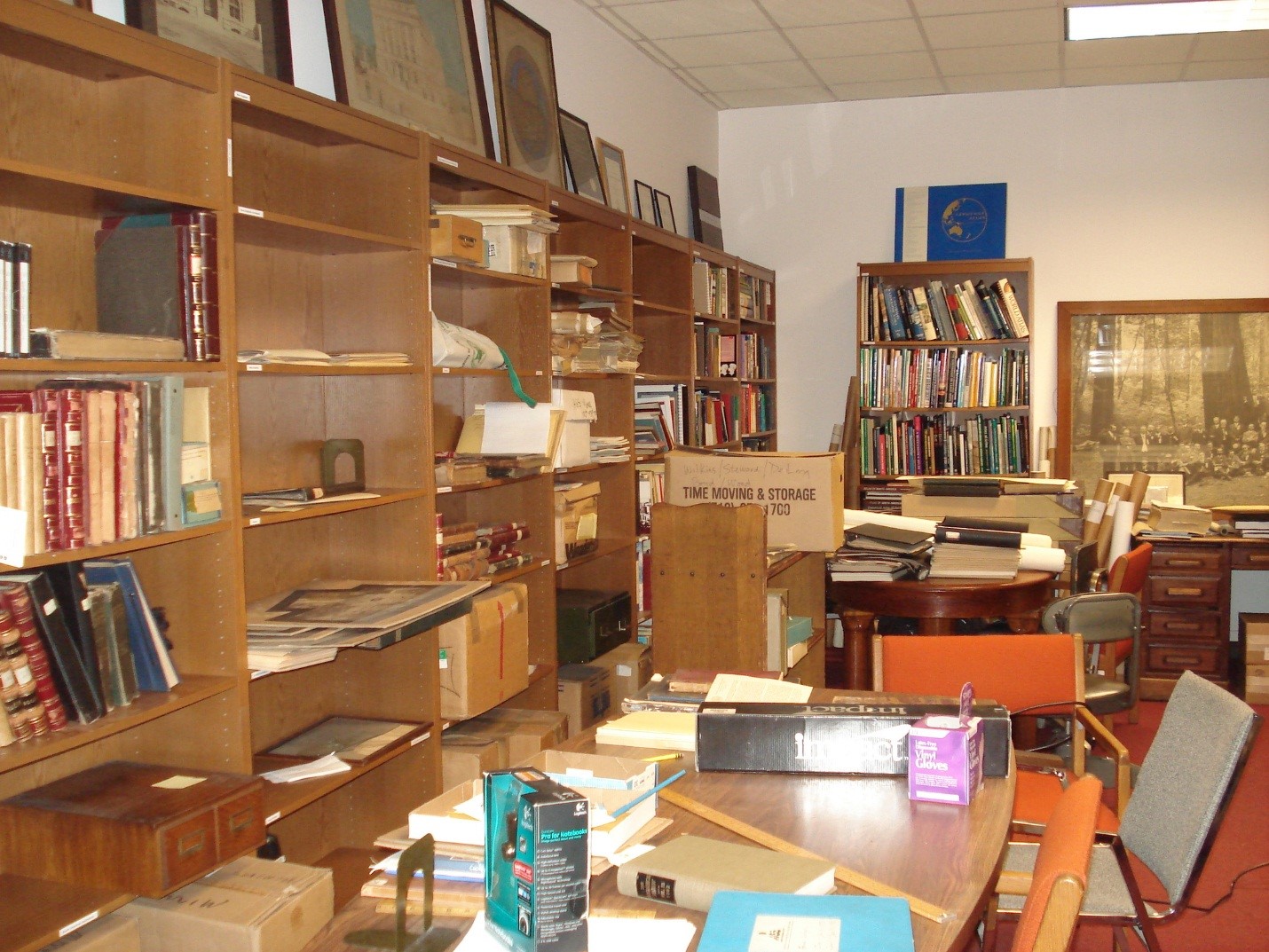
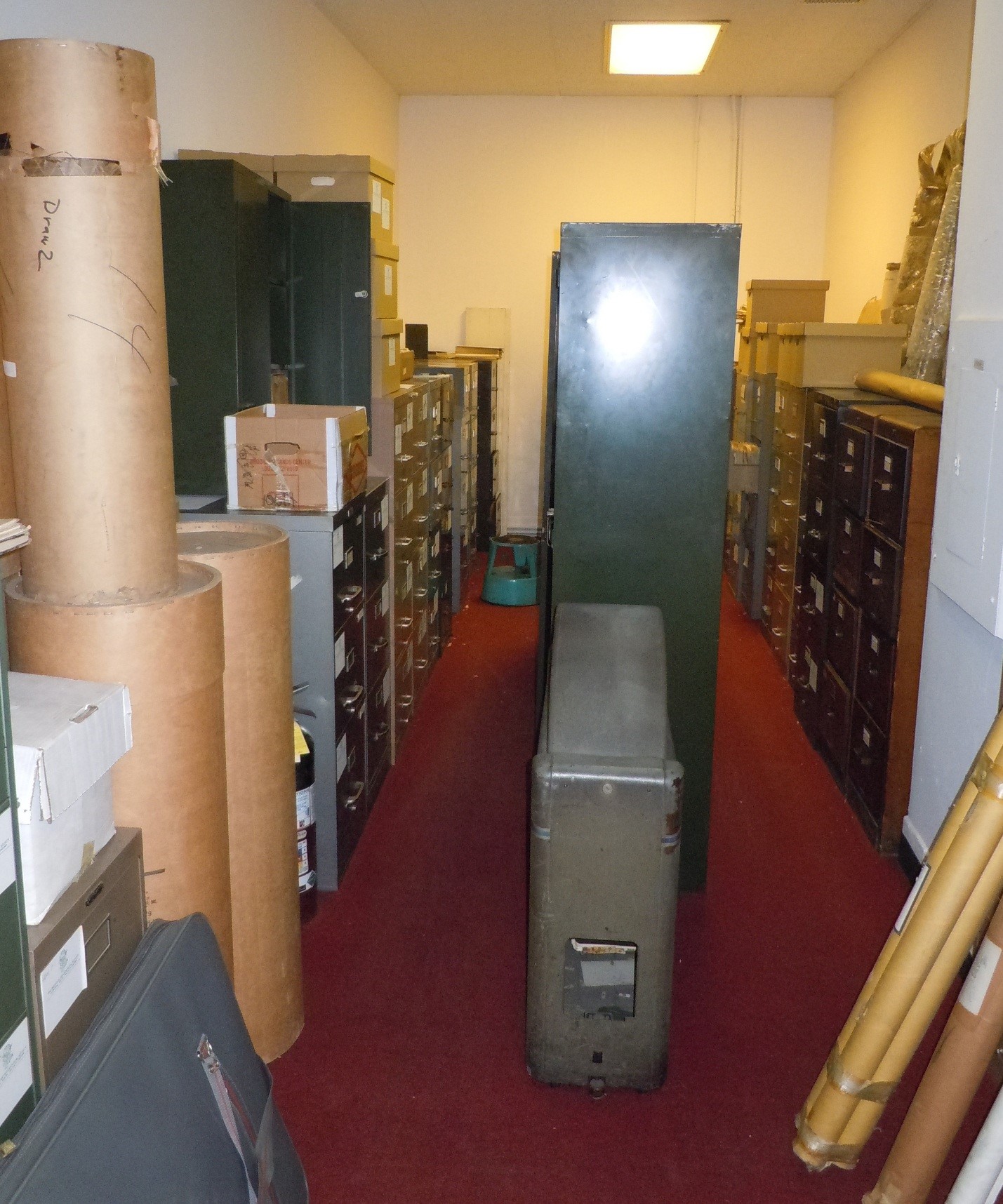
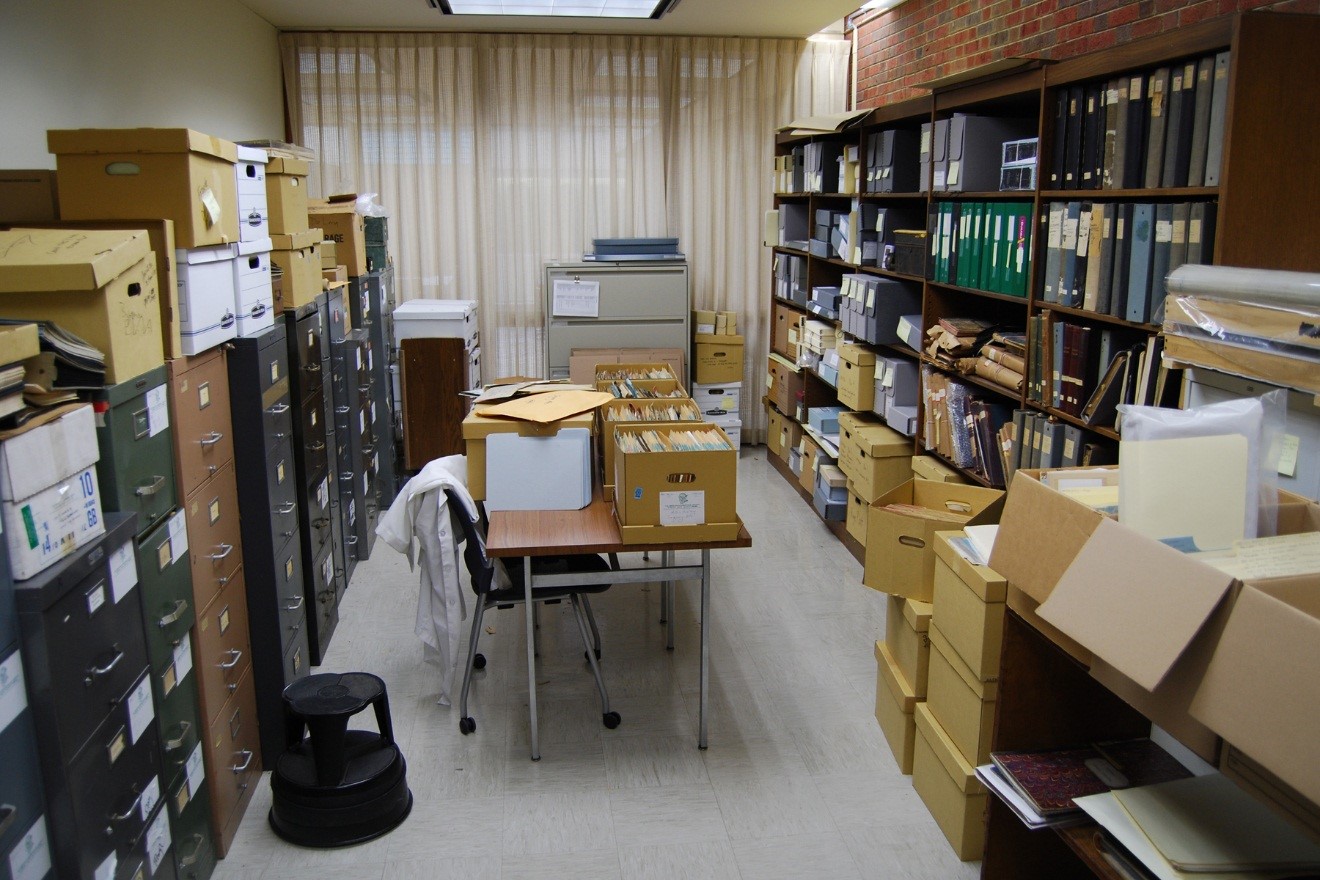
The materials date from the Society’s founding in 1851 and include approximately 350 cubic feet of material, with documents relating to well-known figures in American exploration and the larger field of geography from the mid–nineteenth century through most of the twentieth.
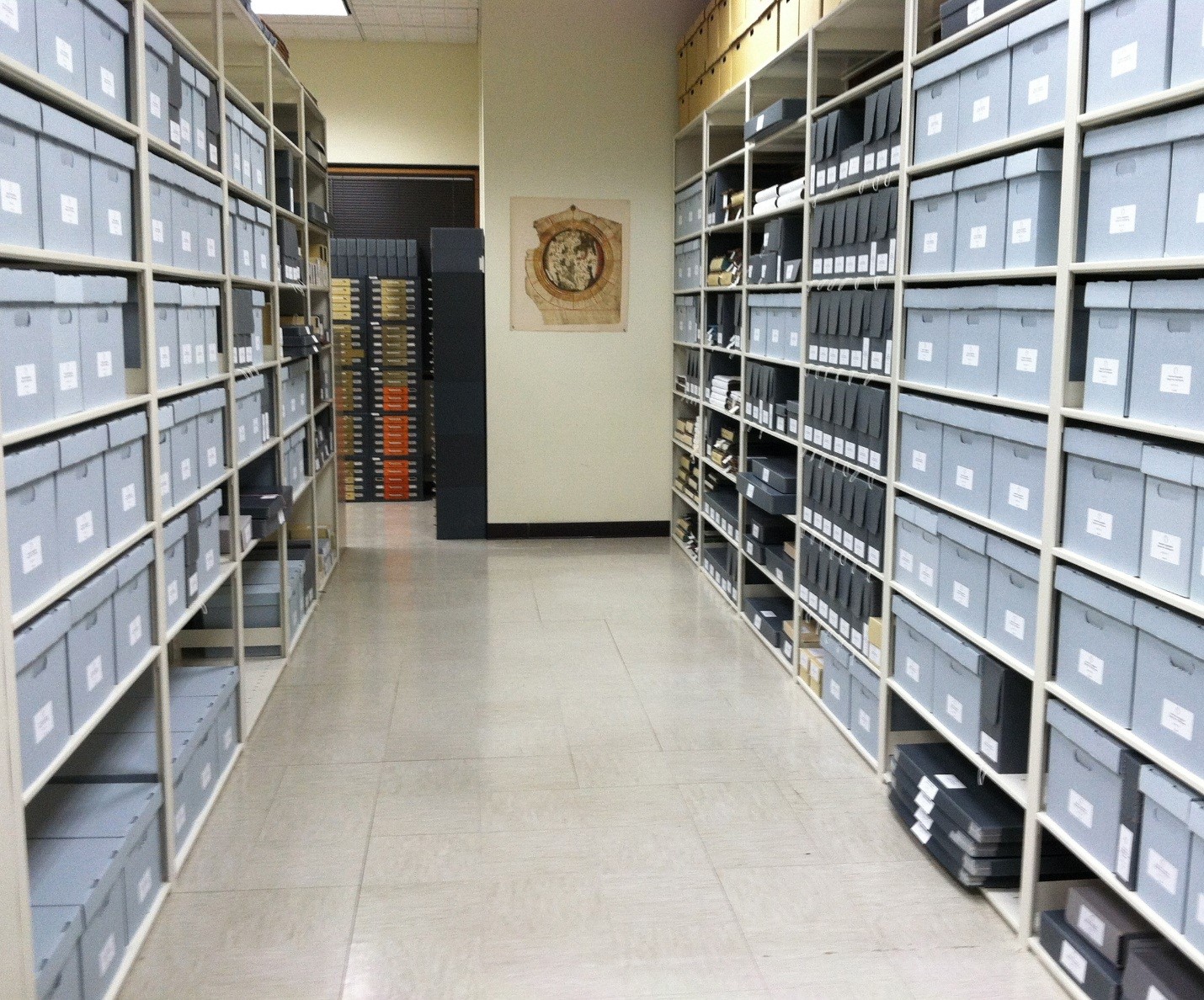
Highlights include log books, diaries, photographs, and artifacts of early Polar expeditions, such as the papers of Robert E. Peary (who served as President of the Society), the American flag carried by Capt. Charles Francis Hall on his second Polar Expedition, and correspondence with such individuals as David Livingstone, Franklin D. Roosevelt (an AGS councilor), Charles Lindbergh, and William H. Seward, to name only a few.
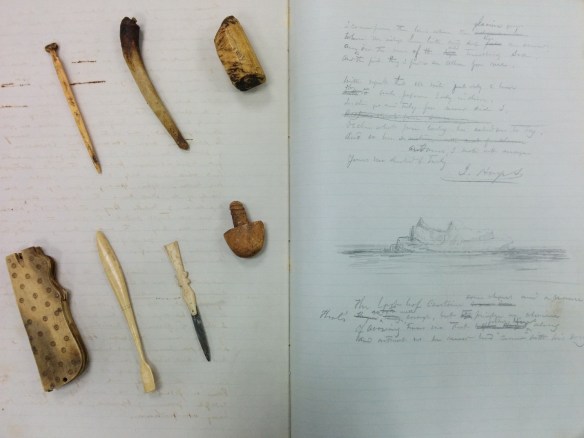
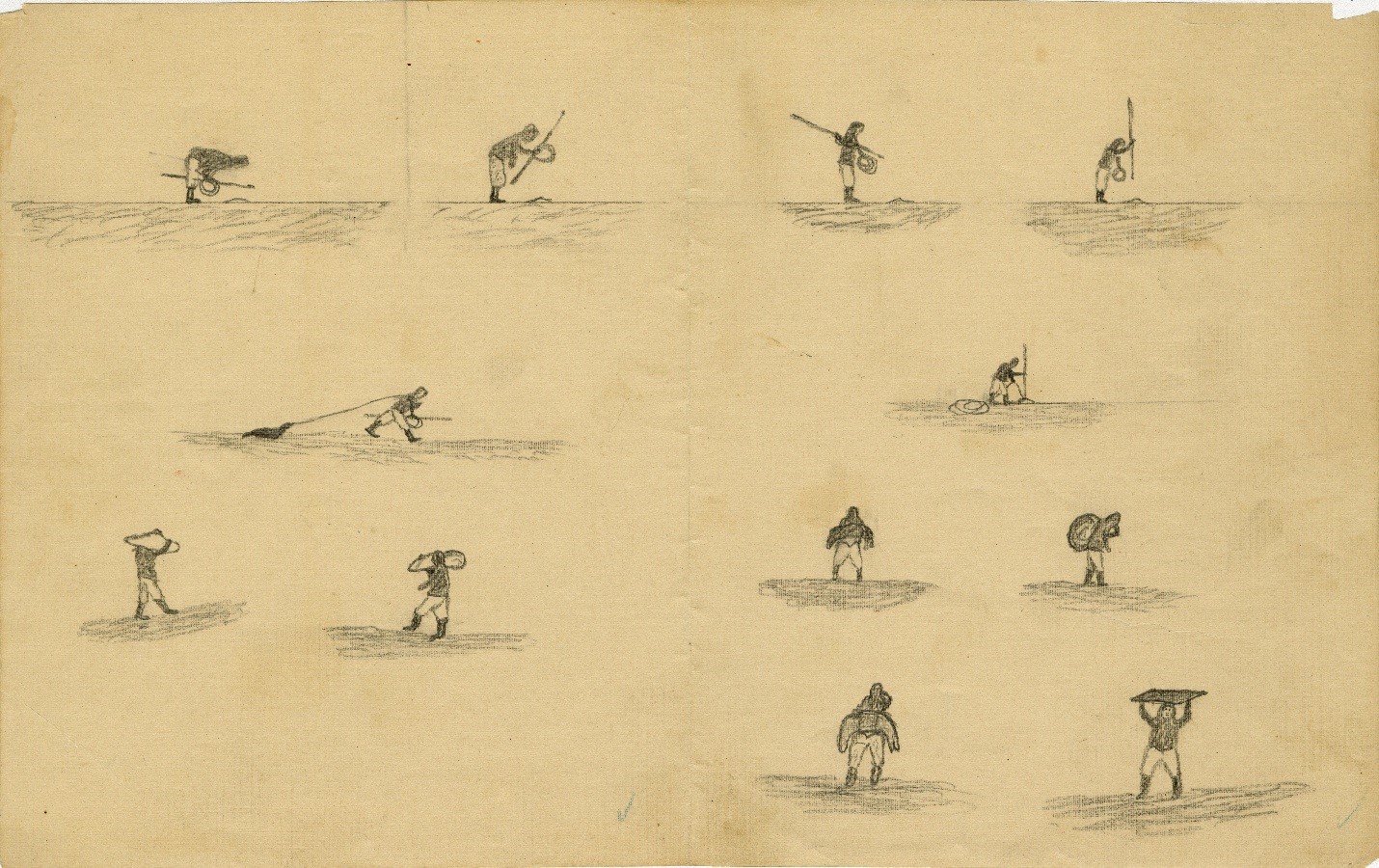
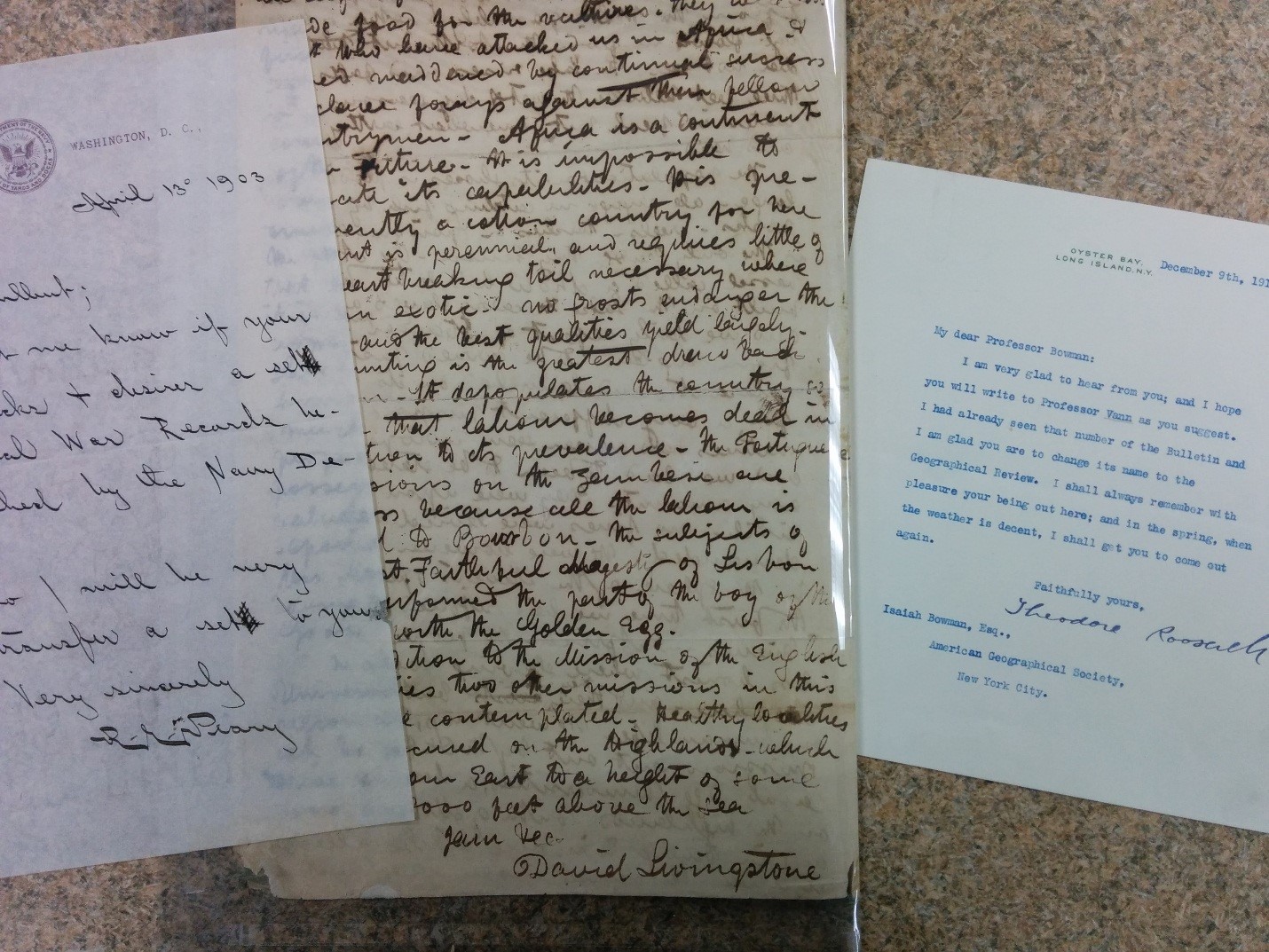
The collection contains correspondence, publications, reports, maps, meeting minutes, ledgers, and records on expeditions, explorers, and other geographic organizations and activities. For more information, please contact the American Geographical Society Library at 414-229-6282 or via email at agsl at uwm dot edu.
American Geographical Society Library Records, 1851-2013 (link to finding aid)
American Geographical Society New York Archives (link to digital collection)
The images selected for this digital collection focus on explorers and expeditions, particularly to the Polar Regions. Highlights include log books, diaries, photographs, and artifacts of early Polar expeditions, such as the papers of Robert E. Peary (who served as President of the Society) and Isaac Israel Hayes, sketches of Inuit life by Robert Flaherty, records from the Transcontinental Excursion of 1912, and correspondence with such individuals as David Livingstone, Franklin D. Roosevelt (a councilor), Charles Lindbergh, and Louise A. Boyd to name only a few. The collection also contains correspondence, publications, reports, maps, meeting minutes, ledgers, and records on expeditions, explorers, and other geographic organizations and activities. The digital collection is under development as more items continue to be scanned and added to the collection.

