egyptology
Egyptomania in the AGSL Archives
By Lauren Maddox
In 1798, Napoleon launched an invasion into then-Ottoman territories in Egypt and Syria in order to disrupt Eastern trade for Britain. Napoleon wanted to “liberate” India from British rule, but knew that France’s newly formed navy was not going to be a match for Britain’s own naval forces. So, to avoid a confrontation at sea, Napoleon chose to confront the British and their allies over land.
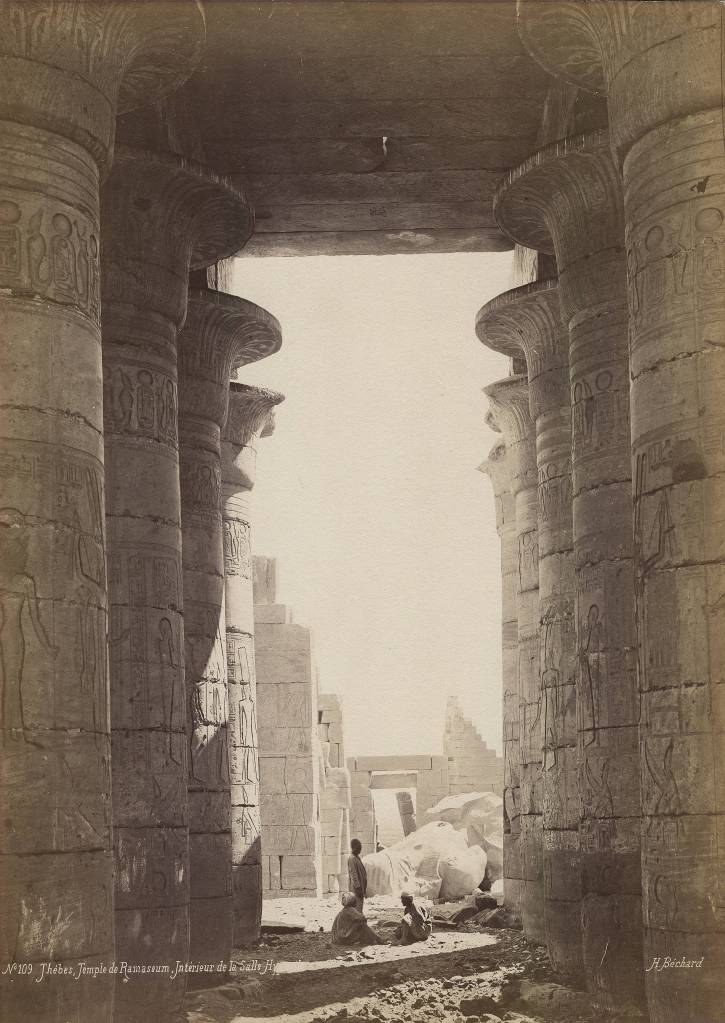
Henri Bechard’s Photo of the Hypostile Hall in Ramesseum Temple in Thebes. Click the link to see this image in our Digital Archives!
The primary motivation of the invasion was to challenge British trade structures, but Napoleon was also interested in promoting scientific pursuits in the region and making new discoveries about the ever-romanticized ancient Egypt. Napoleon styled himself as Roman, after all. Napoleon was a fierce Corsican nationalist, and of course became the emperor of France, but often identified most with an Italian ancestry of conquerors and colonizers. Some of his interest in Egypt could have been related to this stylization. Octavius annexed Egypt into the Roman Empire after deposing Pharaoh Cleopatra, officially incorporating it as the Roman province of Egypt in 30 B.C.E. Napoleon, a self-styled descendant of Roman imperialists, was interested in Egypt as a former piece of the Roman Empire, and as a leader looking to establish a French Empire.
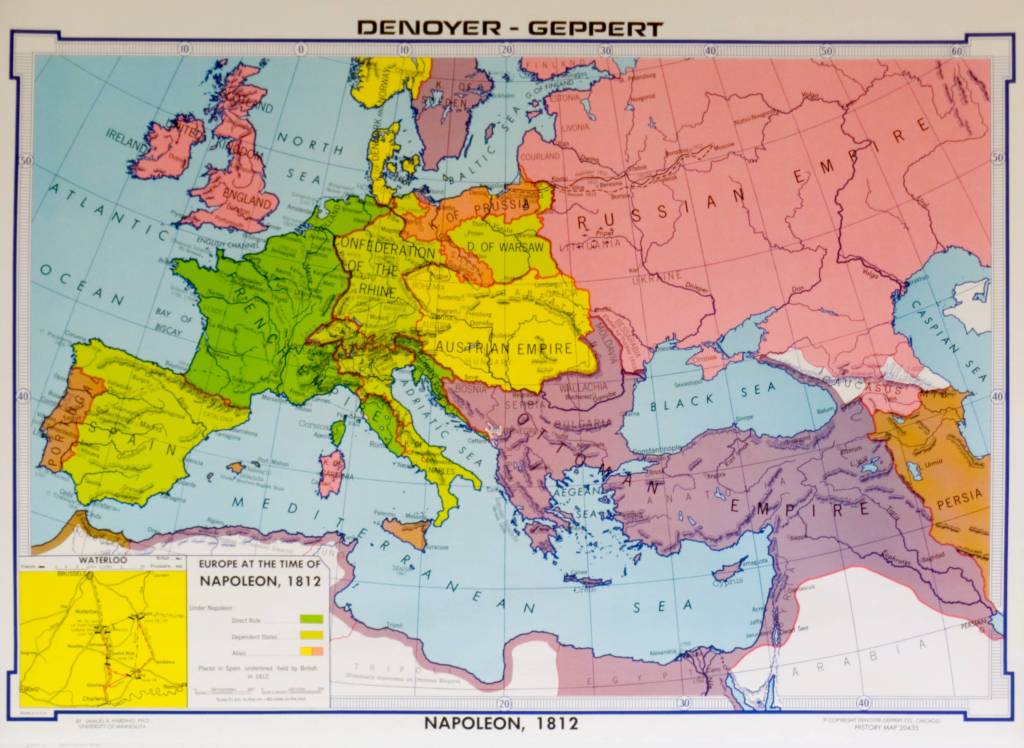
The invasion was a failure; the three factions of the Ottoman Empire and the British forces overpowered French troops, forcing them to withdraw without having achieved their primary military goals. But the impact of Napoleon’s military operation went beyond its failure. Besides the military forces, Napoleon also recruited a large number of scholars (called his “savants”) to accompany the army in an exploratory expedition. There is some debate about Napoleon’s motives– the inclusion of the savants could have been proof of his dedication to the ideals of the Enlightenment, or a ruse to cover the campaign’s true militaristic and colonial intentions.
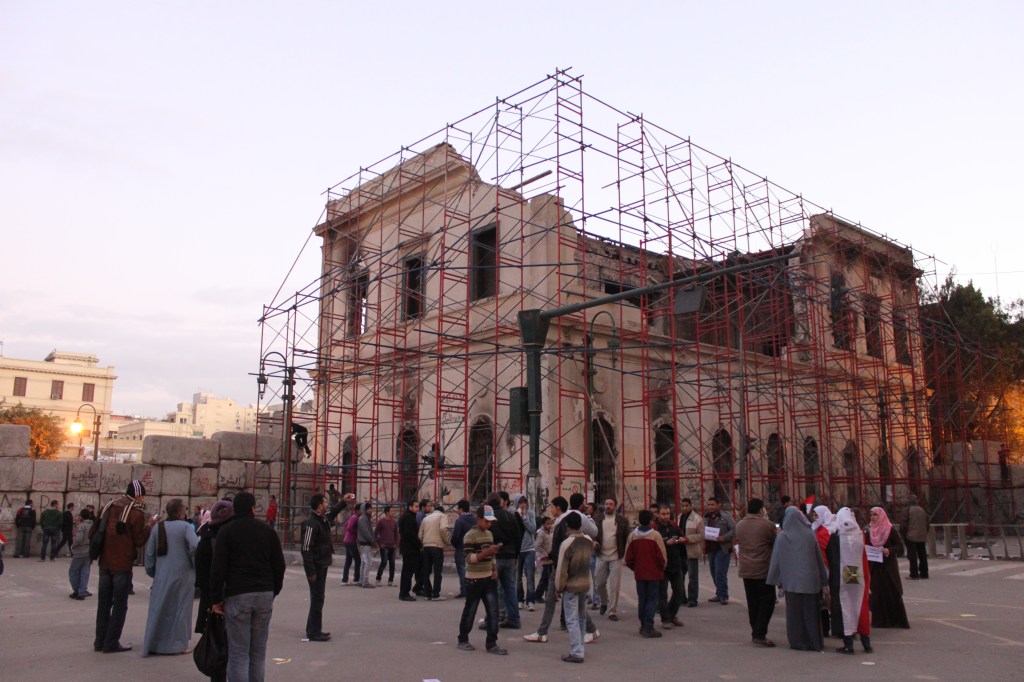
Whatever their true purpose, the savants attempted to create passage through the Suez Canal, drafted maps of roads and ancient cities, established an institute to promote scientific and agricultural advancement in Egypt, recorded and cataloged the flora and fauna of the region, uncovered and collected artifacts (without the permission of Egyptians, it is worth noting), and even “recovered” the Rosetta Stone. Few of the artifacts ever actually made it to France; much of the work was confiscated by the British and is now displayed in British Museums. Of course, these artifacts are rightfully Egyptian, and were taken as part of colonial appropriation, but were not returned by the French or the British even after colonization efforts ceased.
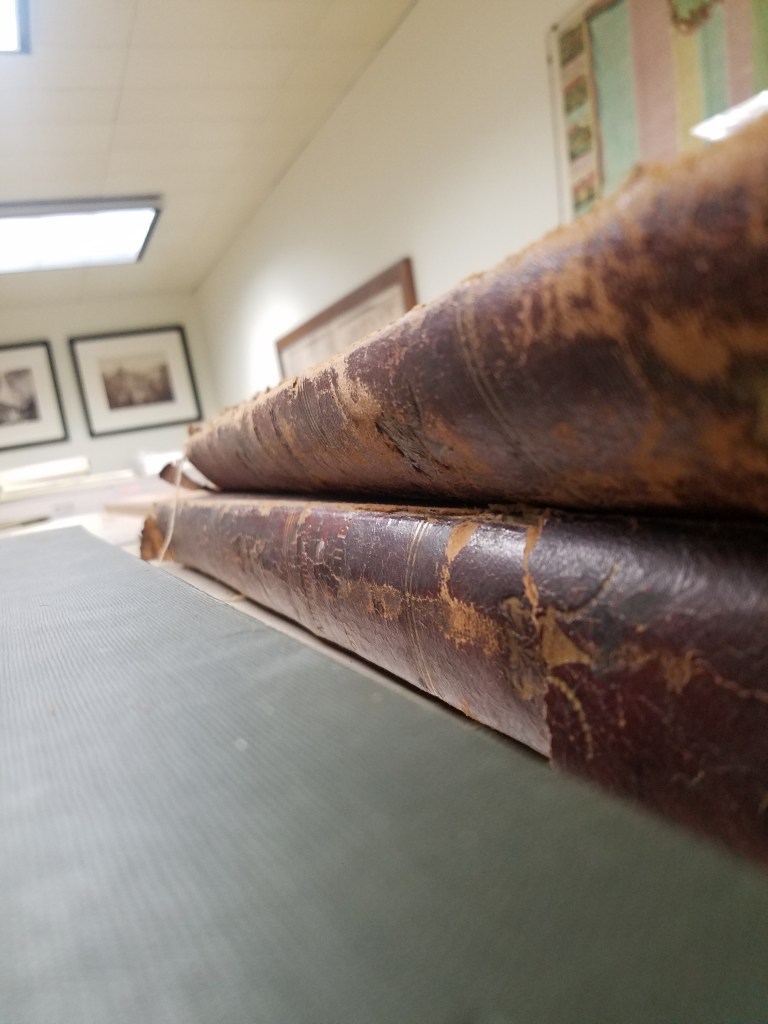
Volumes of Description. 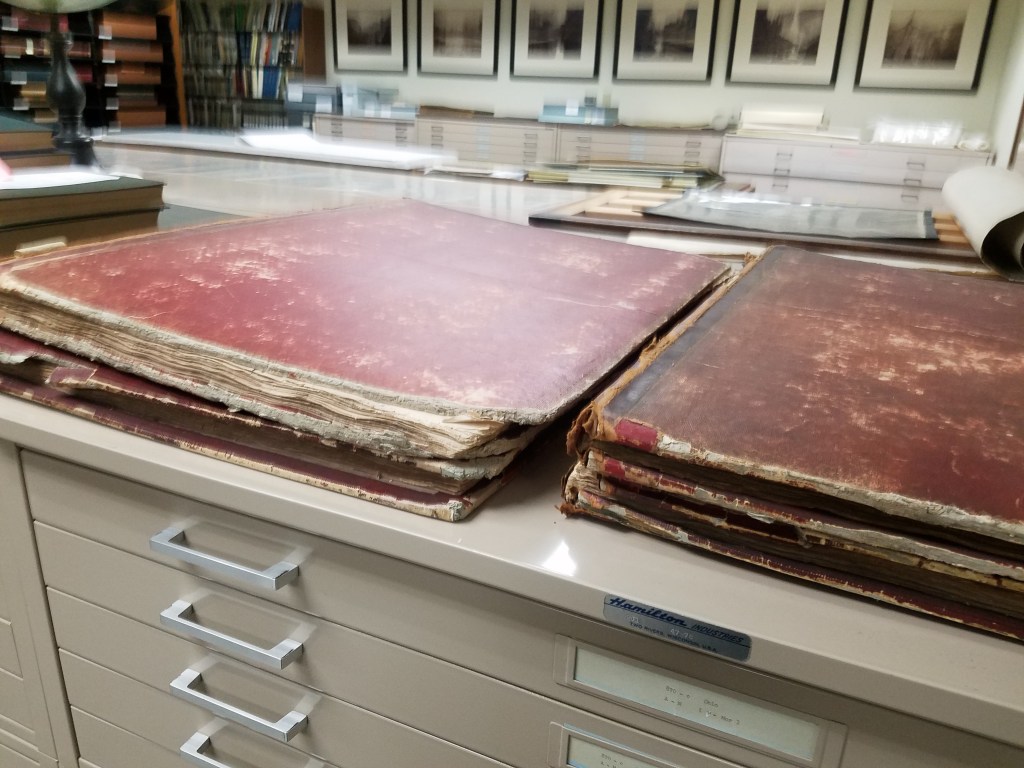
Photo of multiple volumes of Description in our rare collections room. 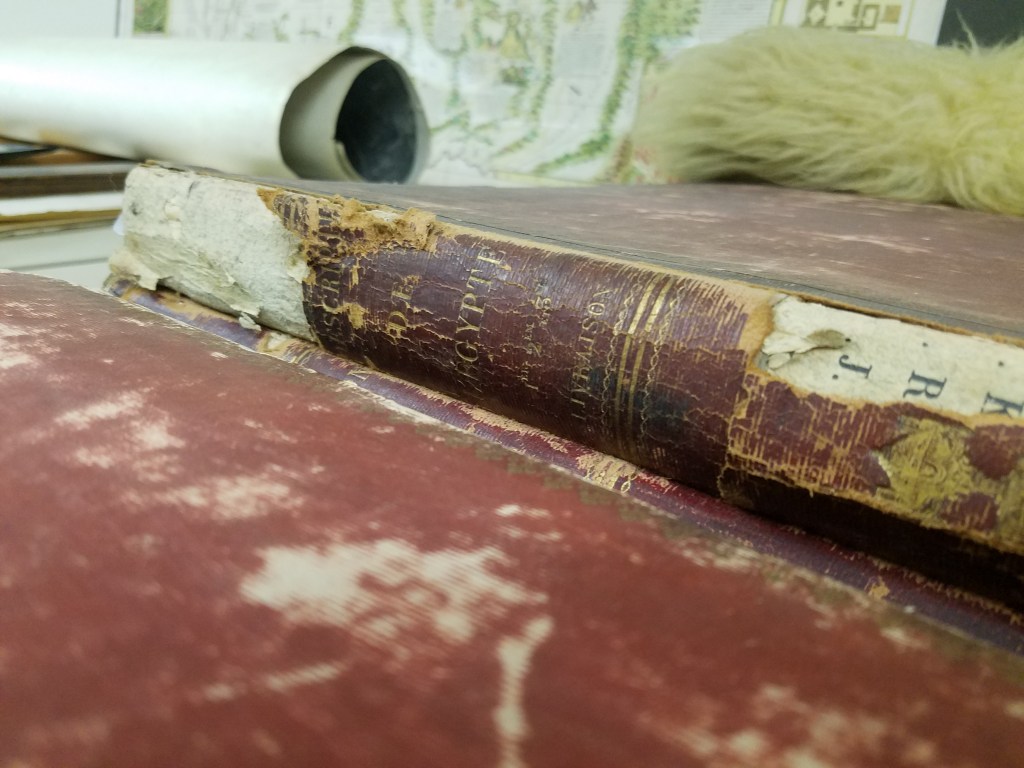
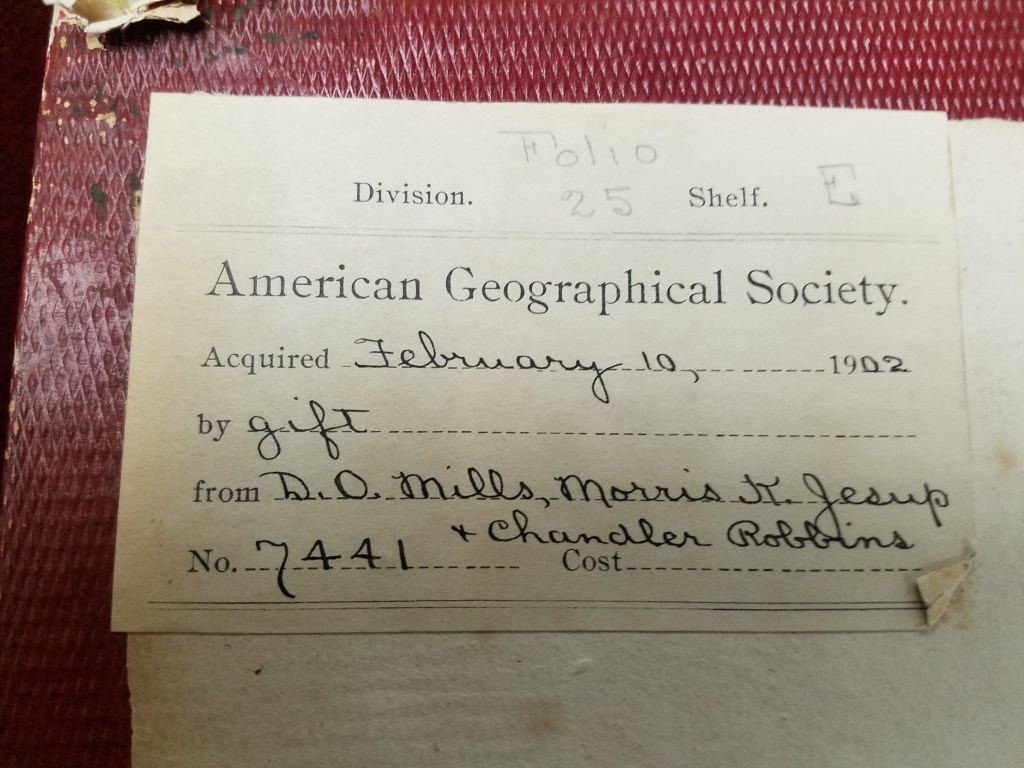
Note of Acquisition by the AGSL. 
Title Page 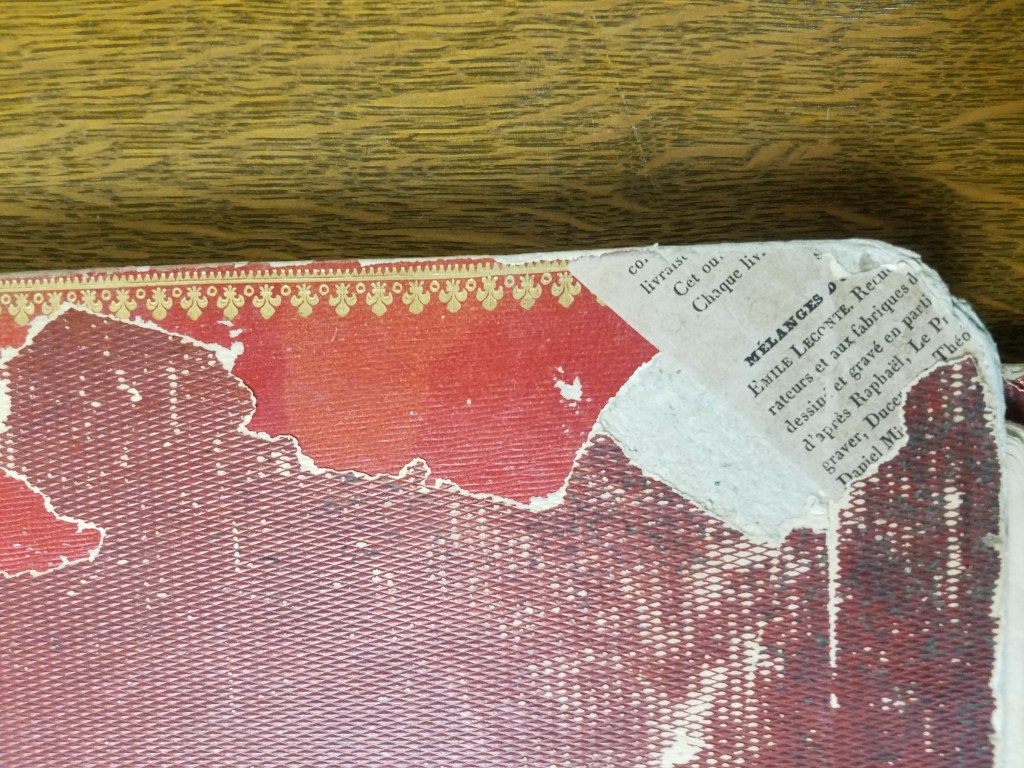
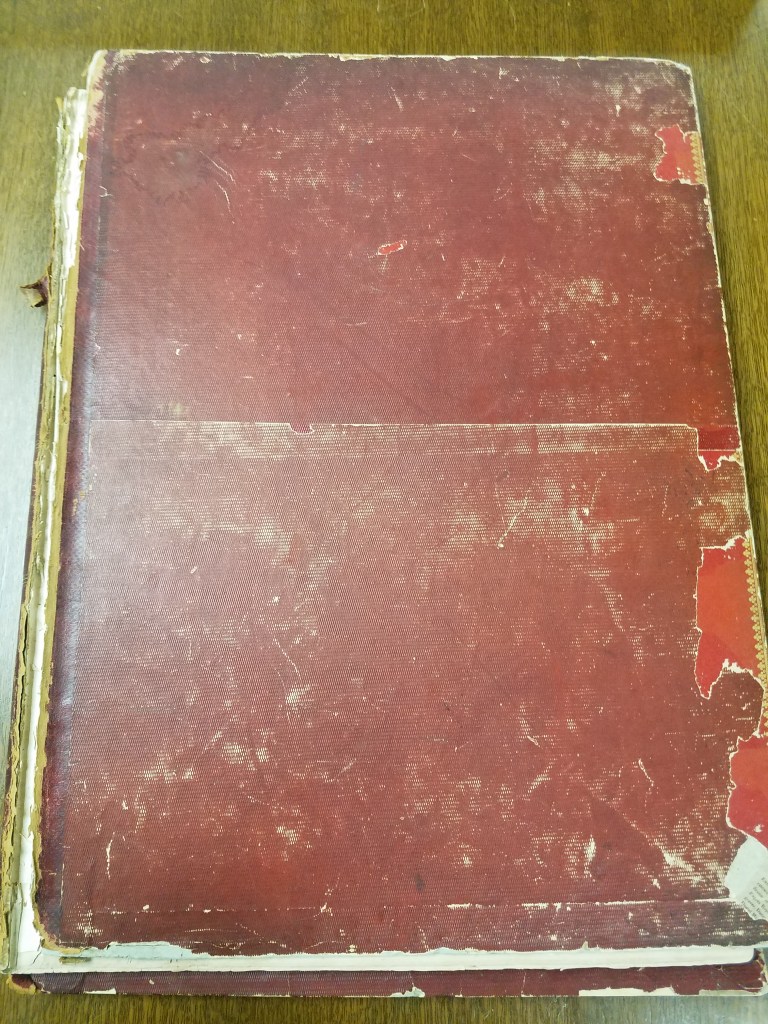
Condition of the volume. 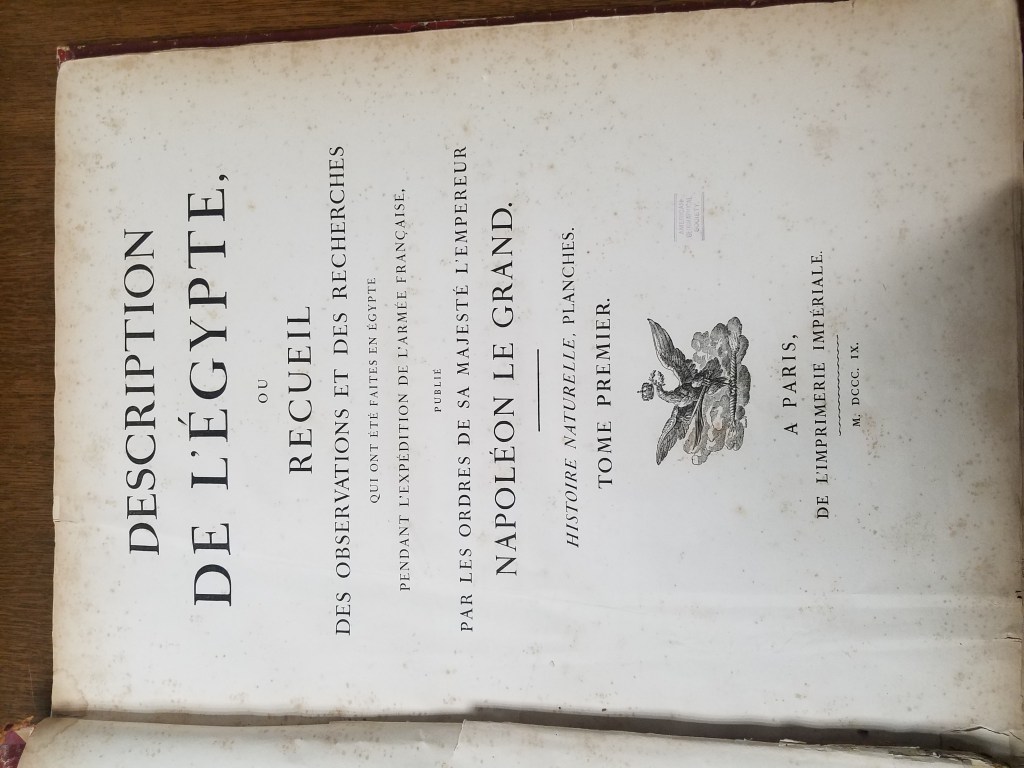
Title Page 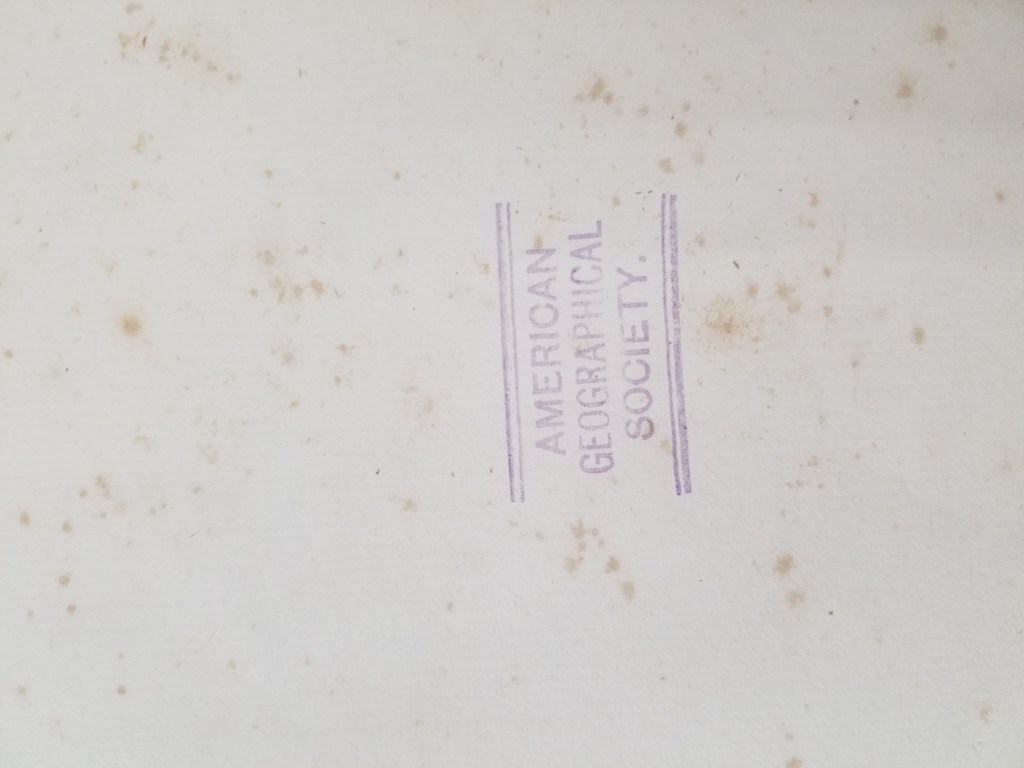
AGSL Stamped! 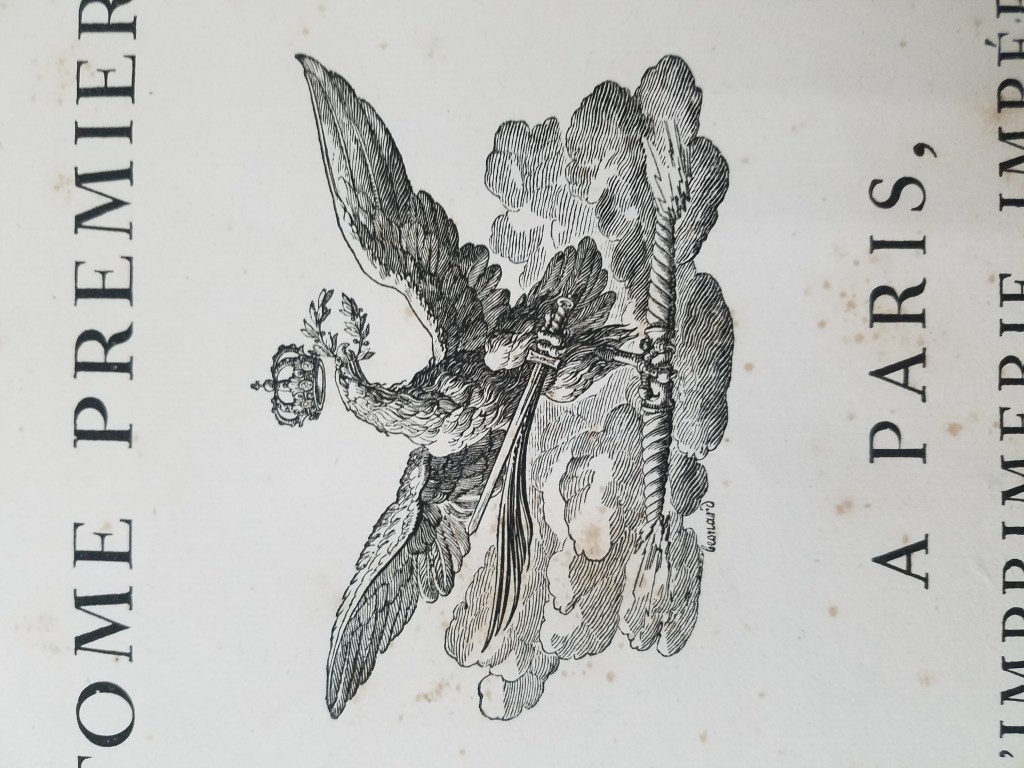
Royal Armorial Crest
To bring this new knowledge of Egypt to the people back in France, the savants compiled an initial collection of their findings in 4 volumes: Mémoires sur l’Égypte. After defeat in Egypt, Napoleon had a more comprehensive collection compiled and published: the Description de l’Egypte. The first edition included 23 volumes compiled through the collaboration of the 167 savants and thousands of artists and technicians, including 400 engravers.
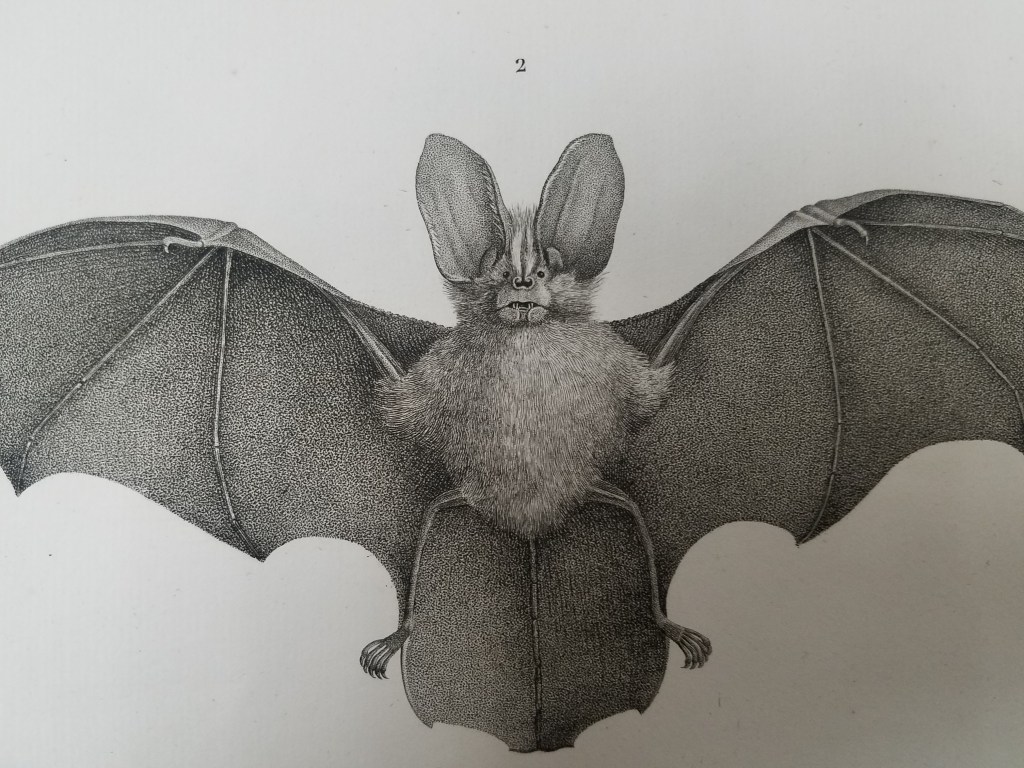
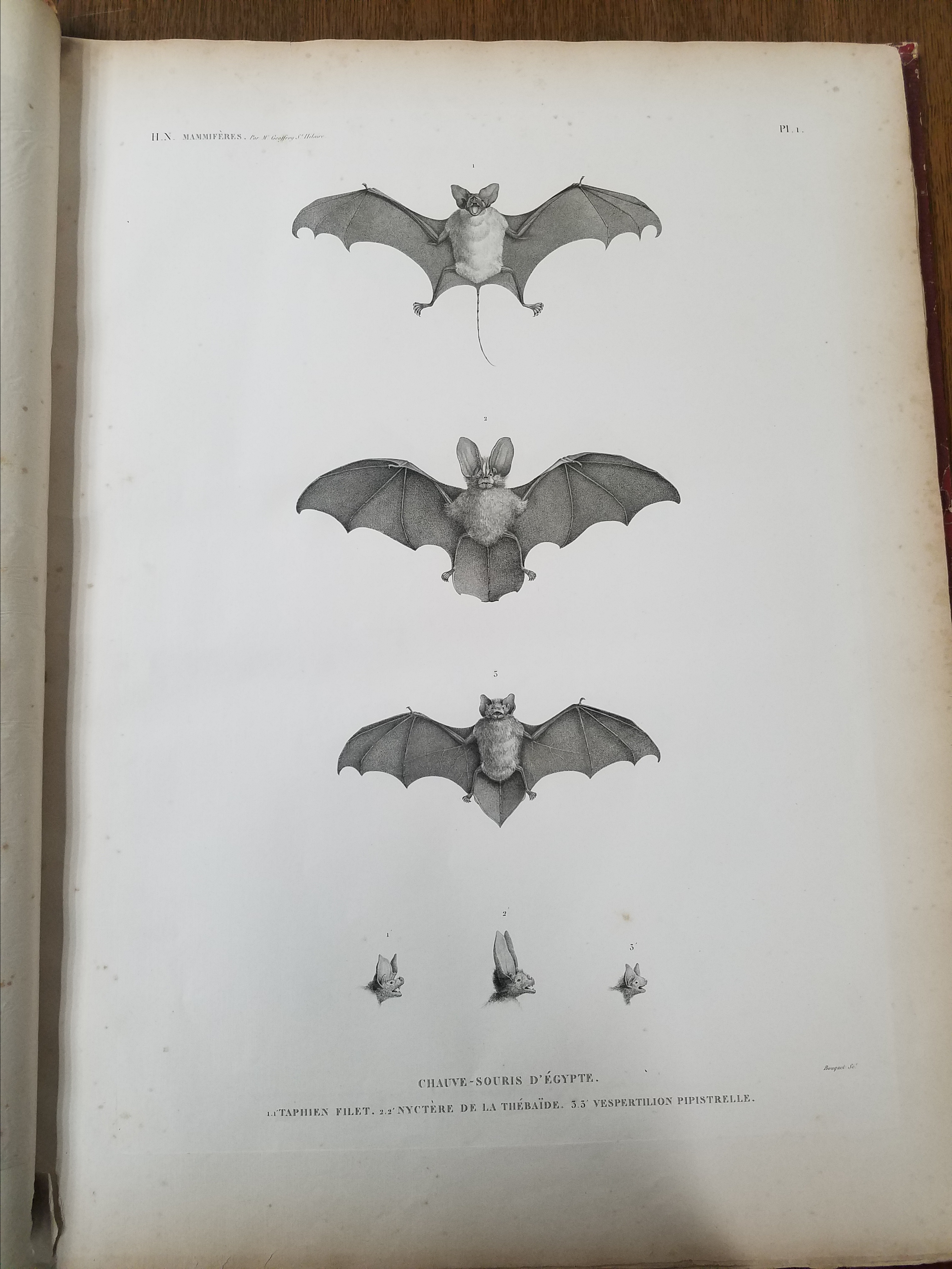
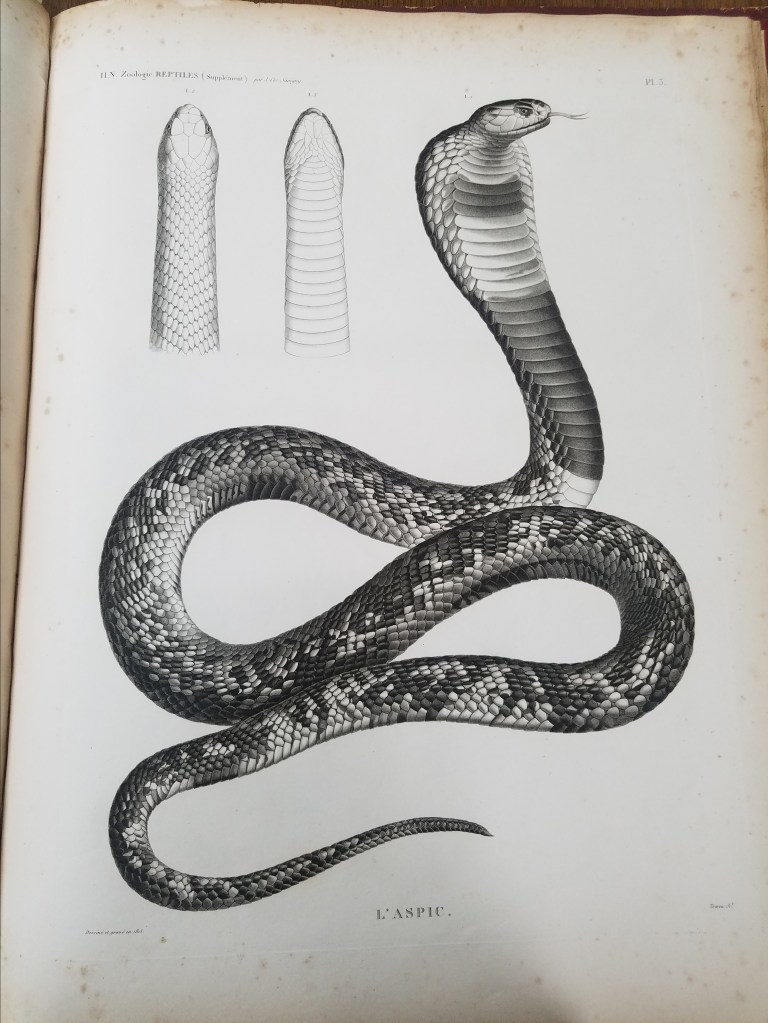
Description was wildly popular in Enlightened France, where interest in foreign places was high. The vivid engravings and detailed descriptions sparked interest in the West– Egyptology was born. Egyptology, which became a Western pastime and eventually developed into a full-on craze for hobby-historians and professionals alike, covers the ancient history, religion, language, architecture, and art of Egypt. Ancient Egypt continued to be an exotic fantasy to Westerners.
Egyptomania spread through Europe and the rest of the West– especially the United States of America, where Egypt became a model for the young nation still developing its identity as a sovereign state. Throughout the 19th century and well into the 20th, echoes of Egyptian (or, as the case may be, “Egyptian”) art and architecture resounded through the West.
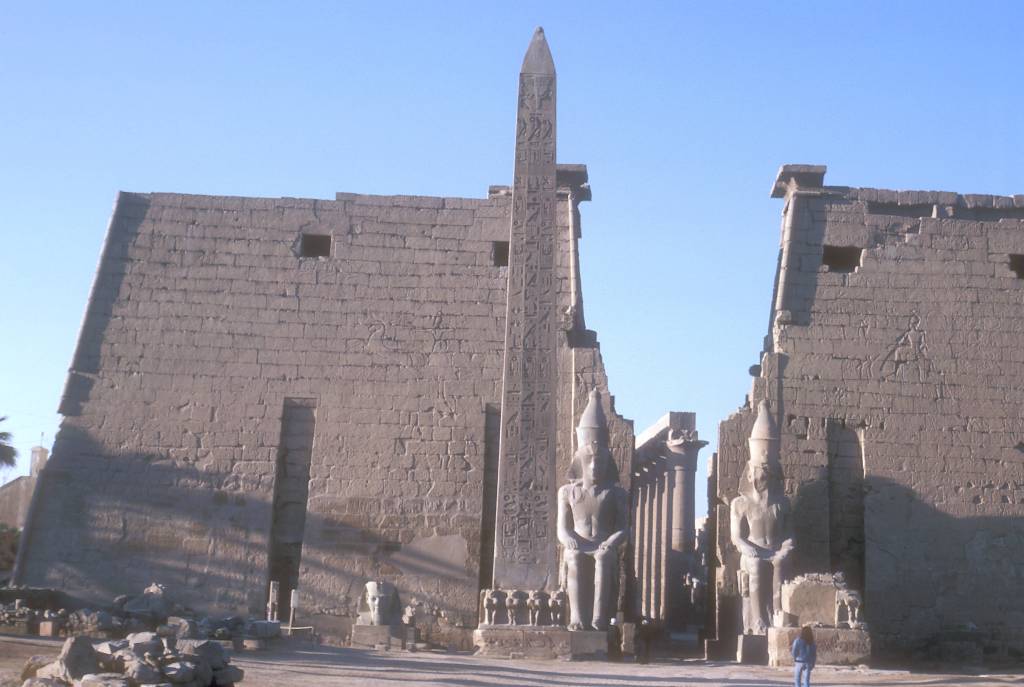
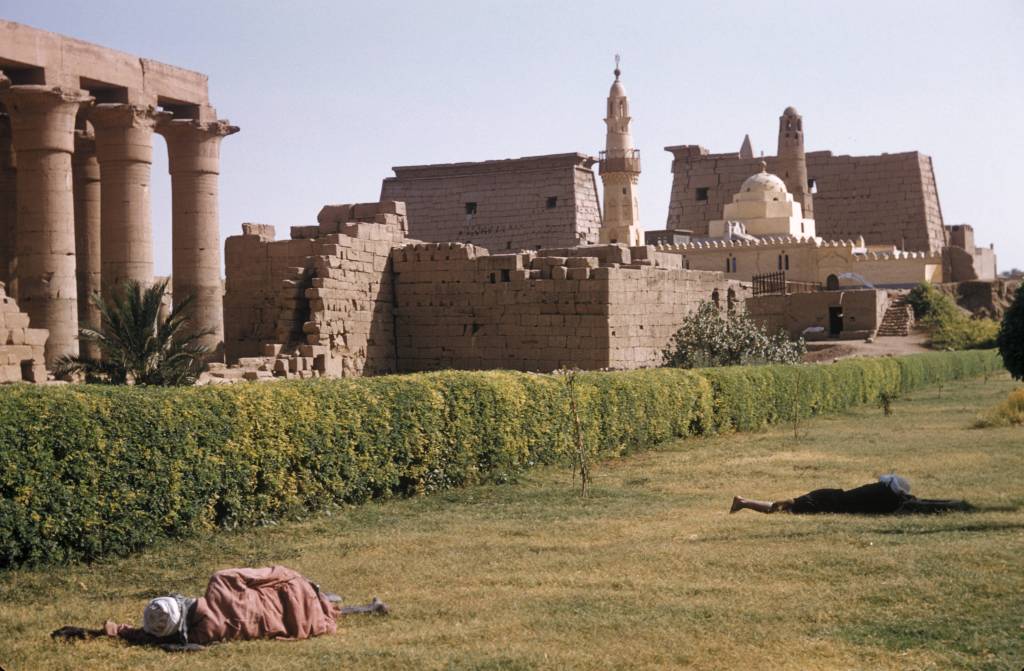
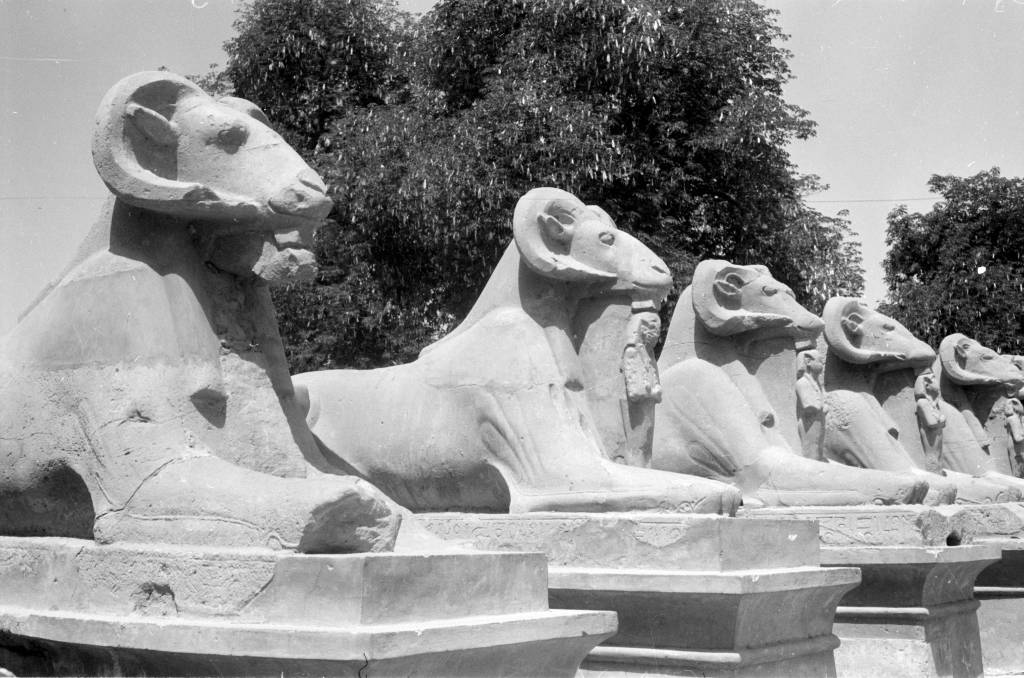
The influence of Egyptomania can still be seen in famous architecture, monuments, and art. Some very obvious examples: the Washington Monument and the Luxor Hotel.
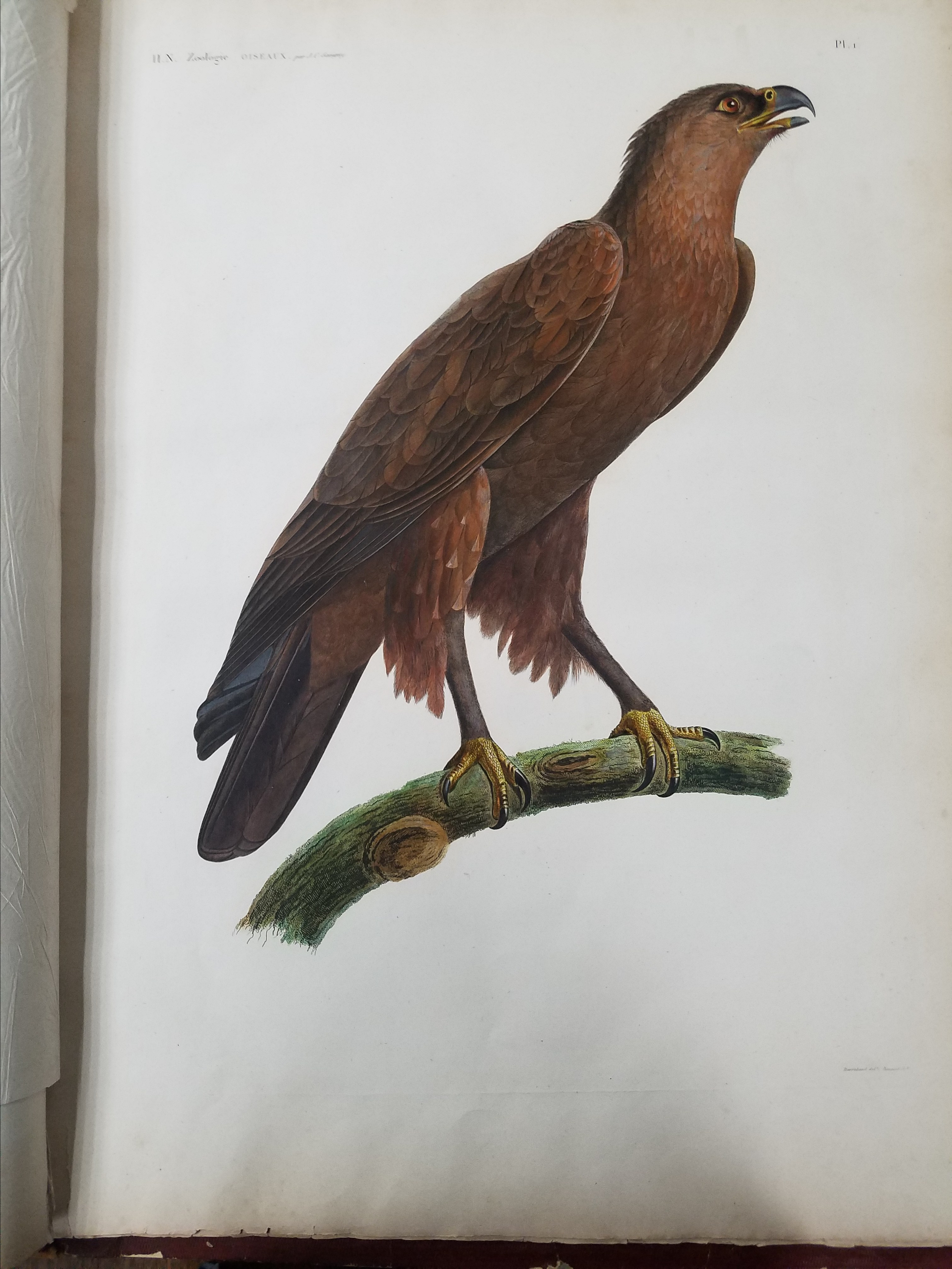
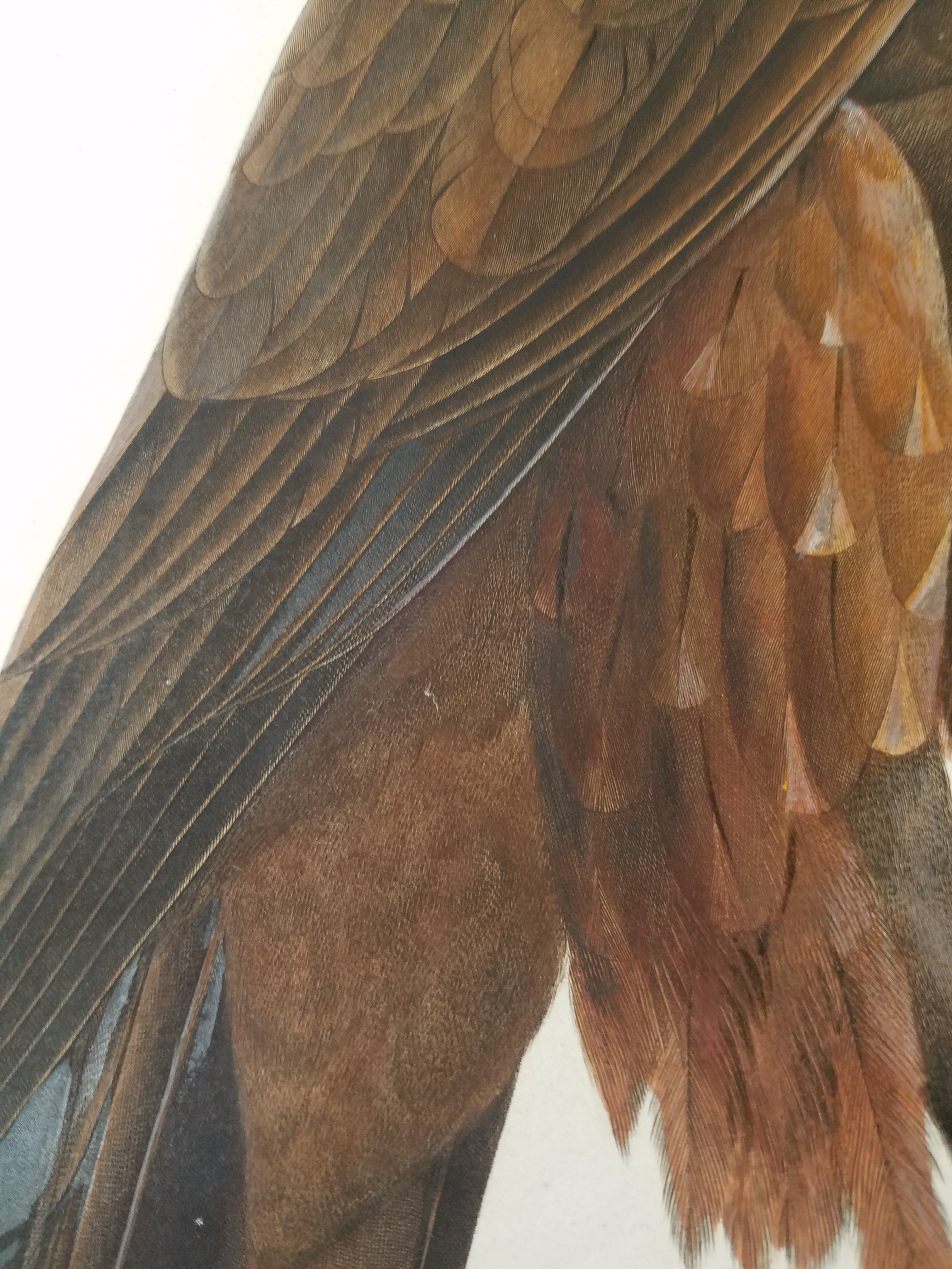
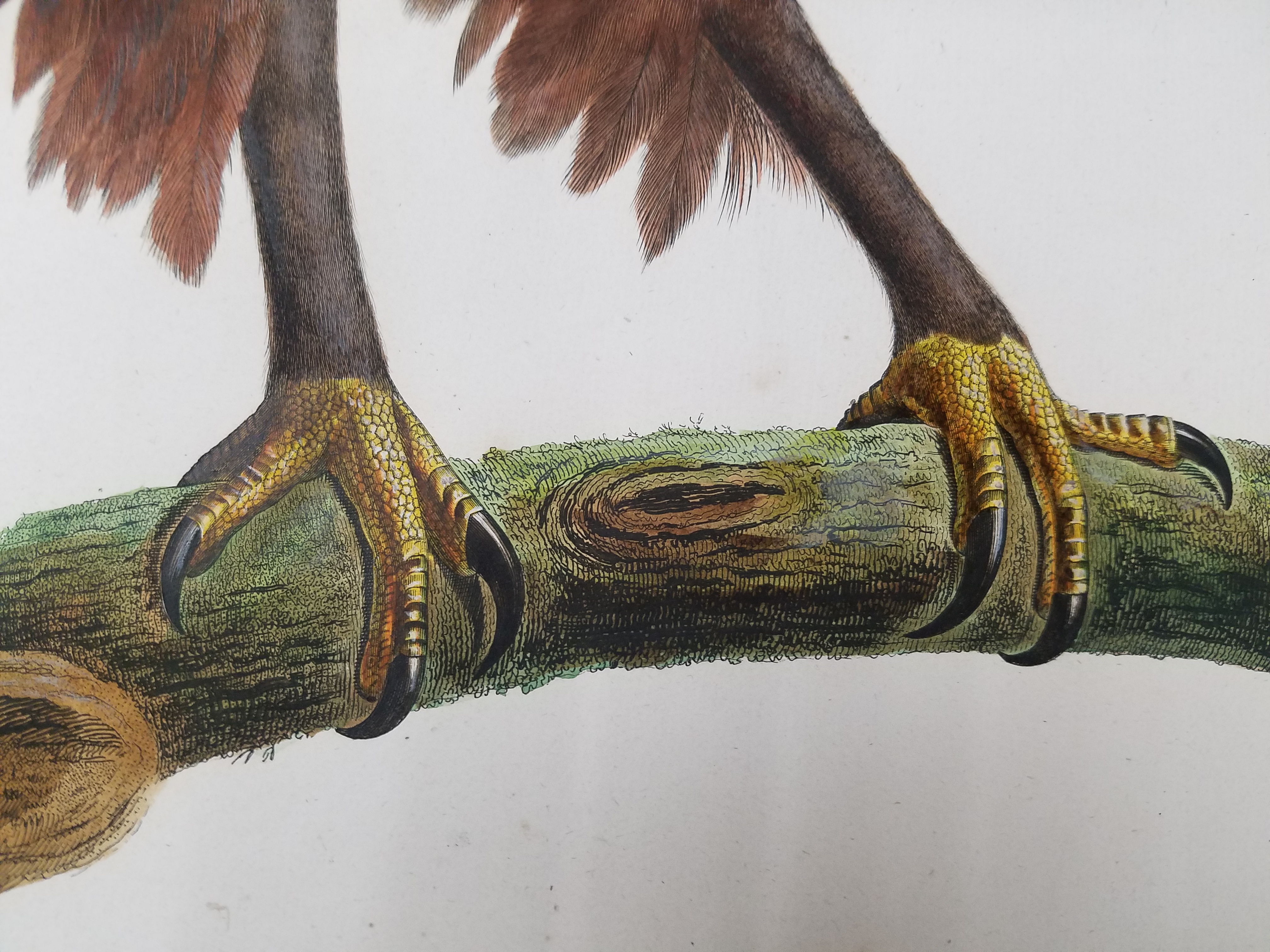

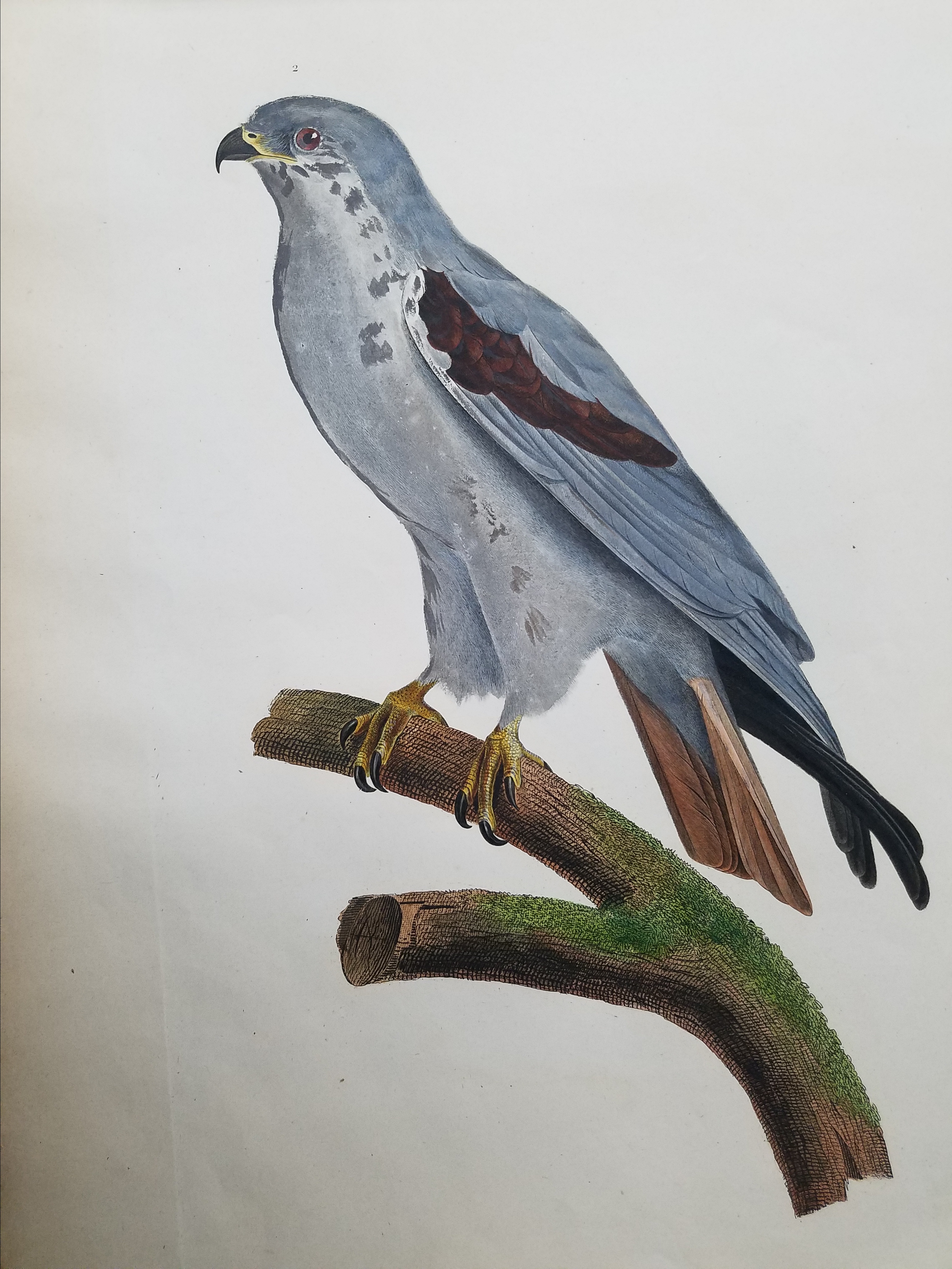
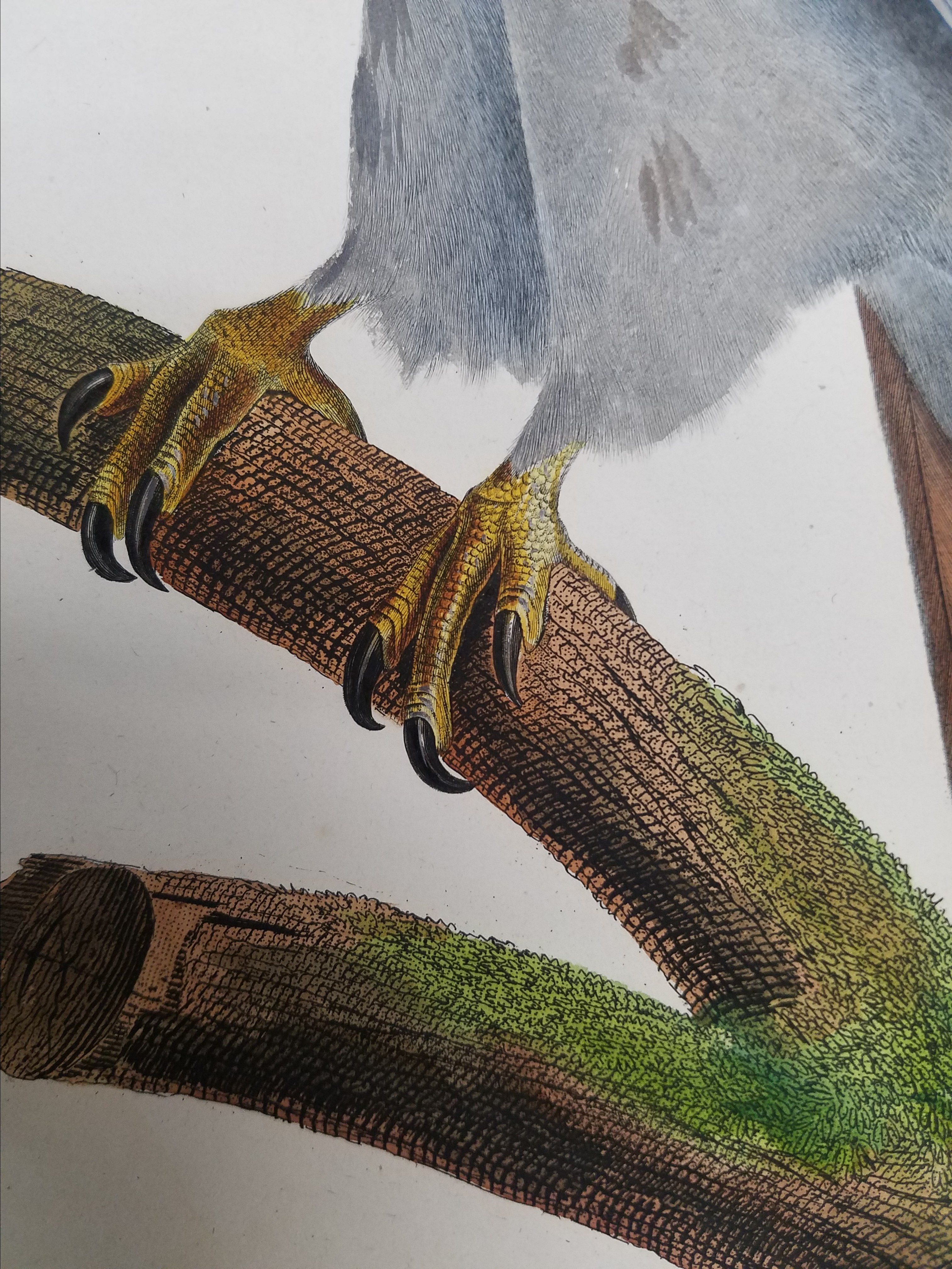
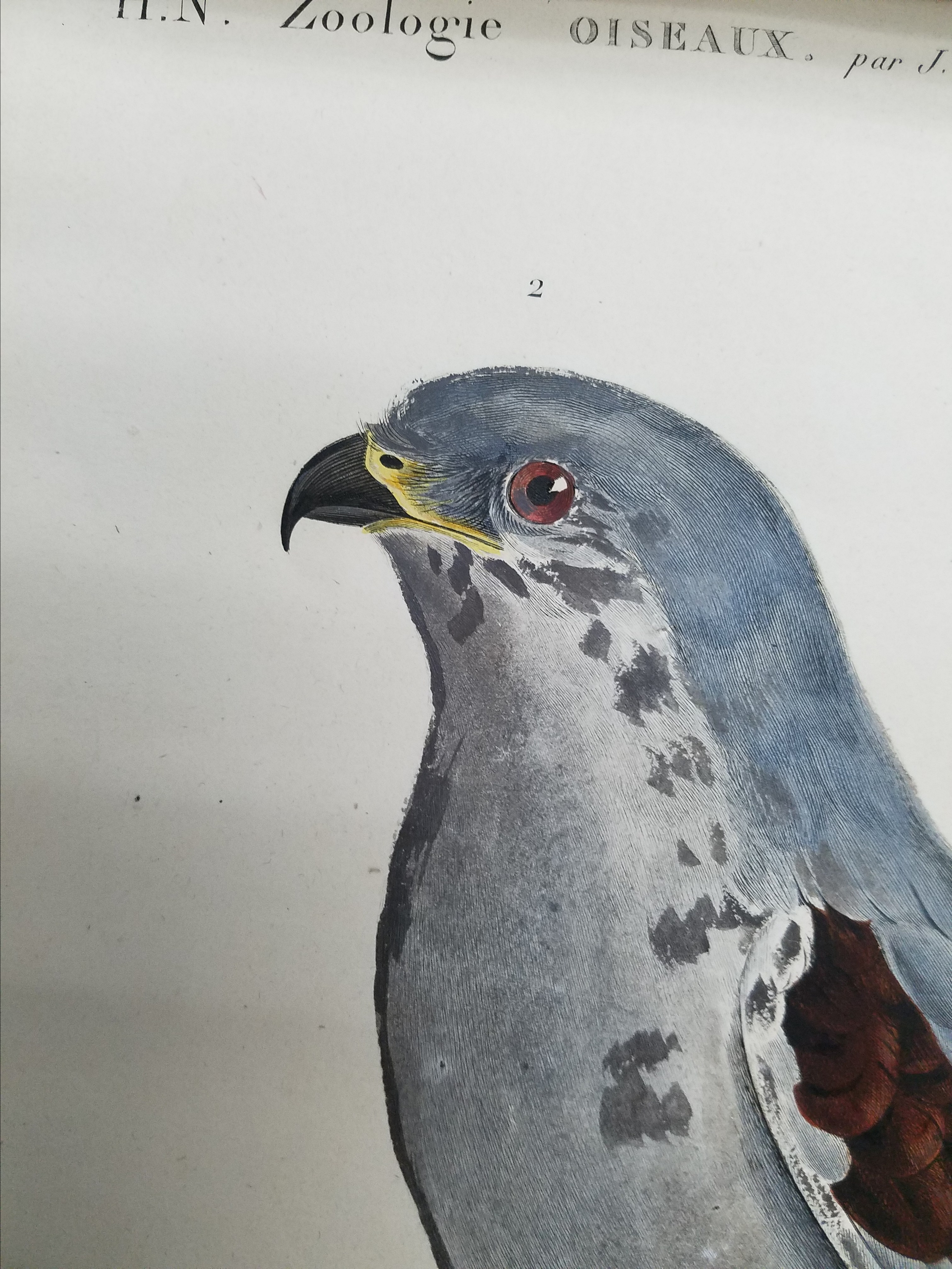
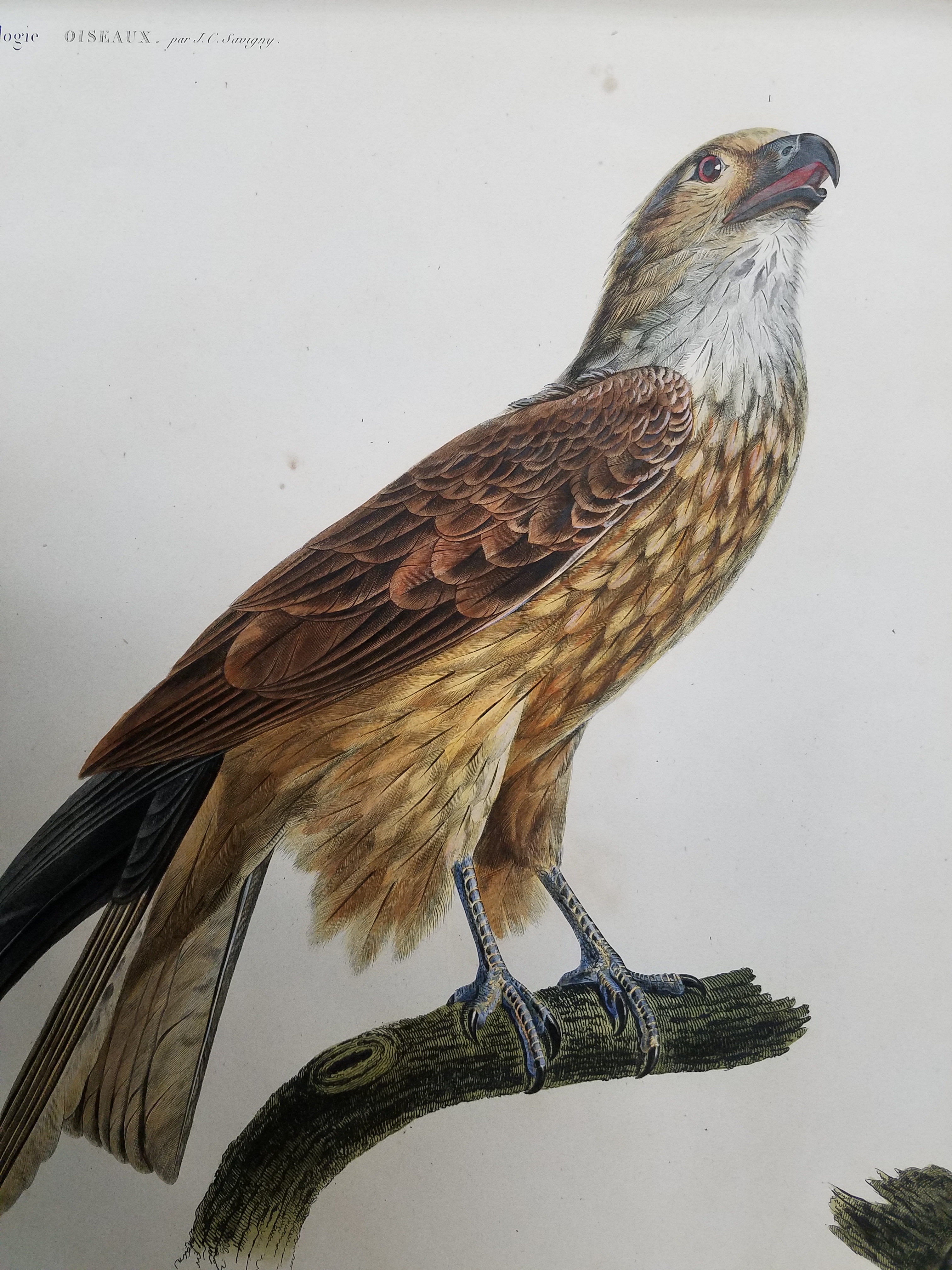
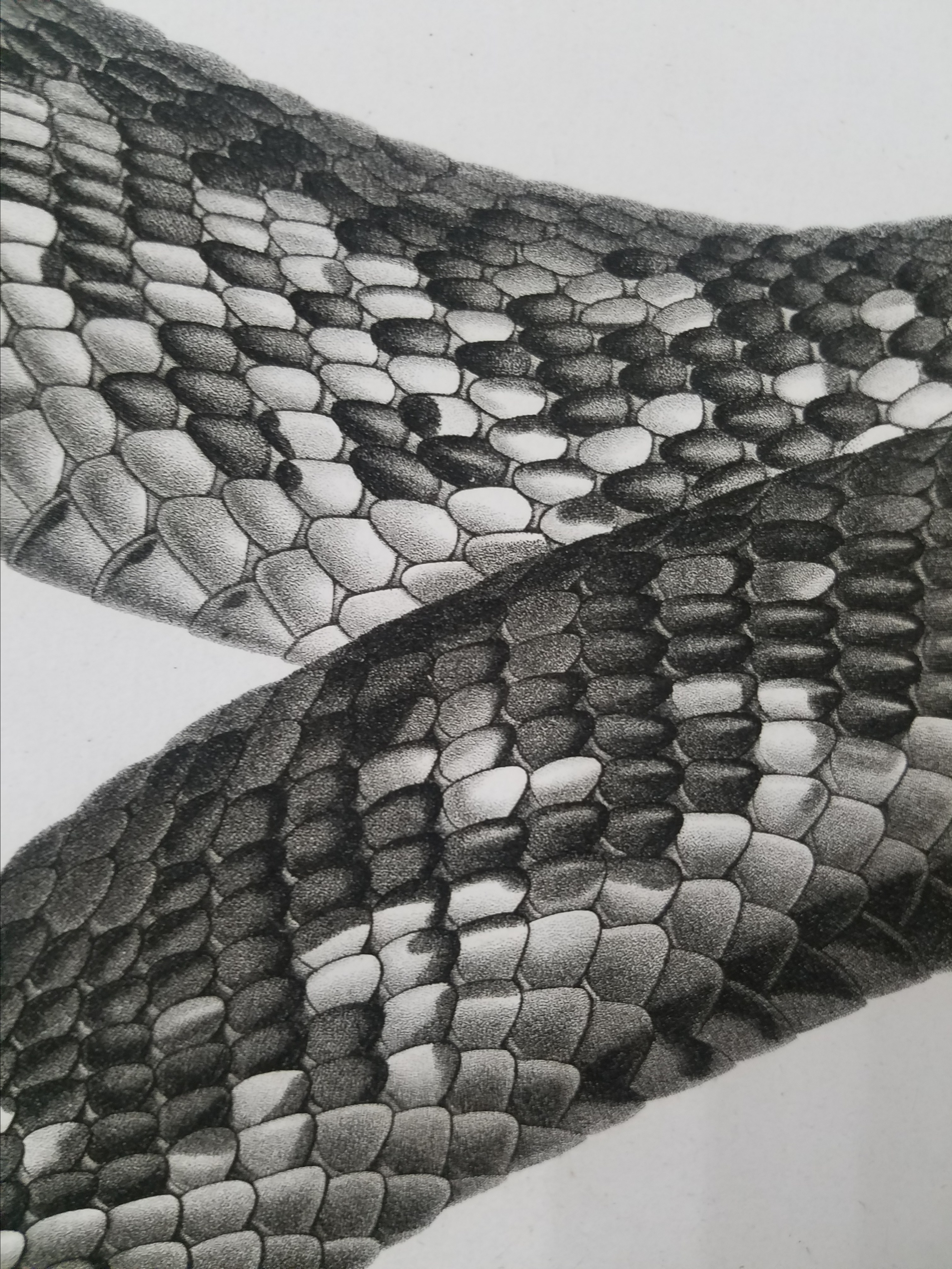
A fire at the Institut d’Egypte was rumored to have destroyed the original manuscript, but the volumes were recovered and restored safely. The collection that started it all, Napoleon’s savants’ Description de l’Egypte still survives! And we have a first edition copy here at the AGSL. The volumes are filled with beautifully colored engravings, particularly in Books 19 and 20, which cover Egypt’s natural history. The level of detail in the engravings is remarkable. This is an amazing piece of history that’s here in our library! Which, in its own way, is a sign that Egyptomania persists in the West– or at least it does here in the AGSL.