William E. Merrill
William E. Merrill Collection Now Available
By Georgia Brown
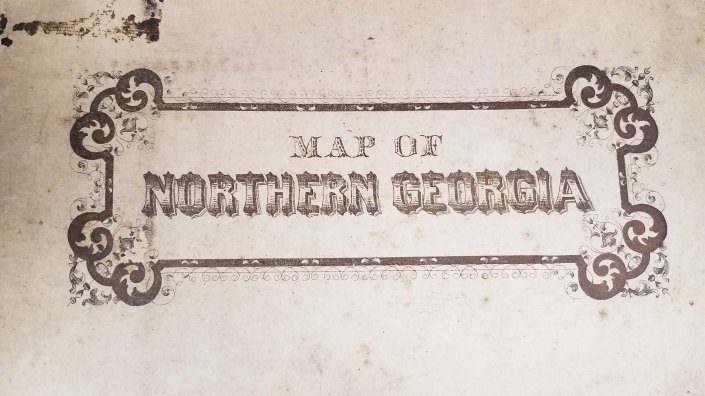
Our newest collection holds the papers of the Civil War soldier and Chief Engineer William E. Merrill, who was called “the most innovative and conscientious exponent of mapping during the Civil War.” As the chief topographer of the Army of the Cumberland, his direction of the mapping of Georgia before General Sherman’s late 1864 March to the Sea led to its success.
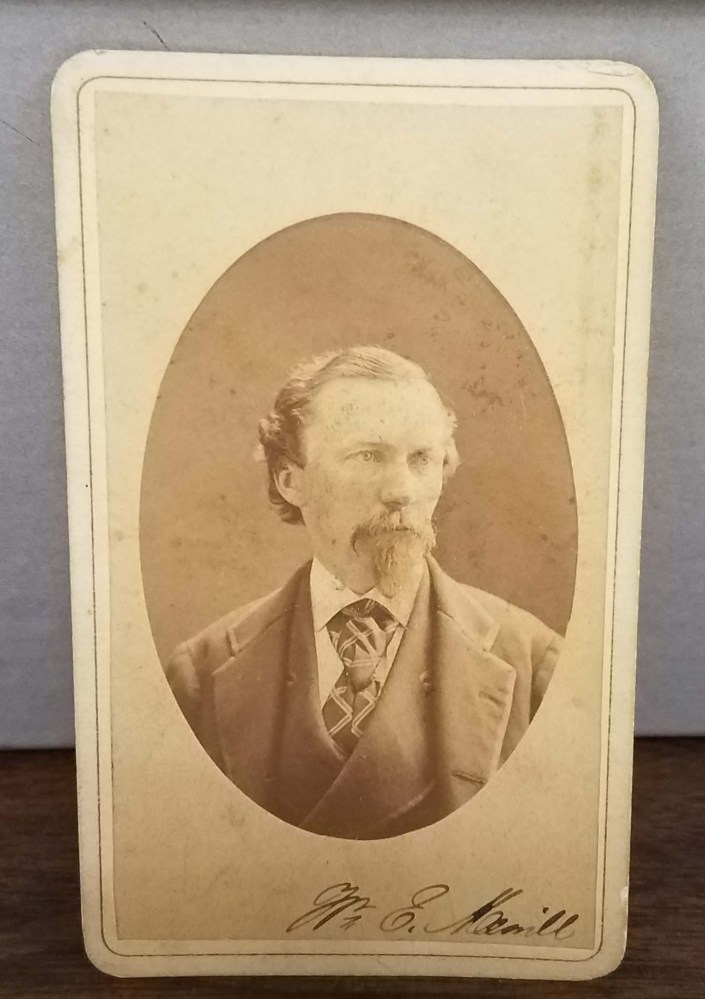
William Emery Merrill (1837-1891) was an American soldier and military engineer. He was born at Fort Howard, Wisconsin and was a cadet at West Point beginning in 1854. After graduating first in his class in 1859, he served as an instructor in engineering at West Point until mid-1861 when Merrill was called into active duty in the Civil War. Throughout the war, he spent time in the as Assistant Engineer of Department of the Ohio, Assistant Engineer of the Army of the Potomac during part of the Peninsular Campaign, Superintending Engineer in Kentucky, and then Chief Engineer of the Army of the Cumberland. It was during this time that he supervised the making of the map used by General Sherman during the March to the Sea.
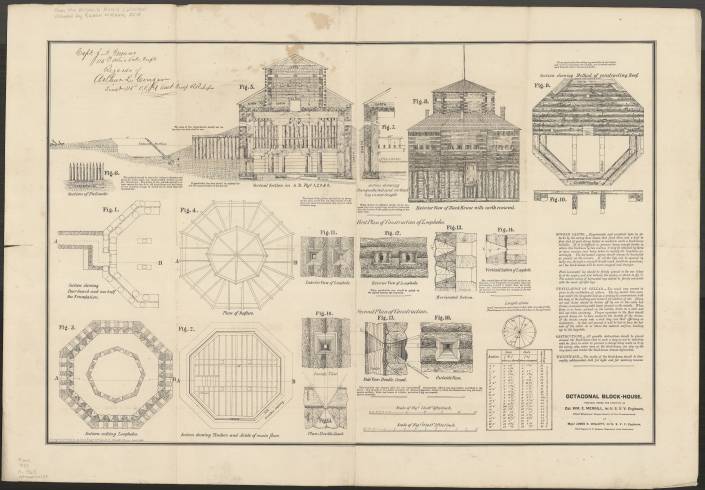
Following the war, he was raised from the regular army rank of captain to major and by 1883 he had risen to the rank of lieutenant colonel. After the war, he spent his time working for the government as an engineer.
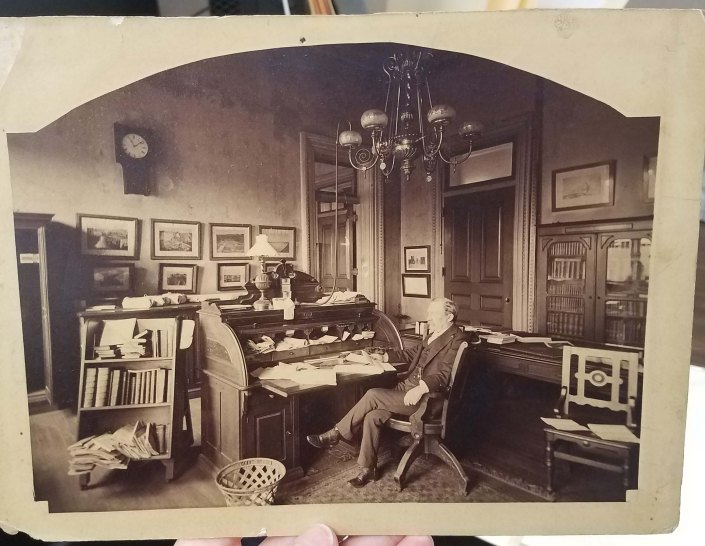
One of Merrill’s most notable engineering works was the Chanoine wicket movable dam constructed by him at Davis’s Island, 5.5 miles below Pittsburgh, Pennsylvania. The Davis Island Lock & Chanoine Dam experimental project was the first lock and dam ever constructed on the Ohio River. Its achievements also included the first rolling lock gates, the largest movable dam built in the 19th century, and the widest chamber in world history. In 1889, Merrill represented the United States Engineering Corps at the International Congress of Engineers in Paris. He died in 1891.
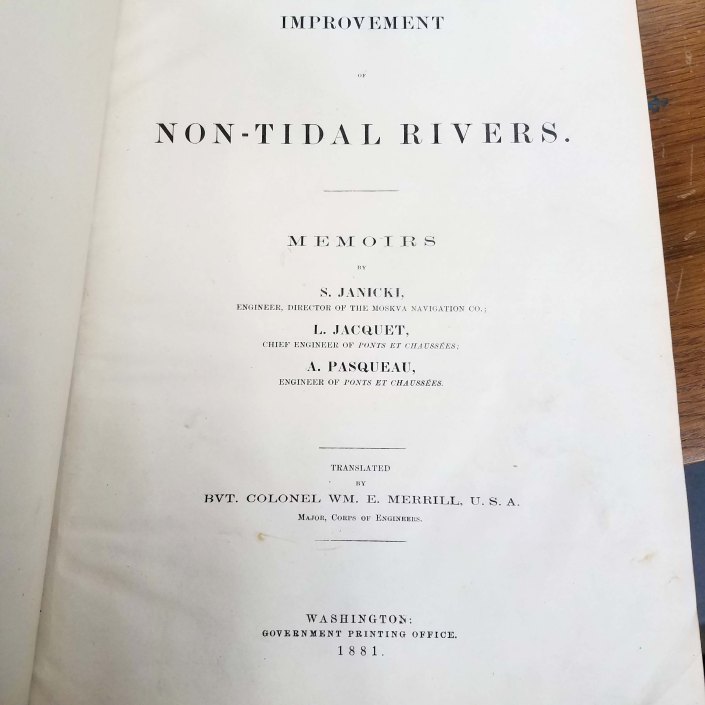
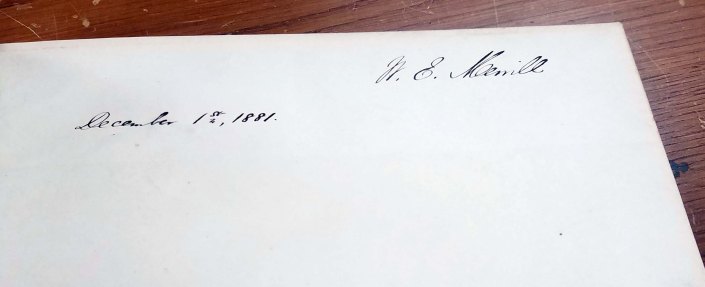
The collection was donated in August of 2018 by Susan E. Williams. She collected items individually over the course of many years. Ms. Williams added several additions of her own research about various items in the collection. To access the finding aid, follow the link here: http://digital.library.wisc.edu/1711.dl/wiarchives.uw-agsl-agslmss0035

