“A New World of Pleasure”: The 105th Anniversary of the Panama Canal
By Lauren Maddox
On August 15, 1914 the United States officially opened the Panama Canal. It took thirty-three years for the construction to come to fruition; France began building the Canal in 1881, but were unable to carry the project forward. Workers were dying and the engineers hit roadblock after roadblock. The United States took over the project in 1904.
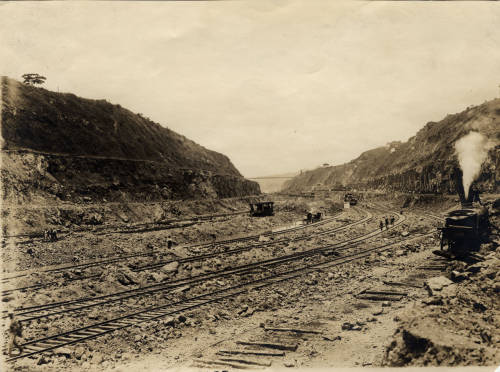
Click the link to see “Railroad Tracks at the Panama Canal Zone” 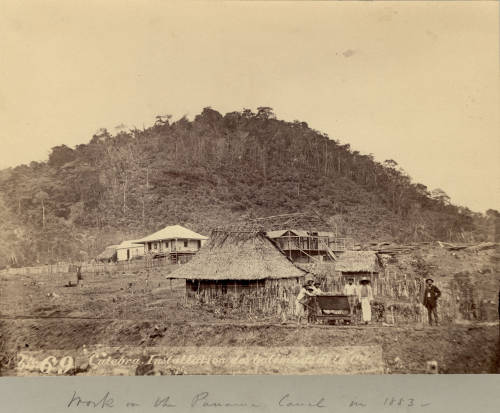
Click the link to see “People Working on the Panama Canal.” 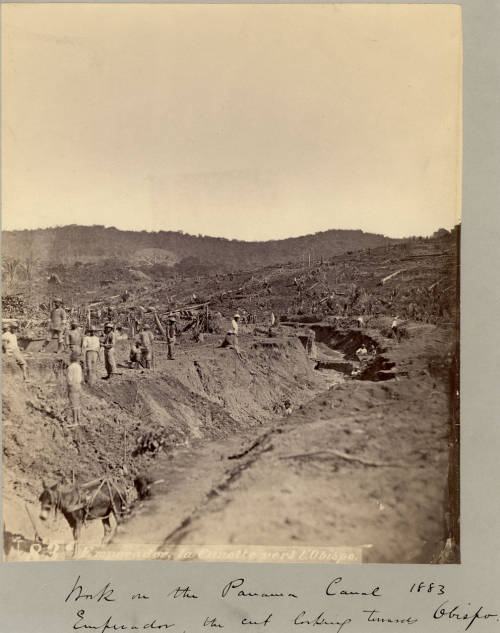
Click the link to see “Work on the Panama Canal 1883.”
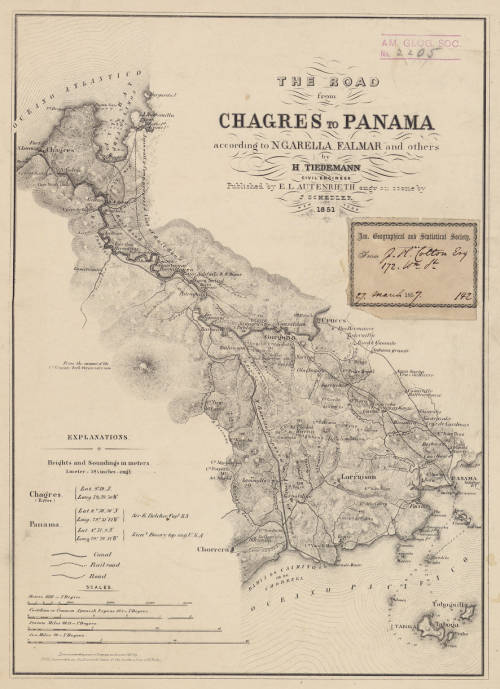
Click the link to see 1851 Map of the Road from Chagres to Panama with Proposed Canal Route in our Digital Collections
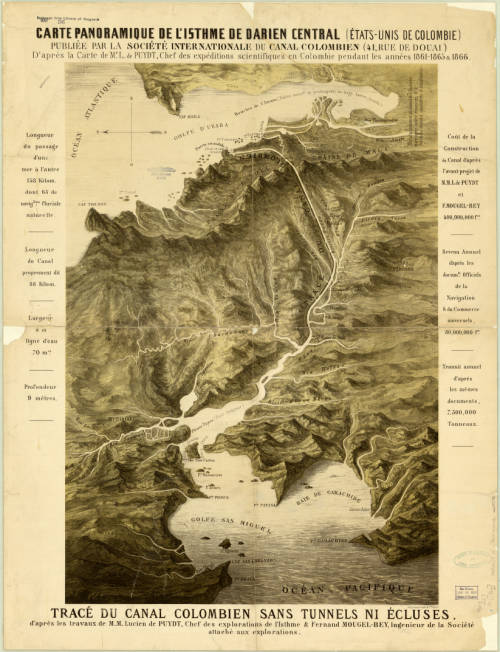
Click the link to see the 1866 French Map of the Isthmus in our Digital Collections
European colonists have had ideas about the Panama Canal since 1513; Vasco Nunez de Balboa crossed the Isthmus of Panama and wondered about a water-passage shortcut for ships crossing the Atlantic and Pacific. But imagination ran past ability, and the technology needed for such an undertaking would not be developed until the 19th century. France began the initial efforts. The project was led by canal engineer Ferdinand de Lesseps. But amid the disease and trouble financing the project, they were only able to complete half of the canal. As soon as the project was abandoned, the US expressed interest in the picking it up again, but US involvement with the Panama Canal was unpopular at home. French failure to complete the project was disheartening and the Colombian government was unenthused about the idea of an American canal to say the least.
For the US to be granted the rights to continue work on the canal, some political finagling was required. Philippe-Jean Bunau-Varilla, a businessman and engineer who had financed the original attempt, stood to lose his investment if the canal was left unfinished. He began lobbying US lawmakers and encouraging Panamanian independence movements which would prevent Colombian interference with US building efforts. It didn’t hurt that the US maintained an active military presence during the building to discourage conflict. American engineers also moved away from the original plans for a sea-level canal and began work on a lock-controlled canal which would would help them avoid the building problems the French had. Advancements in healthcare for workers and a new focus on mosquito control also helped save workers from catching the diseases that had killed so many during French construction.
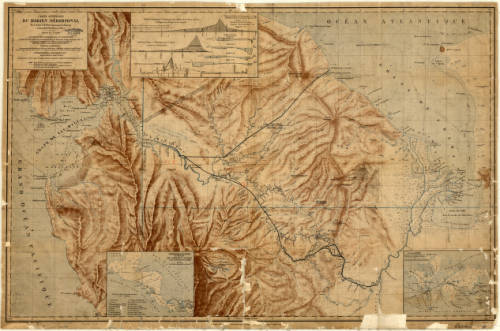
Click the link to see the 1877 Map of the Isthmus in our Digital Collections
The AGSL has an extensive collection of materials on the Panama Canal. Theodore Roosevelt, a longtime friend and council member of the AGS until his presidency forced him to resign, was a great proponent of the canal. And the one of AGS’s own directors, Isaiah Bowman, made several trips to South America during his doctoral work and beyond, and championed efforts to create a map of “Hispanic America” as part of the international map of the world. Bowman, a controversial figure who was a known antisemite, contributed a large portion of the AGSL’s records on the Panama Canal. His particular interest in South America made the way for revolutionary cartographic work in the area, and the continued AGS sponsored expeditions are named for him.
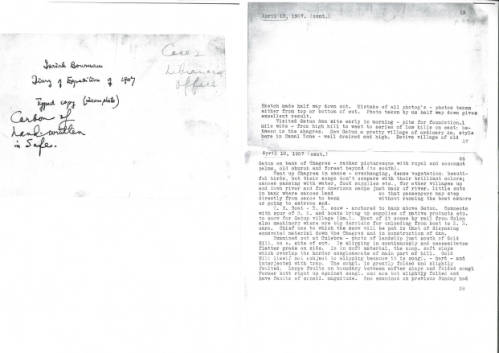
Click the link to see a Transcription of Bowman’s Diaries from his 1907 trip to Panama in our Digital Collections 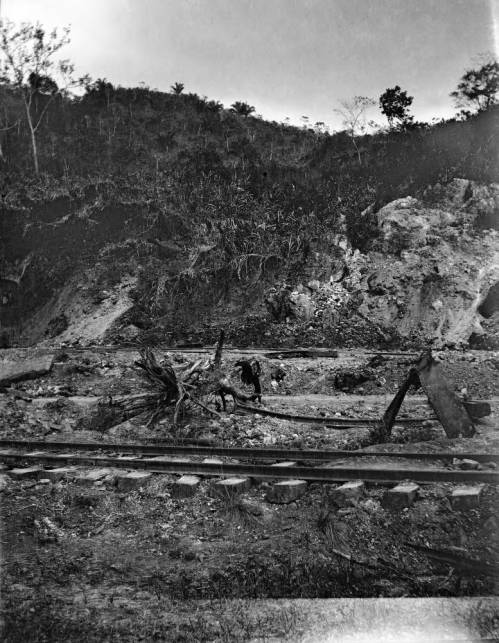
Click the link to see a Photo of Railroad Tracks built during Canal Construction, Taken by Bowman 1907 in our Digital Collections
Work on the lock-controlled canal began in 1904, when the US was officially granted the rights to build by the newly-independent Panamanians. The French ship Alexandre la Valley made the first test-crossing of the canal in January 1914. Construction began winding down; pop-up towns were demolished, workers were laid off, and more permanent governance of the canal was established. A grand opening celebration was planned– but when World War I broke out, the festivities were downsized to something more modest. On August 15, 1914 the SS Ancon made the first official crossing, marking the grand opening of the Panama Canal. No international officials attended the opening, so George Washington Goethals, engineer and first governor of the Canal Zone, tracked the ships progress by train. The AGSL has several maps of the Panama Canal before and after its opening. Since its first ship-crossing, the Panama Canal has only grown; Panama took ownership of the canal in 1977, new construction began in 2007, and annual traffic has risen to nearly a million crossings.
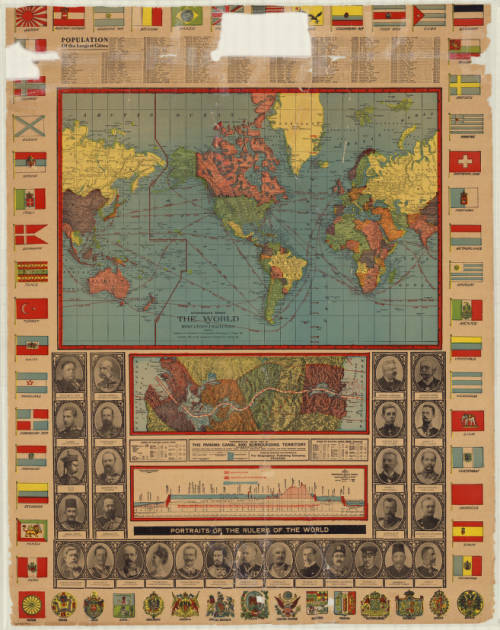
Highly Decorative World Map with Ancillary Map of Panama Canal, 1905 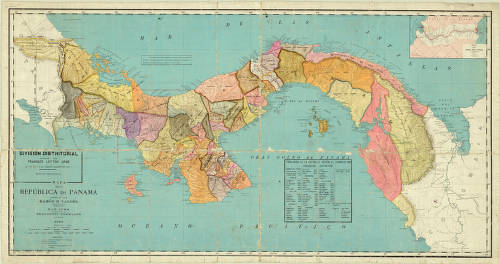
1910 Map of the Republic of Panama 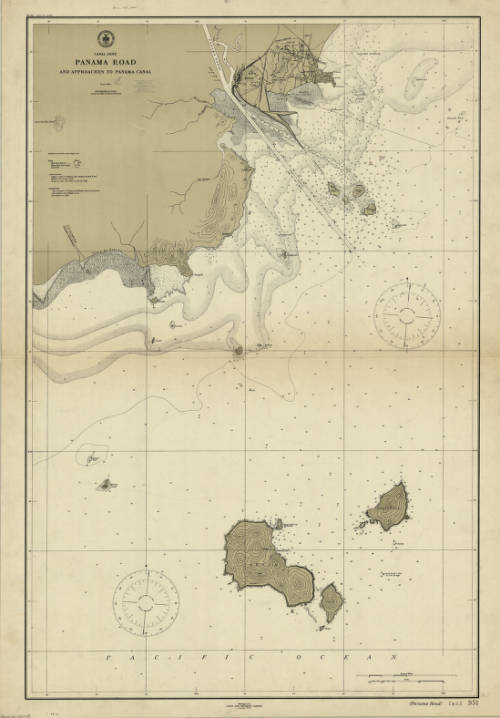
1911 Map of Canal Zones with Panama Road and Approaches to the Canal 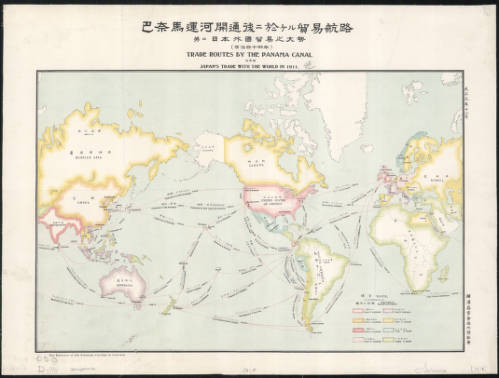
1911 Bilingual English and Japanese Map of Trade Routes by the Panama Canal 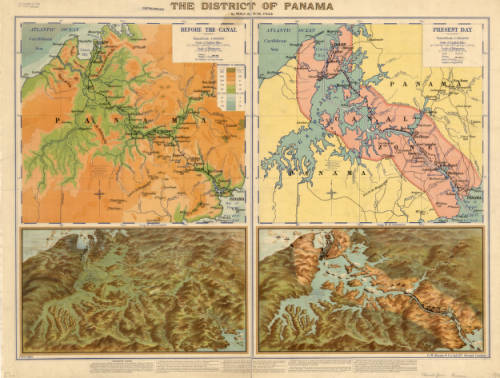
1915 Map of the District of Panama 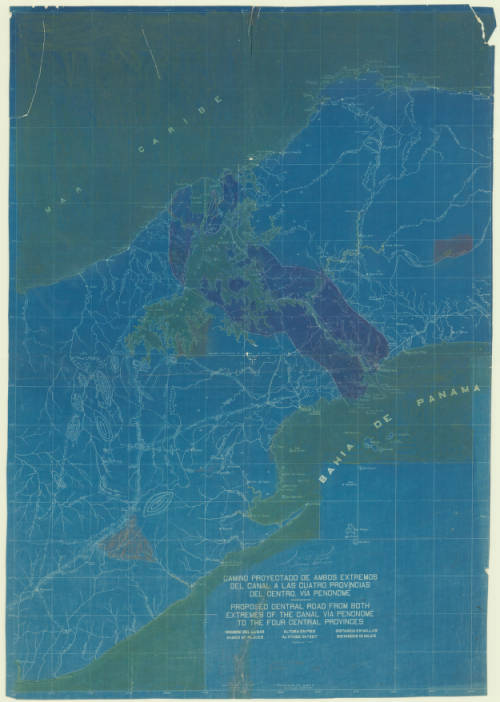
1922 Plans for a Main Road Across the Canal Route 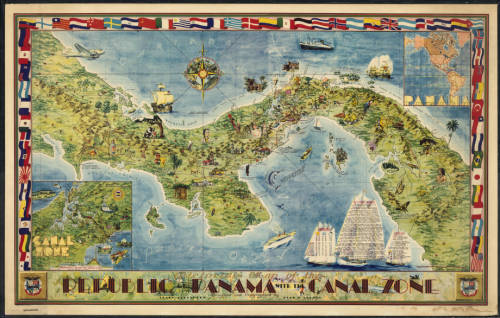
1941 Illustrated Map of the Republic of Panama and the Canal Zone 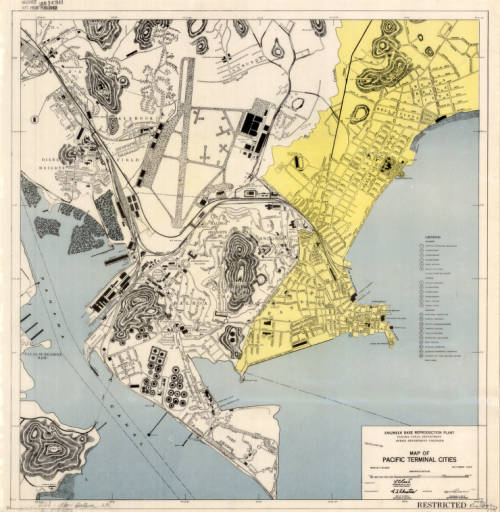
1947 Map of Terminal Cities in the Pacific 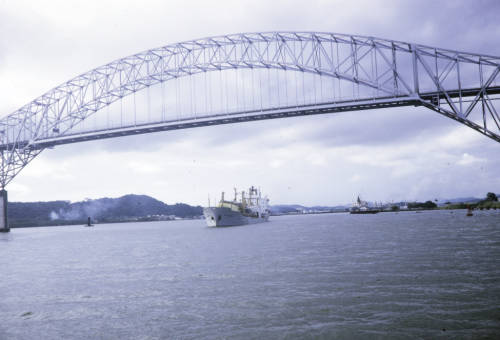
Harrison Forman’s Photo of the Bridge Across the Canal Entrance 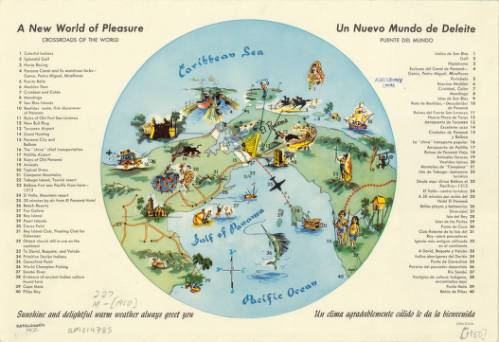
1950 “A New World of Pleasure: Crossroads of the World”

