salt
Salt of the Earth
By Lauren Maddox
Instagram has changed the way we vacation– our destinations don’t just need to look good in person. They also need to look good for the camera. This age of aesthetic vacationing has sent trendy tourists to the salt production operation in Las Coloradas, at the very tip of the Yucatan Peninsula. You’ve actually probably seen these pictures– pretty, bikini-clad women perched on flamingo pool-floaties drifting across the pink, uber-salt water of a man-made salt evaporation pond.
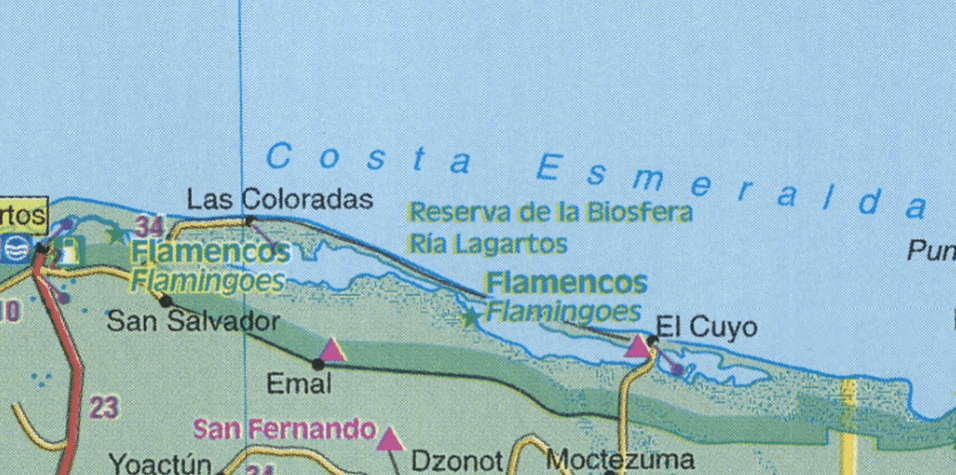
Detail of Los Coloradas 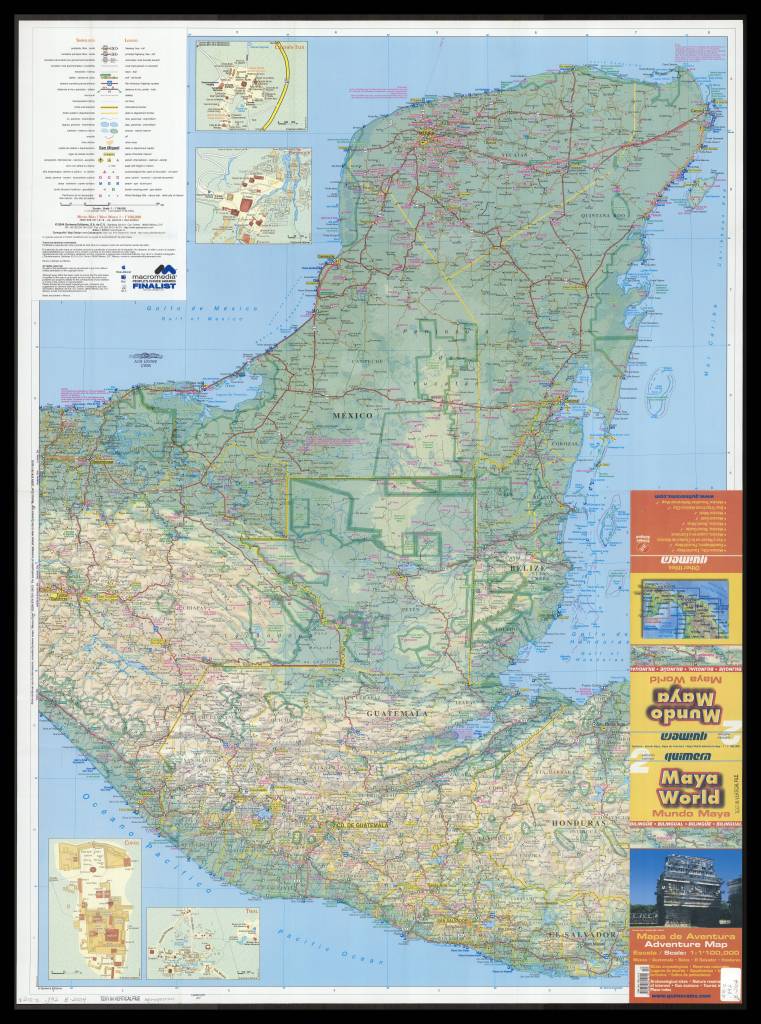
2004 Map of Yucatan. Click the link to see this map in our Digital Collections!
These places may not be as picturesque as millenial trendsetters make them out to be– in essence, the salt lakes at Los Coloradas are a step in an assembly line. They’re salt evaporation ponds designed to extract sea salt for table salt. Several different colors of salt are harvested from the lakes– though the lakes are actually pink because of the micro-organisms that thrive in highly salinated environments. But the flamingo habitat nearby still seems pretty on brand.
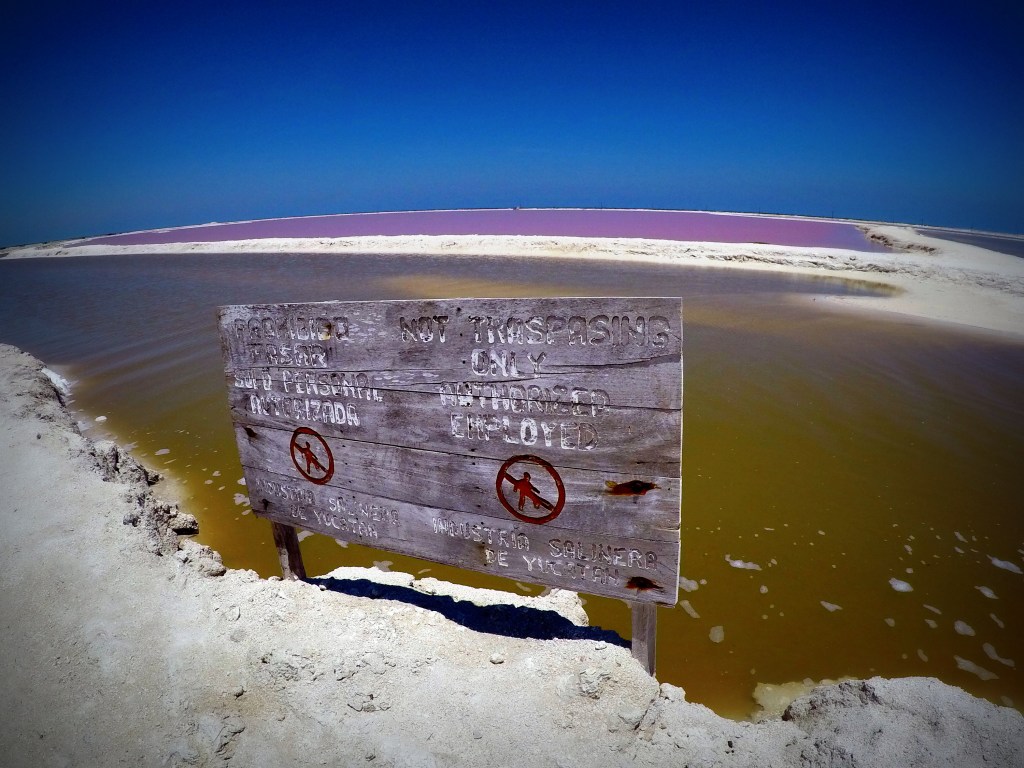
And because of the influx of tourists, the salt production plant has had to put fences around the lakes to keep people from swimming in them. You can still take a tour, but it’s not really the same without the novelty pool-floaty. The ponds aren’t dangerous to swim in, but if you had scratches, it would be a pretty unpleasant and unrefreshing dip in the pool. And this is a food production facility– people swimming in the lakes does seem like a contamination concern.
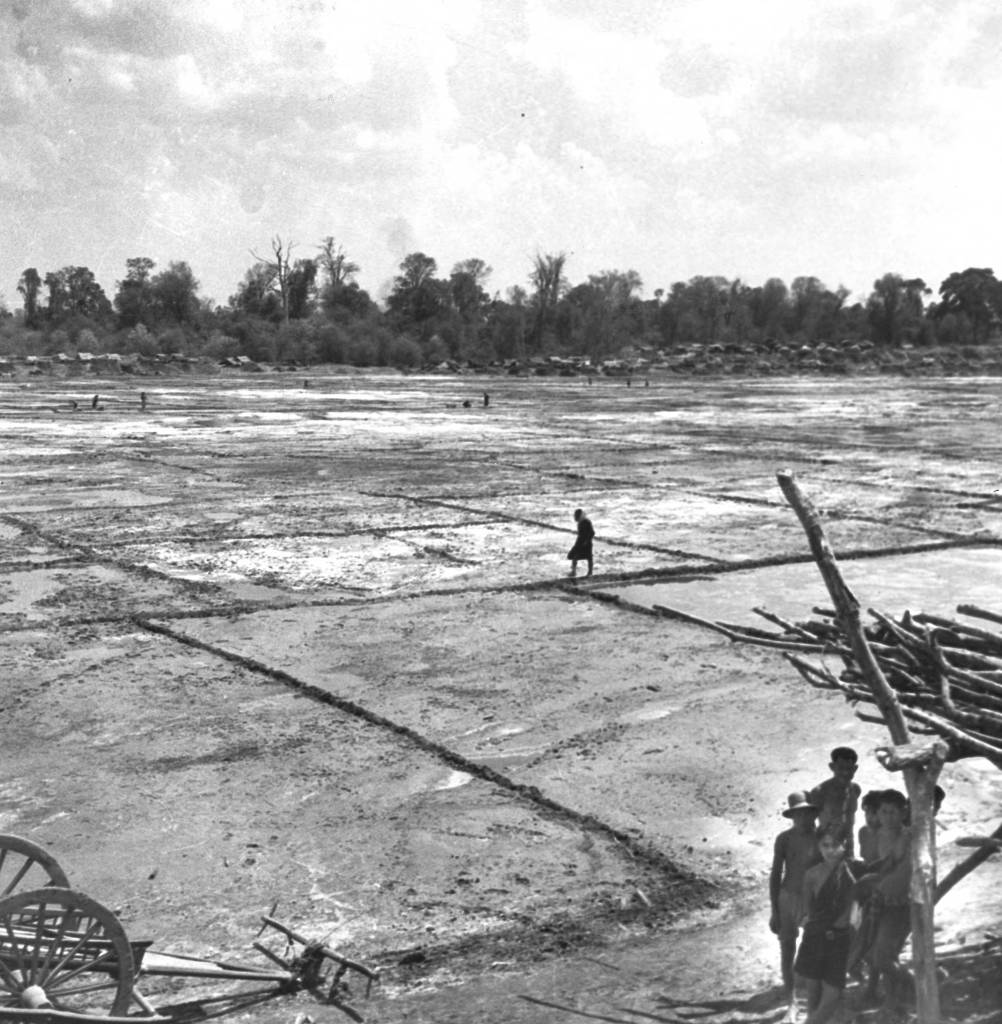
Roi Et Province in Thailand, 1940. Families turned natural brine into salt using evaporation. Click the link to see this photo in our Digital Collection!
But besides being a great photo-op, salt evaporation and collection has been a center of civilization since antiquity. The oldest known towns in Europe were centered around salt production because salt allowed for the preservation and trading of food across longer distances. The ancient roads that all lead to Rome were first used to transport salt back to the city from the empire’s many, saltier territories. Salt made other ancient empires like Egypt and China stable and prosperous, which created opportunities for technological advancement. And salt’s deep connection to the beginnings of civilization is still visible today– the word salary is derived from the Latin word for salt, English towns with names ending in -wich were named for their connection to salt production, and now Instagram influencers can pose with modern salt production facilities for the aesthetic.
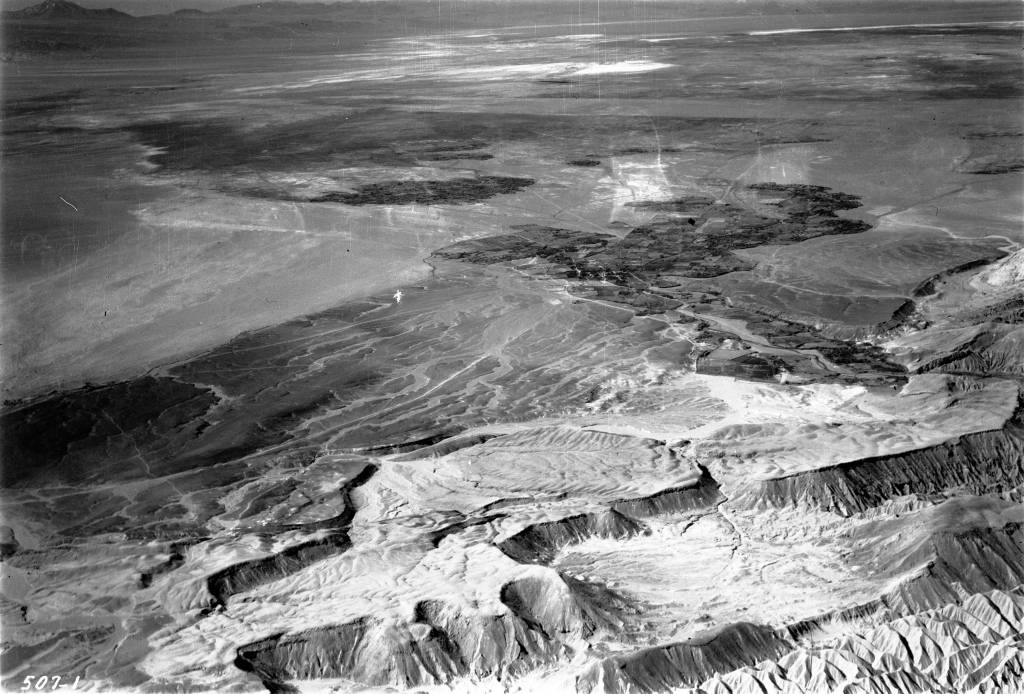
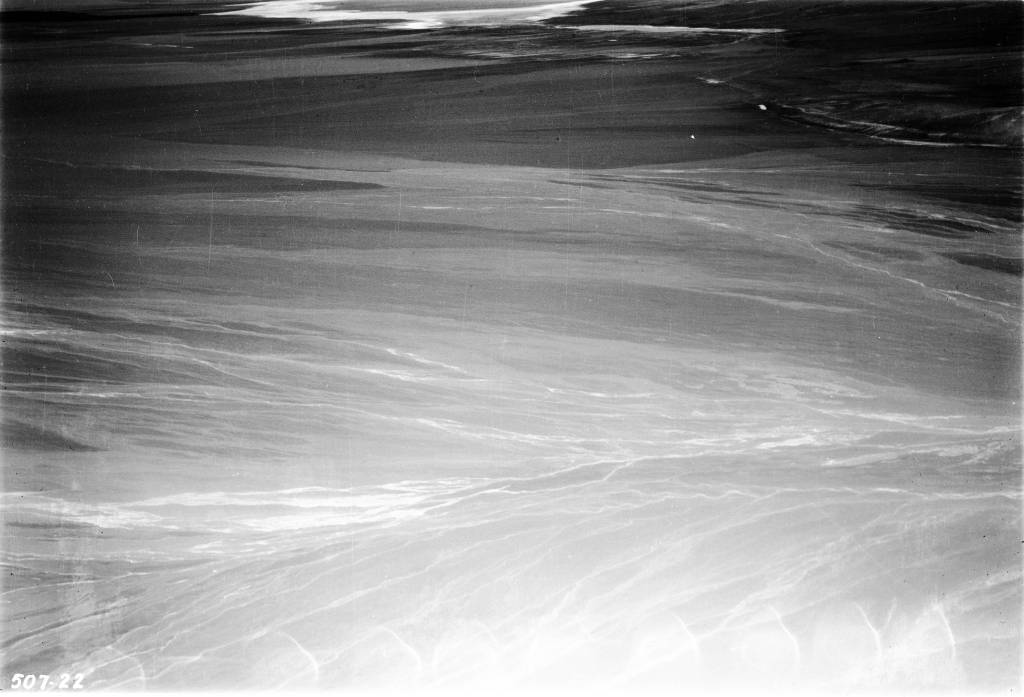
The Salar de Atacama Salt Flat in San Pedro de Atacama, Chile. From Mary Light Leader and Dr. Leaders 1937 Collection of photos. Click the link to see this photo in our Digital Collections!
Now salt is pretty cheap– most people have to worry about eating too much salt. But salt production, and the old methods of salt harvesting, are still a key global industry. And a great backdrop for your vacation pics (with the facility’s permission).
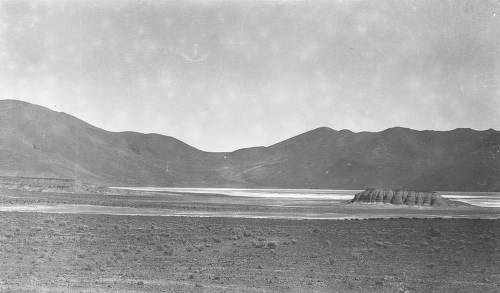
Salar del Rincon in Argentina, from Isaiah Bowman’s 1913 Expedition to the Central Andes. Click the link to see this photo in our Digital Collections!

