the great lakes
Get Wrecked: Shipwrecks on the Great Lakes
By Lauren Maddox
As the weather warms up here in Milwaukee (slowly but surely) we start fantasizing about our coming summer on Lake Michigan; soon we’ll be able to walk along the beach without our coats on, go out on the water, maybe even swim if the water isn’t too cold. It’s time for swimsuits and sunscreen again! But underneath the surface and the veneer of summer fun, Lake Michigan is hiding something.
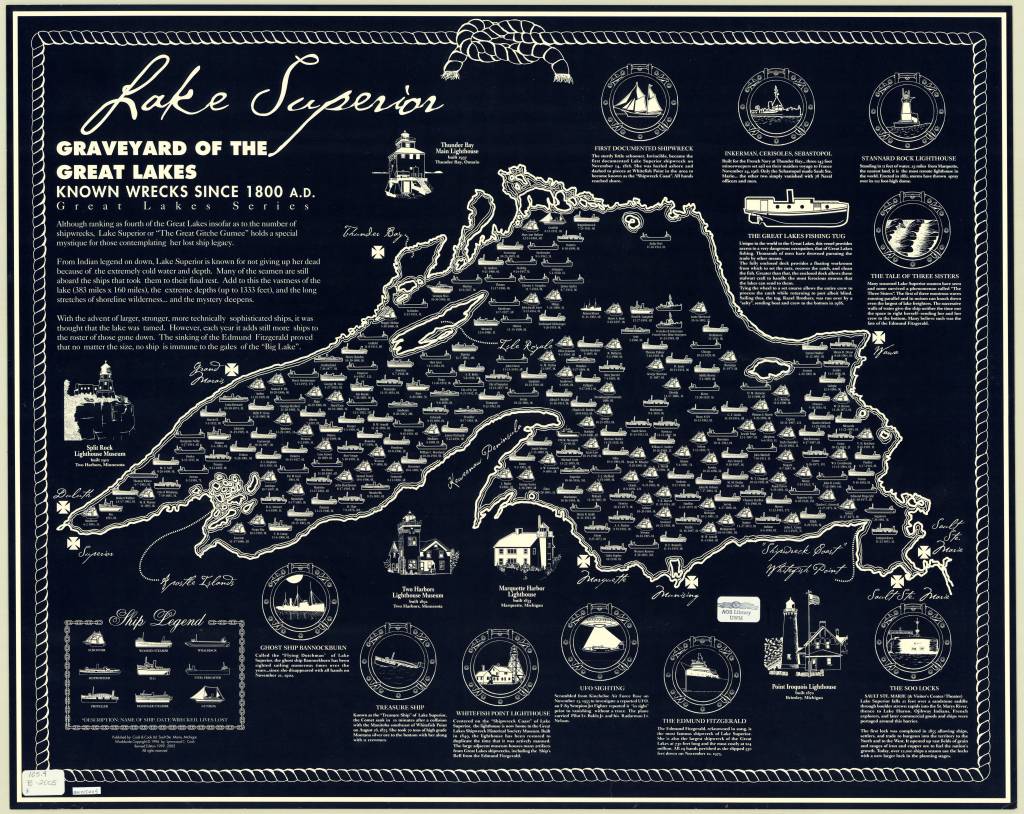
2005 Map of Lake Superior’s Known Wrecks Since 1800. Click the link to see this map in our Digital Collections!
The Great Lakes Shipwreck Museum is north of Paradise, Michigan at the Whitefish Point Light. The Whitefish Point Light, first lit in 1849, is the oldest operational lighthouse on Lake Superior. Lake Superior, the most infamous of all the Great Lakes for its rocky, hard to navigate shoreline, is the final resting place for more than 550 shipwrecks– 200 of which happened in Whitefish Bay. The museum, which was founded in 1978, memorialized the tragic loss of the SS Edmund Fitzgerald, which was capsized by gale force winds in November, 1975. Since it was founded, the Museum has been a place where visitors can learn about the maritime history of the Lakes and the many shipwrecks that have occurred there.
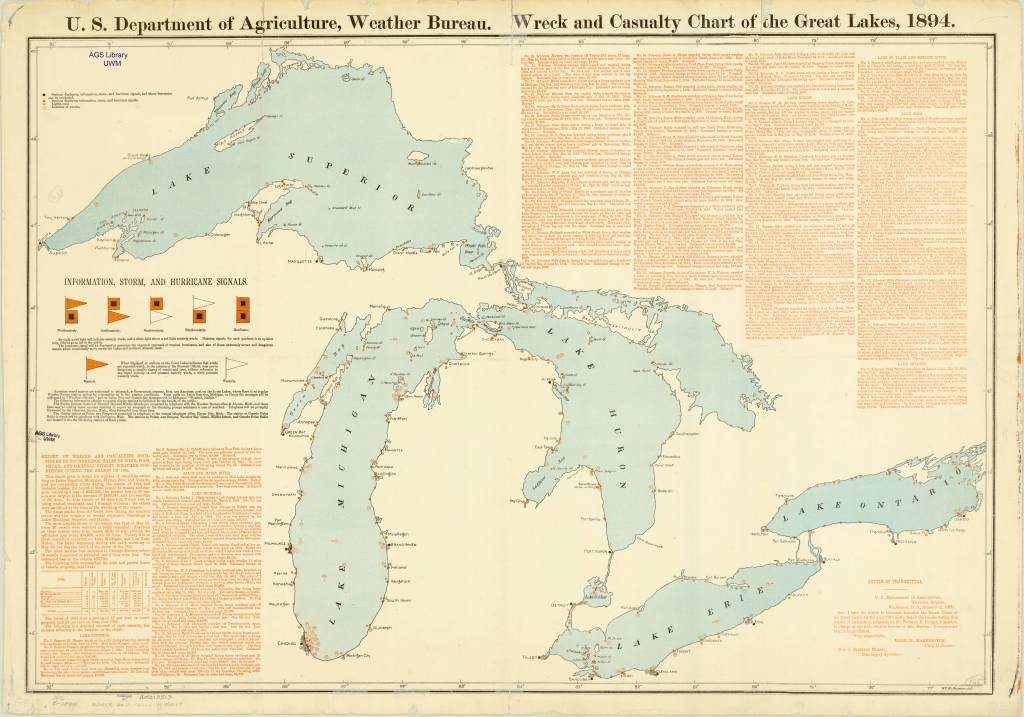
Wreck and Casualty Chart of the Great Lakes, 1894. Click the link to see this map in our Digital Collections!
Thanks to the organizations like the Great Lakes Shipwreck Museum and the Great Lakes Shipwreck Historical Society, shipwrecks in Lake Superior are still being recovered. These shipwrecks were tragic events, but the debris left behind is part of our water-faring history that many organizations hope to safe keep for future generations.
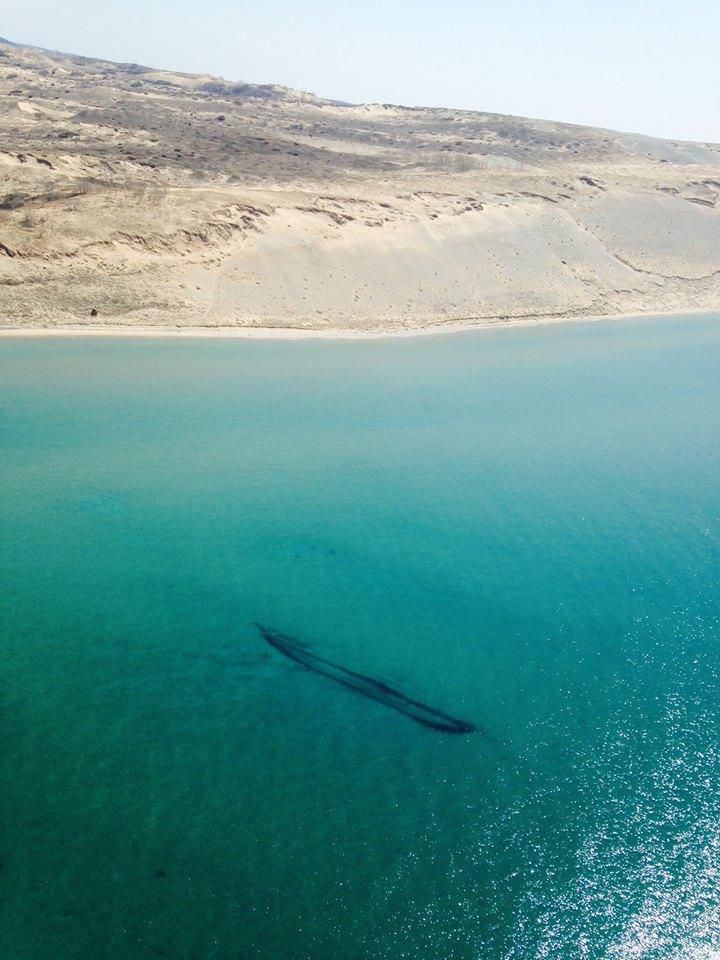
The James McBride, sunk in 1857. The first ship to carry cargo from the Atlantic to port on Lake Michigan. Click the link to learn more! 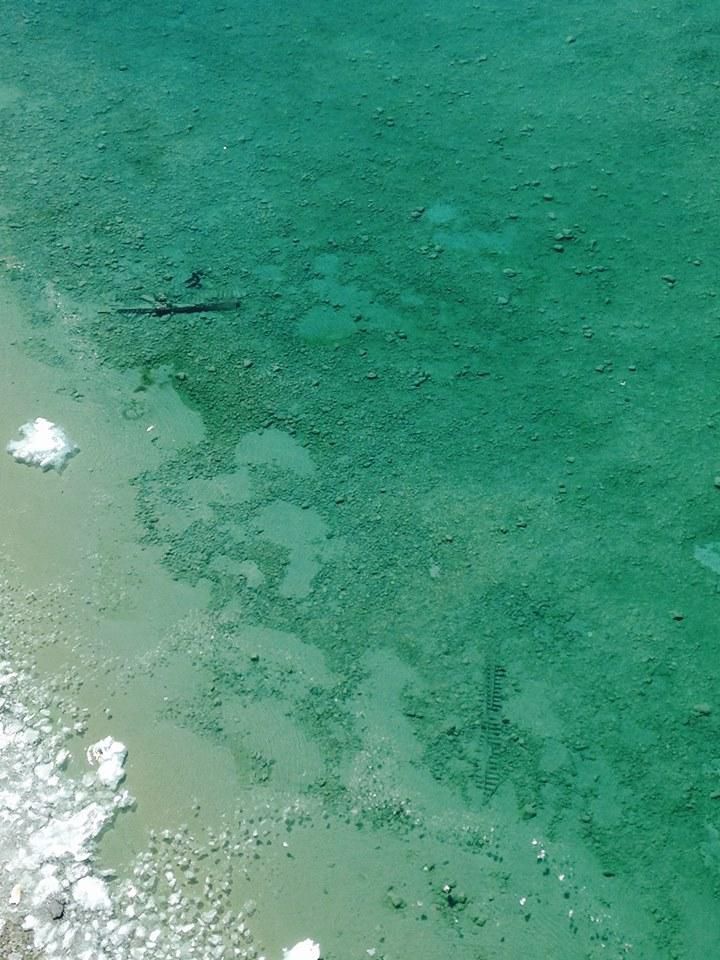
Unidentified Shipwrecks on Lake Michigan. Click the link to learn more! 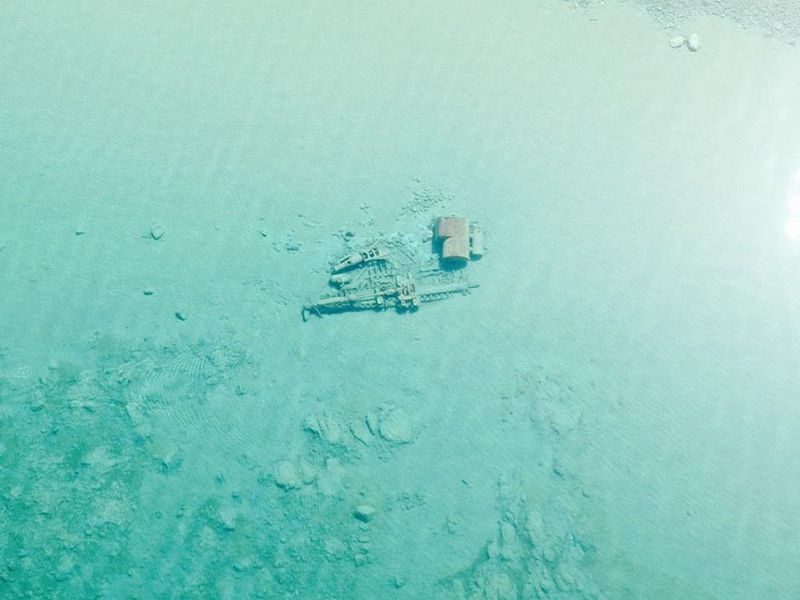
The Rising Sun, sunk in 1917. All passengers and crew rescued. Click the link to see this photo on the Smithsonian Magazine website!
The Great Lakes, due to their cold, fresh waters, preserve shipwrecks remarkably well; if left undisturbed, ships can survive for centuries at the bottom of the Lakes. On a particularly clear day in 2015, the US Coast Guard Air Station in Traverse City was able to photograph shipwrecks in Lake Michigan from the air. Generally, water conditions in the Great Lakes are not clear because algae, fed by agricultural run-off, clouds the water and obscures the shipwrecks below.
Unfortunately, despite the Lakes’ ability to preserve old ships in its waters, invasive species like the zebra mussels, will infest otherwise stable wrecks, rendering them unrecognizable and unfit for study.
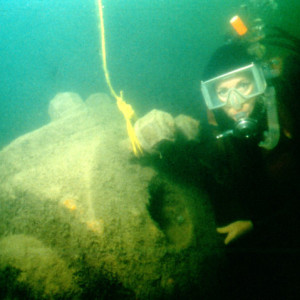
The Conemaugh before it was infested by zebra mussels. Click the link to see this image on the GLSM Research Page! 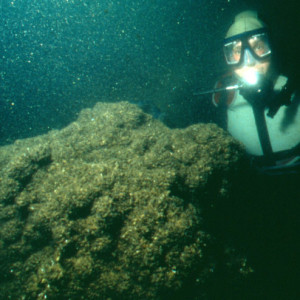
The Conemaugh after it was infested by zebra mussels. Click the link to see this image on the GLSM Research Page!
The AGSL has shipwreck charts that span decades, recording the many wrecks that have happened on the Great Lakes. Ships have been carrying goods across the Great Lakes since at least 1679, when the French vessel Griffon carried supplies to settlements along the north shore of Lake Eerie. And as long as ships have been traversing the Lakes, ships have been sinking there. The Griffon, after unloading the much-needed supplies it was carrying, was loaded up with furs and other commercial goods, only to be caught in a storm on its return trip and never seen again.
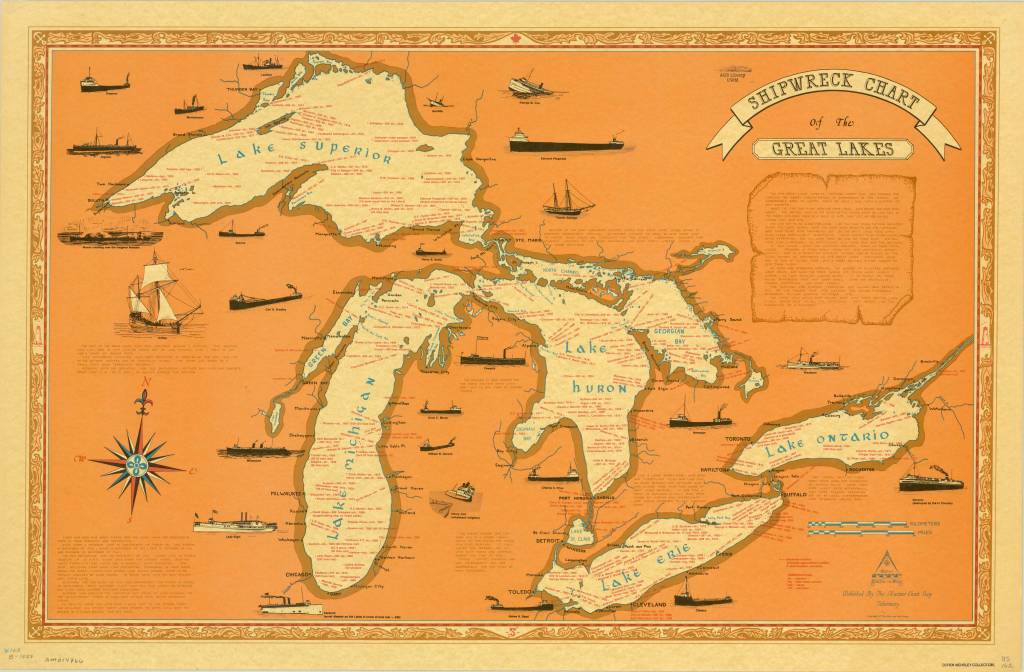
1977 Shipwreck Chart of the Great Lakes. Click the link to see this map in our Digital Collections!
Technology improved exponentially, and by the 1800s, the Great Lakes were a vital route for the shipping of goods in the Midwest; Chicago’s steel industry kick-started maritime shipping across Lake Michigan. But, of course, more ships on the water meant more potential accidents. Many of the shipwrecks you can see on these maps are from this era, before we had highways that connected our country for the easy movement of goods. Even modern ships, like the Edmund Fitzgerald, fall prey to the unpredictable conditions of the Lakes.
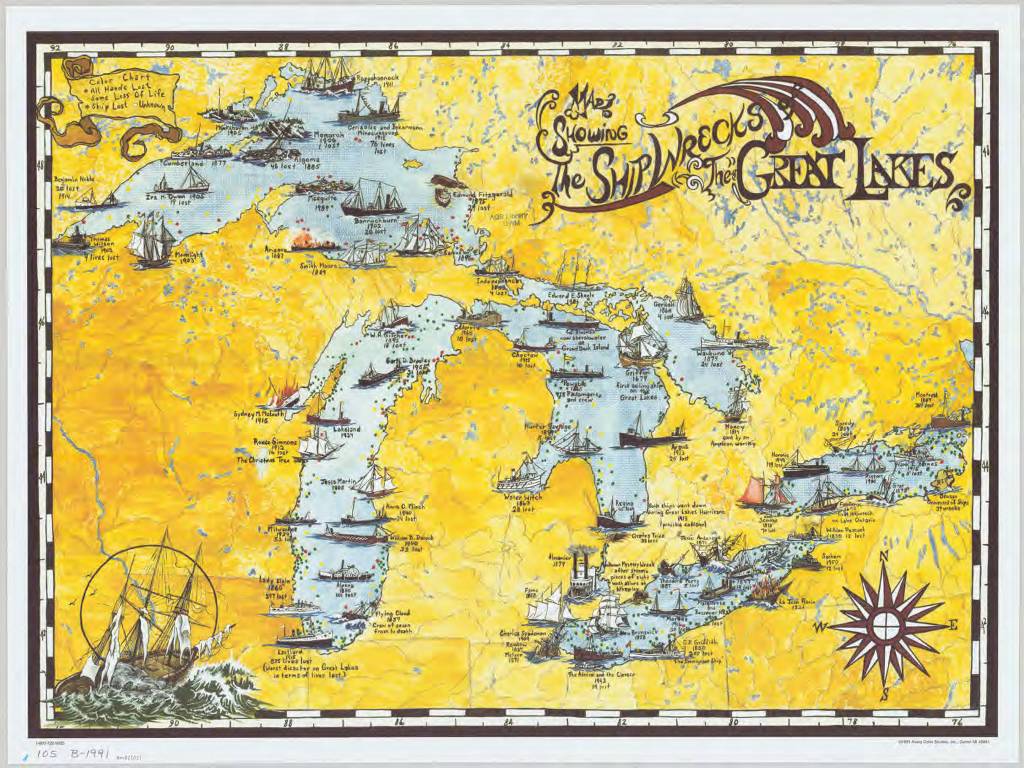
1991 Map Showing the Shipwrecks of the Great Lakes. Click the link to see this map in our Digital Collections!
So, this year, as we’re all getting ready to enjoy our summer by the lake, remember that there is often something else waiting to be discovered just beneath the surface.

