Uncategorized
Who I Am, Where I’m From
This summer the AGSL K-12 Fellowship went virtual! Our Public Services Librarian worked with four awesome teachers in the Milwaukee area as they developed curriculum for their upcoming school years. To see the projects and lesson plans, check out the AGSL’s Resources for Educators.
My name is Erin Sivek, and I am an English Language Arts (ELA), Social Studies, and English as a Second Language (ESL) teacher at the International Newcomer Center (INC) in Milwaukee Public Schools. The INC is a specialized program for middle school newcomer refugee English Learners; currently, I serve students from Central and Eastern Africa, Southeast Asia, and the Middle East. Depending on how many refugees are resettled in the US (and specifically Milwaukee) each year, my student population changes in both number and in cultural background.
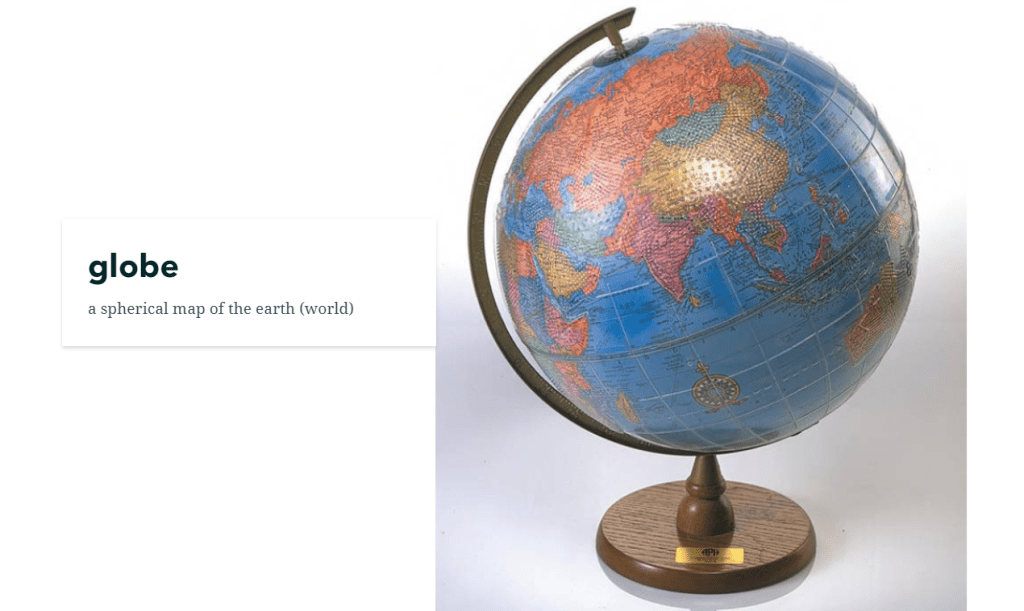
The curriculum I created through the AGSL grant is titled “Who I Am, Where I’m From,” and focuses on students’ home countries, and how these places have changed over time. Because the majority of my students have spent their childhood in refugee camps or resettled in countries of asylum, they often desire learning about where they’re originally from.
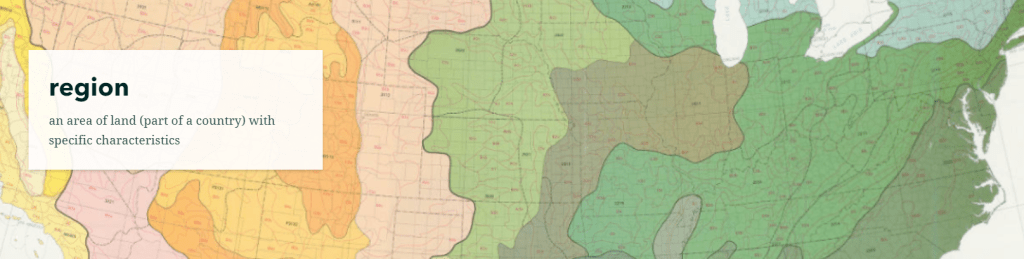
In this unit, students will analyze maps of their homelands from the AGSL Digital Collections dated as recently as 2018 to as far back as 1721. Specifically, students will use three pre-selected maps that include their home countries’ region. After identifying and writing about their homeland, they will study how its name and borders have changed through the time period of these maps. Students will then perform research using online databases to learn how and why these changes occurred. During this unit, students will also acquire new academic vocabulary while gaining insight into how people in power have changed our world.
My students have been learning in a virtual setting since April, and are becoming more skilled in using the tools of this environment. I will teach this curriculum through whole and small group video classes, while also supporting students through live documents, discussion boards, and interactive videos. In culmination, students will create a final assessment piece to demonstrate understanding of their new knowledge using a digital platform. Students will meet various standards in ELA and Social Studies surrounding History, Geography, Inquiry, and Research; such as evaluating people’s relationship to places, connecting past and present, and using geographic tools to analyze the world.
Beautiful countryside makes beautiful maps : The Alps in Austria
By Angie Cope
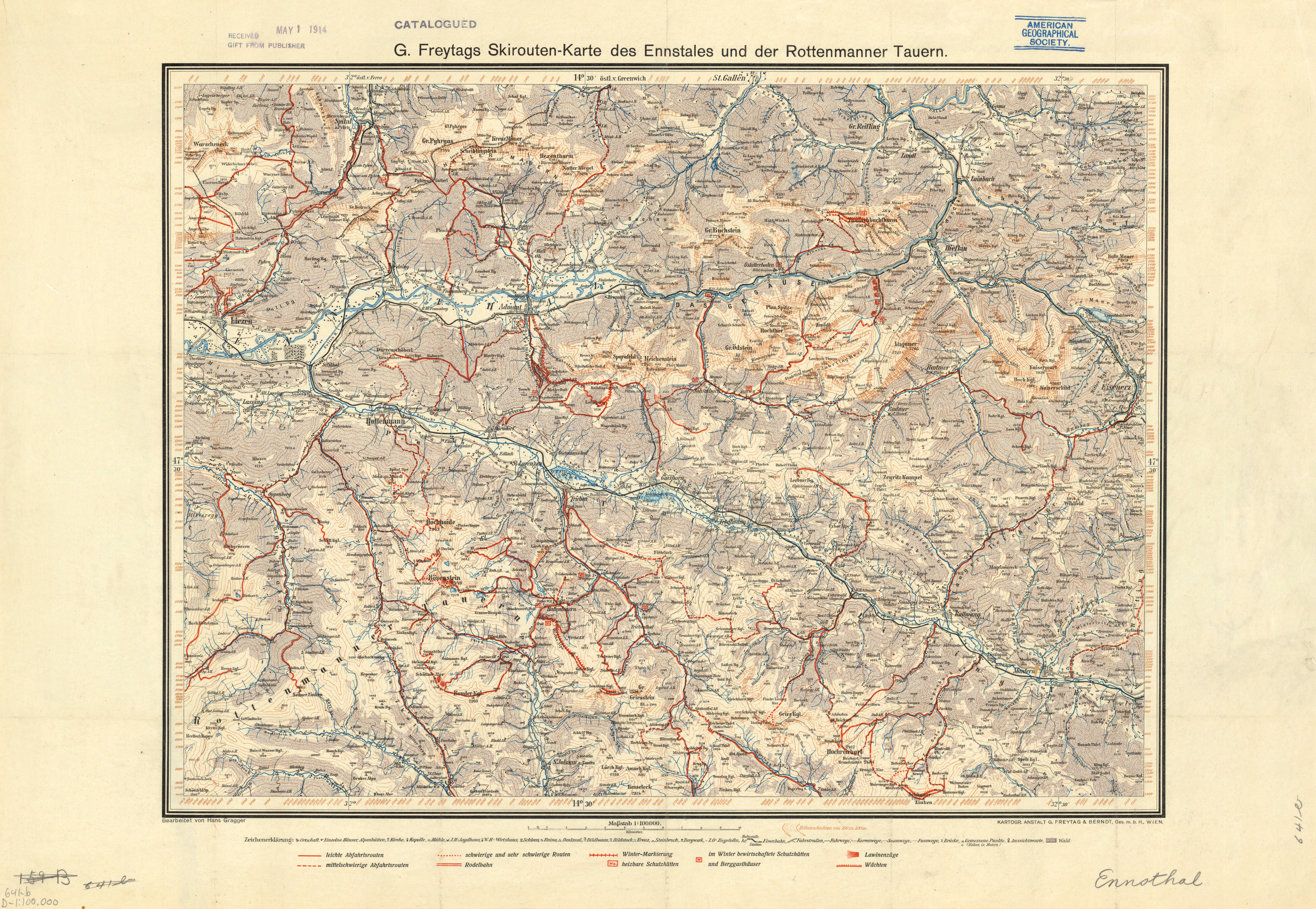
There is a beautiful set of maps dating from 1913 by map great G. Freytag. The American Geographical Society Library has 7 from this 1:100,000 series and they’re packed full of information. From a distance, the maps appear to be basic topographic maps, but if you look closely and think about all the detail you can imagine the complexity of human and natural interactions. Viewing the maps along with photos from the AGS Library photo collections, you begin to understand that this is both a snap shot in time and a reference for the present.
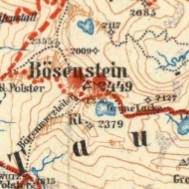
G. Freytags Skirouten-Karte des Ennstales und der Rottenmanner Tauern (G. Freytag’s ski route map of the Enns Valley and the Rottenmanner Tauern)
1913
https://collections.lib.uwm.edu/digital/collection/agdm/id/12013/rec/1
Liezen Torfstich or peat bogs.
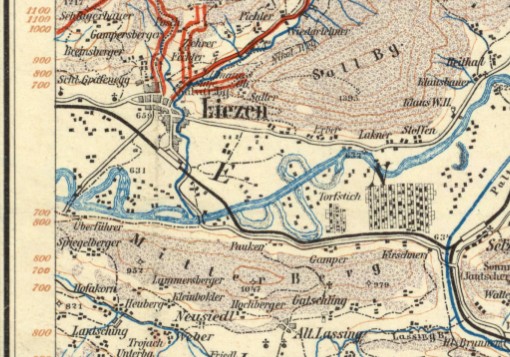
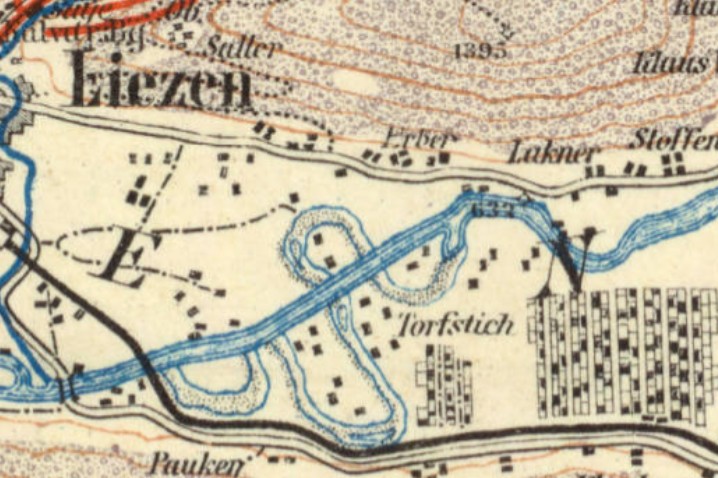
The above-ground extraction of peat is referred to as peat cutting. This organic material, which is created in bogs from the carbon from dead plants, serves as a low-energy fuel, to improve soil ventilation in horticulture and to a small extent also for the production of textile fibers and for medicinal purposes.
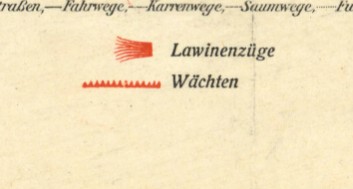
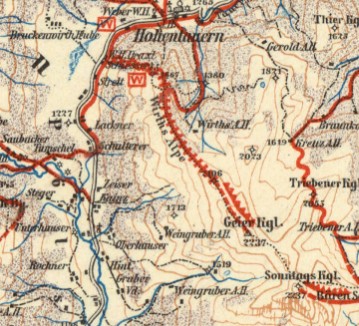
Interesting map symbology for avalanche warnings. (click on any image to see a larger view)
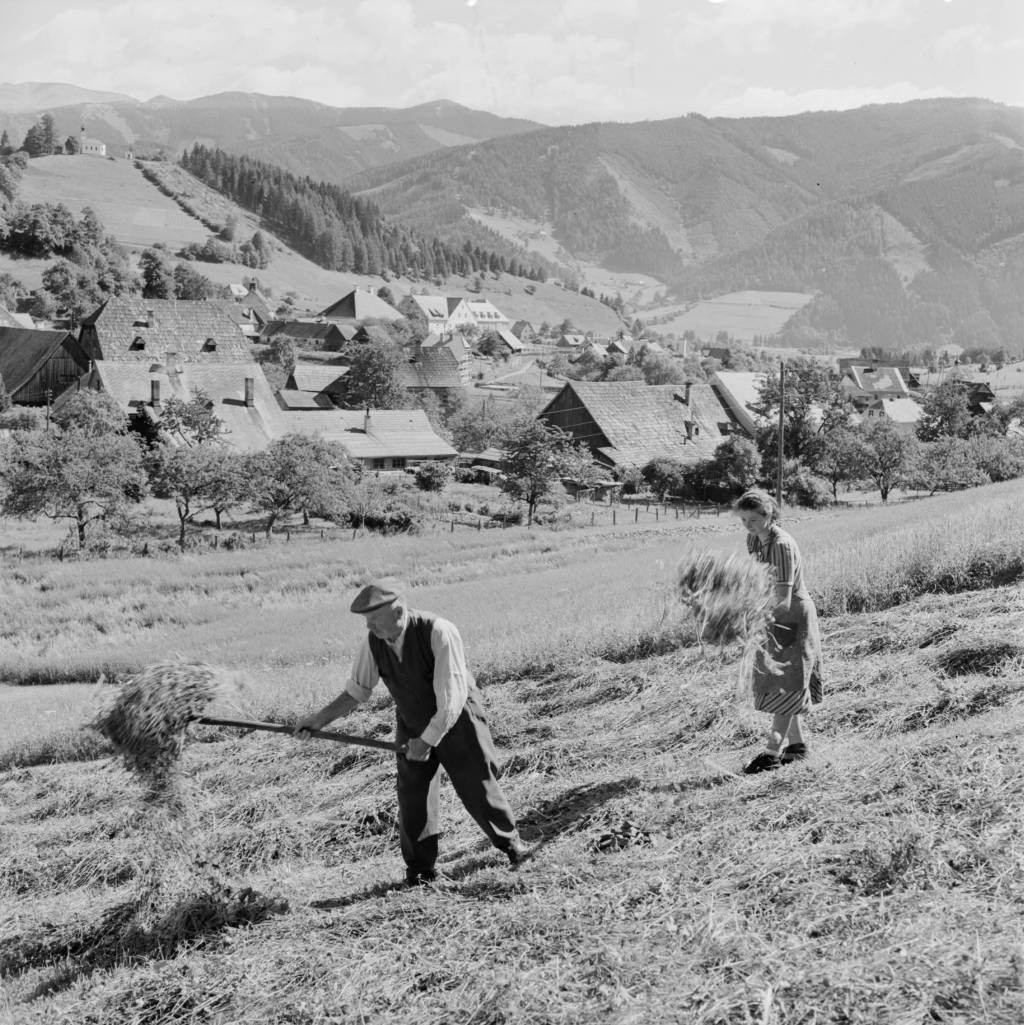
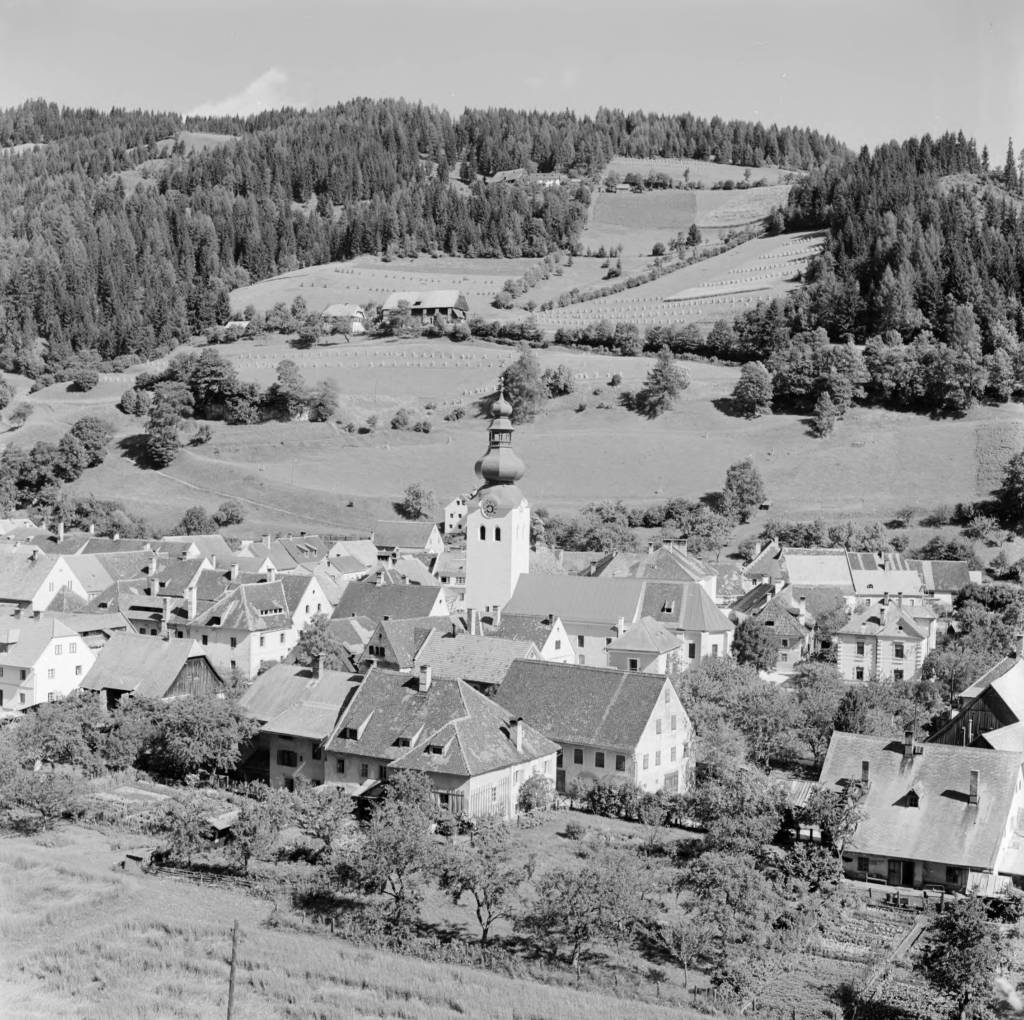
Photos from from the Eugene V. Harris collection between 1937 and 1969 showing the beauty of the region. (click on any image to see a larger view)
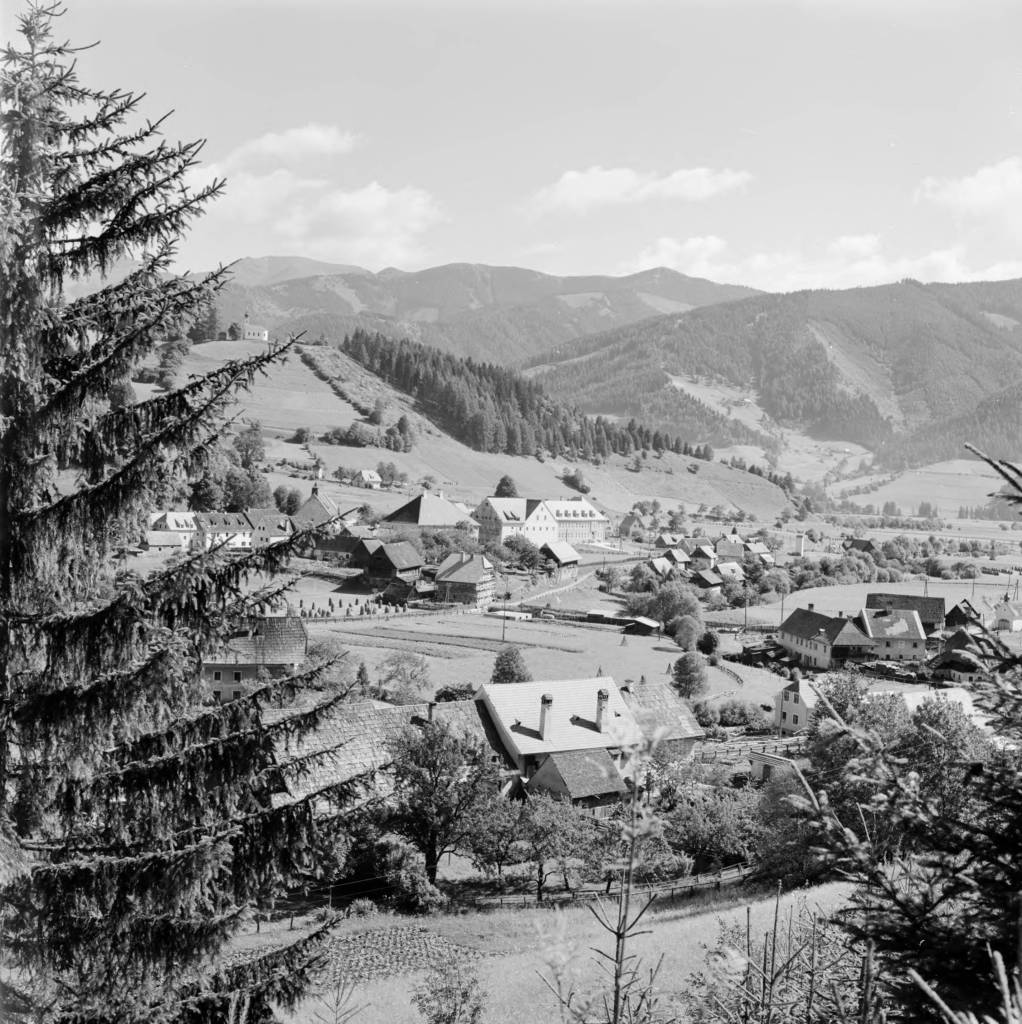
Austria, view of town of Oberzeiring from hill
https://collections.lib.uwm.edu/digital/collection/agseurope/id/1508/rec/1
Austria, view of Oberzeiring and hillside with St. Nicholas Church tower
https://collections.lib.uwm.edu/digital/collection/agseurope/id/1250/rec/13
Austria, people raking hay in field in Oberzeiring
https://collections.lib.uwm.edu/digital/collection/agseurope/id/1690/rec/17
Trivia Night with Dylan Thuras
By Lauren Maddox
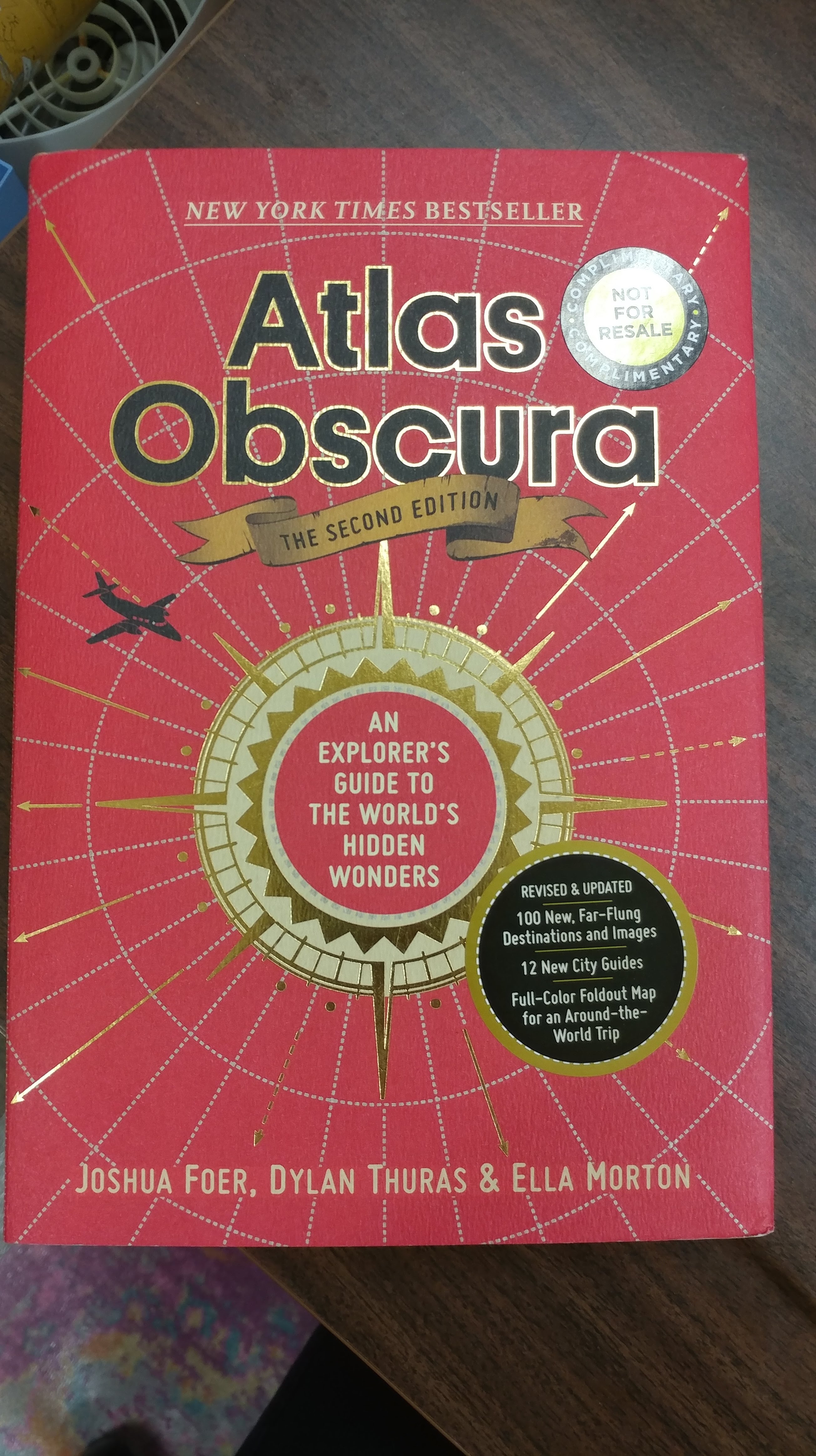
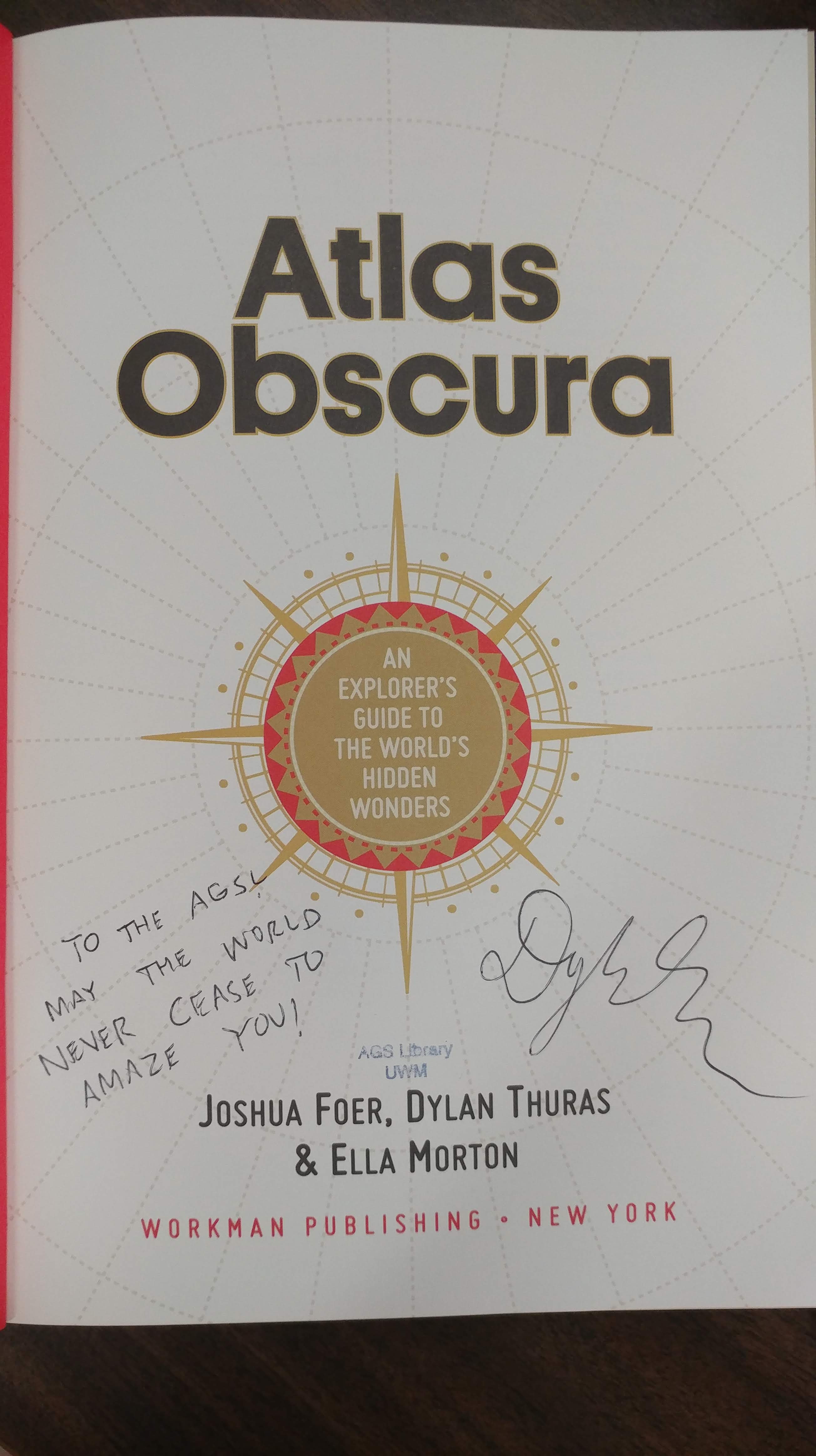
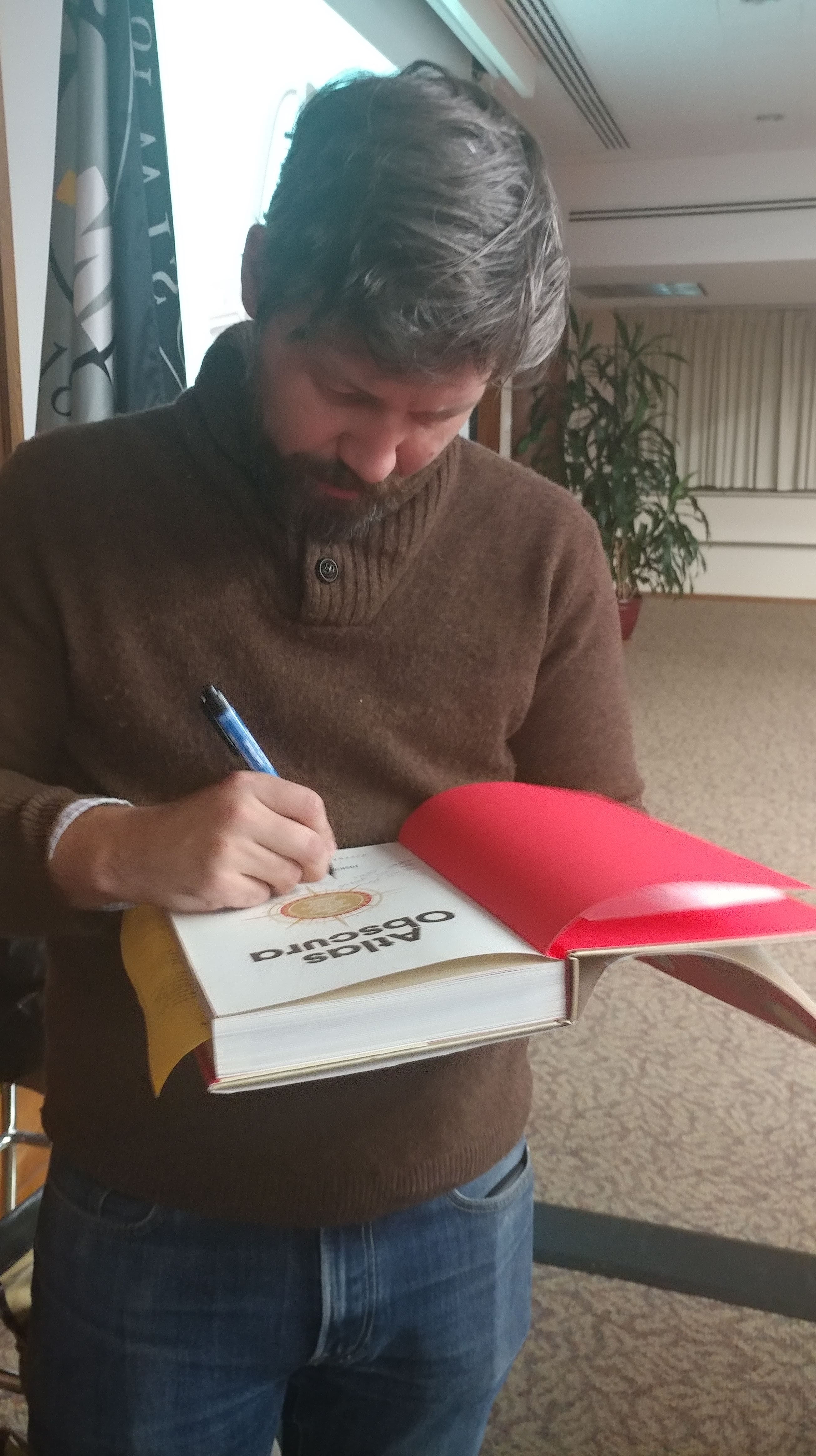
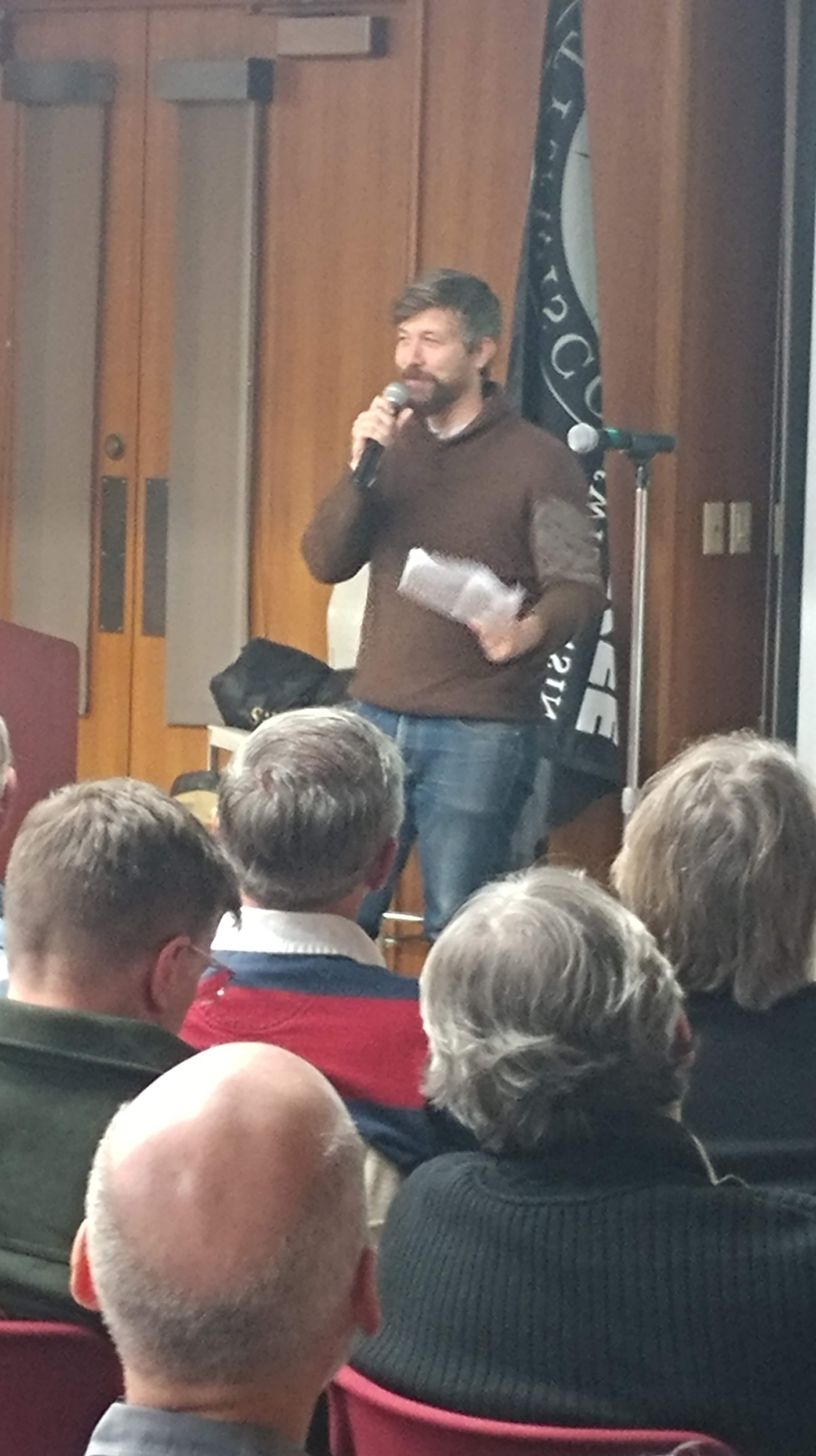
Last night, the AGSL hosted a book talk with Atlas Obscura co-found and co-author Dylan Thuras. Well, the AGSL was supposed to host– the event was so popular that it had to be moved to a conference room to accommodate everyone who wanted to attend.
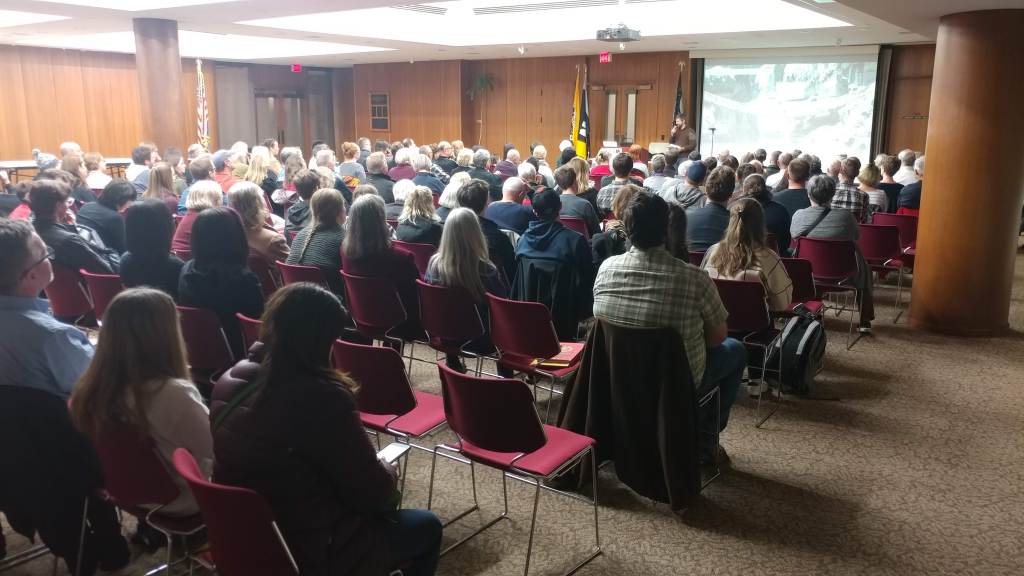
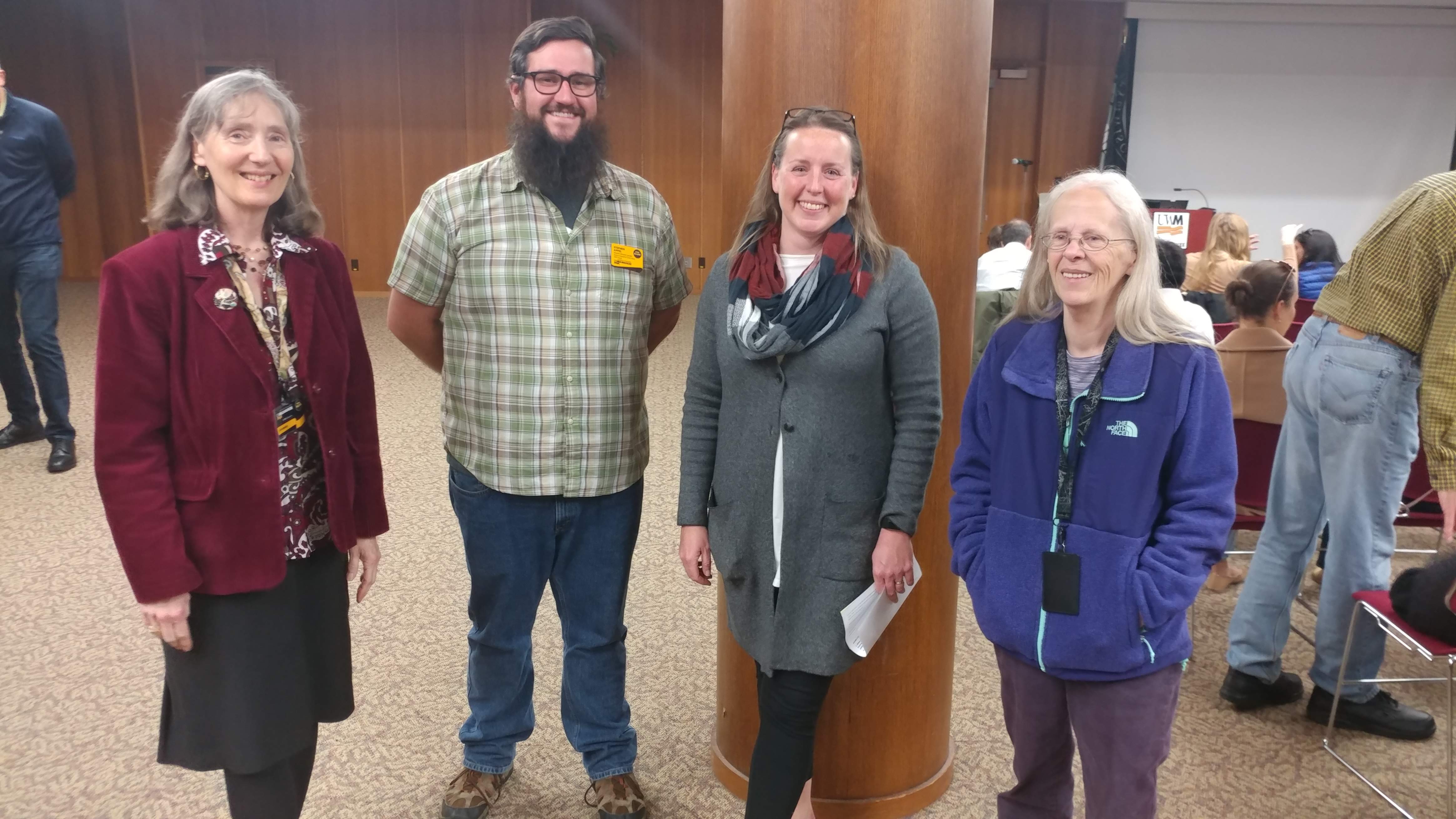
The talk was disguised a trivia night– and yes, the AGSL staff did have their own team. Thank you so much to Dylan Thuras for celebrating the new edition of Atlas Obscura with us and to Boswell Books for making this event possible!
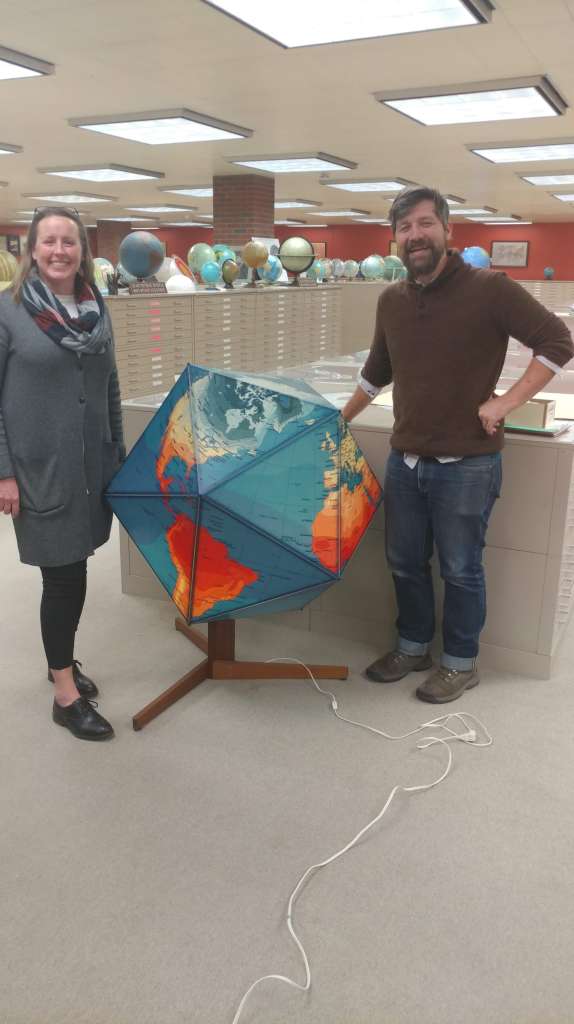
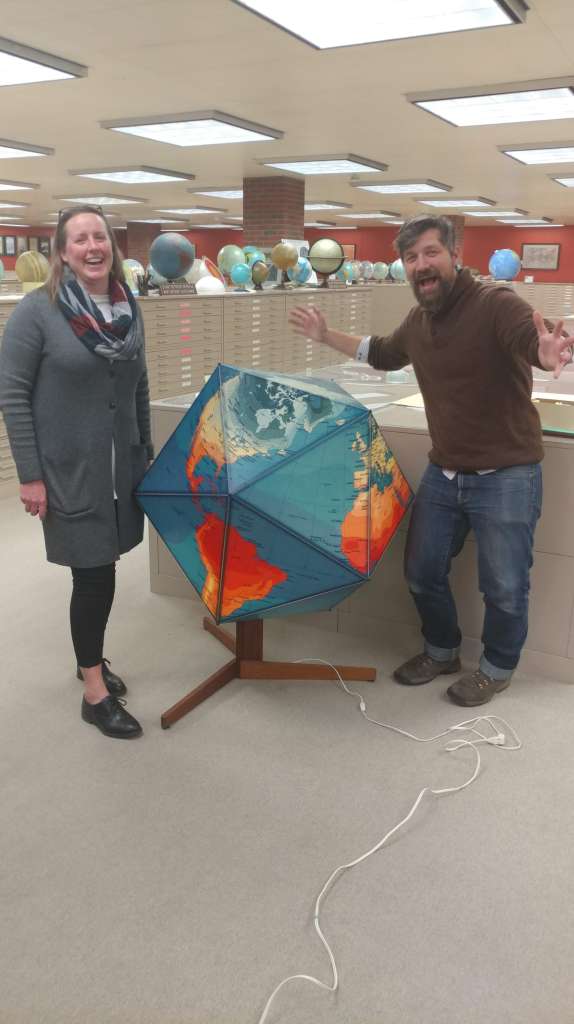
For those of you who couldn’t join us last night, here are some snapshots:
Albert Gallatin Maps in the AGS Library Collection
by Angie Cope
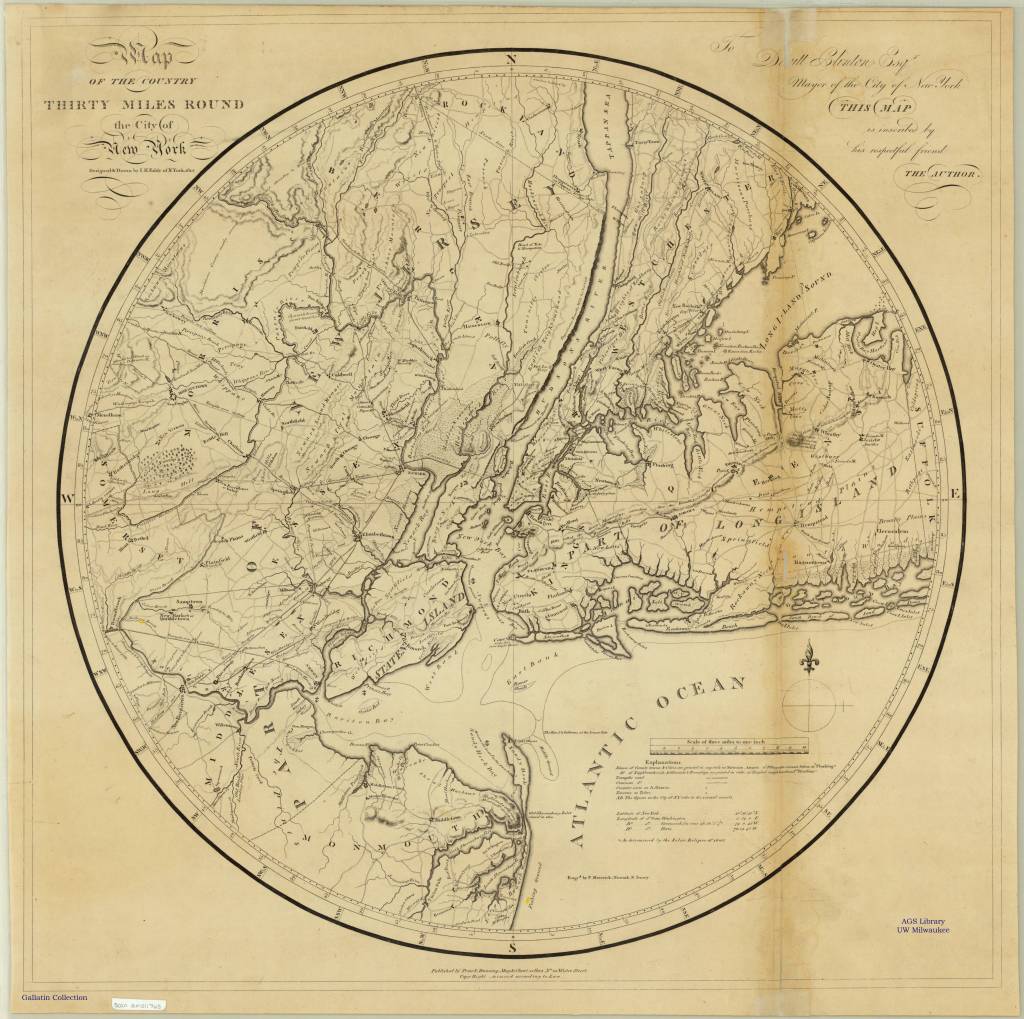
The AGS Library has nearly 40 maps from the personal collection of Albert Gallatin (1761-1849) who served as the Secretary of the Treasury under both Presidents Thomas Jefferson and James Madison between 1801 and 1814.
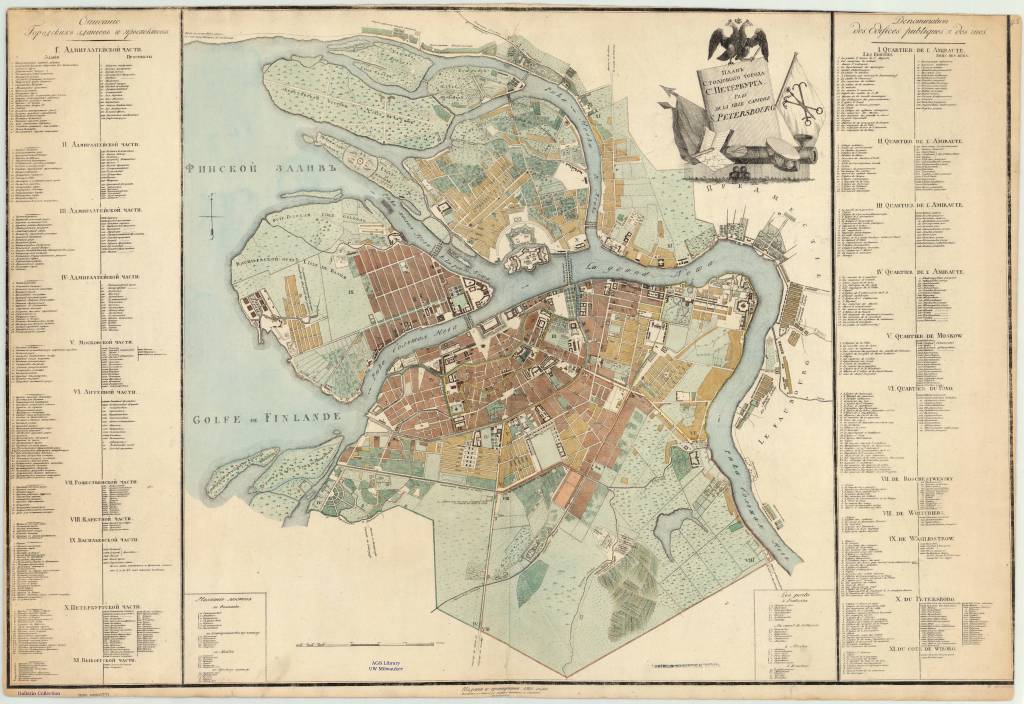
Plan stolichnago goroda St. Petersberg = Plan de la ville capitale S. Petersbourg 1810
The maps were given to the American Geographical Society of New York in 1919 by Gallatin’s great grandson, Albert Eugene Gallatin (1882-1952) who served on the AGS Council in 1913.
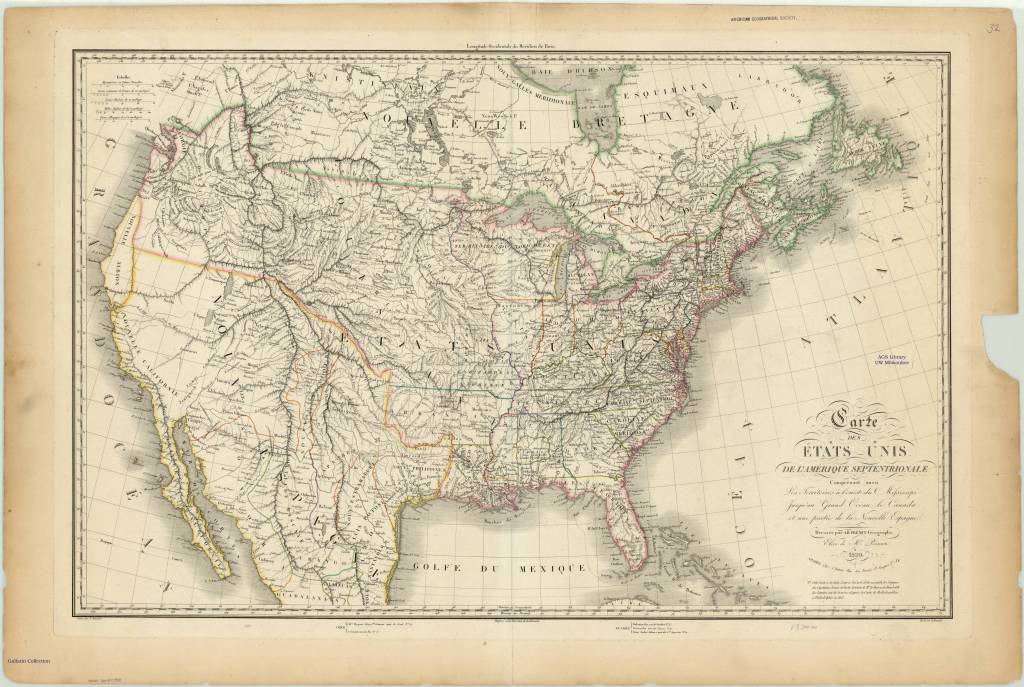
Carte des États-Unis de l’Amérique septentrionale 1820
The maps, spanning the years 1700 to 1842, were originally bound as an atlas factice entitled “Atlas generale,” but have been disbound and conserved by the AGS Library at UW Milwaukee Libraries.
Shelf Read Week
By Lauren Maddox
Thank you all for your patience during our brief hiatus last month! The AGSL has been preparing for the start of the new school year, which included a collection-wide shelf read. The shelf read will actually be an on-going project; each staff member will spend an hour a week continuing to read their section. But last week we came together as a staff to try and tackle the bulk of the work before students came back to campus for the Fall semester.
Most of my time at the AGSL this summer has been spent at my desk. Before I started writing for the AGSL, I had pretty much no experience working in libraries. Well, I was technically a library assistant at my high school, but that just meant I spent every morning reading in the library. So, I was pretty excited to get on board with the rest of the staff and do some real down-and-dirty library work.
Conclusions: I escaped with 0 paper cuts and the knowledge that it’s very hard for me to count past 64. But I thought that this would be a great opportunity for our readers to get an inside look at some of the behind the scenes work our staff does to make sure our library is as accessible and useful to our patrons as possible!
I was assigned sections 050-b and 200-b through c, which included the entire Carta Topagraphia. This was the point at which I realized I couldn’t count past 64, by the way– almost every map folder in this collection had close to 100 maps in it.
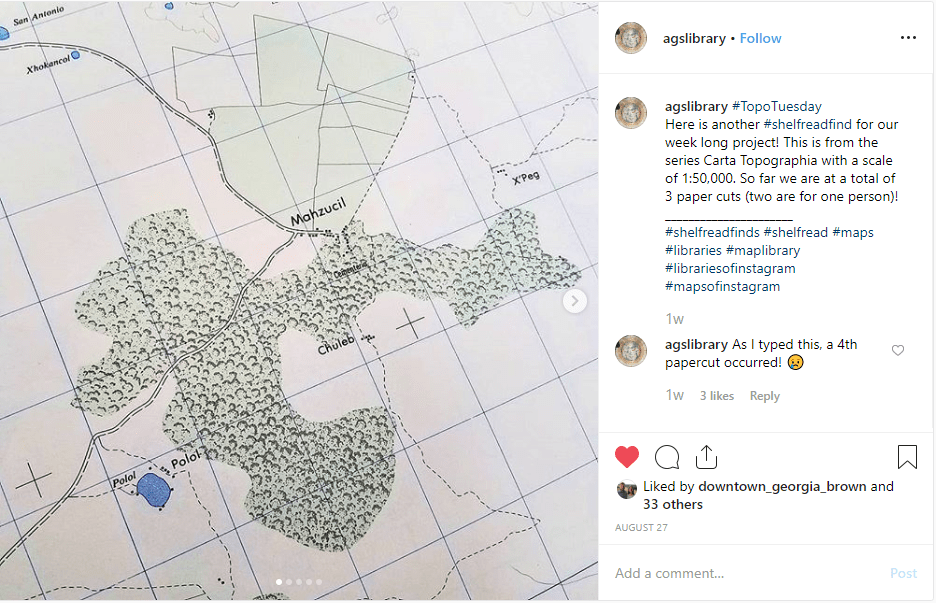
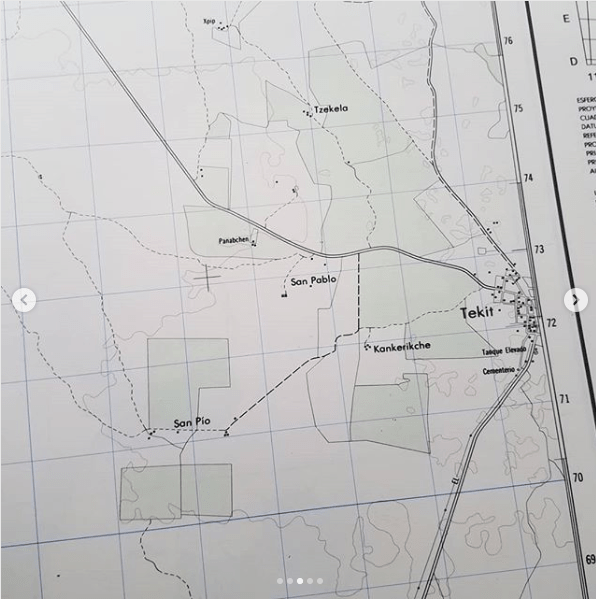
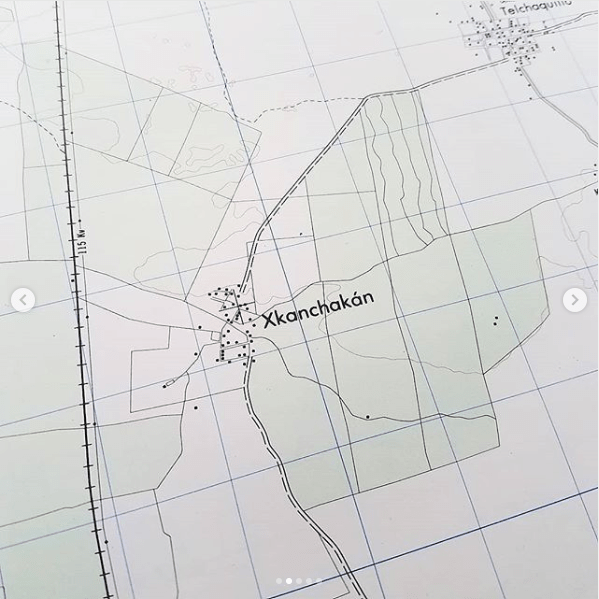
For this shelf-read, there were a few specific tasks we wanted to take care of specifically. First, we counted the maps in each folder; those individual counts were combined into a cumulative total. The shelf-read put into perspective just how many items are in the AGSL’s collections– I counted a couple thousand all by myself! Which was not the highest score. Our cumulative total of maps counted that week was 46, 709. And we’ve only just begun! Then, it was important to make sure that the maps that were in each folder were supposed to be there and in the right order. And we also worked on relabeling folders for ease-of-access for the future. And we stayed on the lookout for interesting maps that hadn’t been scanned yet to add to our digital collection or maps that hadn’t been cataloged officially. To keep spirits bright (because, no matter how necessary, counting map sheets is never going to be anyone’s favorite pastime) we also had a game of Shelf-Read Bingo going all week. I came in second place.
If, when you visit us during the semester, you notice that someone is shelf-reading, know that you’re witnessing a large-scale, on-going project that our whole staff is working on! And maybe let them finish counting– or else they might get stuck at 64 and have to start over.
Globes in Advertising
by Kay Guildner
What associations come to your mind when you see images of a world globe these days?
Nowadays, it is typically the environment, globalization, Mother Earth, etc. The image has been used by any advertisers you can name at one time or another. It has served as a prop for commodities of all sorts, as a symbol of power, as well as a symbol of unity. It has become a visual metaphor for whatever the ad is trying to convey, be it networking, environmentalism, and consumerism, the suggestion of manifest destiny, conquest and empire.
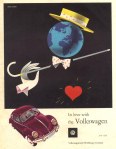
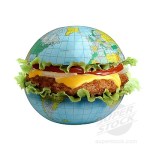
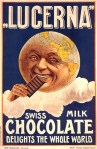
In news features and political cartoons, globes and maps aid in conveying a sense of scope to the message as well, no matter your politics. It also sells soap, liquor, buttons, computers, spark plugs, cereal, soda, needles, bicycles, and, truly, soup to nuts. It suggests a universal theme, something common to us all.
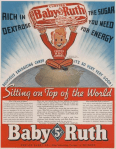
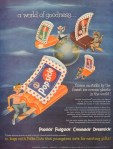
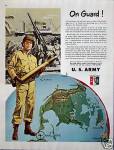
Ads use globes to add a level of sophistication to their products as well, and in the movies the presence of a globe in the home suggests an educated tenant.
One place that nearly always relied on a globe to suggest unity was the World’s Fair, anywhere. It celebrated both our similarities and our differences. All were welcome, no exceptions.
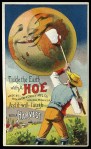
Globes are often anthropomorphic, smiling or interacting with a person or product as well. After all, if “it” pleases the world, why not you?
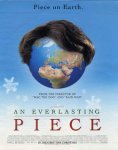
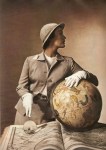
Here at the American Geographical Society Library we have 230 globes on permanent view. The collection includes globes of all types including celestial, physical, terrestrial, political, planetary, the ocean floor, air and transport routes, continental drift, satellite images, hydrographic, and many, many more.
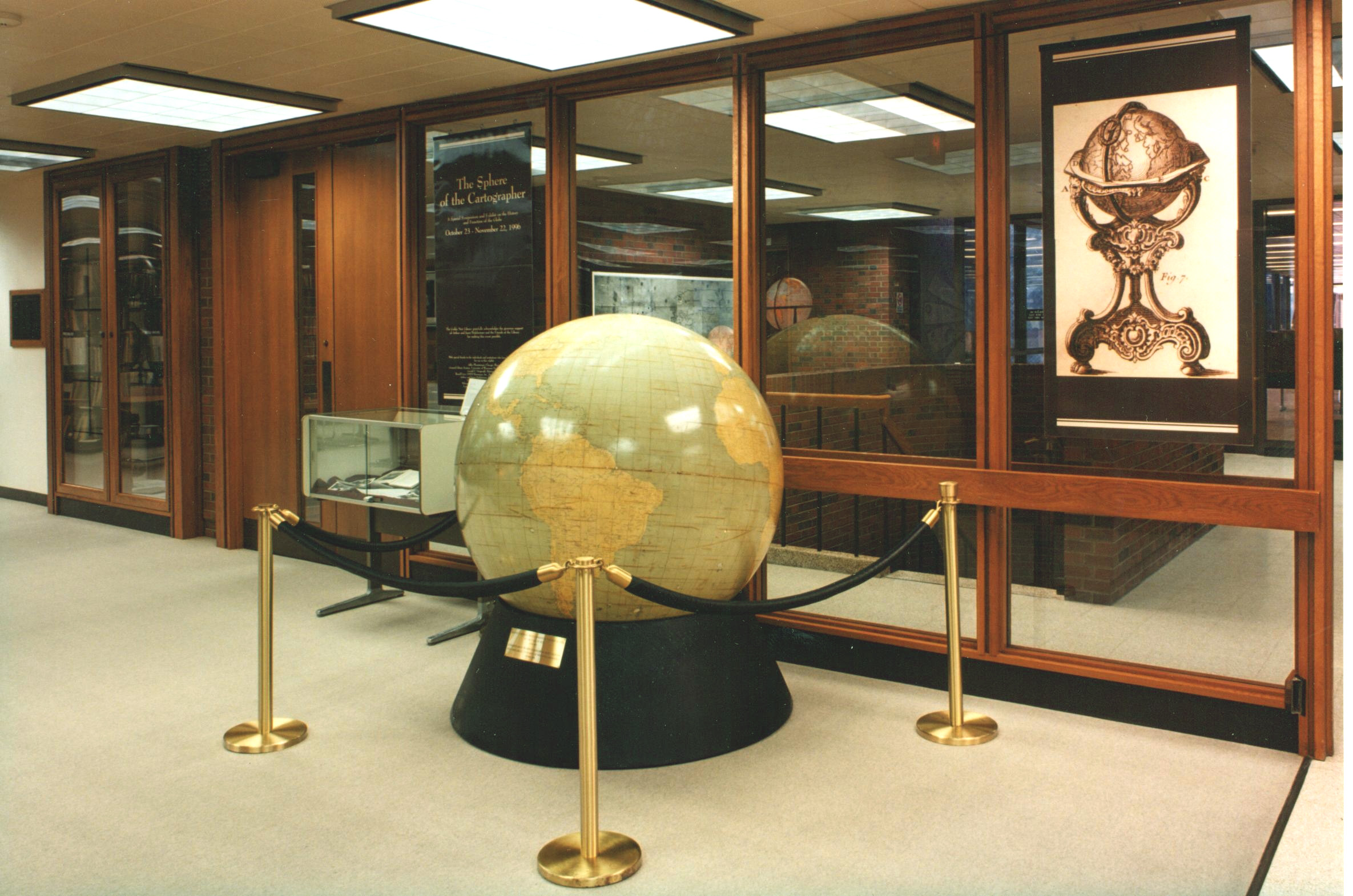
The premier piece might be the President’s globe, coming in at 50 inches in diameter, created by Weber-Costello in Chicago in 1942. It was commissioned by OSS Director William J. Donovan during WWII and presented to both President Roosevelt and Winston Churchill as Christmas gifts from the US Army. Eleven were made, and the one at UW-Milwaukee was transferred here on permanent loan from UW-Madison in 1996.
Globes in the AGS Library collection date from 1613 to the present and include globes in many languages. We see guests and researchers from all over the world, and the first thing they notice are all the globes. Come visit us and pick your favorite!
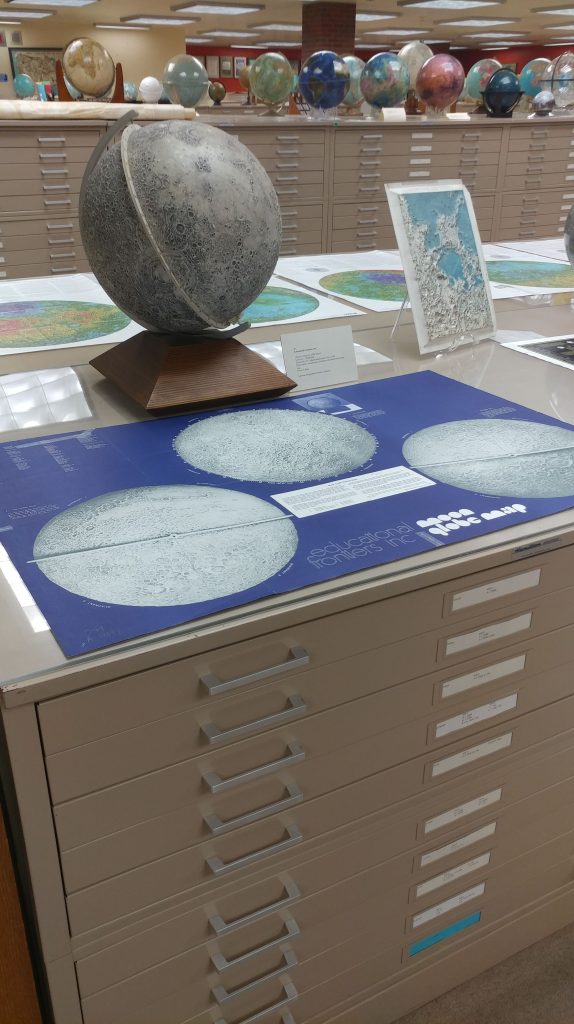
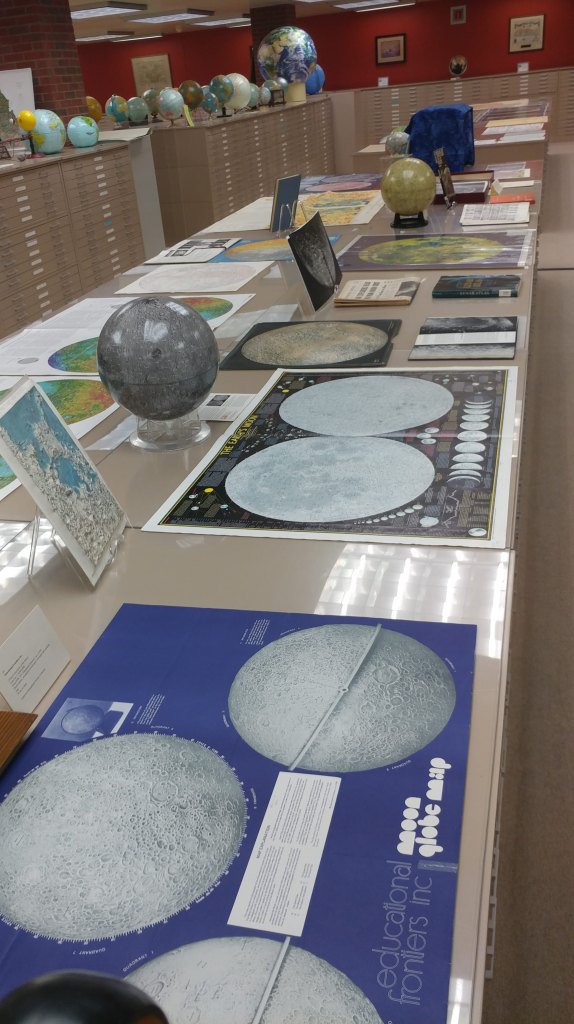
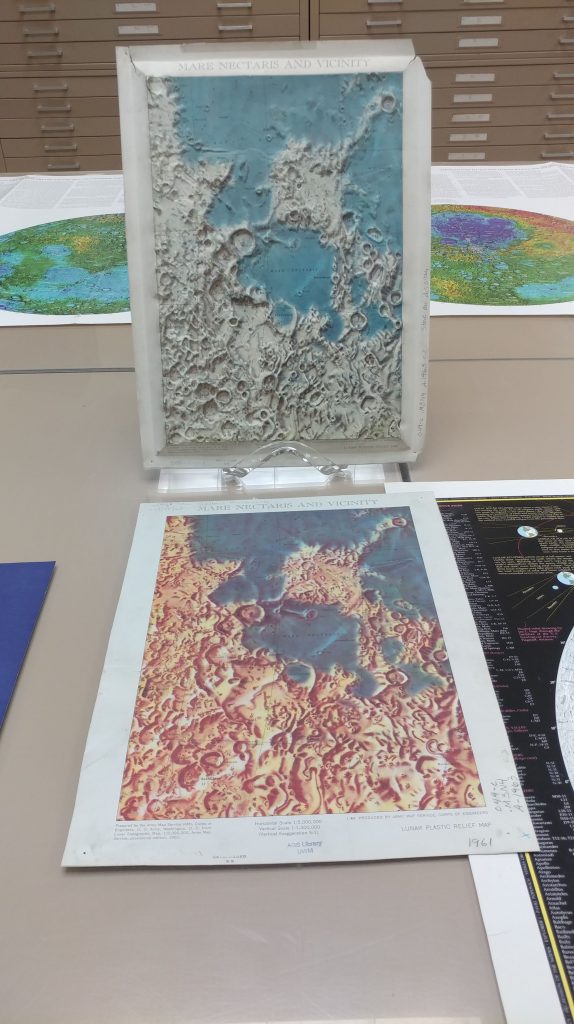
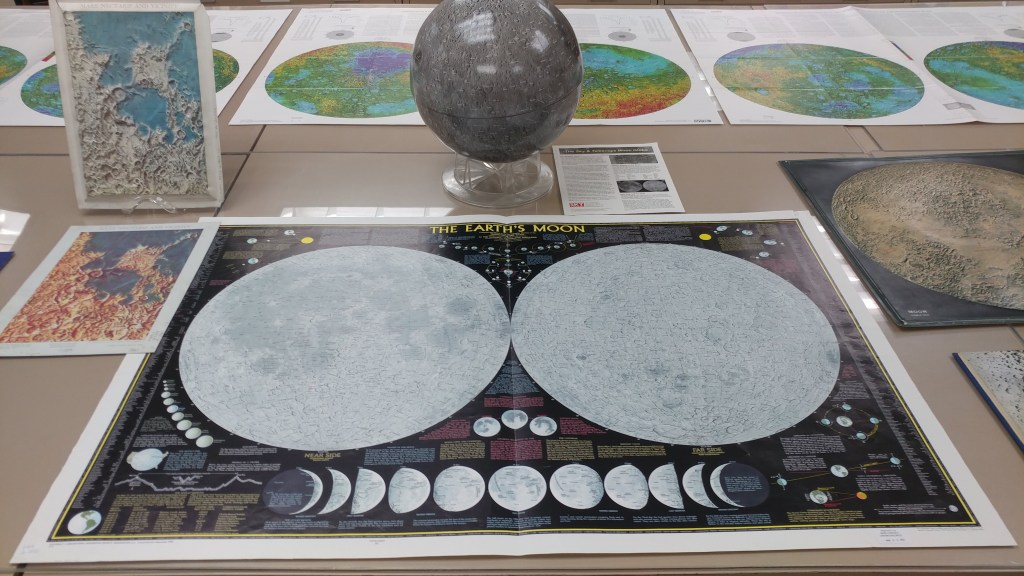
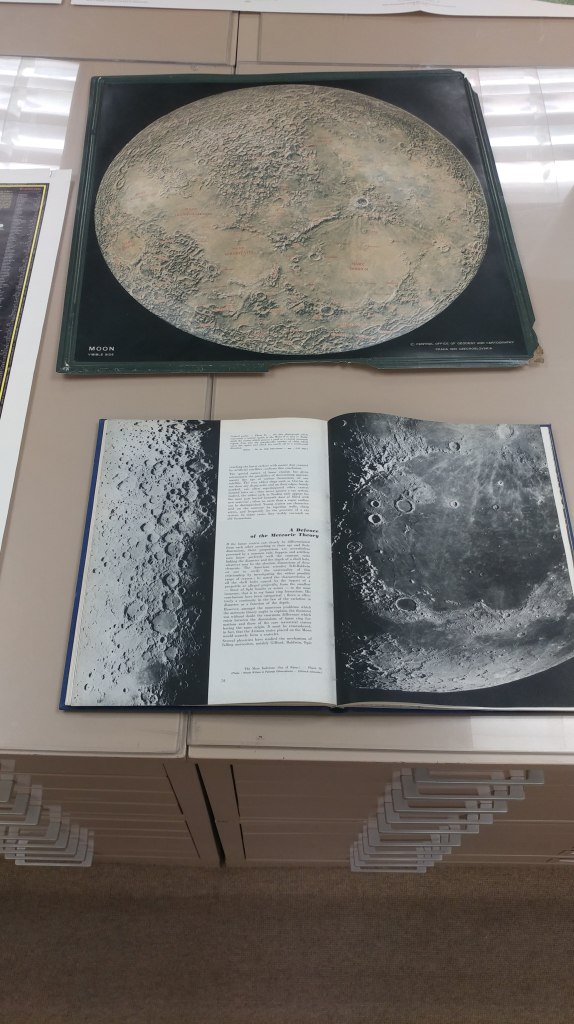
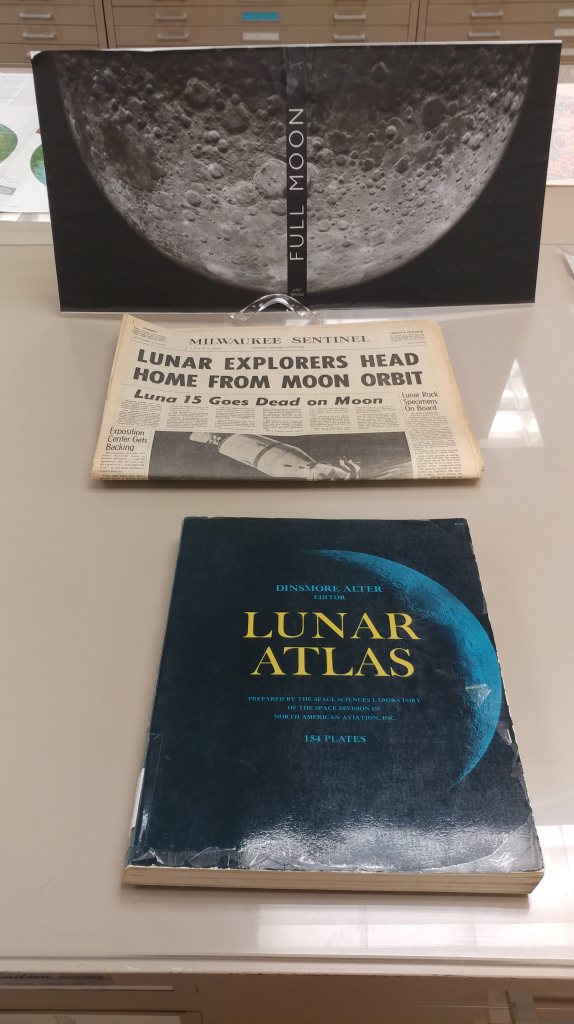
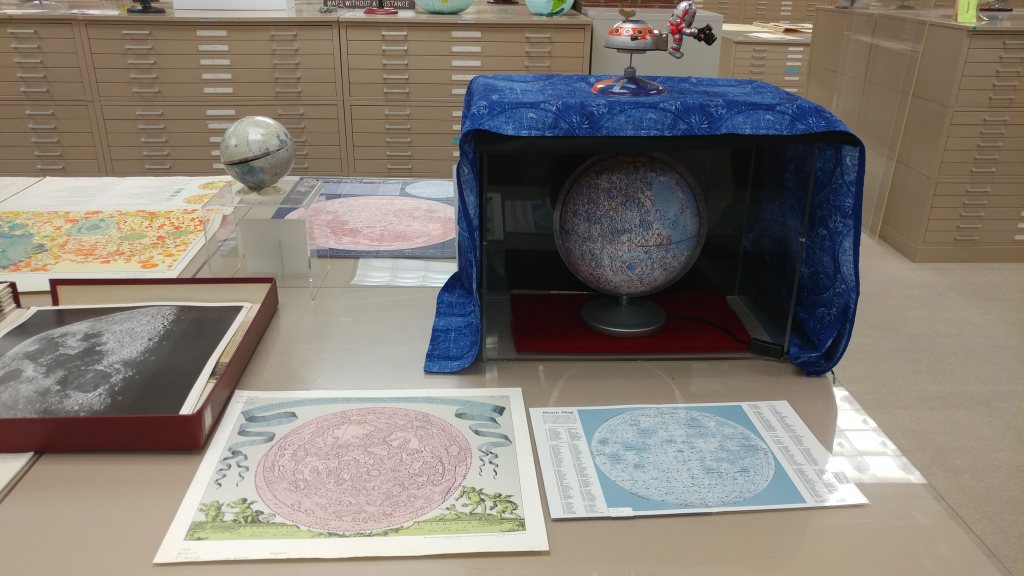
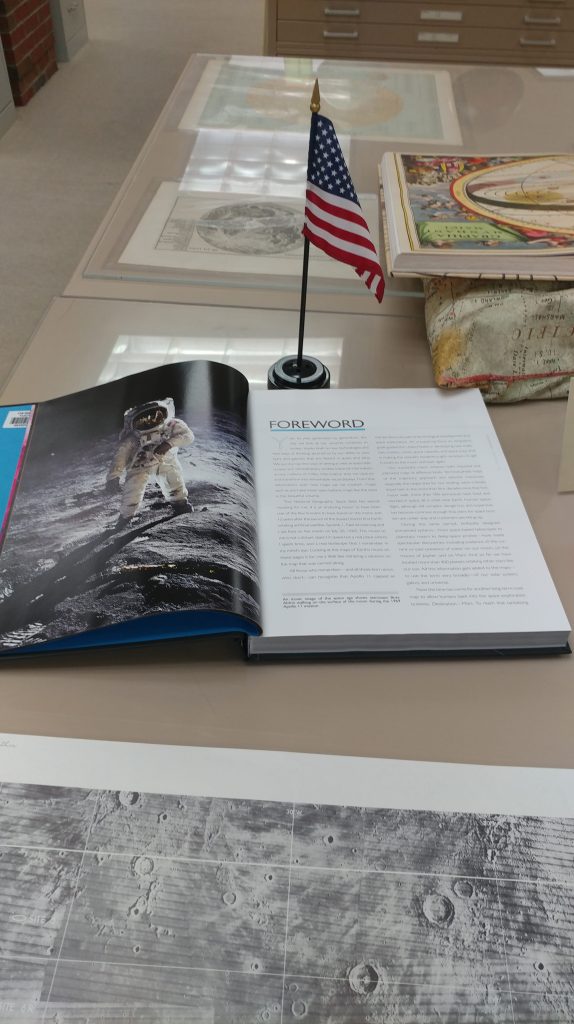
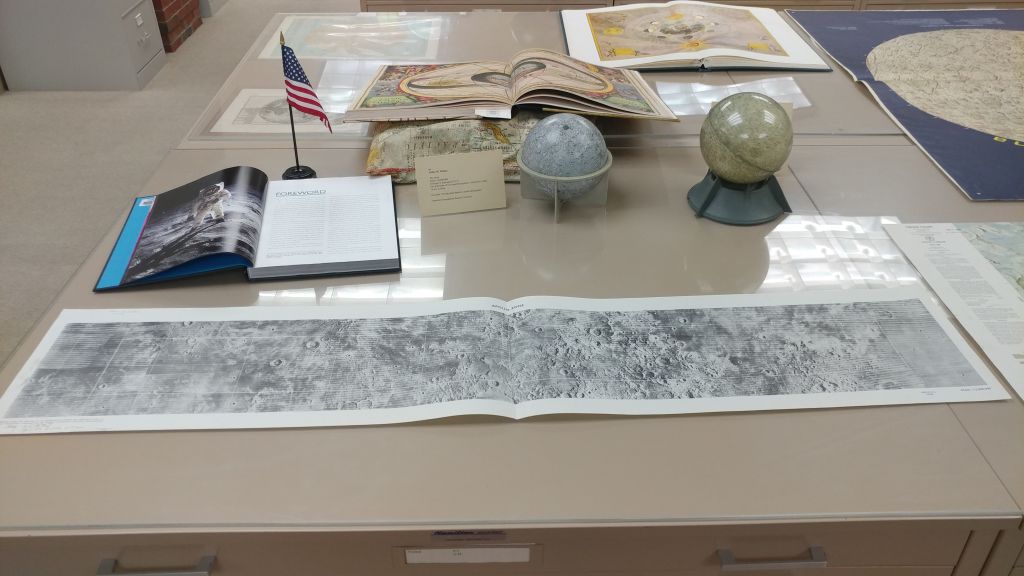
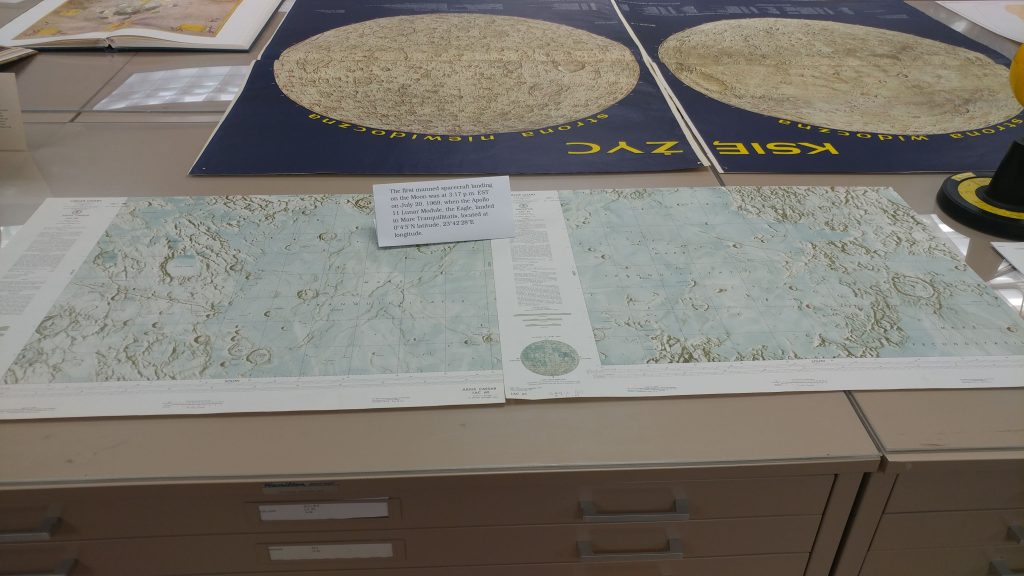
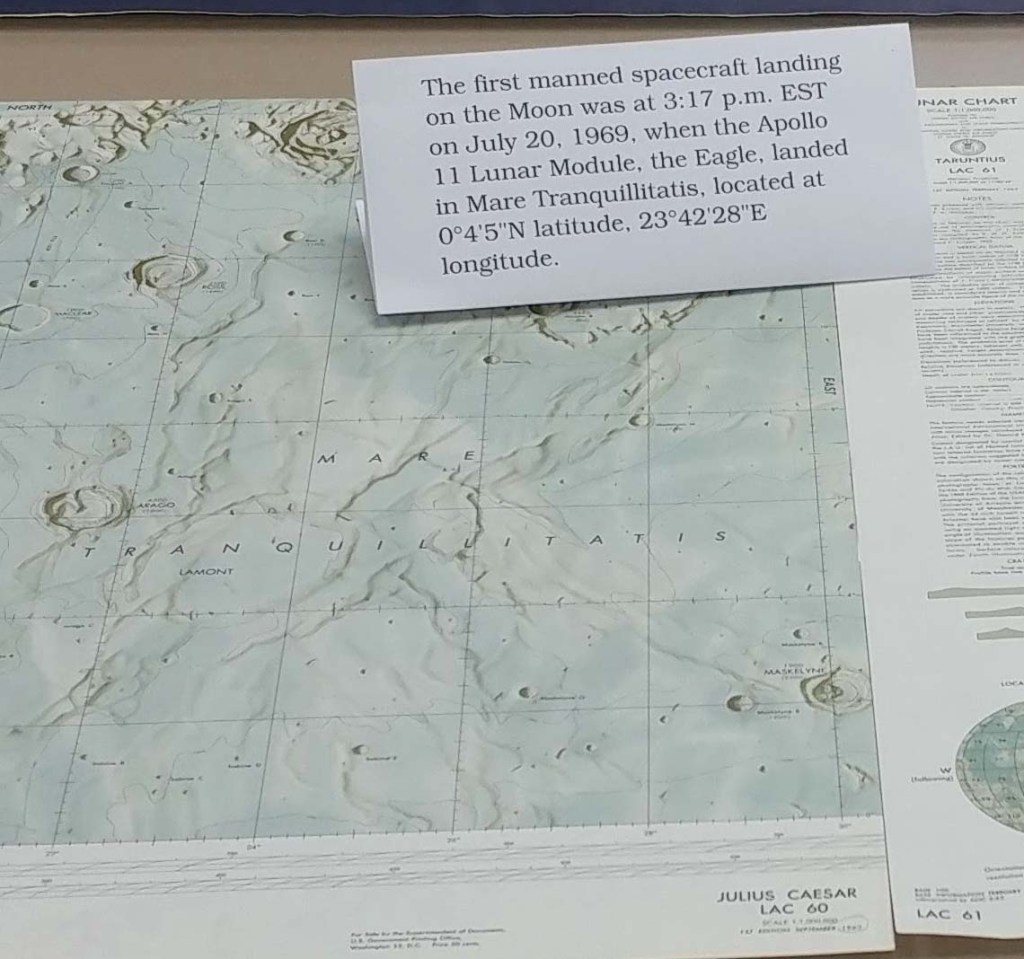
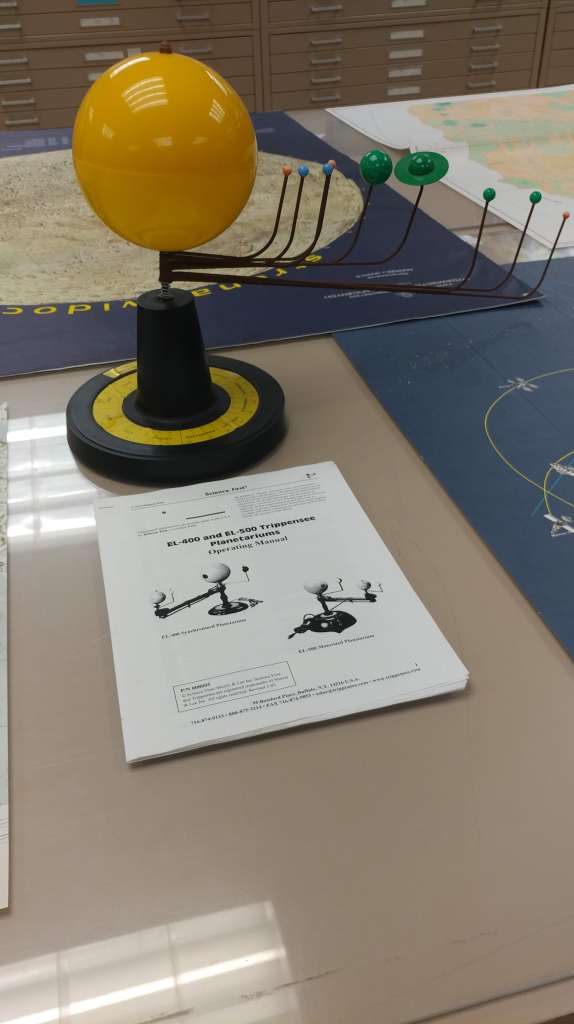
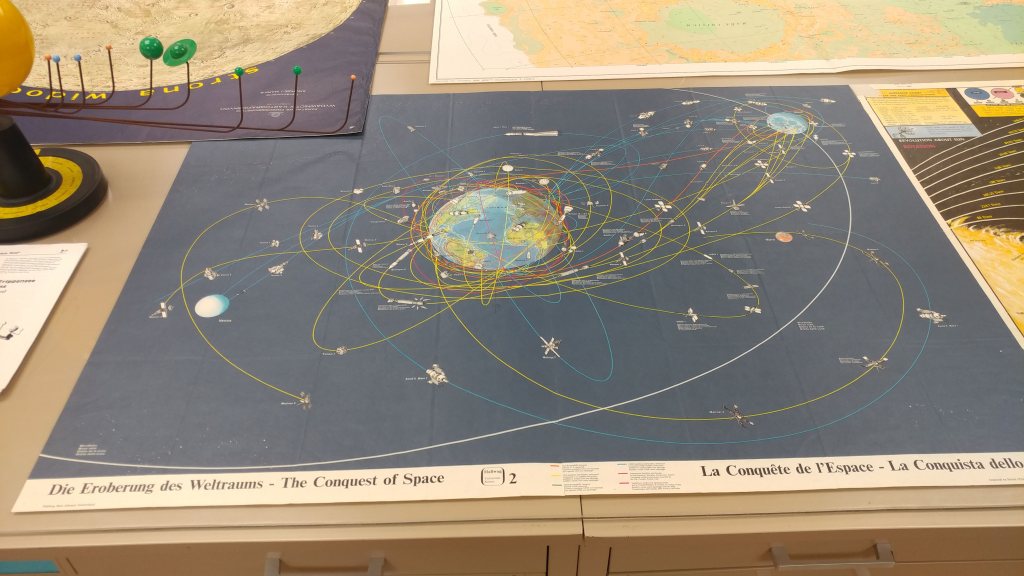
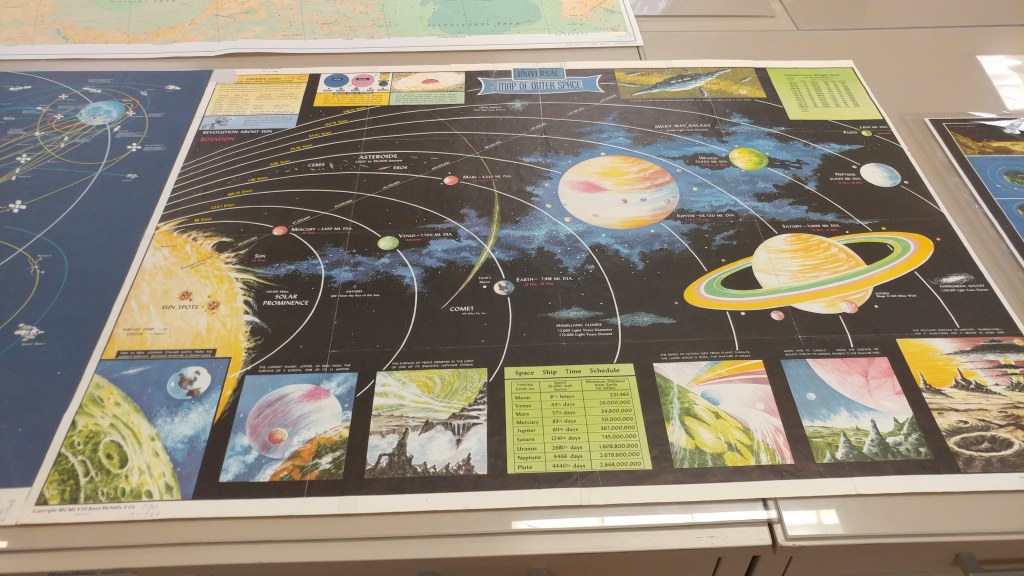
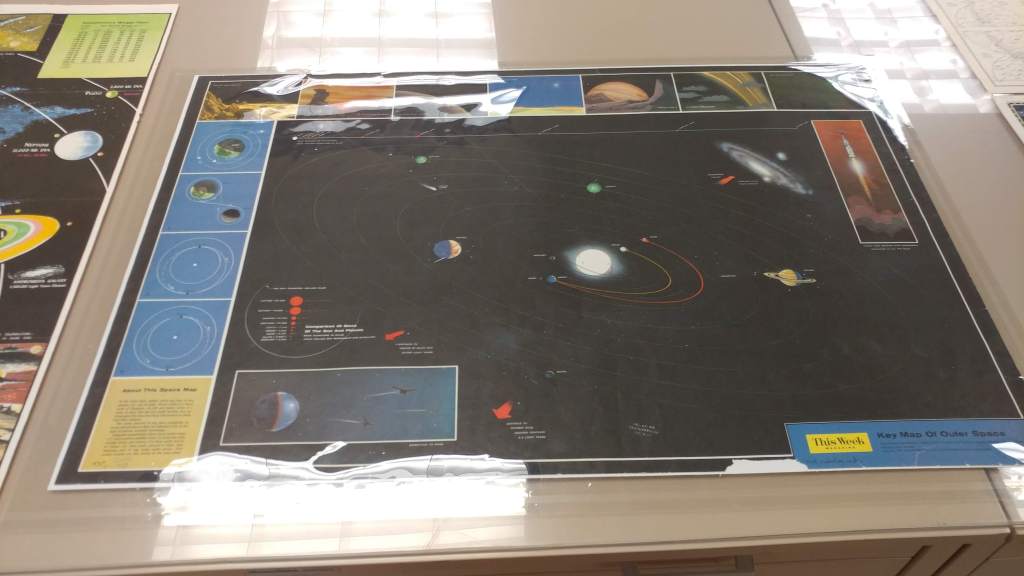
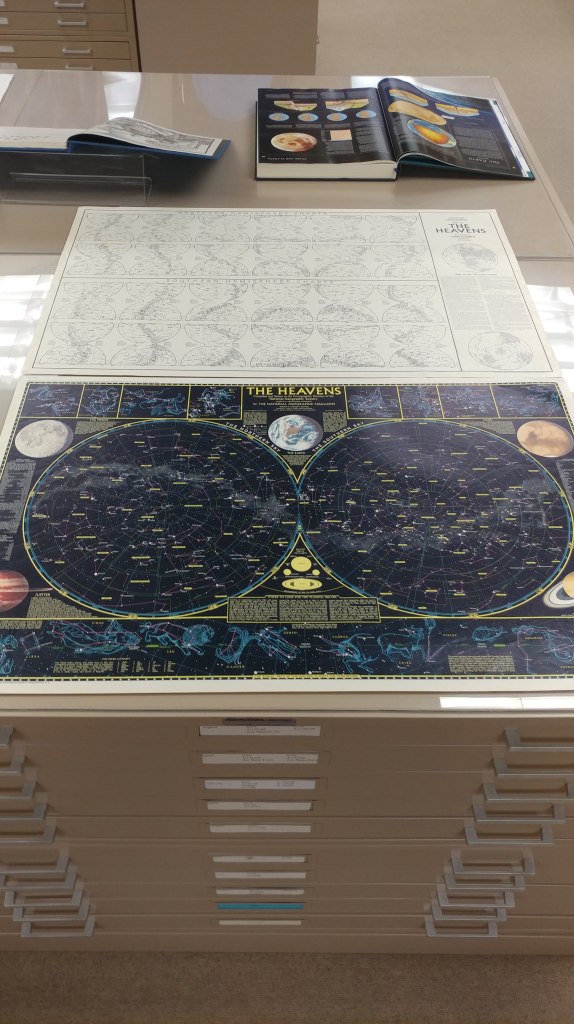
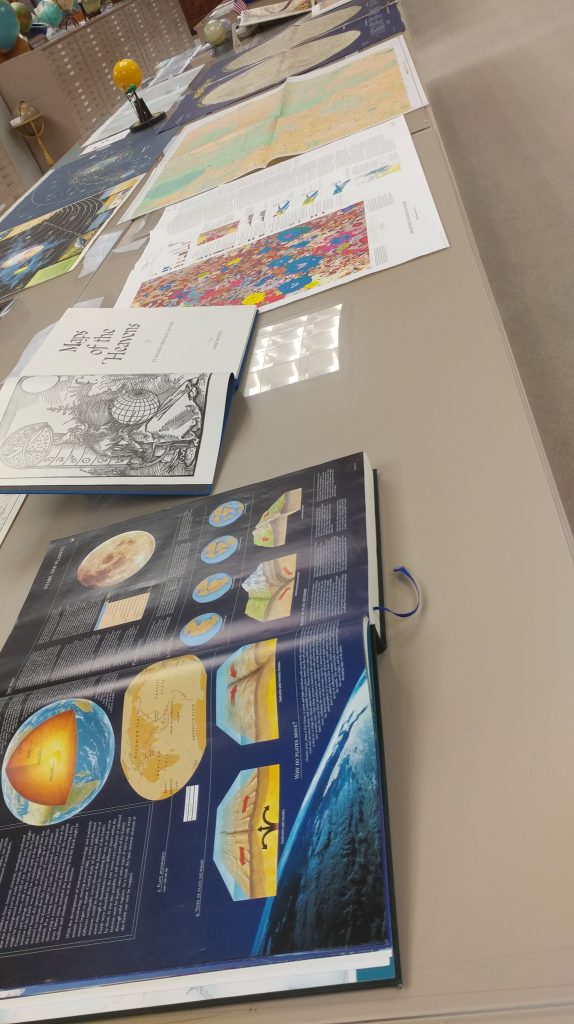
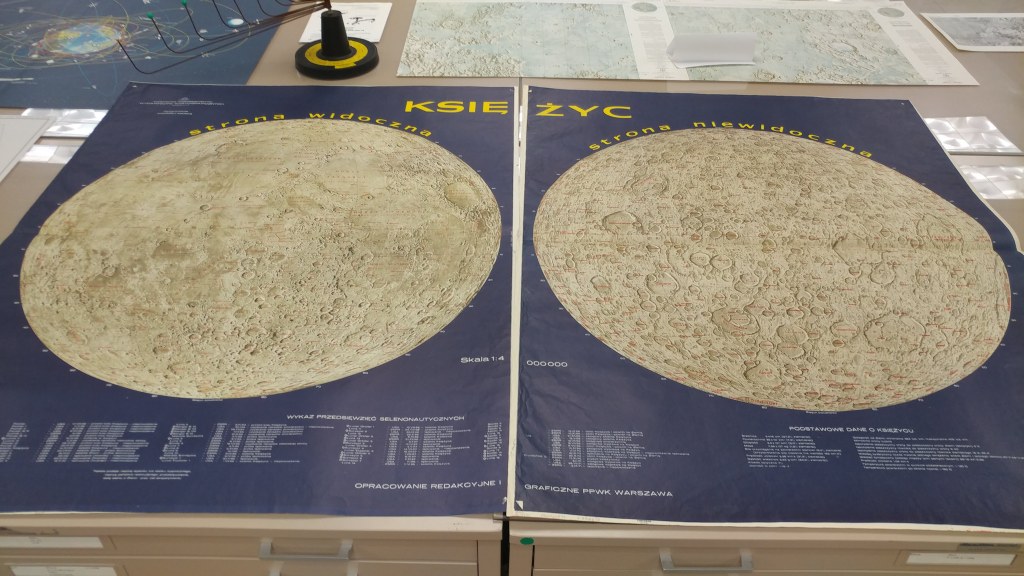
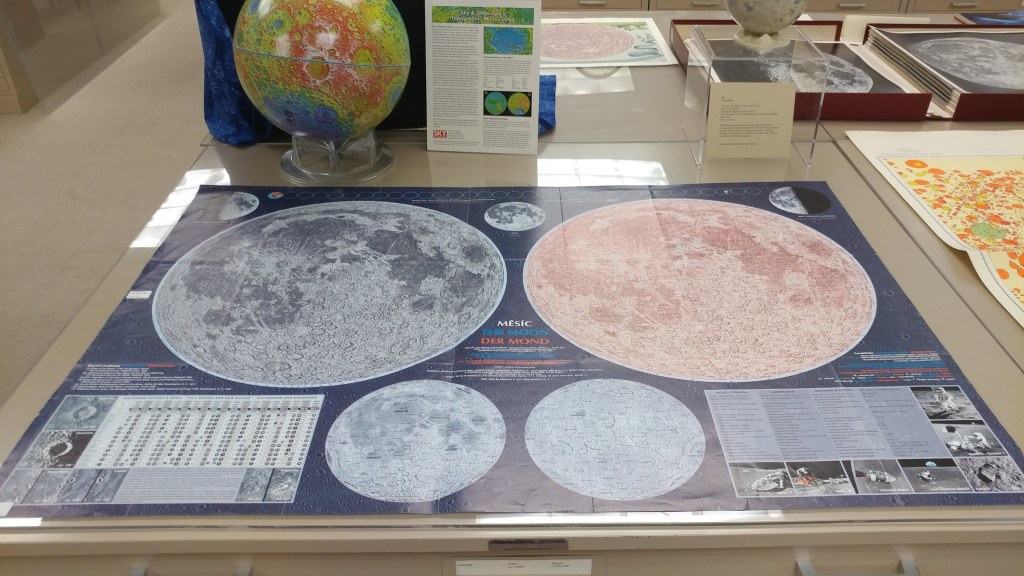
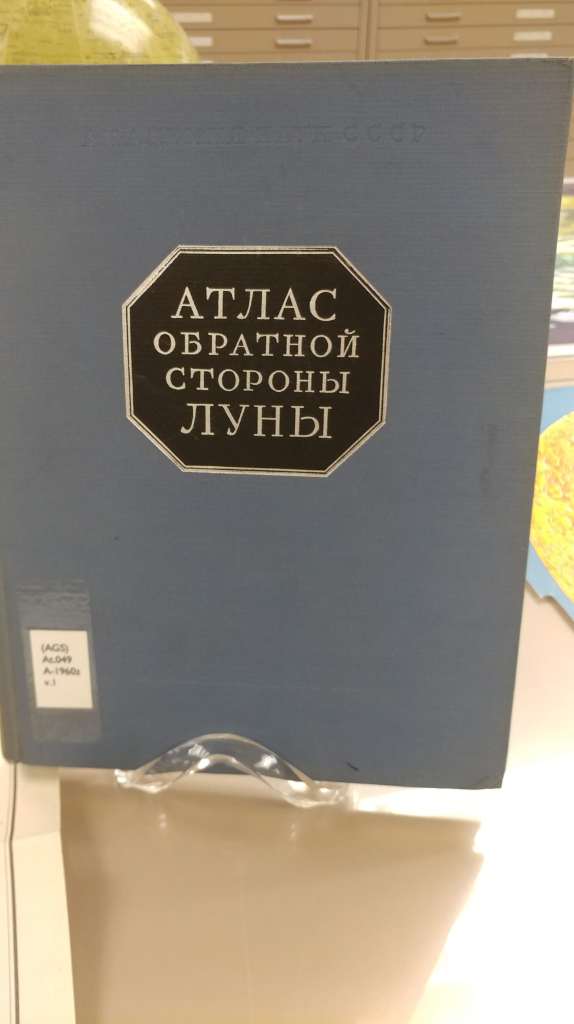
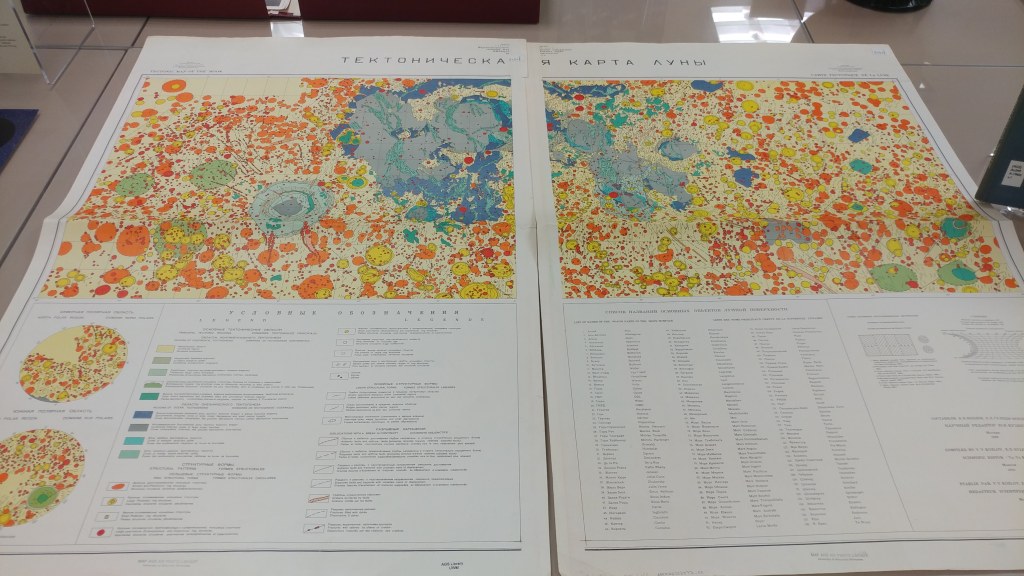
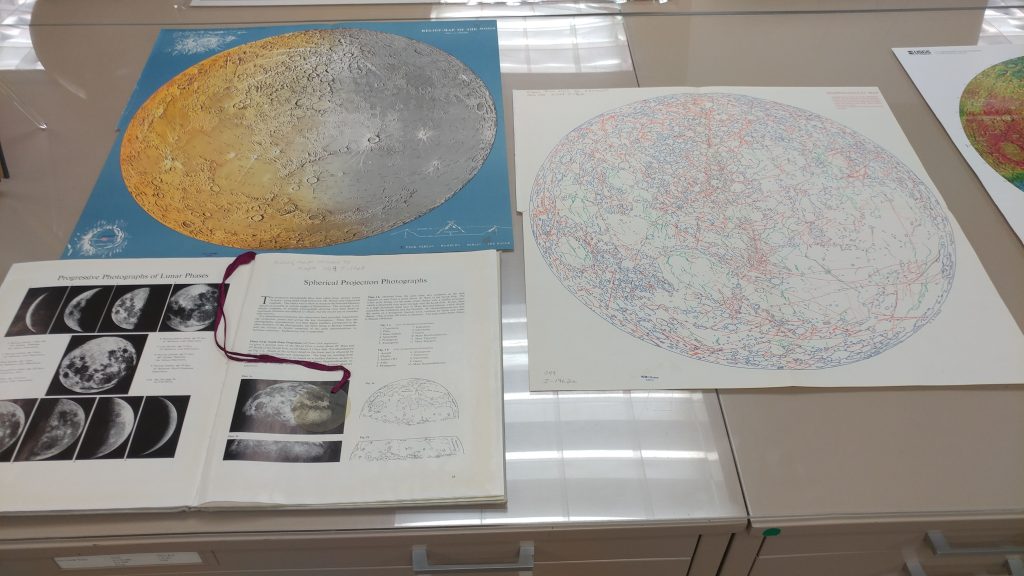
50th Anniversary of the Apollo 11 Moon Landing pop-up exhibit in the AGSL
by Angie Cope
The exhibit will be up from July 16 – July 26 during regular hours (M-F 8am-4:30pm).
Many of our maps have been scanned and are viewable in the AGS Library Digital Map Collection. https://collections.lib.uwm.edu/digital/collection/agdm/search/searchterm/moon
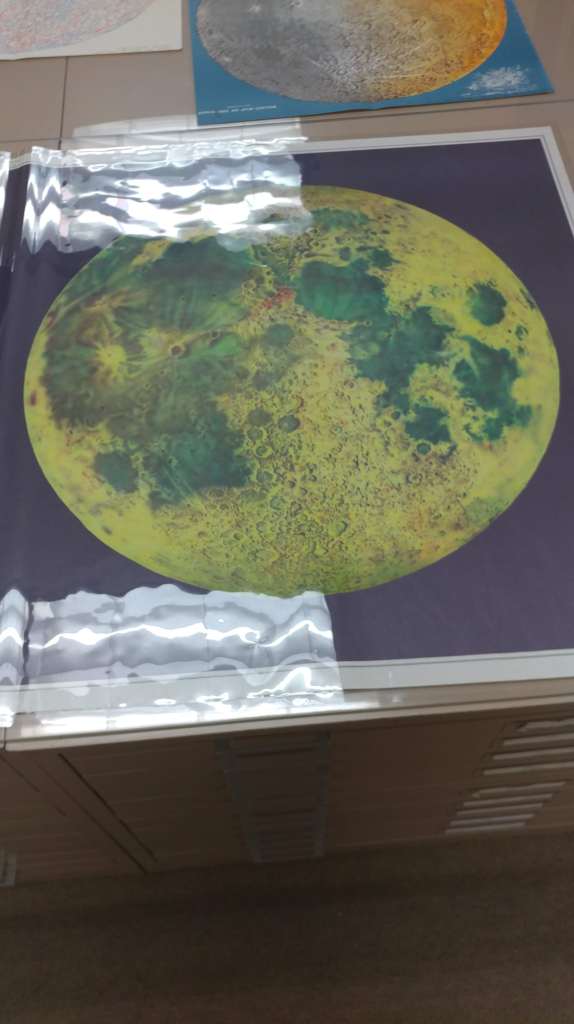
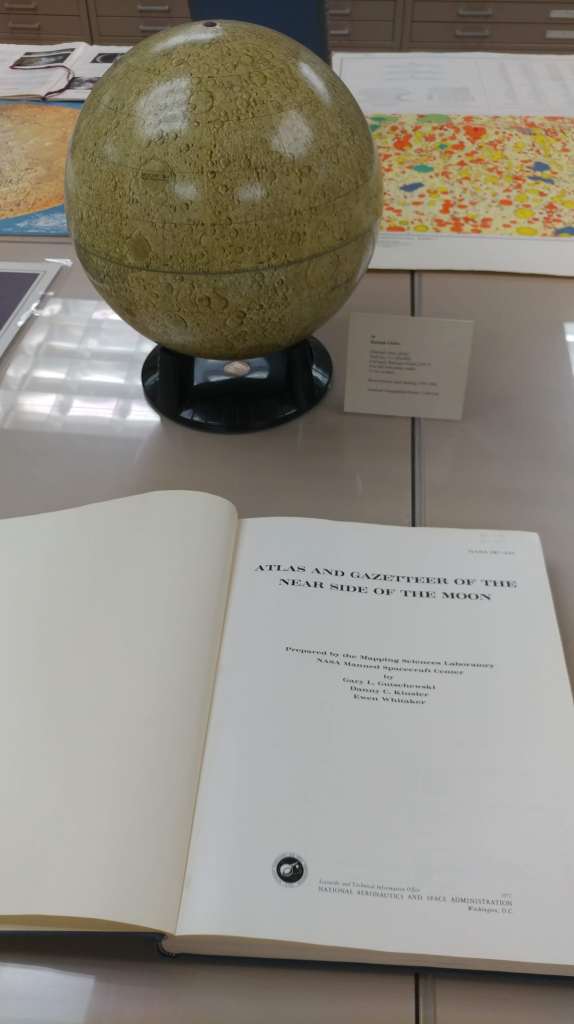
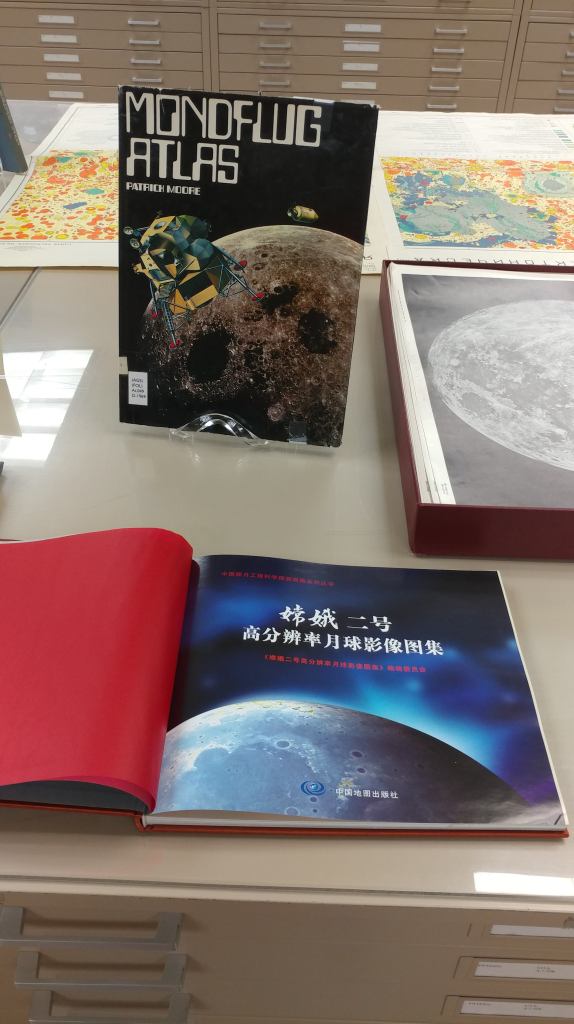
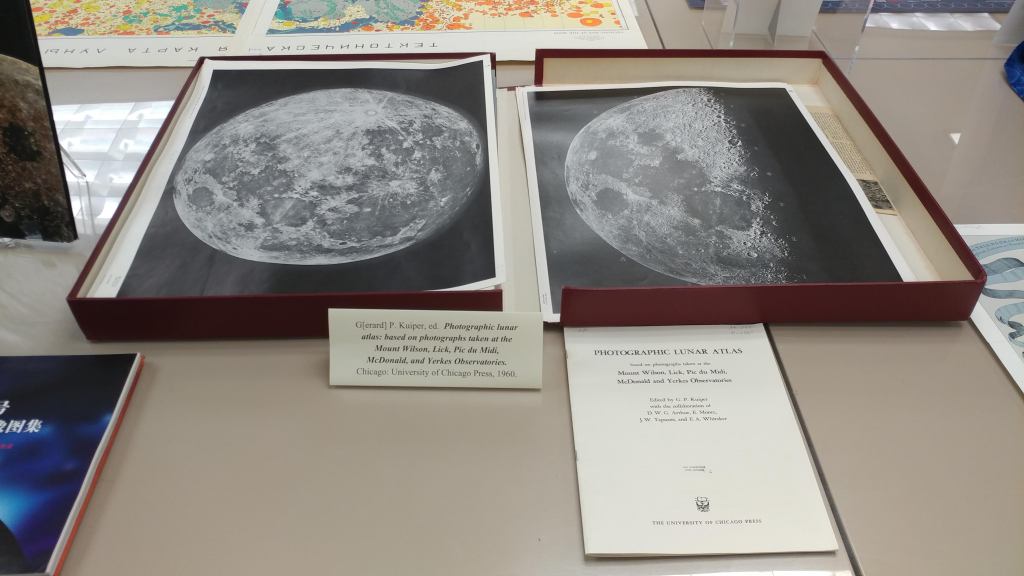
The Love-Life of Dr. Kane
By Lauren Maddox
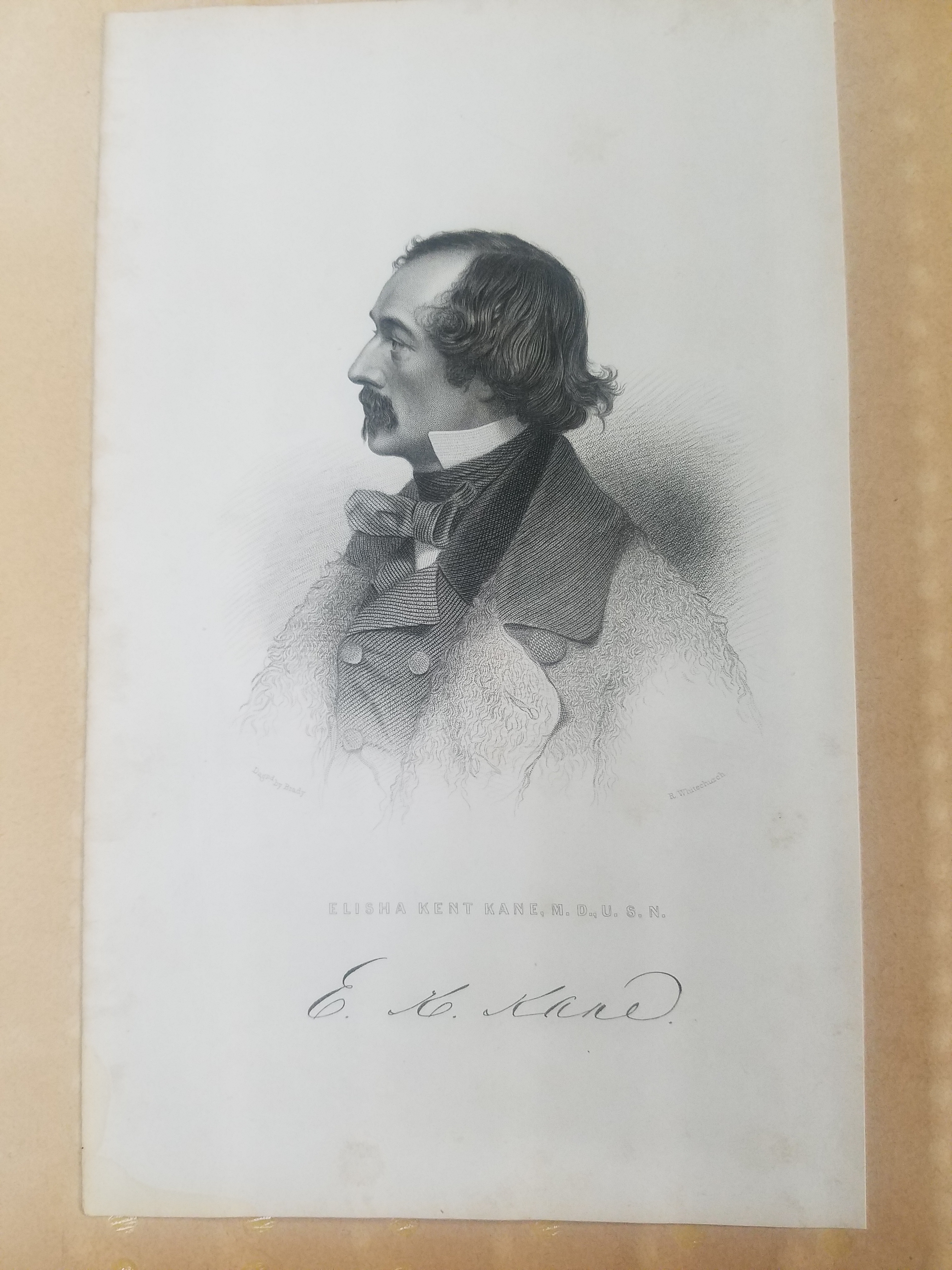
Click the link to see this Portrait of Kane from the Edmund Mills Scrapbooks in the AGSL Archives
Elisha Kent Kane, who appeared in last week’s post about the lost Franklin expedition, lived a life of adventure, and his harrowing escape from the arctic became an iconic expedition in the era of romance and arctic exploration. The accomplished explorer died tragically after his return from the second Grinnell expedition; extreme climate and malnutrition had wreaked havoc on his health. He died just two years later in Havana, Cuba, where he had traveled with his family in the hopes of recovering in the warmer climate. His life of intrigue and excitement didn’t end in the arctic, however; apparently Kane also had a titillating love life. After his death in 1857, a rather scandalous legal dispute began: Margaret Fox, claiming to be Kane’s secret wife, took Kane’s family to court for withholding her inheritance.
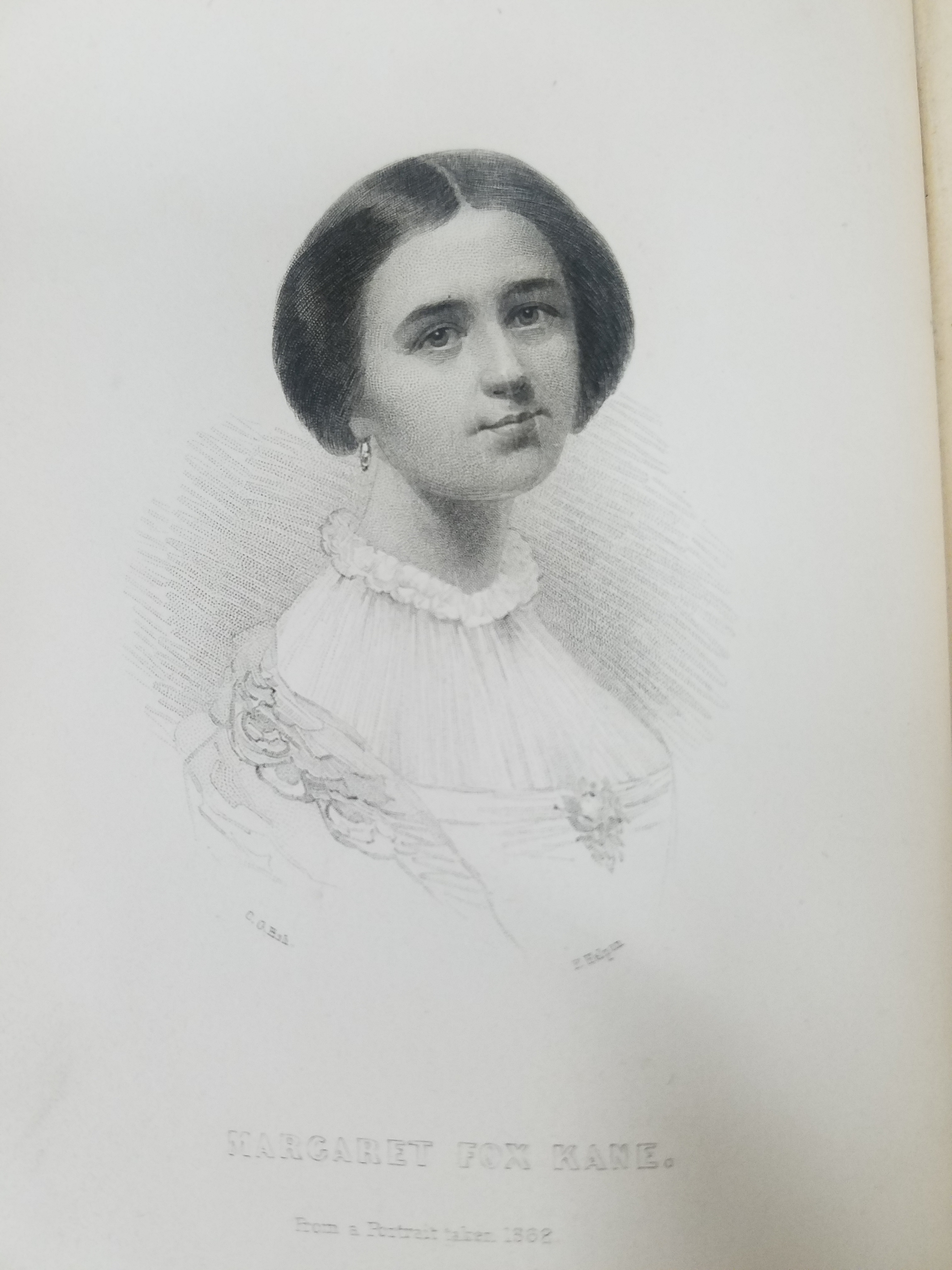
Click the link to see the Portrait of Margaret from The Love-Life of Dr. Kane
Margaret Fox was the middlest of the famous spiritualist Fox sisters. Margaret and her younger sister became famous in 1848 for supposedly communing with the entity that haunted their house in Hydesville, New York. The girls rocketed to fame and began giving demonstrations of their spiritual powers the next year. By 1850, the girls were holding public seances in New York. She and her younger sister continued their journey to spiritualist stardom under the management of their oldest sister Leah; the trio would spend years enjoying success as the centerpieces of seances attended by the well-to-do and famous.
The AGS Library has in its rare collections a first edition copy of Margaret’s tell-all book The Love-Life of Dr. Kane, in which she claims to have secretly married Kane and publishes their personal correspondence to prove it. The book was gifted to the AGSL in 1922 by Edmund Mills from his collection of arctic books. The book, published in 1866, is prefaced and introduced by an unnamed author sympathetic to Margaret’s position in her legal battle with the Kane family and includes a memoir giving a narrative telling of the illicit love-match.
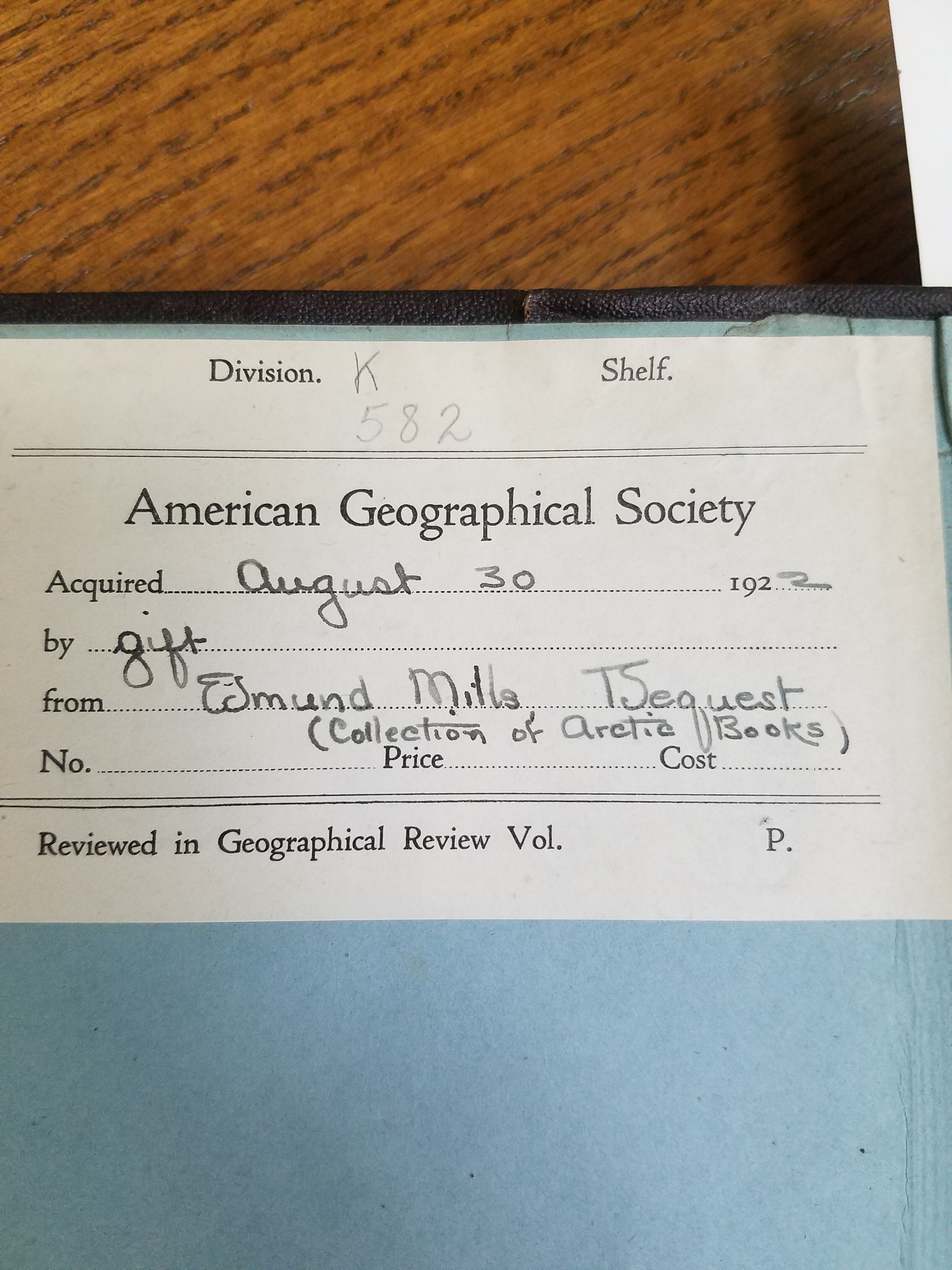
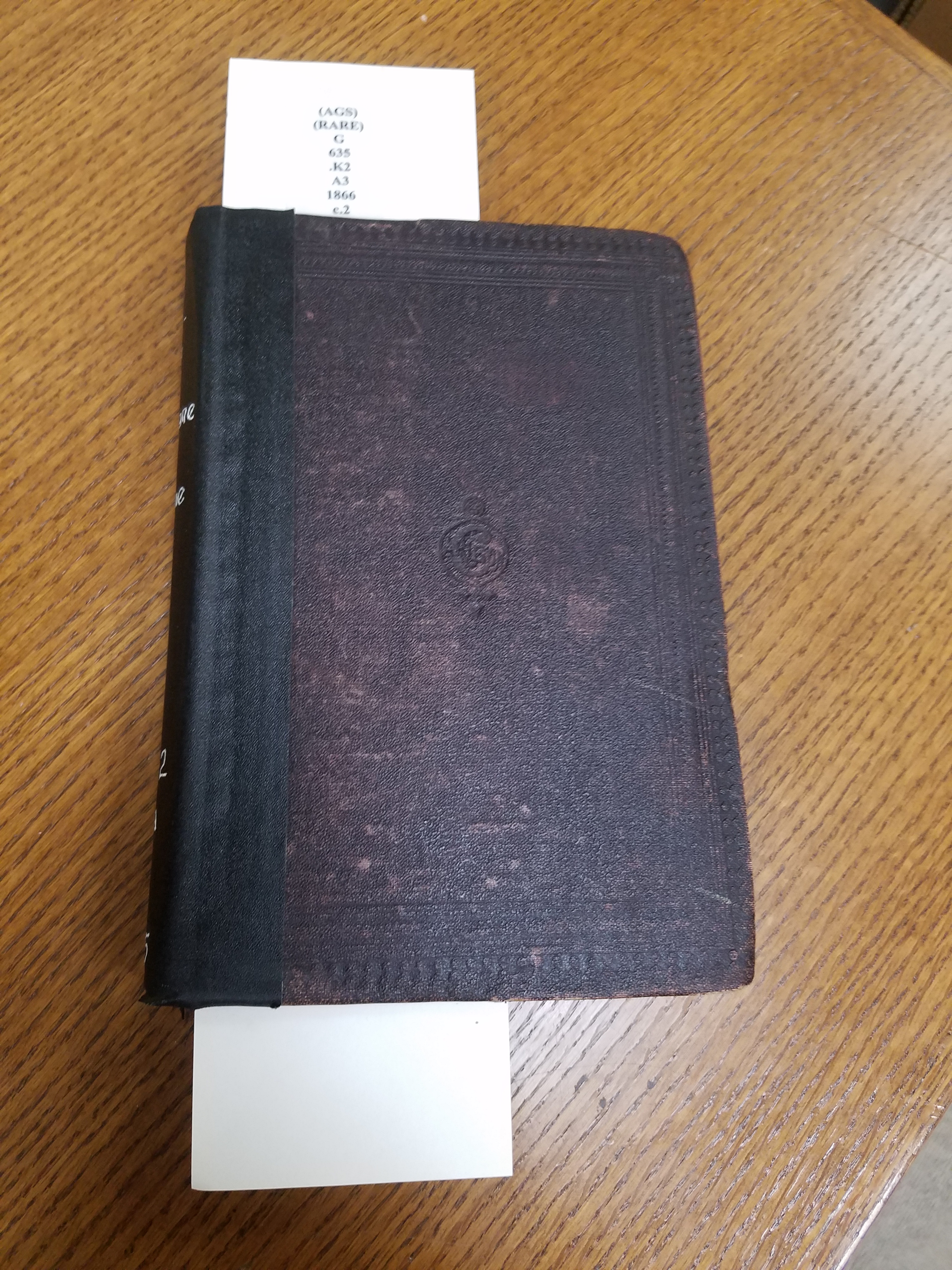
The preface first apologizes for the indecency of publishing love letters and “that which was never intended to meet the public eye,” but goes on to explain that the publication of these private letters, considered too “sacred” by Margaret to publish previously, will save her reputation from the slander she suffered by keeping them private. According to the preface, Kane had left a small inheritance to Margaret as his wife. Their marriage was vehemently denied by the surviving Kane family, and any mention of it in the press was quickly disparaged. Margaret, widowed and without an income, was forced confront the Kane family about the sum left to her by her late husband. After several disputes, several of which involved Elisha Kane’s brother breaking financial agreements, Margaret decided to publish the letters.
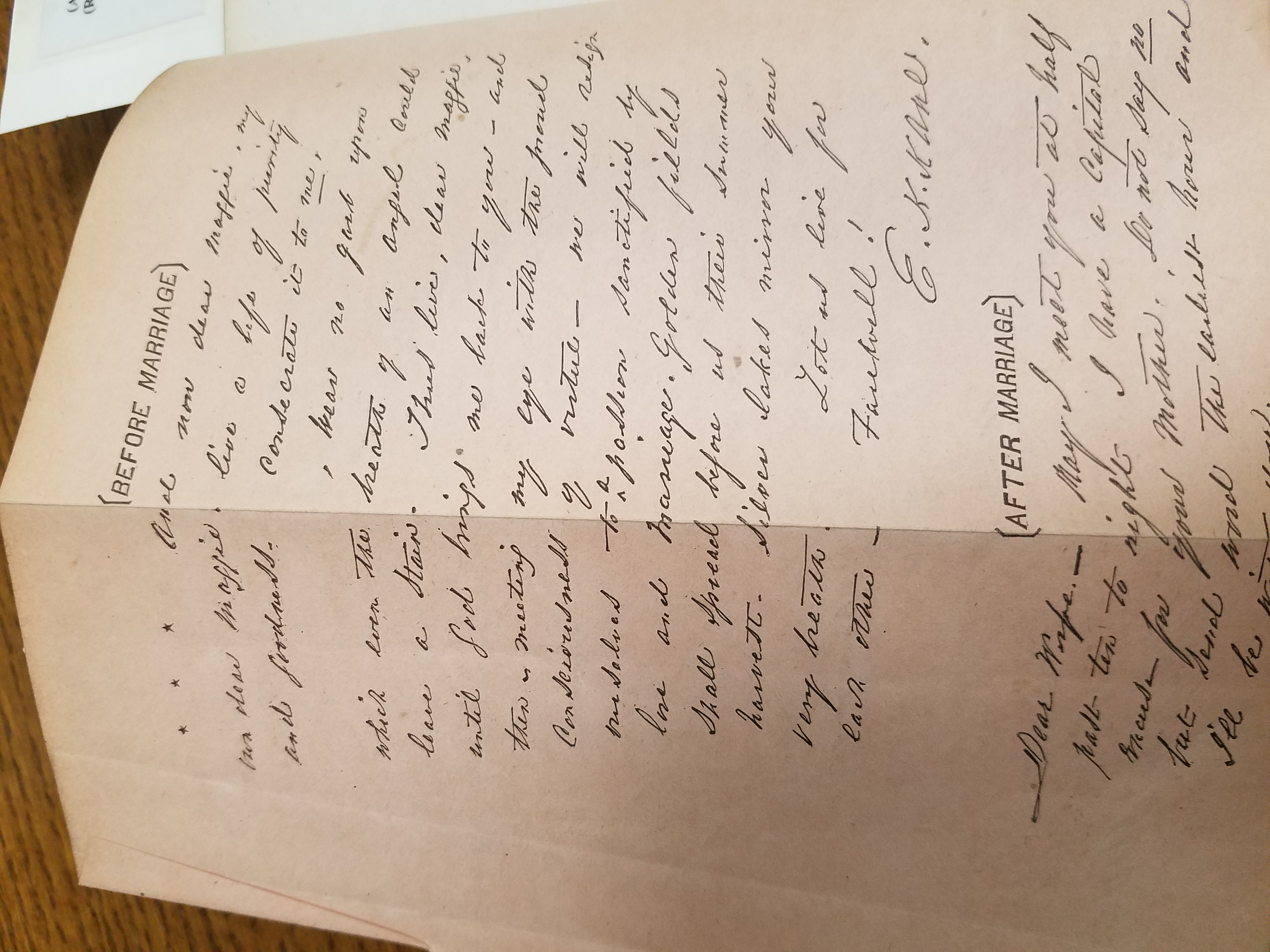
Fold out copy of letters in Kane’s handwriting tucked between the preface and introduction 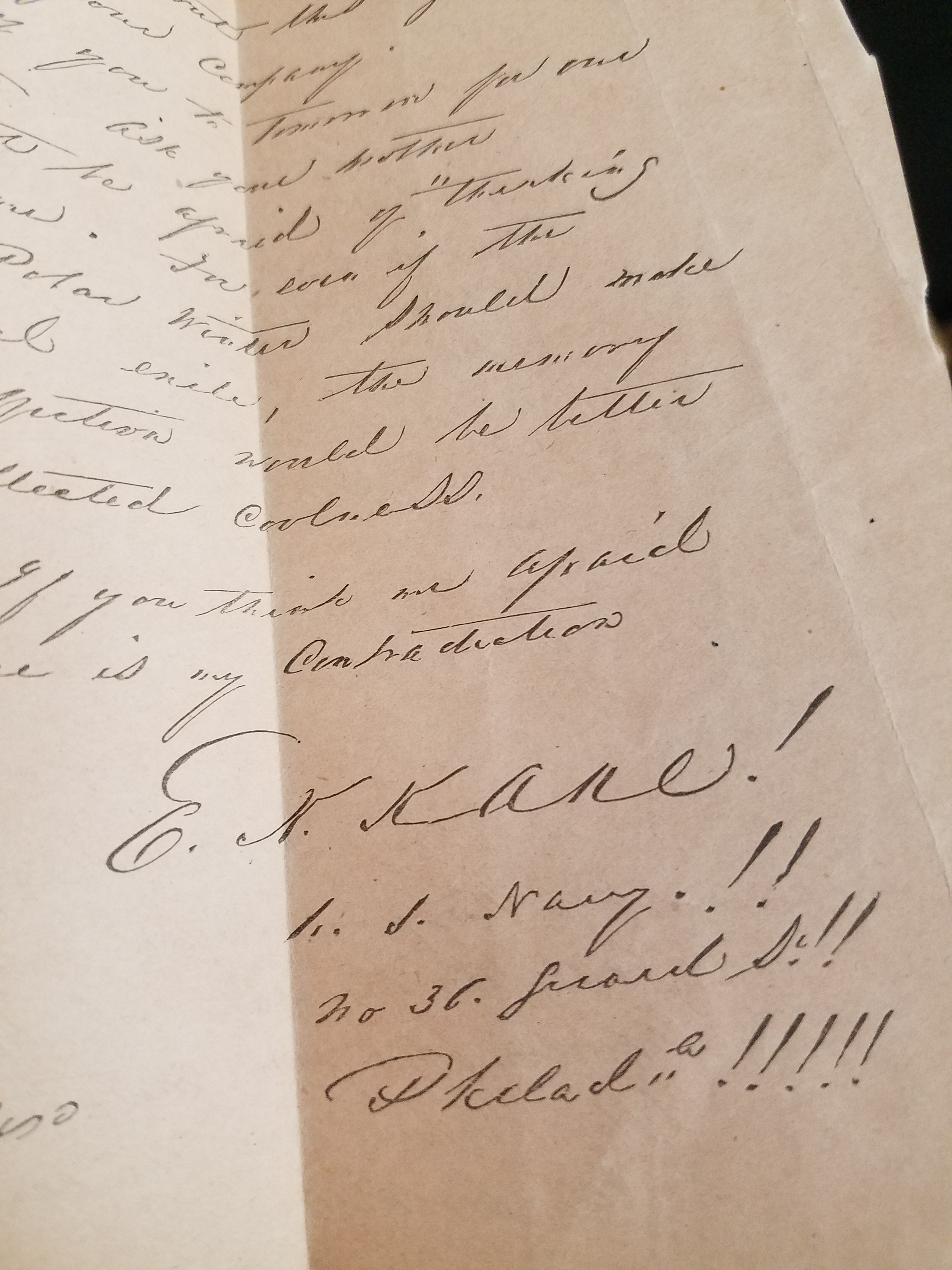
Kane’s signature
The introduction casts Kane and Margaret as star-crossed lovers kept apart by her occupation as a spiritualist, lack of social position, and his own family’s objections to her reputation. The anonymous author, rather romantically, declares, “How deep and strong that love must have been, to come off victorious from such a conflict!” Then finally, the Memoir chapter begins with the story of how the two met and the letters that they exchanged over the course their courtship. The author describes Kane’s falling in love with Margaret at first sight when he found her in Webb’s Union Hotel bridal parlor the autumn of 1852, preparing for a seance. Their epistolary romance began just days later when Kane slipped Margaret a note asking, “Were you ever in love?” And Margaret replied, “Ask the spirits.”
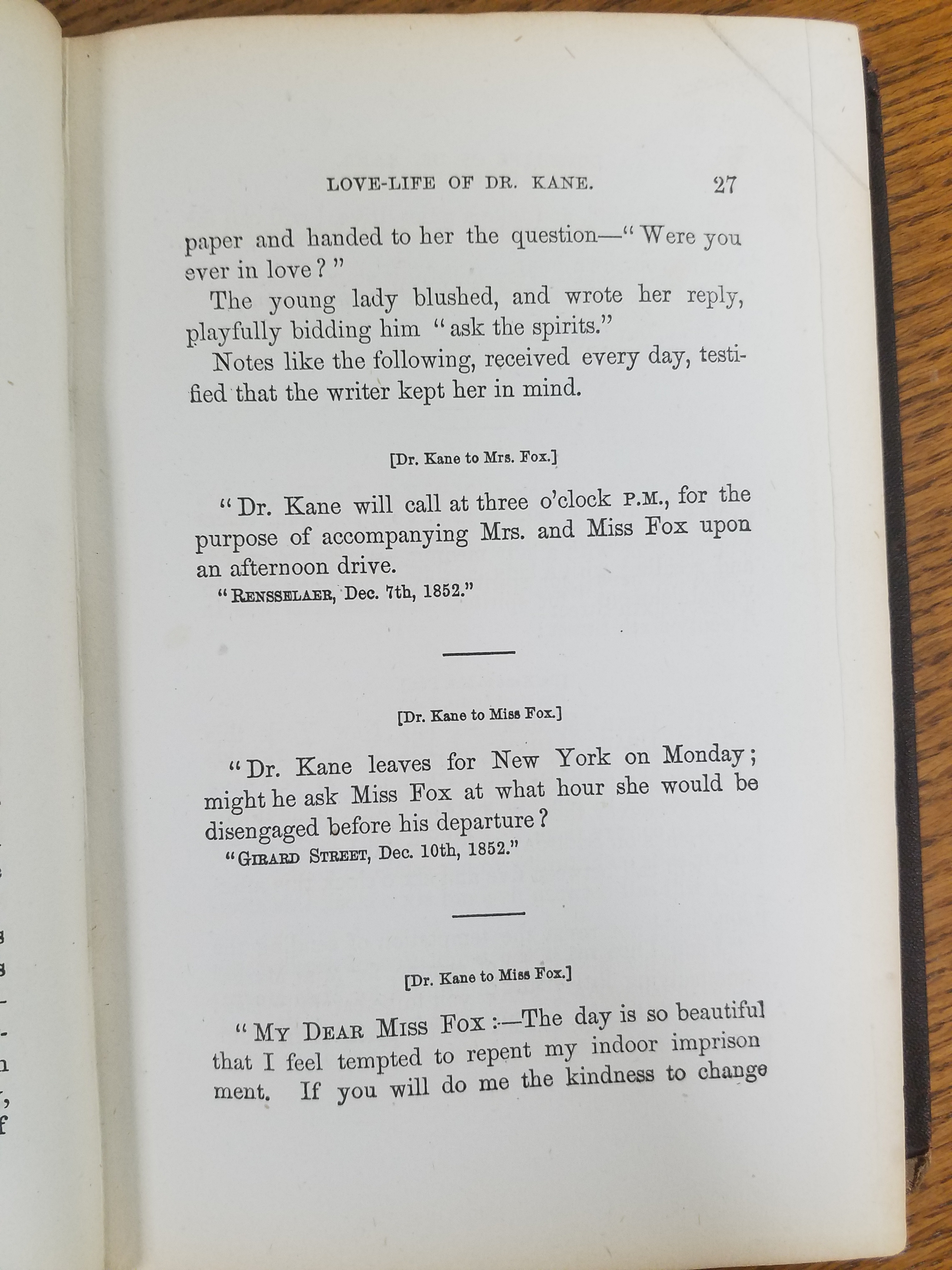
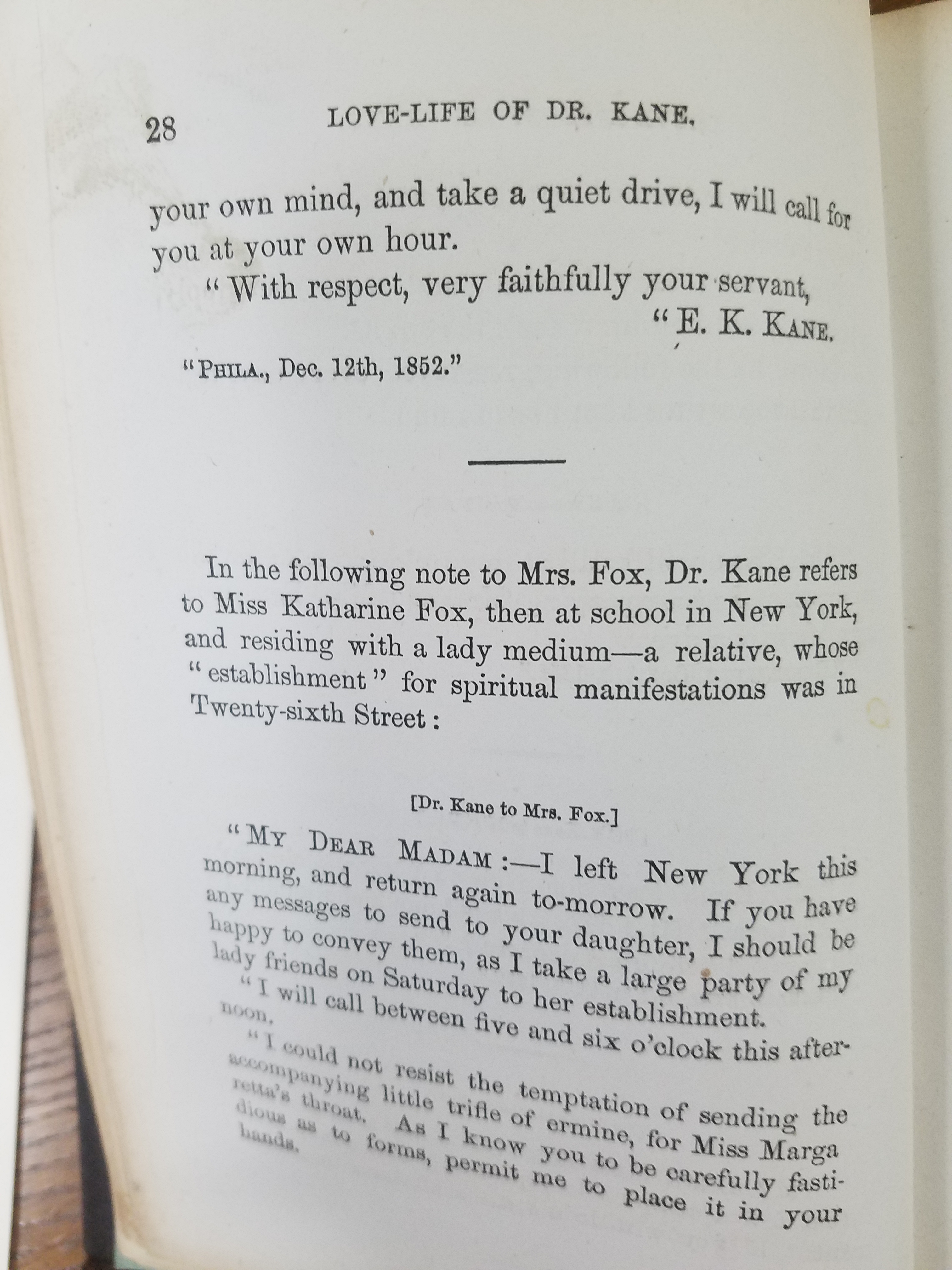
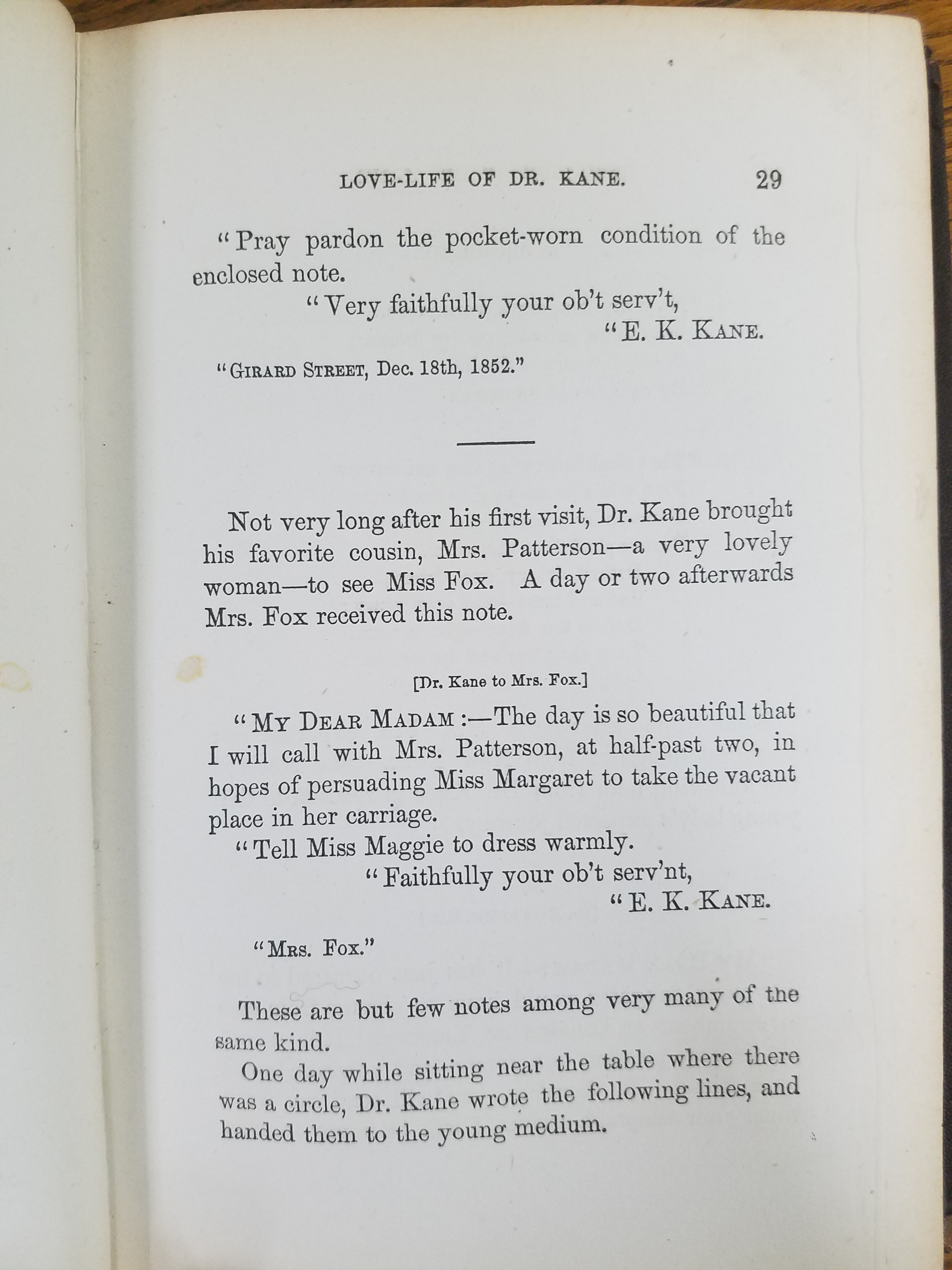
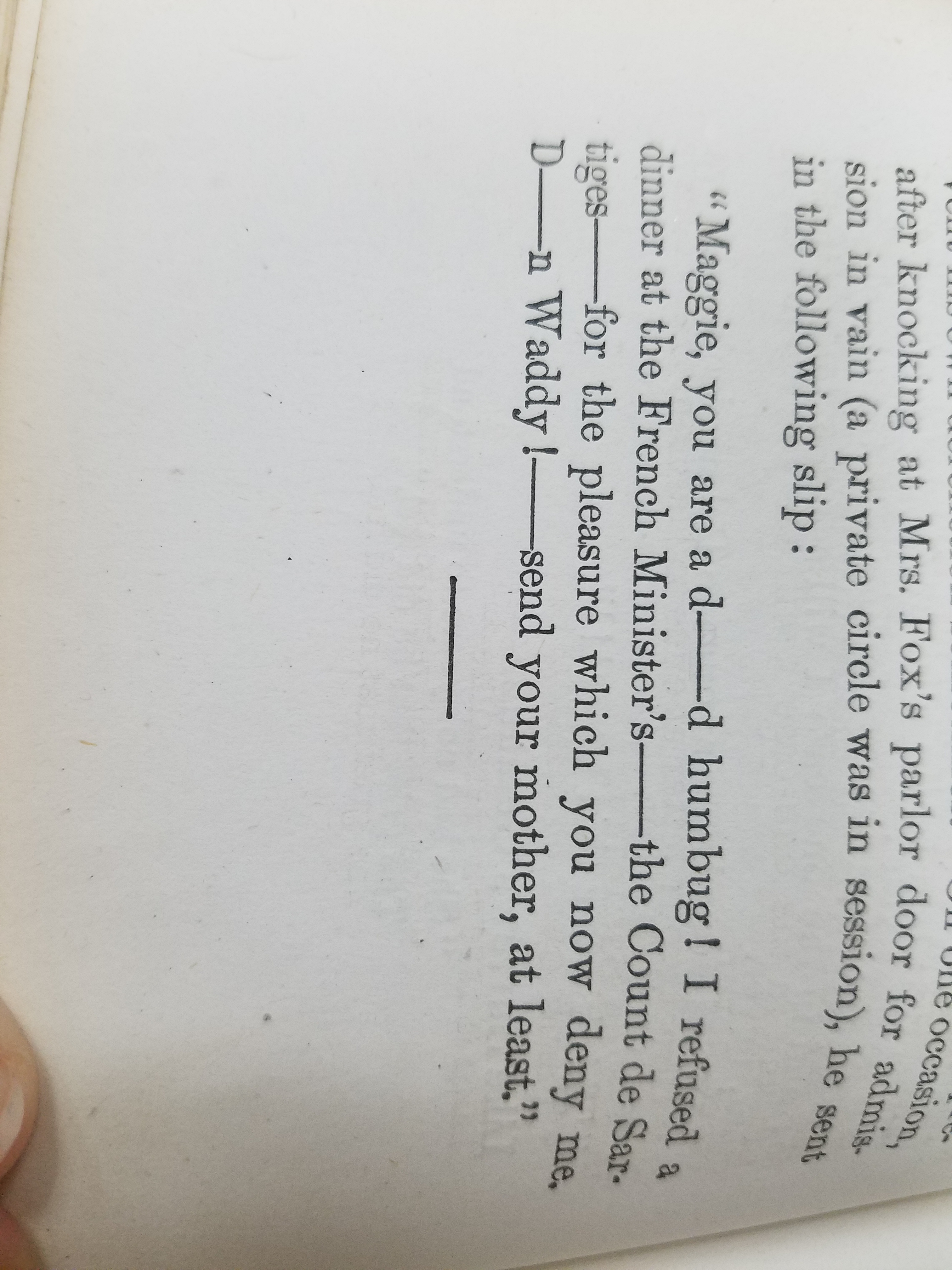
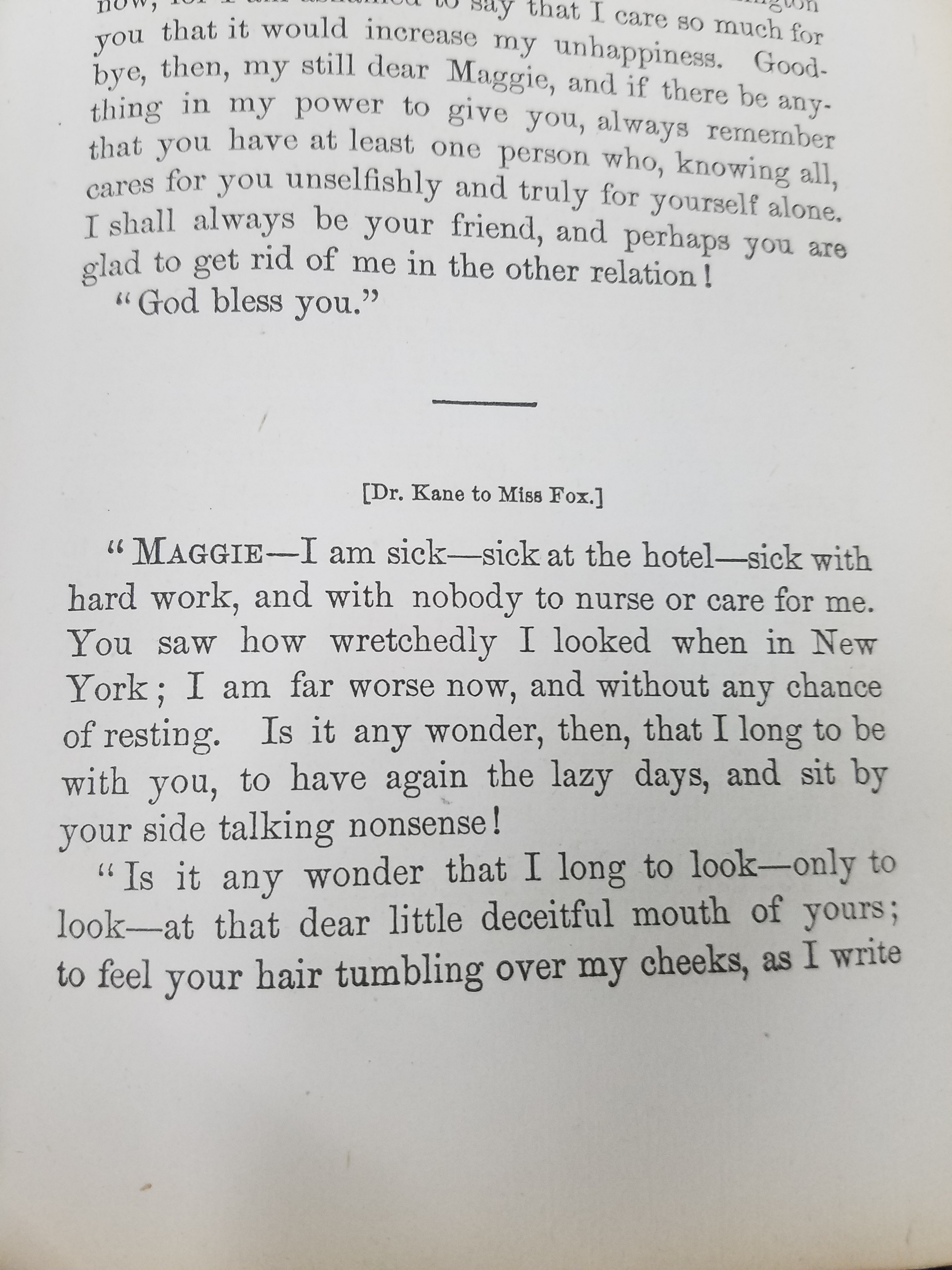
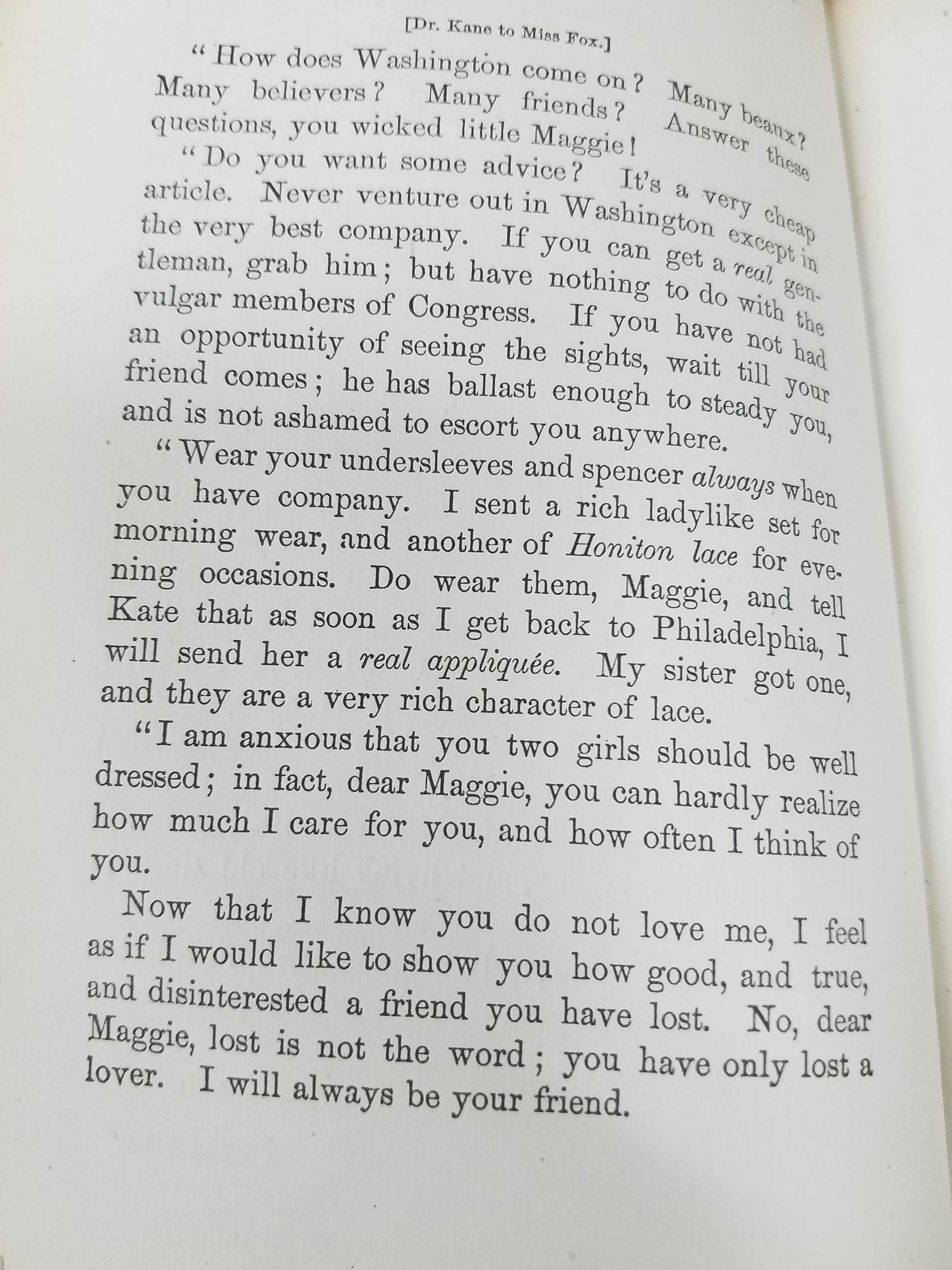
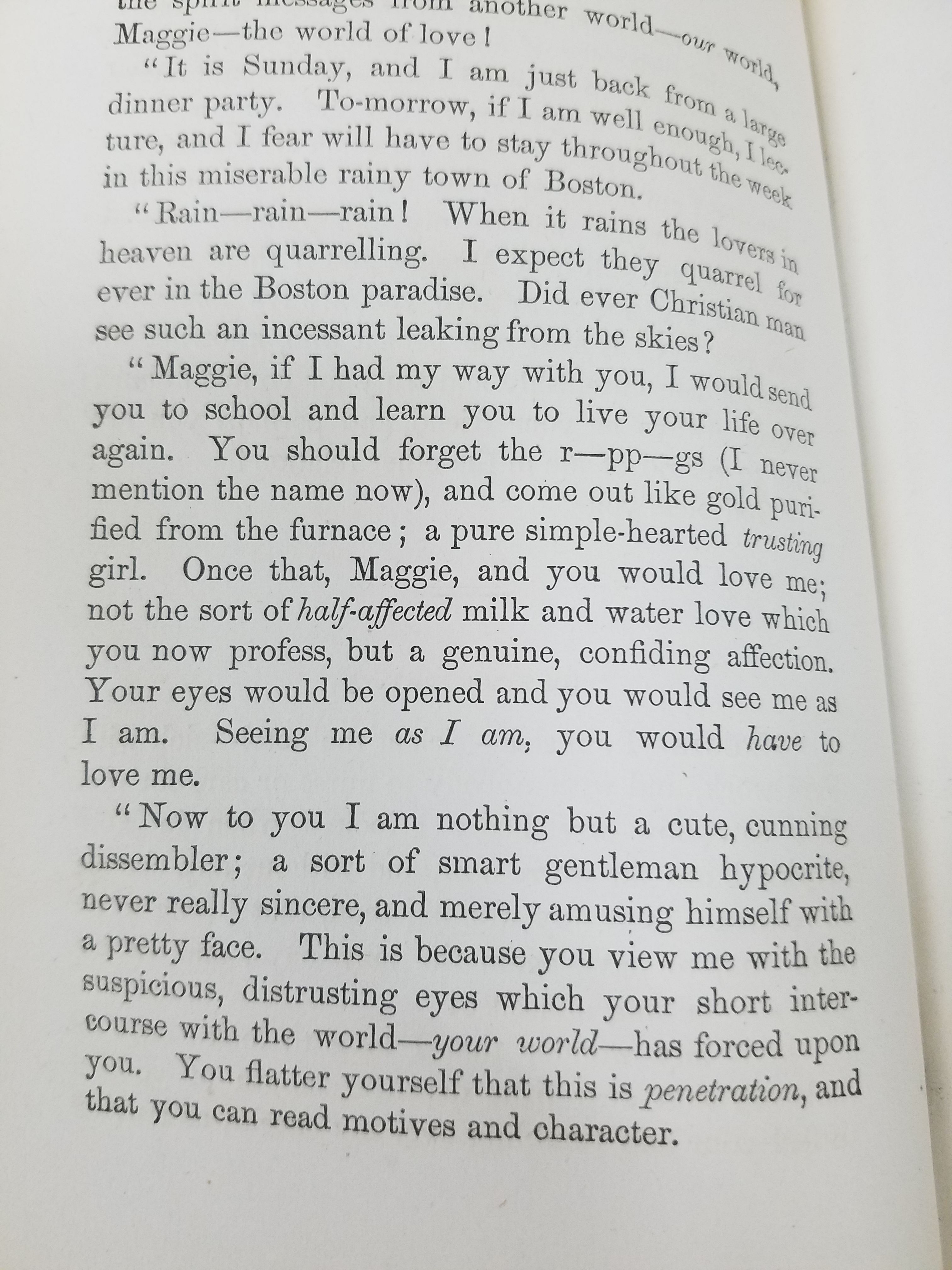
The romance, as told by the collection of letters, was tumultuous. Kane often denounced Margaret for not being affectionate enough, for continuing her work as a medium, or any number of sundry offenses. And his long absences, during which he sent Margaret to school to be educated until his return, were also a struggle. Though Henry Grinnell often wrote to Margaret to update her about Kane’s progress, the long separations created even more tension between the two. His family rejected Margaret so vehemently that her mother was forced to bar Kane from seeing her for fear of Margaret’s feelings or reputation being injured. Kane continued to seek Margaret out, and even asked her to marry him when he saw her on the street. She refused, but the press caught wind of their so-called engagement and maligned her in the papers. Kane never officially denied their engagement, which helped the gossip continue. Years passed, but in 1856, after Kane’s return from the second Grinnell expedition and the death of one of his close friends, Kane proposed to Margaret again. This time, more officially. But the two would not actually be married until days before he left for Cuba to recover his health– in the Fox’s parlor, Kane declared, in front of Margaret’s mother as their witness, that they were husband and wife. The book cites several legal precedents for this kind of common law marriage, assuring readers that the two were rightfully, if not publicly, married that night. The tone of Kane’s letters changes after this; he begins calling Margaret his beloved wife, but is filled with dread by his continually declining health. He tells Margaret that his greatest fear is dying away from her– which is, of course, what happens. And their marriage, which they had both vowed to keep secret until his return from Cuba, was never officially acknowledged by the Kane family. Margaret converted to Catholicism after Kane’s death and spent her days disavowing her own family’s legacy as mediums.
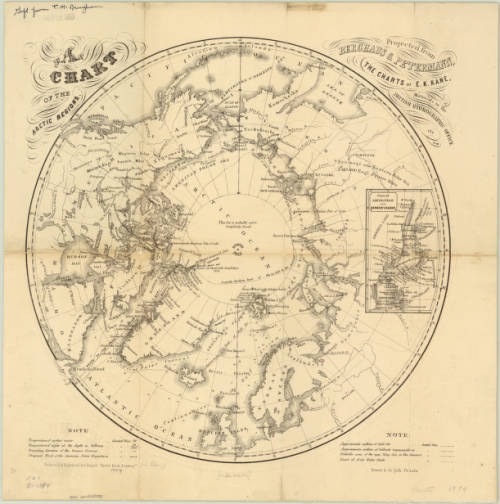
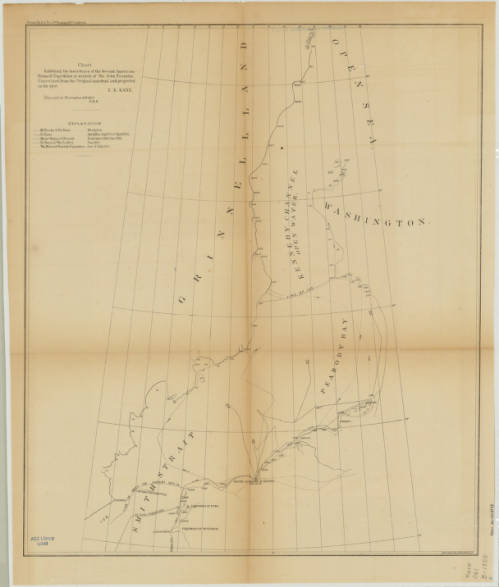
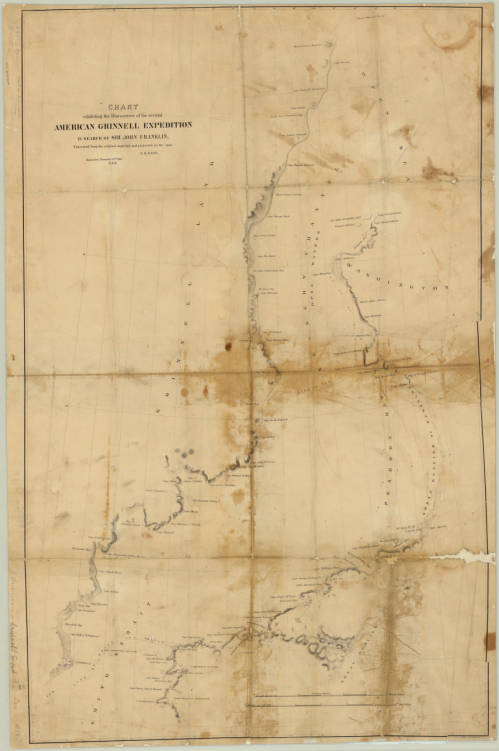
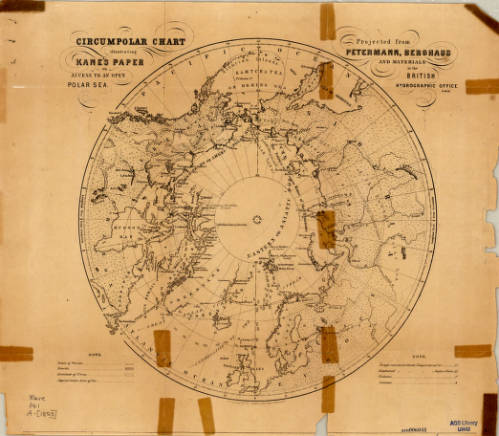
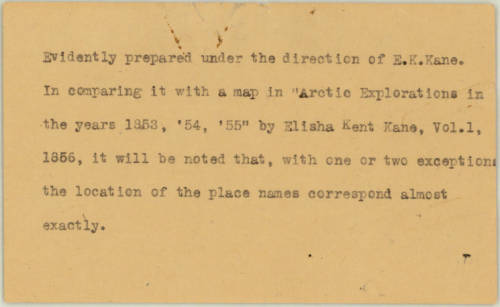
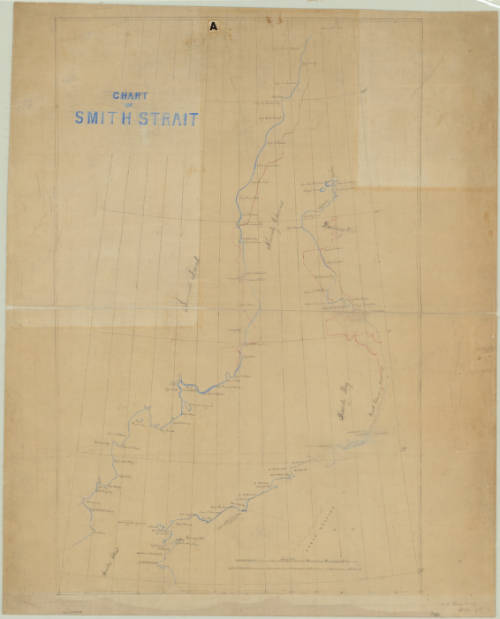
The introduction of The Love-Life of Dr. Kane claims that a man’s love letters “[reveal his] inner life and soul.” Elisha Kent Kane was a larger-than-life man who gave his life to the pursuit of discovering the unknown. The correspondence collected and published by Margaret Fox show us that Kane was also just a man, with a life and love beyond what we know. The AGSL has several maps by Kane in its collection, reminding us of his many contributions to the American Geographical Society. Below are just some of the items in the AGSL archives: his 1853 circumpolar charts and his surveys of the arctic during the Grinnell expeditions.
AGS Library Bucket List
Your AGS Library experience can be an adventure. Come in and explore all that the AGS Library has to offer, from fabulous collections to tours for visitors. Finish the list? Receive a free set of map reproductions. What will you check off first?
- Follow one or more of our social media sites:


- Discover a favorite globe (view some of our globes at Flickr — view a list of the over 200 globes held at the AGS Library).
- Attend an Academic Adventures lecture on a Friday afternoon and hear about a UWM faculty or staff’s adventures abroad and afield.
- Discover genealogical map resources such as plat atlases, historic topographic maps and gazetteers.
- View stereo photos through a stereo viewer.
- Show off this Milwaukee treasure to your visiting family and friends.
- Celebrate your bachelor party or honeymoon with a visit.
- Attend the annual Maps & America lecture in April featuring leading international speakers in the field of the history of cartography of the Americas.
- View the oldest map in Milwaukee in person, the 1452 Leardo Mappamundi.
- Attend the annual Geographic Information Science (GIS) Day in November for vendor presentations, guest speakers, free workshops, a map gallery, tours of the AGS Library, and more.
- Find your home town on a unique map (old, in a foreign language, etc.).
- Discover cartographic oddities.
- See maps about imaginary places and people — Atlantis, Lord of the Rings, Game of Thrones, Star Wars, Santa Claus, etc.
- Discover AGS Library resources through the UWM Libraries Digital Collections
- See and use a real library card catalog.
Mapcon at the AACA Museum in Hershey, Pennsylvania
By Judy Aulik
Every year the RMCA (Road Map Collectors Association) holds a meeting and map show. This year, for the first time, it will be held in conjunction with the AACA (Antique Automobile Club of America) Museum, an affiliate of the Smithsonian, in Hershey, PA. The RMCA will have a display wing devoted to navigation, i.e., the history of the road map and road atlas, beginning with a British 1904 Pratts atlas, through the modern station locator maps, still given out by some gasoline/convenience store chains.
Keeping with organizational tradition, Thursday night (Sept. 20) is devoted to room-to-room trading at our hotel, but Friday and Saturday are more formal, with trade with our member/dealers from 9:00-5:00 on the 21st, and from 9:00-2:00 on the second day. (Shortened Saturday hours accommodate the members’ meeting.) We are proud to have Robert Spencer, of the Osher Map Library and Smith Center for Cartographic Education at the University of Southern Maine, as our guest speaker at our hotel dinner.
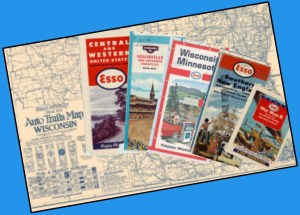
Non-dealers attending will be able to not only see the RMCA area but can tour the museum for the admission cost of $12 for adults, $11 for Seniors (61+) and $1 less for AAA members. To help offset the admission fee, all attendees receive a voucher that is worth 10 free maps from the $1 table which has hundreds to choose from or 10 free State Official maps. We will have our State Official Map table at the entrance.

